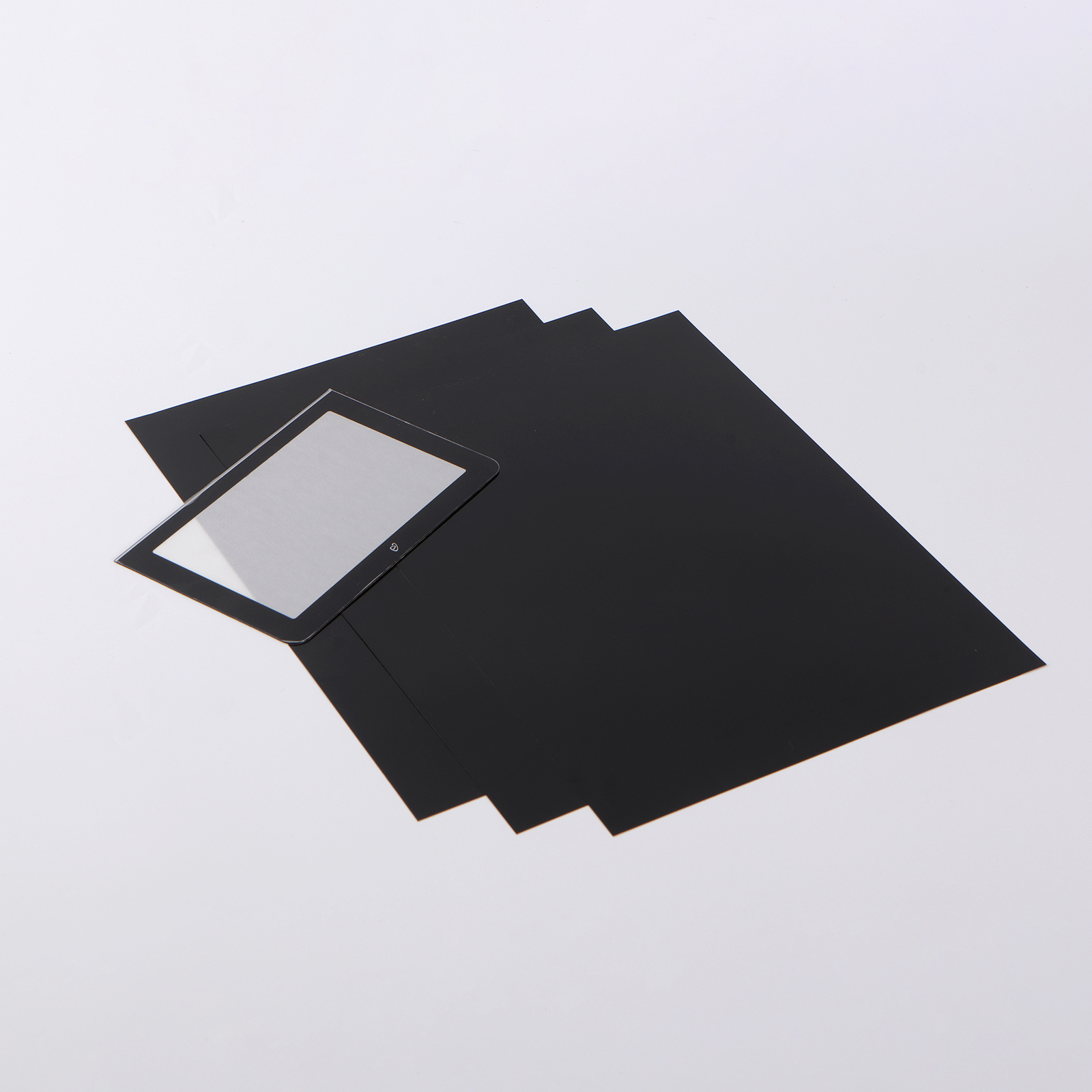
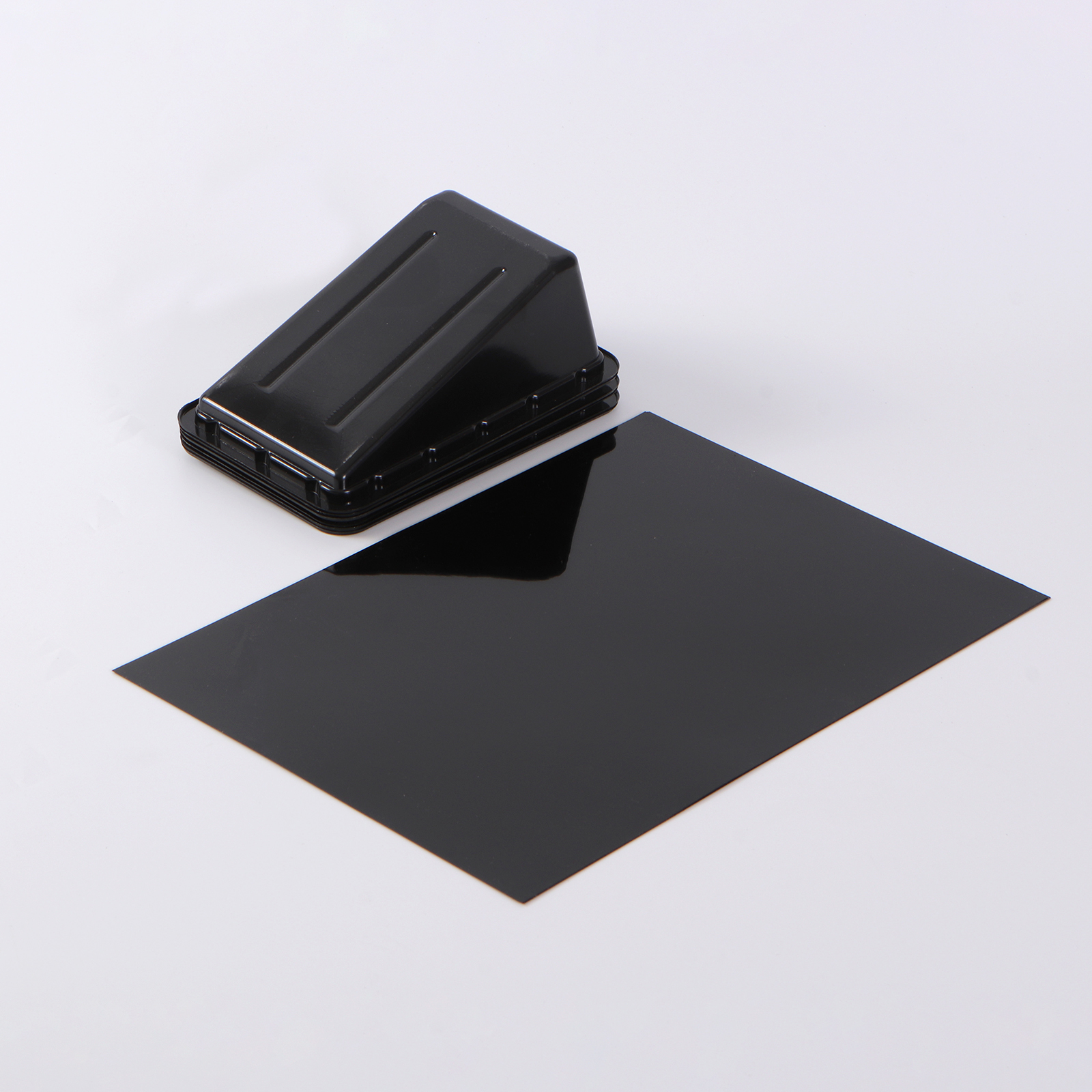
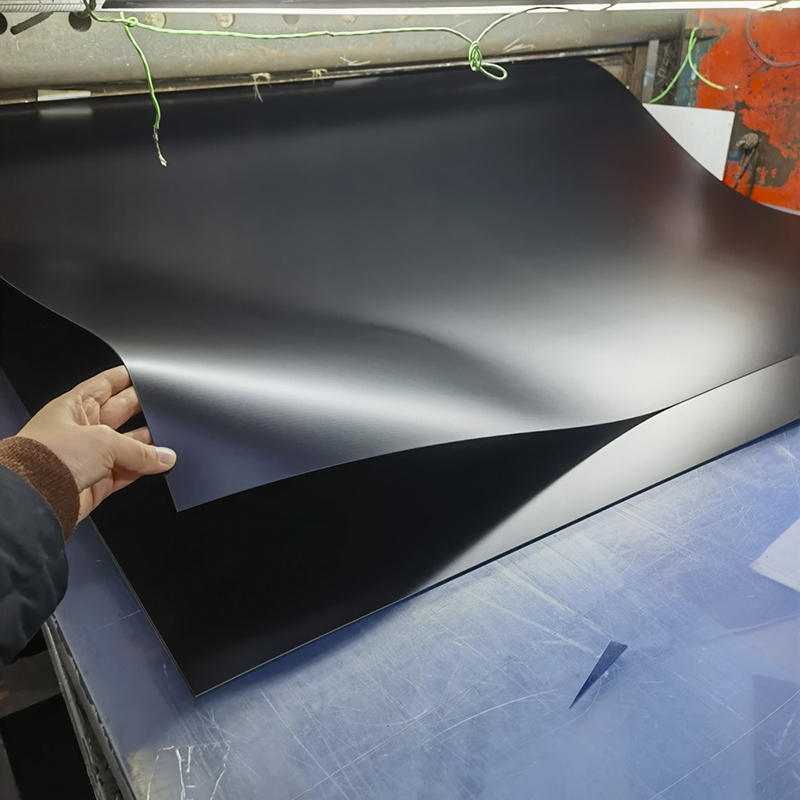
pvc sheets black produced on 23 lines with RoHS/REACH compliance
Anhui Ocan Material's pvc sheets black featuring rigid clarity and fold memory across 0.15–6mm rigid PVC. This resistance stems from the fundamental molecular structure of polyvinyl chloride, which exhibits inherent stability when confronted with most acids, bases, salts, and organic solvents commonly encountered in industrial, commercial, and residential applications. Unlike metals that corrode or traditional plastics that may degrade when exposed to chemicals, pvc sheets black maintain their structural integrity and appearance even after prolonged contact with harsh substances. This chemical stability makes them indispensable in chemical processing facilities, laboratories, manufacturing plants, and agricultural operations where contact with fertilizers, pesticides, cleaning agents, or industrial chemicals is inevitable. The material resists attack from mineral acids such as hydrochloric acid, sulfuric acid, and phosphoric acid at moderate concentrations, as well as alkalis like sodium hydroxide and potassium hydroxide. Petroleum products, oils, and greases that would quickly degrade many alternative materials have minimal effect on pvc sheets black, allowing their use in automotive applications, fuel storage areas, and machinery environments. Beyond chemical resistance, these sheets demonstrate exceptional environmental durability that ensures reliable performance across diverse climatic conditions. They resist moisture absorption, preventing the swelling, warping, and dimensional changes that plague wood-based materials in humid environments. Salt water exposure, which rapidly corrodes metals, leaves pvc sheets black virtually unaffected, making them ideal for marine applications, coastal installations, and saltwater processing facilities. The material withstands freeze-thaw cycles without cracking or splitting, maintaining flexibility and strength even in cold climate applications. UV stabilizers incorporated during manufacturing protect against solar radiation degradation, preventing the brittleness and discoloration that often compromise outdoor materials. This comprehensive resistance profile translates into dramatically extended service life compared to alternative materials, often lasting decades in demanding applications with minimal maintenance requirements. The non-porous surface prevents bacterial growth and contamination, meeting hygiene standards essential for food processing, medical equipment, and clean room applications. This combination of chemical and environmental resistance reduces lifecycle costs substantially by eliminating frequent replacements, minimizing maintenance interventions, and preventing costly failures that interrupt operations.
 EN