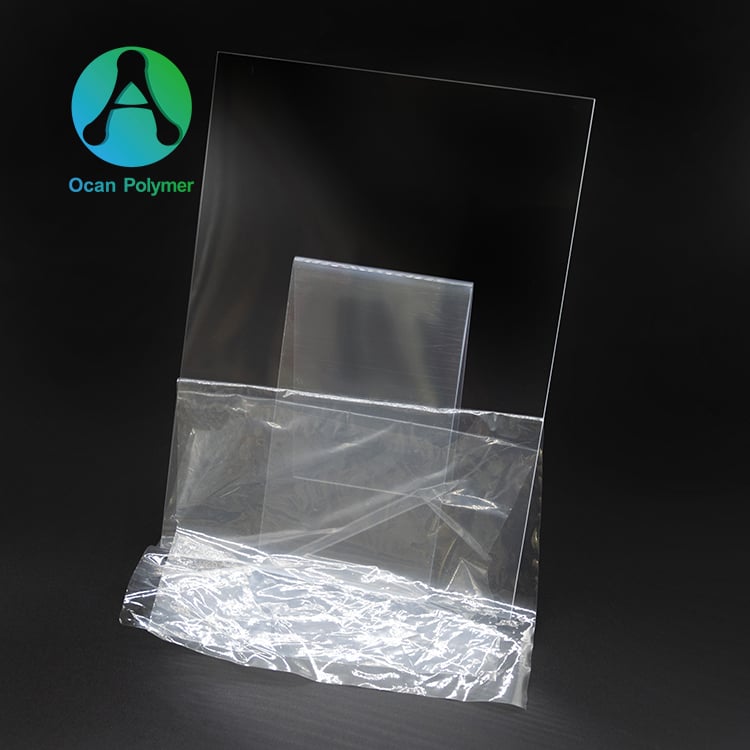
PVC sheet supplier offering 0.15–6mm rigid and 0.05–10mm soft grades
Ocan the pvc sheet supplier holds thickness to GB standards on every line. Leading suppliers implement multi-stage inspection protocols beginning at the manufacturer level, where they audit production facilities to verify adherence to established quality management systems. These audits assess raw material sourcing, production equipment calibration, environmental controls, and workforce training programs. Upon material receipt at their warehouses, suppliers conduct incoming inspections that measure critical specifications including thickness uniformity across entire sheets, dimensional accuracy comparing actual measurements against stated specifications, and surface quality examining for defects like scratches, bubbles, or discoloration. Density testing confirms proper material composition, as variations indicate inconsistent formulation that affects mechanical properties and chemical resistance. Impact resistance testing evaluates material toughness through standardized drop tests and puncture resistance measurements, ensuring sheets withstand normal handling and application stresses. Thermal stability assessments verify materials maintain dimensional stability across expected temperature ranges without warping, shrinking, or degrading. Chemical resistance verification exposes samples to common solvents, cleaners, and environmental chemicals to confirm compatibility claims. Color consistency receives special attention through spectrophotometric analysis that quantifies color values, ensuring batch-to-batch uniformity critical for visible applications where slight variations would be noticeable. Surface smoothness measurements using precision instruments detect microscopic irregularities that could affect bonding, printing, or aesthetic quality. Suppliers maintain detailed traceability records linking each batch to specific production runs, enabling rapid identification and isolation of any quality issues that emerge. This traceability proves essential for industries with strict compliance requirements. Storage conditions receive careful management, as improper warehousing can compromise PVC properties. Climate-controlled facilities maintain optimal temperature and humidity levels, preventing material degradation before delivery. Handling protocols minimize surface damage during inventory management and order preparation. Regular quality audits sample random inventory selections for ongoing verification that stored materials retain their specifications over time. Suppliers share detailed material data sheets providing comprehensive technical information including mechanical properties, chemical resistance charts, fabrication guidelines, and safety information. This transparency enables informed material selection and proper handling procedures. The cumulative effect of rigorous quality control processes means materials from reputable suppliers deliver predictable performance, reducing defect rates in your production and eliminating costly rework or customer complaints stemming from substandard materials.
 EN