PVC HARD SHEET | Rigid Clear Sheet

Get a Free Quote

Our representative will contact you soon.
Email
Name
Company Name
Mobile/WhatsApp
Message
0/1000

pvc hard sheet

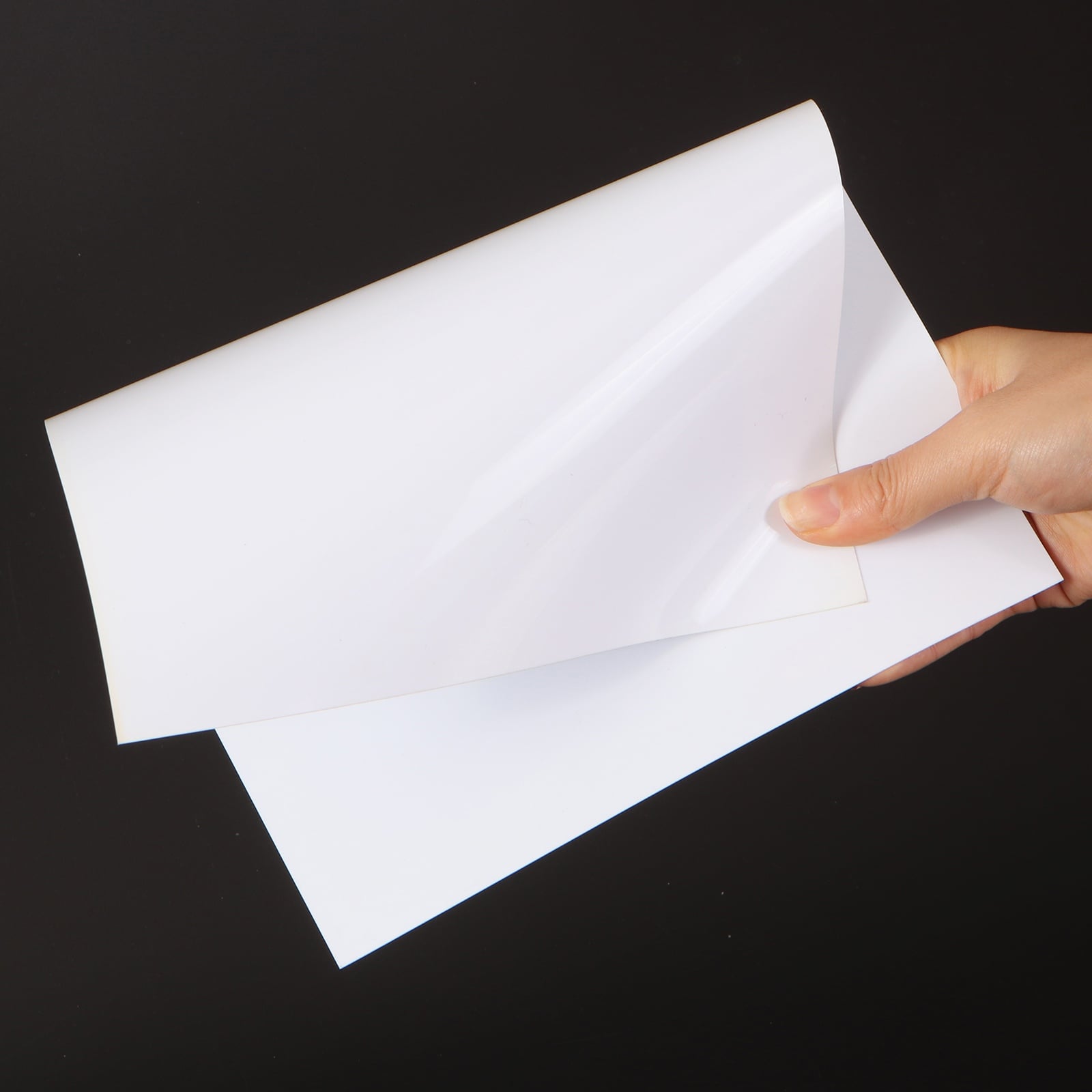
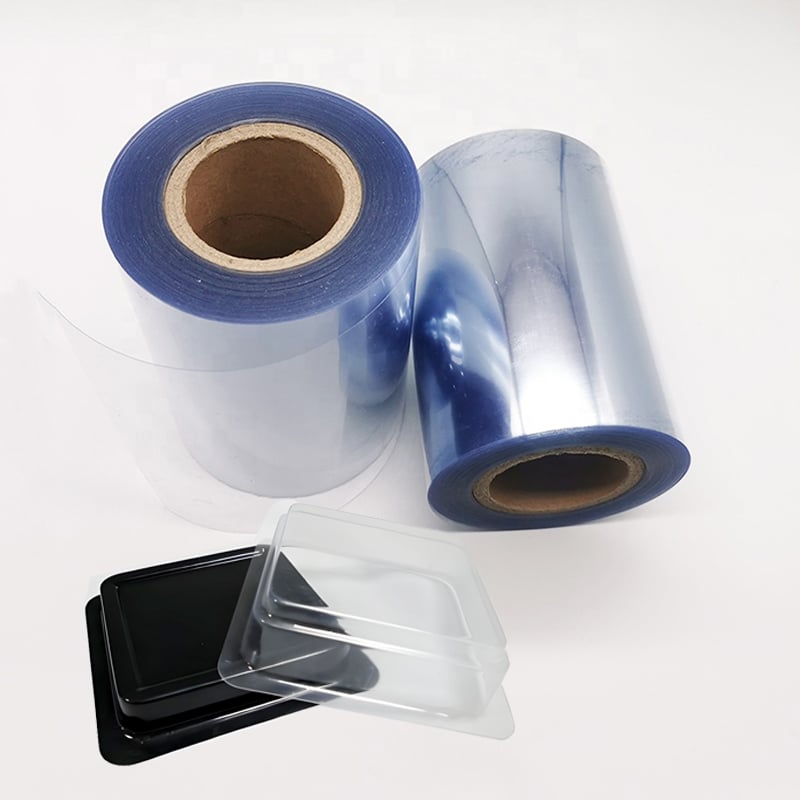
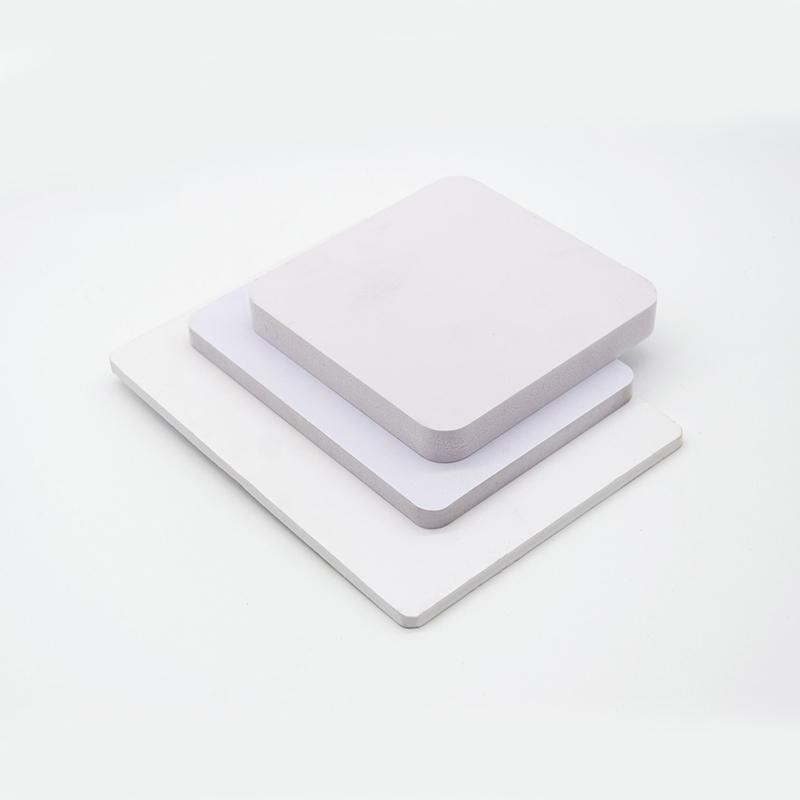
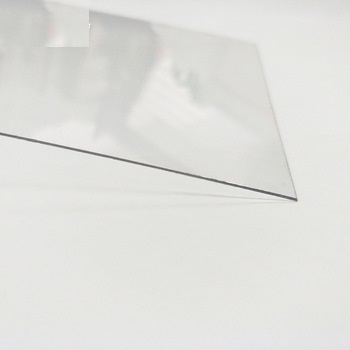
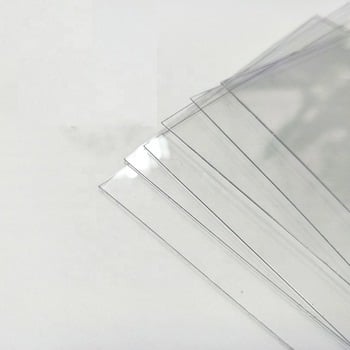
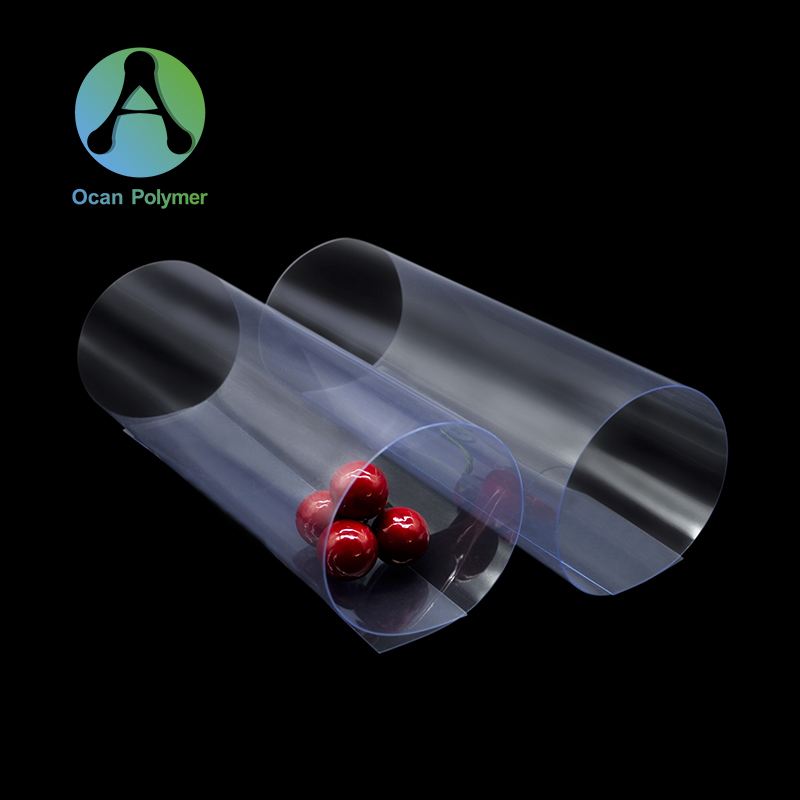
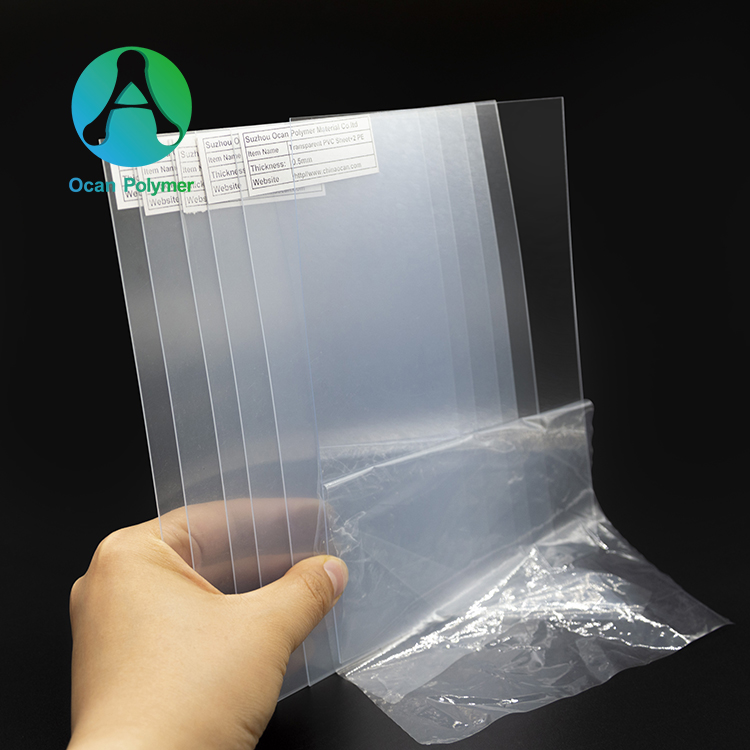
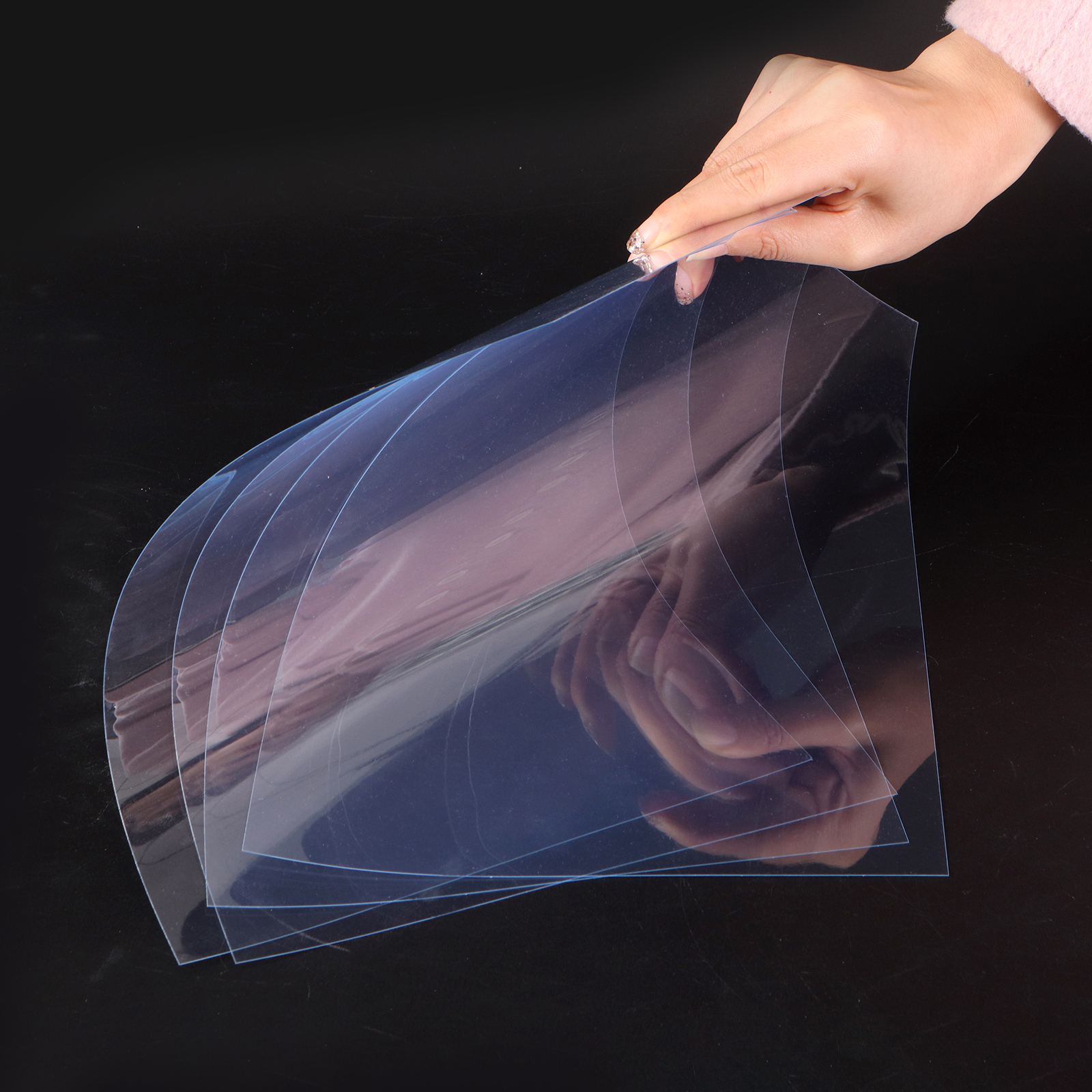
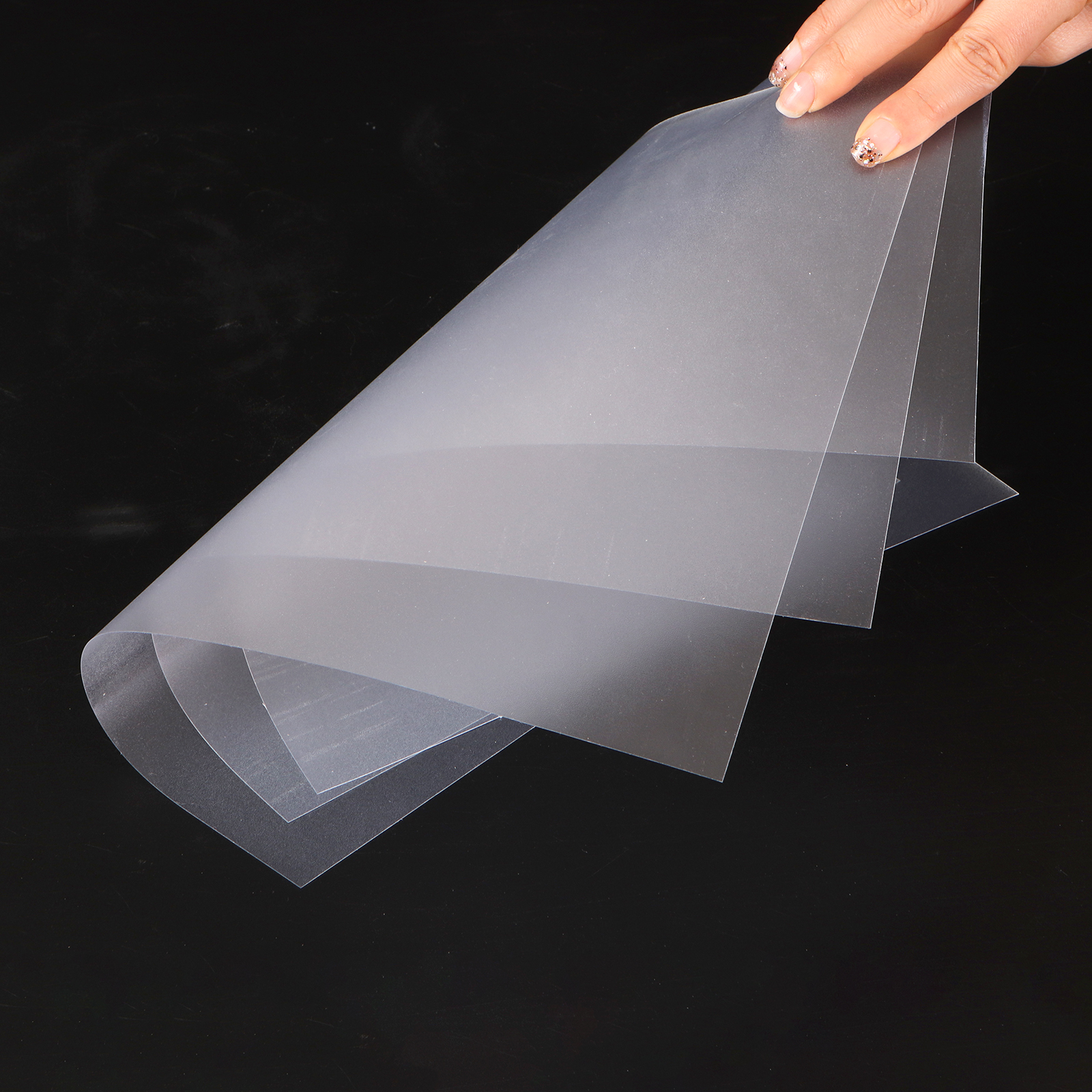
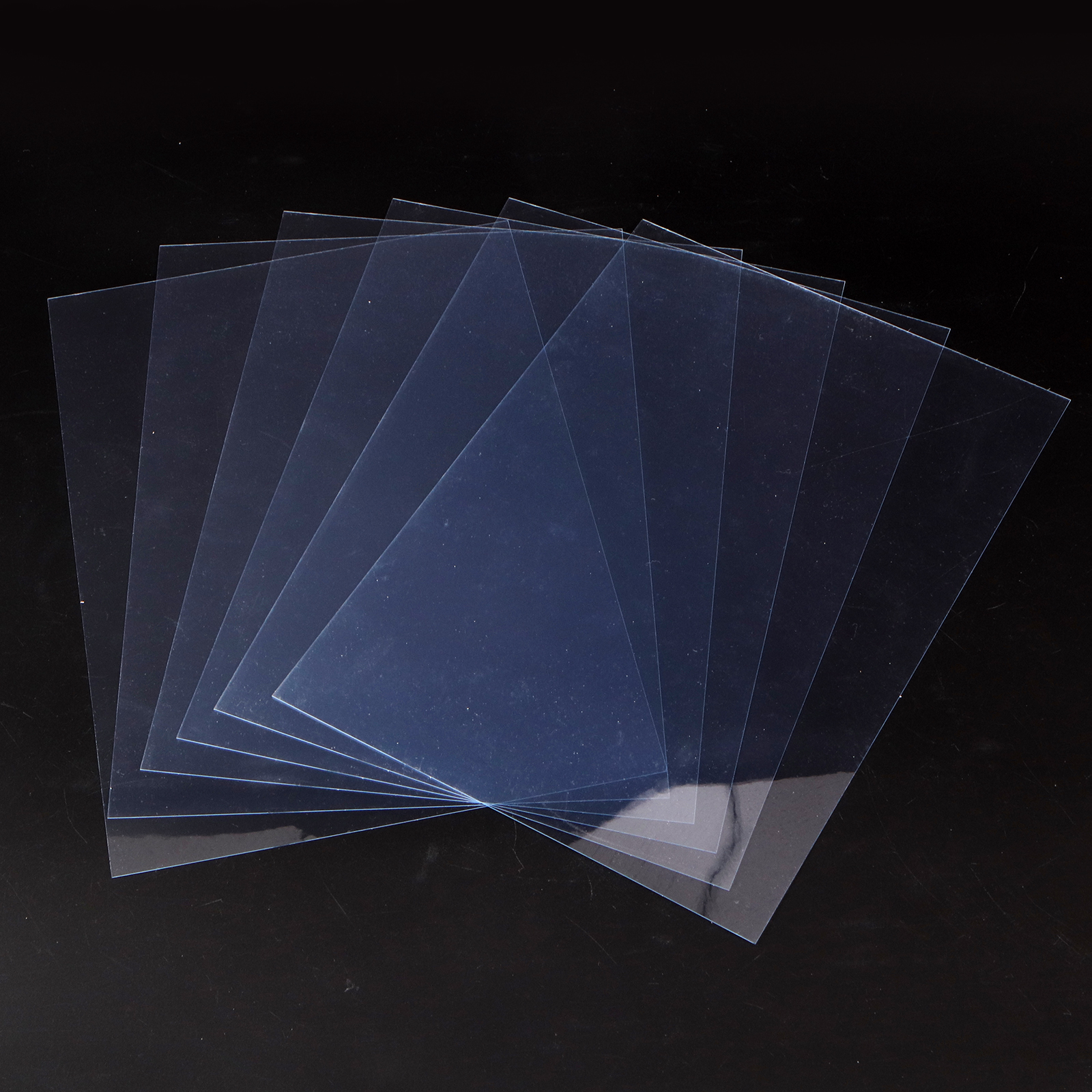
pvc hard sheet is a core product of Ocan's 60,000-ton plant, producing 0.15–6mm rigid PVC for thermoforming, packaging and printing. Manufactured through advanced extrusion processes, this rigid polyvinyl chloride material offers outstanding durability and dimensional stability that makes it suitable for both indoor and outdoor applications. The primary functions of PVC hard sheet include providing protective barriers, creating structural components, and serving as a reliable substrate for various manufacturing processes. Its technological features encompass excellent chemical resistance, superior impact strength, and remarkable weather resistance that ensures long-lasting performance even in challenging environmental conditions. The material exhibits low moisture absorption rates, which prevents warping and maintains structural integrity over extended periods. PVC hard sheet demonstrates exceptional flame retardant properties, making it a safe choice for construction and industrial applications where fire safety is paramount. The smooth surface finish of this material allows for easy cleaning and maintenance, while its uniform thickness ensures consistent quality across large production runs. Manufacturing processes utilize state-of-the-art technology to produce sheets with precise tolerances and minimal variation, ensuring that each product meets stringent quality standards. The applications of PVC hard sheet span across construction, signage, industrial fabrication, automotive components, and chemical processing equipment. In construction, these sheets serve as wall cladding, ceiling panels, and partition systems that provide both functional and aesthetic benefits. The signage industry relies heavily on PVC hard sheet for creating durable outdoor signs, display boards, and advertising panels that withstand harsh weather conditions. Industrial applications include tank linings, ducting systems, and protective equipment housings that benefit from the material's chemical resistance. The automotive sector utilizes these sheets for interior trim components and protective panels. Chemical processing facilities employ PVC hard sheet for constructing fume hoods, laboratory workbenches, and containment systems where resistance to corrosive substances is essential.

New Product Recommendations

Factory-direct pvc hard sheet from Ocan delivers 0.15–6mm rigid PVC with RoHS-verified quality and a 500kg MOQ. First and foremost, this material offers exceptional cost savings compared to alternative materials like metal, glass, or traditional wood products. You can reduce your initial investment significantly while still achieving professional-grade results that meet or exceed industry standards. The lightweight nature of the sheets makes transportation and handling much easier, cutting down on labor costs and reducing the risk of workplace injuries during installation. You will appreciate how simple it is to cut, drill, and shape this material using standard woodworking tools, eliminating the need for specialized equipment or extensive training. This ease of fabrication translates to faster project completion times and lower labor expenses. The material naturally resists moisture, preventing the rot, rust, and corrosion problems that plague traditional materials, which means you spend less time and money on maintenance and replacements. Your structures and components will maintain their appearance and functionality for years without requiring frequent repairs or touch-ups. The chemical resistance properties protect your investment when exposure to acids, alkalis, and solvents occurs in industrial environments. You gain peace of mind knowing that accidental spills or routine exposure to harsh chemicals will not compromise the structural integrity of your installations. The inherent flame retardant characteristics provide an added safety margin, helping you meet building codes and insurance requirements while protecting personnel and property. Temperature stability ensures that the material performs consistently across a wide range of operating conditions, from freezing cold to moderate heat. You can install these sheets in both climate-controlled and outdoor environments without worrying about excessive expansion, contraction, or degradation. The smooth, non-porous surface prevents bacterial growth and makes cleaning quick and effortless, which is particularly valuable in food processing, healthcare, and laboratory settings where hygiene is critical. Color options and surface finishes allow you to match your aesthetic requirements while maintaining functional performance. The material accepts various printing methods and adhesive applications, giving you flexibility in branding and labeling. Long-term durability means your initial investment continues paying dividends year after year, with minimal degradation in appearance or performance. Environmental benefits include recyclability, allowing you to reduce waste and support sustainability initiatives within your organization.

Tips And Tricks

Why Is PET Sheet Suitable for Printing Cards and Packaging Inserts?

15

Sep

Why Is PET Sheet Suitable for Printing Cards and Packaging Inserts?

Choosing the right material for printing cards and packaging inserts directly impacts product quality, customer perception, and production costs. The pet sheet has emerged as an industry standard for these applications due to its exceptional balance ...
View More
How Is PET Sheet Used for High Transparency Folding Box Packaging?

08

Sep

How Is PET Sheet Used for High Transparency Folding Box Packaging?

High transparency folding box packaging demands materials that combine optical clarity with structural integrity, and PET sheet has emerged as the industry standard for this demanding application. Folding boxes used in cosmetics, pharmaceuticals, ele...
View More
Why Do Manufacturers Use PVC Sheet for Blister Folding Box Packaging?

02

Sep

Why Do Manufacturers Use PVC Sheet for Blister Folding Box Packaging?

Manufacturers across the packaging industry consistently turn to pvc sheet as their material of choice for blister folding box applications. This preference is not accidental—it reflects decades of real-world experience, proven performance metr...
View More
How Is PVC Sheet Used for Folding Box Packaging in Retail Products?

15

Oct

How Is PVC Sheet Used for Folding Box Packaging in Retail Products?

Folding box packaging represents one of the most critical components in modern retail, where product visibility, protection, and structural integrity determine consumer purchase decisions. PVC sheet has emerged as a preferred material for this applic...
View More

Get a Free Quote

Our representative will contact you soon.
Email
Name
Company Name
Mobile/WhatsApp
Message
0/1000

pvc hard sheet

pvc hard sheet from Ocan's 60,000-ton annual capacity plant

pvc hard sheet from Ocan's 60,000-ton annual capacity plant

pvc hard sheet from Ocan, backed by a 500kg MOQ featuring rigid clarity and fold memory across 0.15–6mm rigid PVC. This characteristic makes it an invaluable solution for industries where contact with corrosive agents is unavoidable. The molecular structure of rigid PVC creates a barrier that resists penetration by most acids, bases, and organic solvents commonly encountered in industrial settings. When you install equipment housings, tank linings, or protective barriers made from this material, you can be confident that routine exposure to cleaning chemicals, processing fluids, or accidental spills will not cause deterioration or failure. Manufacturing facilities that handle aggressive chemicals find that components constructed from PVC hard sheet maintain their structural integrity and appearance far longer than alternatives like fiberglass or certain metals that may corrode or become brittle over time. The weather resistance properties prove equally impressive, as the material demonstrates exceptional stability when exposed to ultraviolet radiation, temperature fluctuations, and moisture cycles that occur in outdoor installations. Unlike wood that warps and rots, or untreated metals that rust and corrode, these sheets maintain dimensional stability and surface quality through years of exposure to rain, snow, and direct sunlight. Coastal installations particularly benefit from this resistance, as salt spray and high humidity levels that accelerate deterioration in many materials have minimal impact on properly formulated PVC hard sheet. The non-porous surface prevents water absorption that can lead to freeze-thaw damage in colder climates, ensuring that your installations survive harsh winters without cracking or delamination. This combination of chemical and weather resistance translates directly into reduced maintenance costs and extended service life. You eliminate the need for frequent inspections, protective coatings, and premature replacements that consume budget and create operational disruptions. Facilities managers appreciate the predictable performance and minimal upkeep requirements, allowing them to allocate resources to more critical maintenance tasks rather than constantly addressing material degradation issues.
pvc hard sheet with free samples before bulk ordering

pvc hard sheet with free samples before bulk ordering

pvc hard sheet shipped with corner-protected export packing with thickness held to GB tolerances from roll start to finish. You can work with this material using conventional woodworking equipment, metal cutting tools, or specialized plastic fabrication machinery, providing flexibility based on your existing capabilities and project requirements. Standard circular saws, table saws, and panel saws equipped with fine-toothed blades produce clean, accurate cuts without generating excessive heat or causing edge chipping that can compromise appearance or dimensional accuracy. Drilling operations proceed smoothly with standard twist drills or brad-point bits, creating precise holes for fasteners, hardware, or service penetrations without cracking or splitting the material. The thermoformable properties of certain PVC hard sheet formulations enable you to create complex three-dimensional shapes through heating and molding processes, expanding design possibilities beyond simple flat panel applications. Heat bending allows for the creation of custom angles, curves, and formed edges that enhance both functionality and aesthetics in finished products. Various joining methods accommodate different structural requirements and aesthetic preferences, including solvent welding that creates seamless bonds with strength comparable to the parent material, mechanical fastening using screws or rivets for applications requiring disassembly capability, and adhesive bonding for situations where visible fasteners are undesirable. The material accepts surface treatments such as painting, printing, and lamination, enabling customization for branding, color matching, or special functional requirements like anti-static properties or enhanced UV protection. This versatility in fabrication techniques means that whether you are producing simple protective panels or complex assemblies with multiple components, you can achieve professional results without investing in highly specialized equipment or extensive training programs. Installation efficiency improves dramatically because the lightweight characteristics of these sheets reduce physical strain on workers and allow smaller crews to handle larger projects. A single installer can often manage sheets that would require multiple people if constructed from heavier materials like steel or thick acrylic. The reduced weight also minimizes structural support requirements, potentially allowing you to use lighter framework and reduce overall system costs while maintaining adequate safety factors and load-bearing capacity.
pvc hard sheet in 0.15–6mm rigid PVC for thermoforming, packaging and printing

pvc hard sheet in 0.15–6mm rigid PVC for thermoforming, packaging and printing

pvc hard sheet on Ocan's 23 extrusion lines shipped with corner-protected export packing. The inherent flame retardant properties of properly formulated rigid PVC provide critical protection in applications where fire risk exists, as the material exhibits self-extinguishing characteristics that prevent flame spread when the ignition source is removed. This behavior contrasts sharply with many plastics and organic materials that continue burning once ignited, potentially turning minor incidents into catastrophic events. Building codes in most jurisdictions recognize these fire performance characteristics, and products meeting specific flame spread and smoke generation criteria can be used in occupied structures, public assemblies, and industrial facilities where safety regulations are stringent. The low smoke generation during combustion events is particularly important in enclosed spaces where visibility and breathable air must be maintained to allow safe evacuation. Toxic gas production remains minimal compared to many synthetic materials, reducing health risks to occupants and emergency responders during fire situations. Beyond fire safety, the material contributes to occupational health by eliminating sharp edges and splinters associated with broken glass or splintered wood, reducing injury risks during handling, installation, and routine use. The smooth, non-porous surface inhibits bacterial and fungal growth, making it an excellent choice for healthcare facilities, food processing plants, and laboratory environments where sanitation is paramount. Regular cleaning with standard disinfectants effectively maintains hygienic conditions without degrading the material or creating harboring spots for pathogens. Electrical insulation properties provide protection in applications involving electrical components or potential exposure to electrical hazards, helping prevent shock risks and short circuits that could cause equipment damage or personal injury. The dimensional stability and impact resistance ensure that protective barriers, safety guards, and containment systems maintain their integrity under normal use conditions and during foreseeable impact events. You can specify appropriate thicknesses and reinforcement strategies to meet specific safety requirements for your application, knowing that the material will perform reliably throughout its service life. Compliance documentation and certifications from reputable testing organizations provide the verification needed to satisfy building inspectors, insurance underwriters, and regulatory agencies, streamlining approval processes and reducing project delays associated with material acceptance questions.

Get a Free Quote

Our representative will contact you soon.
Email
Name
Company Name
Mobile/WhatsApp
Message
0/1000