Uwezo Mzuri wa Kupinga Kemikali na Hali ya Hewa kwa Utendaji Mrefu
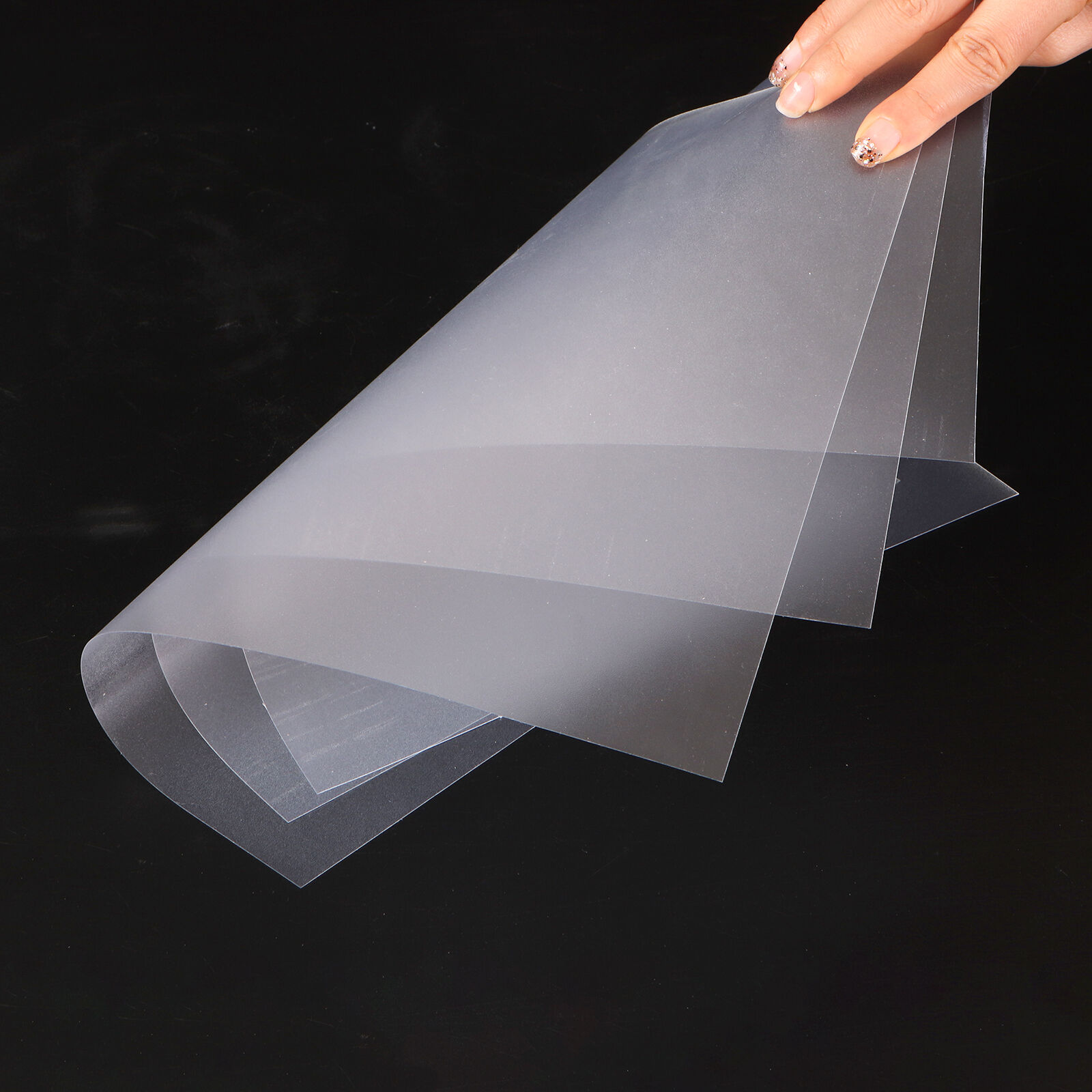
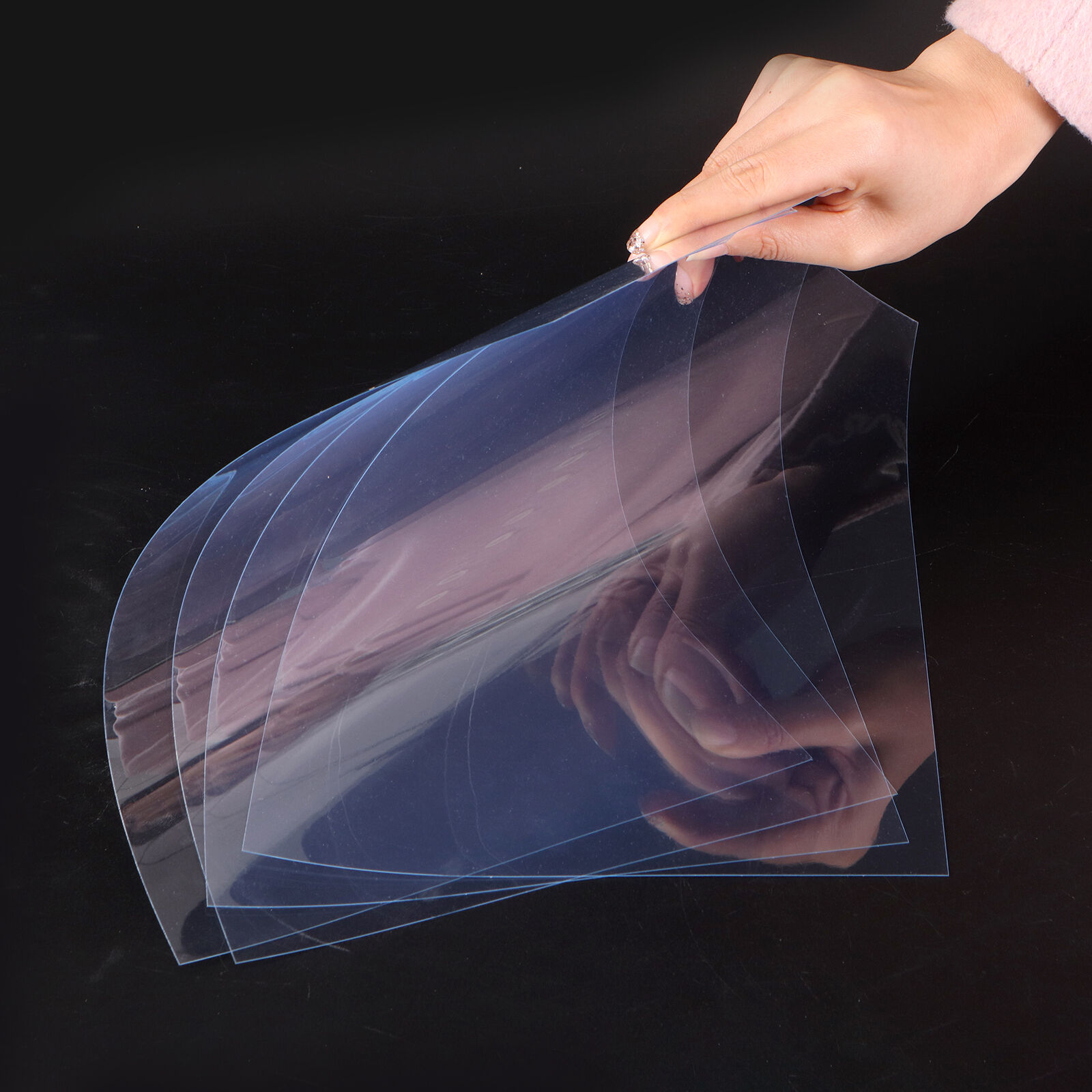
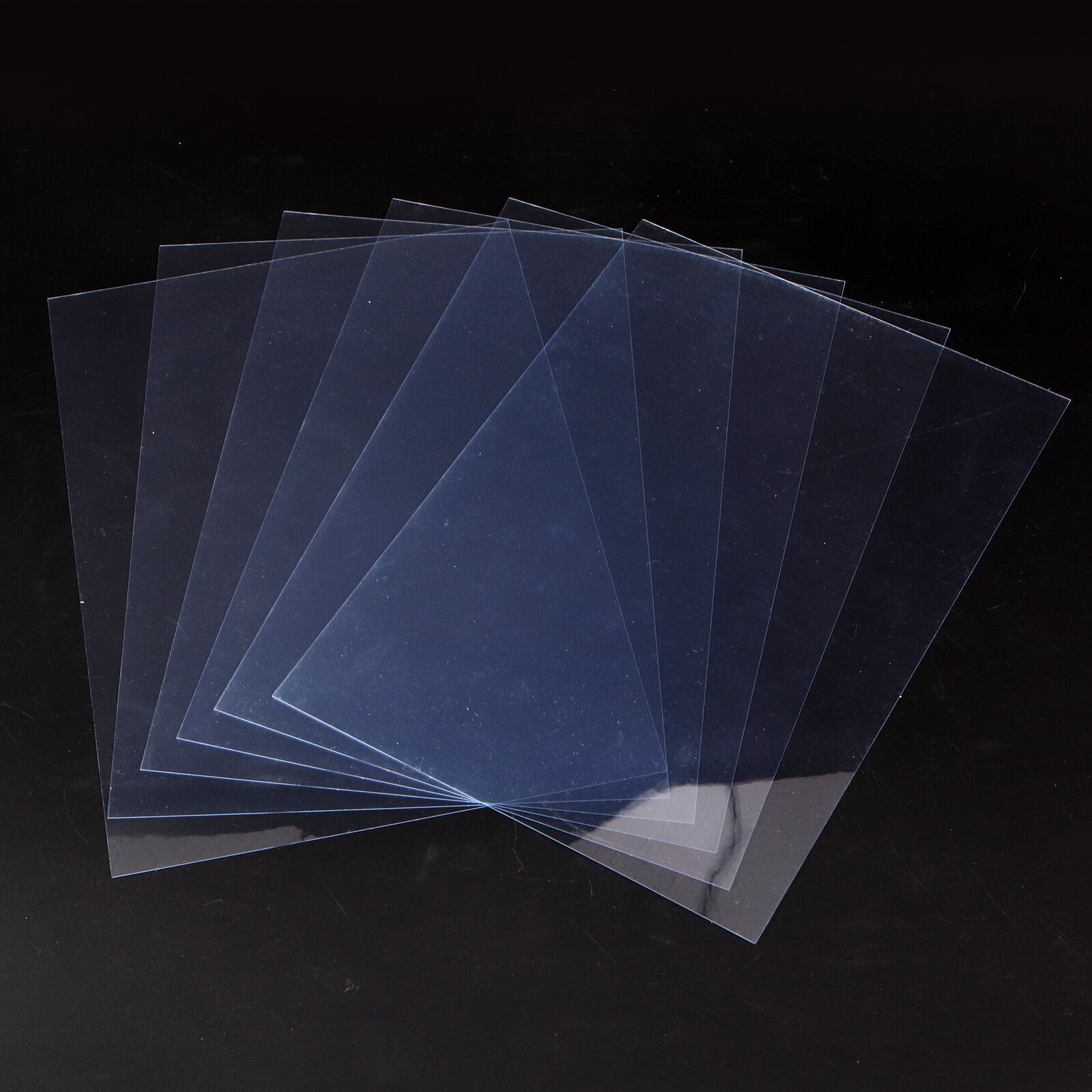
Uwezo wa kusimama kwa kikemikali cha kipekee cha kioo cha PVC cha nguvu ni moja ya sifa zake muhimu zaidi, hasa katika viwanda ambapo ubaguzi wa vitu kwa vitu vya kuvuruga ni batilifu. Plastiki hii ya nguvu ina uwezo mkubwa wa kusimama wakati inapokutana na asidi, alkali, chumvi, na bidhaa za mafuta ya petroli ambazo zingekuvuruga vitu vingine kwa haraka. Viwanda vya uzalishaji, mashirika ya kusindikiza kemikali, na shughuli za viwanda vinatumia sana uwezo huu, kwa sababu makaburi ya vifaa, vichukua vya ulinzi, na mfumo wa kufunga ambayo yameundwa kutoka kwa kitu hiki huendelea kuwa imara hata baada ya kuguswa mara kwa mara na kemikali zenye nguvu. Muundo wa molekuli ya kioo cha PVC cha nguvu kinazima kufanya kemikali kuingia ndani yake au kurejea, kuhakikisha kwamba kitu hiki hakina nguvu ya kupungua, kuchukua maji, au kuharibika kwa muda mrefu. Sifa hii ina matokeo moja kwa moja ya kukuza muda wa huduma na kupunguza mara za kubadilisha, ikitoa uvujuzi mkubwa wa gharama. Maktaba ya utafiti yanatumia kitu hiki kwa uso la kazi, kwa kufunga ndani ya kipofu cha uvumbuzi, na kwa kujenga makaburi ya uhifadhi kwa sababu inaweza kusimama kwa muda mrefu kwa vitu vya kurejea bila kuharibu usalama au ufanisi. Uwezo wa kusimama kwa mabadiliko ya hewa unajumuisha uwezo wa kusimama kwa kemikali, kama hivyo kioo cha PVC cha nguvu kinakuwa sawa kwa matumizi ya nje ambapo mambo ya mazingira yanachanganya ufanisi wa kitu. Uwakilishi wa ultraviolet kutoka kwa jua unafanya plastiki nyingi kuwa ngumu, kubadilika rangi, na kuharibika kwa muundo, lakini aina zilizotengenezwa vizuri za kioo hiki zinajumuisha uvulikishi wa UV ambavyo vinalinda dhidi ya uvururaji wa nuru. Alama za nje, kufunga ya nyumba, miundo ya kilimo, na matumizi ya bahari yanatumia uwezo huu wa kusimama kwa mabadiliko ya hewa. Mvua, upepo, na mabadiliko ya joto hayavurugi kitu hiki, kwa sababu inasimama kwa kuingia kwa maji na huendelea kuwa imara kwa kipindi cha joto kinachopatikana katika mazingira ya kawaida. Mazingira ya pwani yanatoa hali ngumu zaidi kwa sababu ya mvuke wa chumvi na upepo mkubwa, lakini kioo cha PVC cha nguvu hufanya kazi vizuri katika mazingira haya bila kuharibika au kuharibika. Uunganisho wa uwezo wa kusimama kwa kemikali na kwa mabadiliko ya hewa unafanya kitu hiki kuwa pekee kwa matumizi ambayo yanahitaji uwezo wa kulinda kemikali ndani ya jengo na uwezo wa kusimama kwa mazingira ya nje. Vifaa vya kutengeneza maji, eneo la uhifadhi wa kemikali za nje, na shughuli za kushughulikia kemikali za kilimo ni mfano wa mazingira ambapo sifa hizo mbili za kusimama zinatumika kwa umuhimu mkubwa. Ufanisi wa muda mrefu unapunguza kwa kiasi kikubwa kazi za usimamizi na gharama za kubadilisha, pamoja na kuhakikisha kufanya kazi bila kupungua kwa sababu ya kitu. Uthabiti huu unasaidia ufanisi wa kufanya kazi na usalama, kwa sababu kuvuruga kwa mchanganyiko kwa mchanganyiko kinaweza kusababisha kuvuruga kwa uzalishaji, uchafuzi wa mazingira, au matajiri ya usalama. Sifa za kusimama kwa kioo cha PVC cha nguvu zinatoa udhibiti wa hatari ambacho linalolinda maendeleo ya fedha na uendelewakaji wa kufanya kazi, kama hivyo kubainisha kama chaguo bora kwa matumizi muhimu ambapo kuvuruga kwa kitu ni jambo lisilo bora.
 EN
EN