Leading BOPET Film Manufacturers | High-Performance Polyester Films for Packaging and Industrial Applications

Get a Free Quote

Our representative will contact you soon.
Email
Name
Company Name
Mobile/WhatsApp
Message
0/1000

bopet film manufacturers

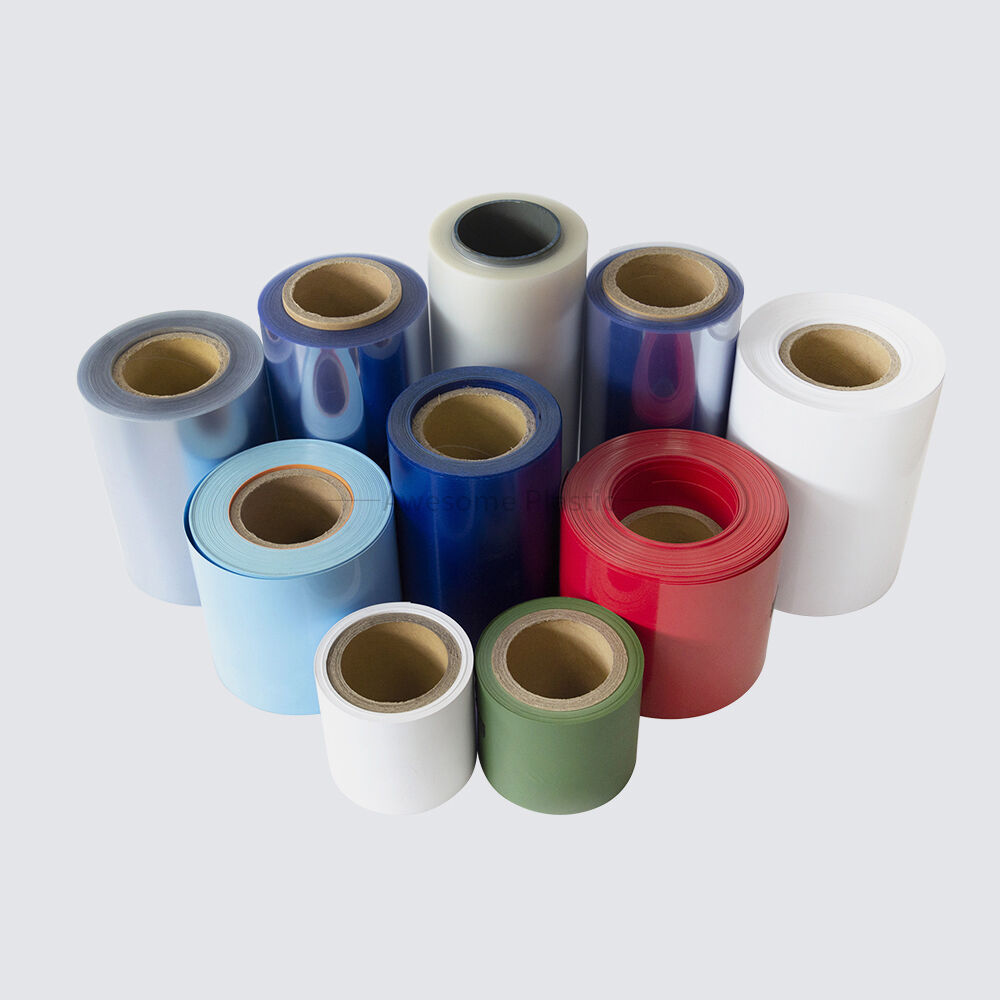
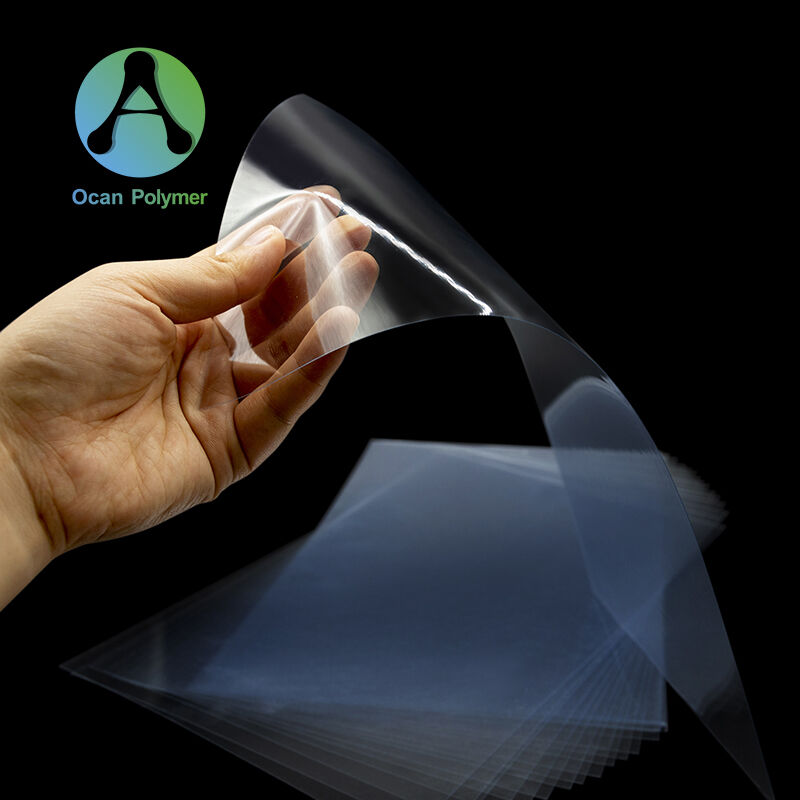
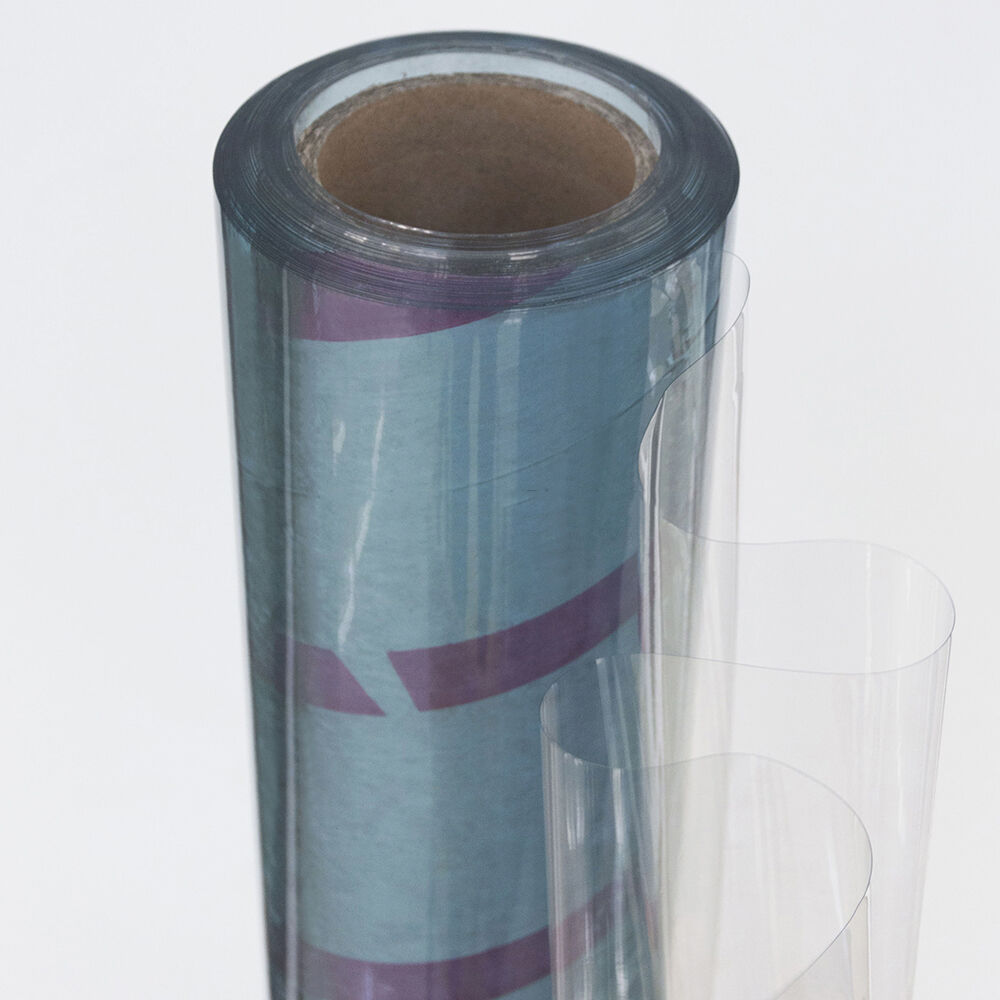
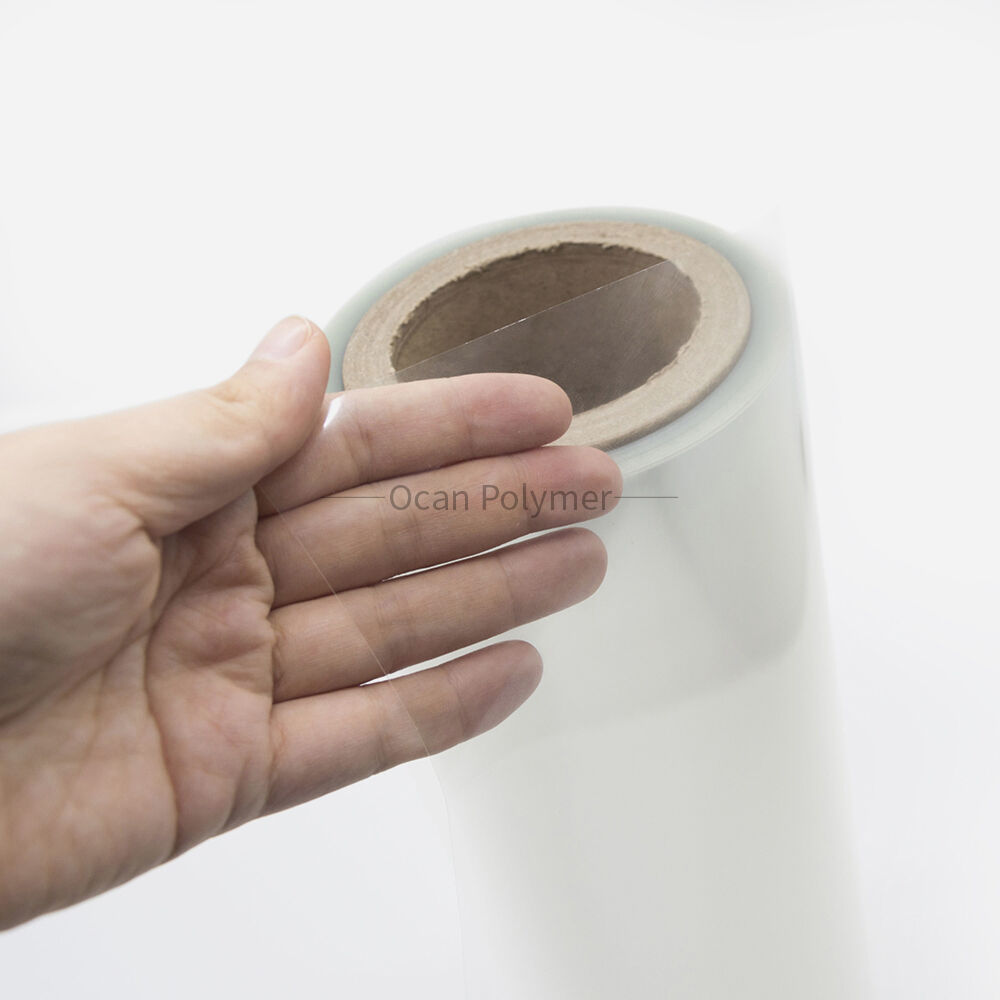
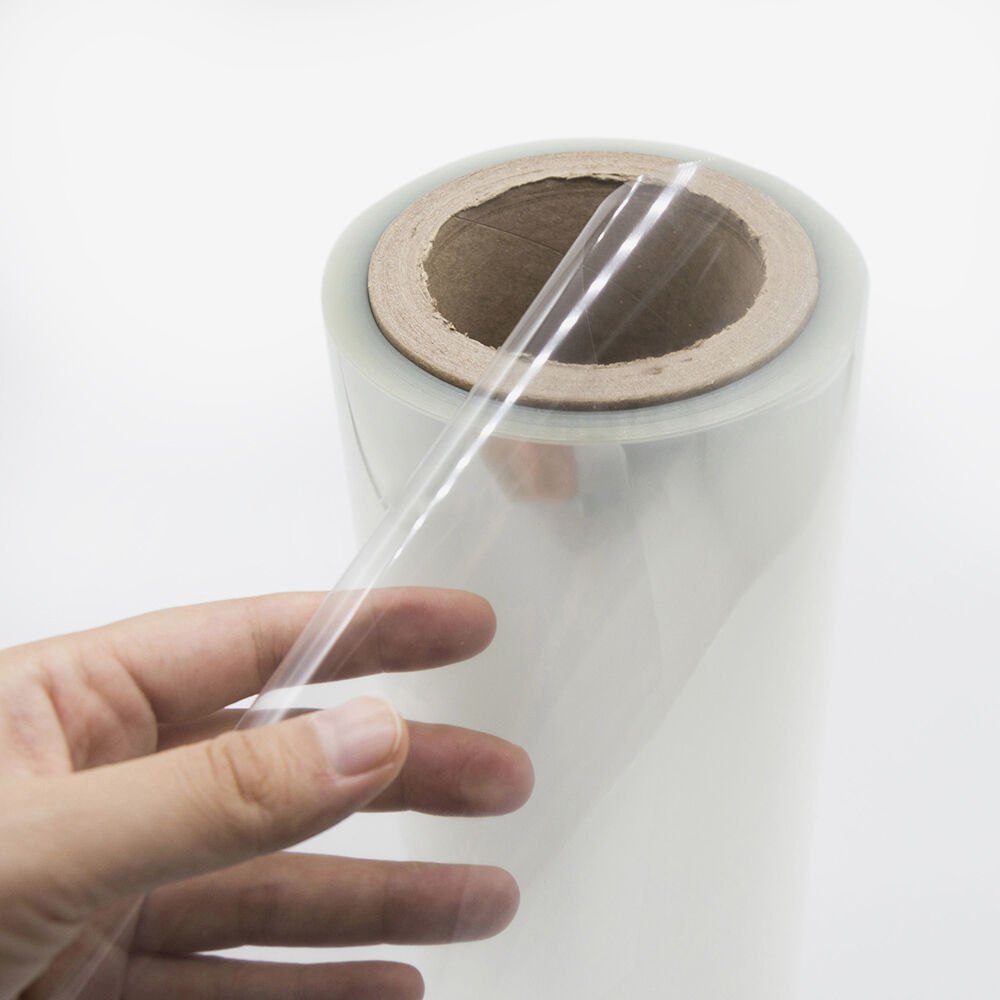
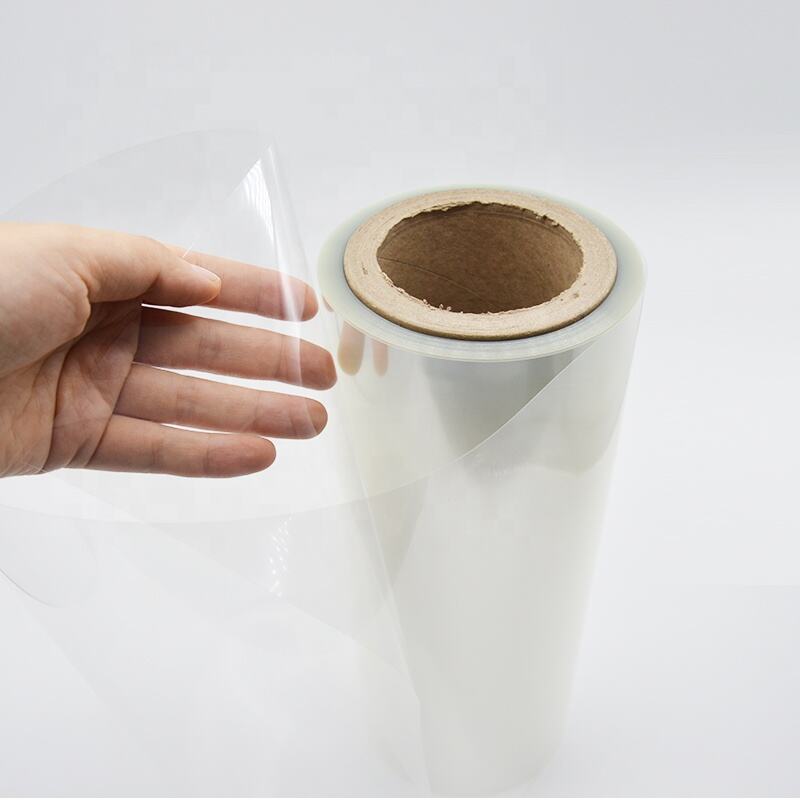
BOPET film manufacturers specialize in producing biaxially oriented polyethylene terephthalate films, which represent a critical segment of the flexible packaging and industrial materials industry. These manufacturers utilize advanced polymer processing technology to create thin, durable films that exhibit exceptional mechanical strength, thermal stability, and optical clarity. The manufacturing process involves extruding polyester resin into a thick film, which is then stretched simultaneously in both machine and transverse directions at precisely controlled temperatures. This biaxial orientation process fundamentally alters the molecular structure of the material, creating superior performance characteristics compared to unstretched films. BOPET film manufacturers serve diverse global markets including food packaging, pharmaceutical packaging, electronics, solar energy, imaging, labels, and industrial applications. Their production facilities typically incorporate multi-layer extrusion systems, precision stretching equipment, corona treatment stations, and advanced coating technologies to produce films with customized properties. Leading BOPET film manufacturers invest heavily in research and development to create specialized products such as heat-sealable films, metallizable grades, high-barrier formulations, and chemically treated surfaces. The manufacturing infrastructure requires substantial capital investment, technical expertise, and quality control systems to maintain consistency across production runs. Modern BOPET film manufacturers emphasize sustainability initiatives, implementing recycling programs and developing bio-based alternatives to traditional petroleum-derived polyester. They maintain rigorous certification standards including ISO quality management systems, food contact compliance, and environmental certifications. The global network of BOPET film manufacturers ranges from large multinational corporations with multiple production facilities to specialized regional producers focusing on niche applications. These manufacturers provide technical support, custom formulation services, and collaborative development partnerships with brand owners and converters who transform raw films into finished packaging products and industrial components.

New Products

Working with established BOPET film manufacturers delivers substantial practical benefits that directly impact your operational efficiency and product performance. First, you gain access to consistent material quality that eliminates production disruptions and reduces waste in your converting operations. Reliable manufacturers maintain strict process controls that ensure every roll of film meets your specifications for thickness tolerance, tensile strength, and surface properties. This consistency translates into fewer machine adjustments, reduced downtime, and predictable output quality. Second, experienced BOPET film manufacturers offer technical expertise that helps you optimize your application. Their engineers understand how film properties interact with different printing systems, lamination adhesives, coating technologies, and end-use requirements. This knowledge transfer accelerates your product development cycles and helps you avoid costly trial-and-error approaches. Third, established manufacturers provide supply chain stability through adequate inventory management, multiple production lines, and contingency planning. This reliability protects your business from material shortages that could halt production and disappoint customers. Fourth, you benefit from ongoing innovation as manufacturers invest in new formulations and processing techniques. These advancements give you competitive advantages through improved performance, cost reductions, or enhanced sustainability credentials. Fifth, reputable BOPET film manufacturers maintain comprehensive quality documentation and regulatory compliance records that simplify your due diligence requirements and support your own certification needs. This includes food contact declarations, RoHS compliance, REACH registration, and other regional regulatory frameworks. Sixth, working with manufacturers who operate at scale often provides cost advantages through efficient production economics, purchasing power for raw materials, and optimized logistics. These efficiencies can be partially transferred to customers through competitive pricing structures. Seventh, responsive customer service from BOPET film manufacturers ensures quick resolution of technical questions, order modifications, and quality concerns. Direct communication channels with production teams and technical specialists facilitate problem-solving and continuous improvement. Finally, forward-thinking manufacturers embrace sustainability through recycling initiatives, reduced carbon footprints, and development of recyclable or compostable alternatives, helping you meet your own environmental commitments and respond to consumer preferences for responsible packaging solutions.

Latest News

Why Do Factories Use PVC Sheet for Electronic Component Packaging?

24

Apr

Why Do Factories Use PVC Sheet for Electronic Component Packaging?

Electronic component packaging demands materials that combine protective performance with economic viability, and PVC sheet for electronic component packaging has become an industry standard for good reason. Factories worldwide rely on this versatile...
View More
How Is PC Sheet Used for Light Diffuser Panels in LED Lampshades?

03

Apr

How Is PC Sheet Used for Light Diffuser Panels in LED Lampshades?

Polycarbonate sheet technology has revolutionized the lighting industry by providing an optimal solution for light diffusion in LED lampshade applications. When manufacturers design LED lighting products, they face a critical challenge: converting po...
View More
How Is PVC Foam Board Used for Advertising Sign Boards in Indoor Displays?

05

May

How Is PVC Foam Board Used for Advertising Sign Boards in Indoor Displays?

Indoor advertising sign boards require materials that combine lightweight construction, visual clarity, and long-term durability without compromising design flexibility. PVC foam board has emerged as a preferred substrate for businesses seeking cost-...
View More
How Is Flexible PVC Film Used for Tablecloth Manufacturing Applications?

15

Apr

How Is Flexible PVC Film Used for Tablecloth Manufacturing Applications?

Flexible PVC film has become an indispensable material in the tablecloth manufacturing industry, offering manufacturers a versatile solution that combines durability, aesthetic appeal, and functional performance. This synthetic polymer material under...
View More

Get a Free Quote

Our representative will contact you soon.
Email
Name
Company Name
Mobile/WhatsApp
Message
0/1000

bopet film manufacturers

Advanced Manufacturing Technology and Quality Control Systems

Advanced Manufacturing Technology and Quality Control Systems

The technological sophistication of modern BOPET film manufacturers represents a fundamental advantage that directly impacts the performance and reliability of the films you receive. State-of-the-art manufacturing facilities employ sequential or simultaneous biaxial orientation processes that stretch molten polyester at precisely controlled temperatures and rates, typically ranging from 3 to 5 times in both machine and transverse directions. This molecular orientation creates crystalline structures that dramatically enhance mechanical properties including tensile strength exceeding 200 MPa, excellent dimensional stability even at elevated temperatures, and outstanding puncture resistance. Leading BOPET film manufacturers integrate real-time monitoring systems throughout production lines, utilizing infrared sensors, laser micrometers, and vision inspection systems to continuously measure thickness uniformity, optical properties, surface defects, and edge quality. These automated quality control systems detect deviations instantly, enabling immediate process adjustments that maintain specifications within tight tolerances. The manufacturing infrastructure includes clean room environments for sensitive applications, advanced filtration systems that remove contaminants, and temperature-controlled storage facilities that preserve film properties. Many manufacturers operate multiple production lines with different width capabilities and coating stations, providing flexibility to produce standard commodity grades alongside specialized custom formulations. The coating and treatment capabilities distinguish premium manufacturers, offering services such as corona discharge treatment to enhance surface energy for printing and lamination, acrylic or PVDC barrier coatings to reduce oxygen and moisture transmission, heat-seal coatings for direct sealability, and chemical treatments for specialized adhesion properties. Investment in cutting-edge extrusion systems with high-precision die technology ensures uniform melt distribution across the full web width, eliminating thickness variations that cause processing problems. The sophisticated process control software employed by advanced BOPET film manufacturers manages hundreds of parameters simultaneously, from polymer feed rates and temperature profiles to stretching ratios and cooling rates, ensuring reproducible results batch after batch. This technological excellence translates into films that run smoothly through your converting equipment, deliver consistent printing results, maintain structural integrity throughout distribution, and perform reliably in end-use applications.
Customization Capabilities and Technical Collaboration

Customization Capabilities and Technical Collaboration

The ability of BOPET film manufacturers to develop customized solutions tailored to specific application requirements represents a significant value proposition that generic commodity suppliers cannot match. Progressive manufacturers maintain dedicated research and development teams equipped with pilot-scale production equipment, analytical laboratories, and application testing facilities that enable rapid prototyping and formulation optimization. This technical infrastructure supports collaborative development partnerships where manufacturers work closely with customers to understand performance challenges, test potential solutions, and refine formulations through iterative improvement cycles. Customization begins with base polymer selection, where manufacturers can adjust intrinsic viscosity, crystallinity levels, and additive packages to optimize properties such as clarity, haze, gloss, slip characteristics, and antistatic behavior. The flexibility extends to thickness specifications, with capabilities ranging from ultra-thin films below 10 microns for specialized electronics applications to heavier gauge films exceeding 250 microns for industrial uses. Multi-layer coextrusion technology enables manufacturers to combine different polymer formulations within a single film structure, creating products with surface layers optimized for printability or heat-sealing while core layers provide structural integrity or barrier properties. Surface treatment customization addresses specific end-use requirements, with manufacturers offering various corona treatment levels measured in dynes per centimeter to achieve optimal surface energy for different ink systems, adhesives, or metallization processes. Custom coating formulations solve unique performance challenges such as enhanced barrier properties for extended shelf life, specific coefficient of friction ranges for improved machinability, antifogging properties for fresh produce packaging, or UV-blocking characteristics for light-sensitive products. BOPET film manufacturers with strong technical capabilities provide comprehensive testing services including mechanical property evaluation, optical measurements, barrier testing, thermal analysis, and surface characterization using techniques such as contact angle measurement, atomic force microscopy, and spectroscopic analysis. This analytical support helps customers understand film behavior and optimize their converting processes. The collaborative approach extends to application trials where manufacturers supply sample materials, provide technical guidance, and analyze results to refine specifications. This partnership model accelerates time-to-market for new products while minimizing development risks and costs.

Sustainability Initiatives and Environmental Responsibility

Sustainability Initiatives and Environmental Responsibility

Progressive BOPET film manufacturers increasingly prioritize environmental sustainability as a core business strategy, recognizing that responsible manufacturing practices and sustainable product offerings deliver substantial value to environmentally conscious customers and their end consumers. Comprehensive sustainability programs encompass multiple dimensions including raw material sourcing, production efficiency, waste reduction, recycling initiatives, and product innovation toward circular economy models. Leading manufacturers implement energy efficiency measures throughout their facilities, investing in heat recovery systems that capture waste thermal energy from stretching and cooling processes, upgrading to high-efficiency motors and drives, and optimizing production schedules to minimize energy consumption per unit output. Many facilities incorporate renewable energy sources such as solar installations or purchase renewable energy certificates to reduce their carbon footprint. Water conservation programs employ closed-loop cooling systems and advanced treatment processes that minimize freshwater consumption and prevent environmental contamination. Waste reduction initiatives focus on minimizing edge trim and production scrap, with many BOPET film manufacturers operating internal recycling systems that reprocess production waste back into usable polymer feedstock. These closed-loop systems prevent valuable materials from reaching landfills while reducing raw material costs. Forward-thinking manufacturers actively participate in post-consumer recycling infrastructure development, supporting collection programs and investing in technologies that enable effective recycling of BOPET films from packaging waste streams. Product innovation emphasizes recyclability through monomaterial structures that eliminate mixed polymer layers which complicate recycling, developing films compatible with existing PET bottle recycling streams, and creating products that maintain performance with increased recycled content percentages. Some manufacturers explore bio-based alternatives derived from renewable feedstocks rather than petroleum, offering partial or complete replacement of fossil carbon with plant-based carbon sources. Transparency represents another sustainability dimension, with responsible manufacturers providing detailed environmental product declarations, carbon footprint calculations, and lifecycle assessment data that enable customers to make informed decisions and communicate environmental benefits to their stakeholders. Third-party certifications such as ISO 14001 environmental management systems, sustainable forestry certifications for paper-backed grades, and various eco-labels demonstrate commitment to verifiable environmental standards. These comprehensive sustainability initiatives help customers meet their own environmental goals, respond to regulatory requirements such as extended producer responsibility mandates, differentiate products in competitive markets, and align with consumer preferences for environmentally responsible packaging solutions.

Get a Free Quote

Our representative will contact you soon.
Email
Name
Company Name
Mobile/WhatsApp
Message
0/1000