wholesale petg sheets
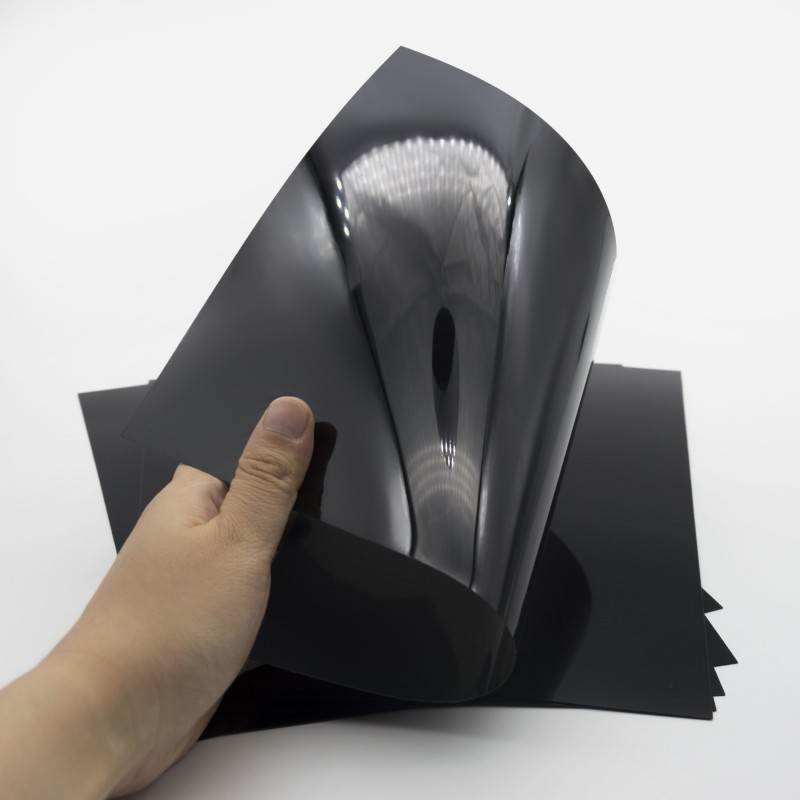
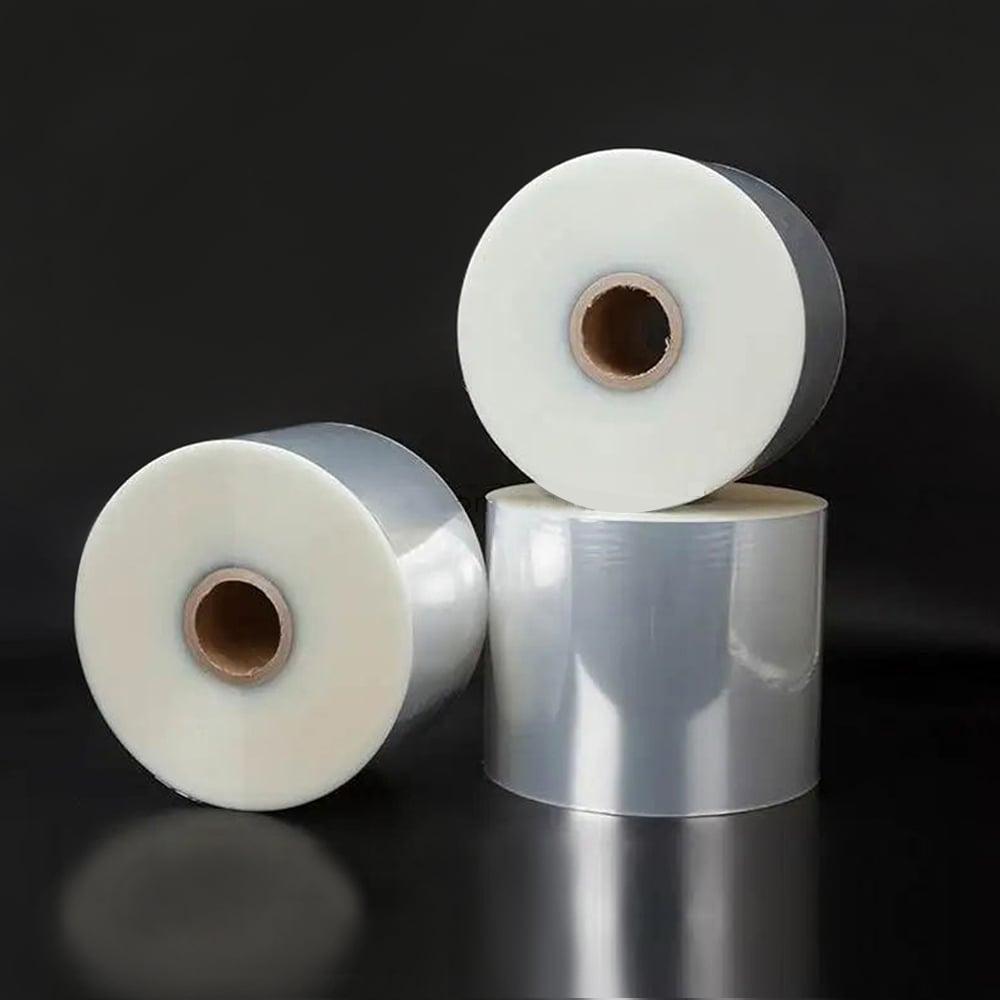
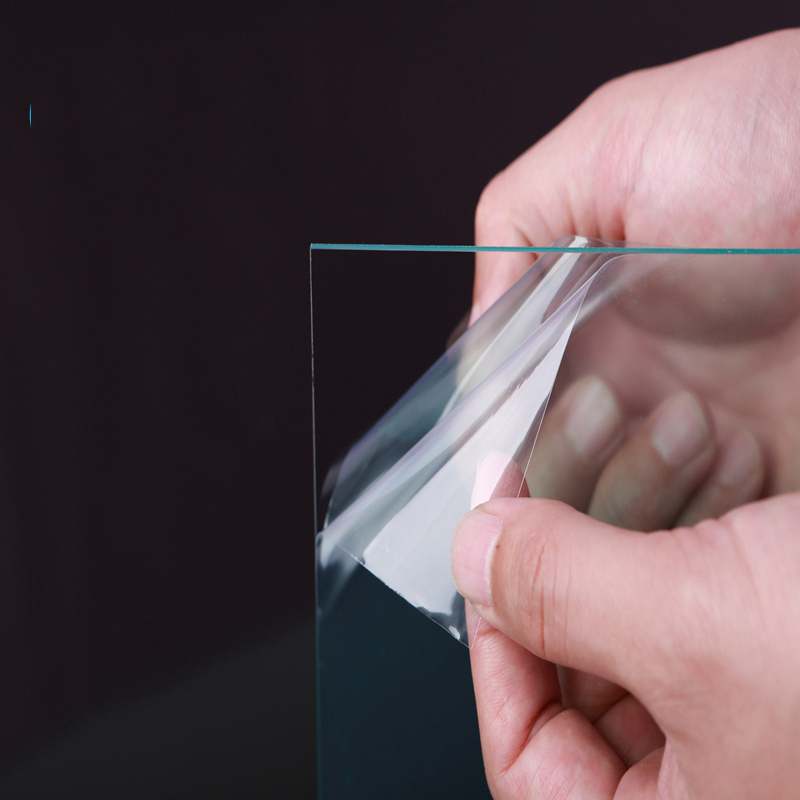
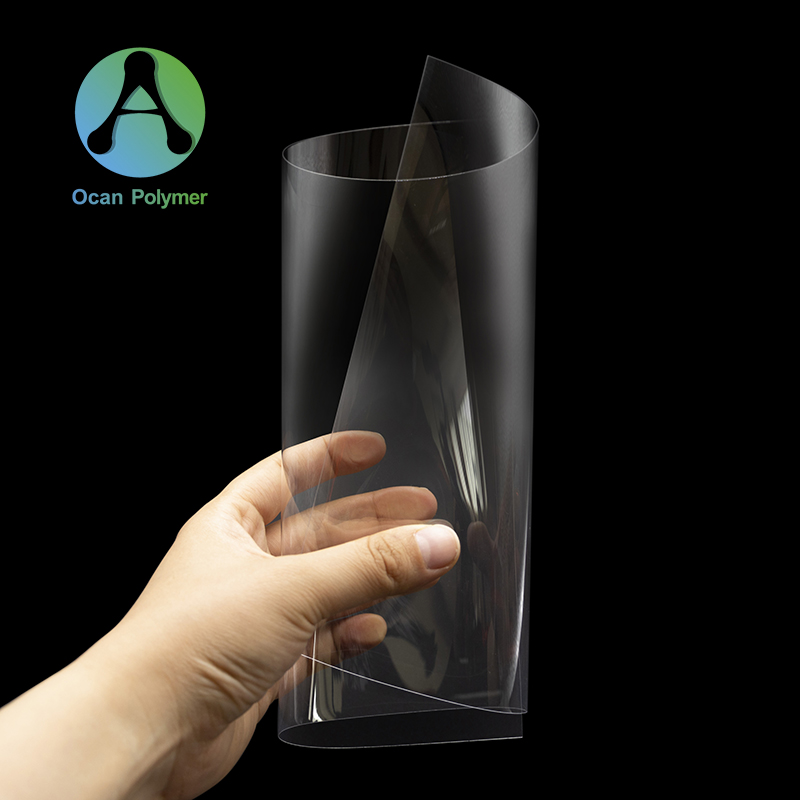
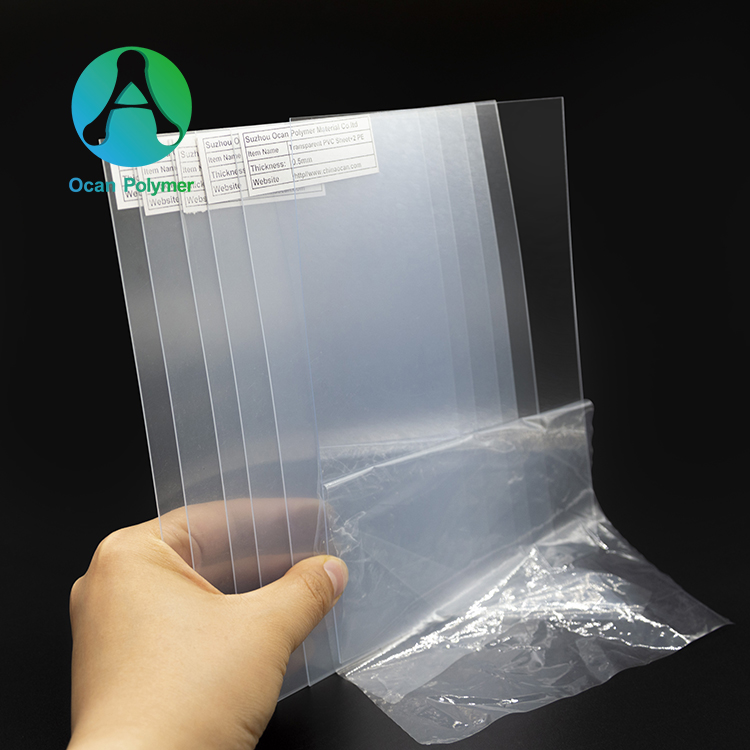
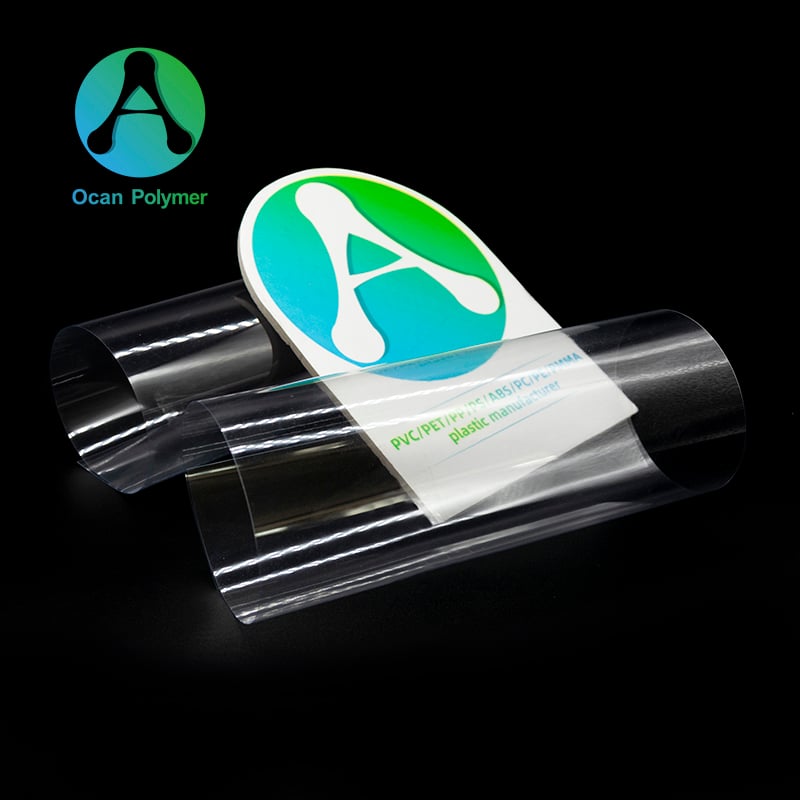
Ocan's wholesale petg sheets production meets RoHS and REACH requirements, producing 0.2–3mm PETG for thermoforming and printing. PETG, which stands for Polyethylene Terephthalate Glycol-modified, is engineered through a specialized manufacturing process that incorporates glycol modification to enhance its performance characteristics. These sheets offer exceptional clarity, outstanding impact resistance, and superior chemical stability, positioning them as a preferred material solution across multiple sectors. The main functions of wholesale PETG sheets include protective glazing, fabrication components, signage substrates, machine guards, display fixtures, and medical equipment housing. Their technological features encompass excellent thermoforming capabilities, allowing manufacturers to create complex shapes and designs with precision. The material exhibits remarkable dimensional stability across varying temperature ranges, maintaining its structural integrity even under challenging environmental conditions. Wholesale PETG sheets demonstrate impressive UV resistance, preventing yellowing and degradation when exposed to sunlight over extended periods. The material's inherent toughness provides superior shatter resistance compared to traditional glass or acrylic alternatives, making it safer for applications where human contact is likely. These sheets are available in various thicknesses, sizes, and finishes to accommodate specific project requirements. Applications span retail environments where product displays demand both aesthetic appeal and durability, food service industries requiring FDA-compliant materials, healthcare facilities needing sterilizable components, and manufacturing operations utilizing protective barriers. The wholesale purchasing option enables businesses to secure cost-effective pricing while maintaining consistent material quality across large-scale projects. PETG sheets can be easily cut, drilled, and formed using standard workshop equipment, facilitating efficient production workflows. Their chemical resistance makes them suitable for environments exposed to cleaning agents, oils, and mild acids, ensuring longevity in demanding settings where material degradation would compromise functionality and safety standards.
 EN