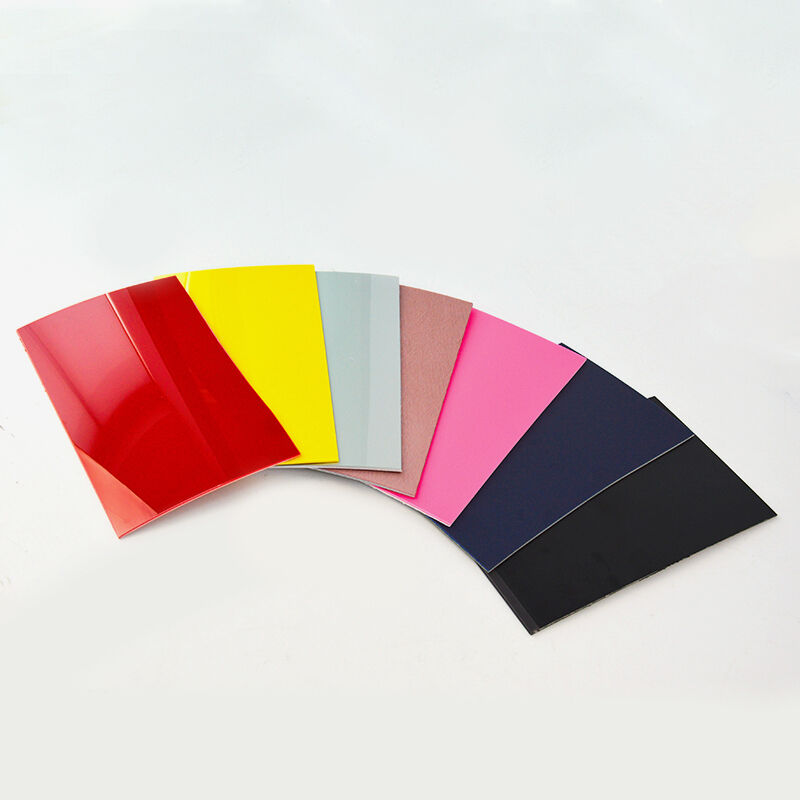
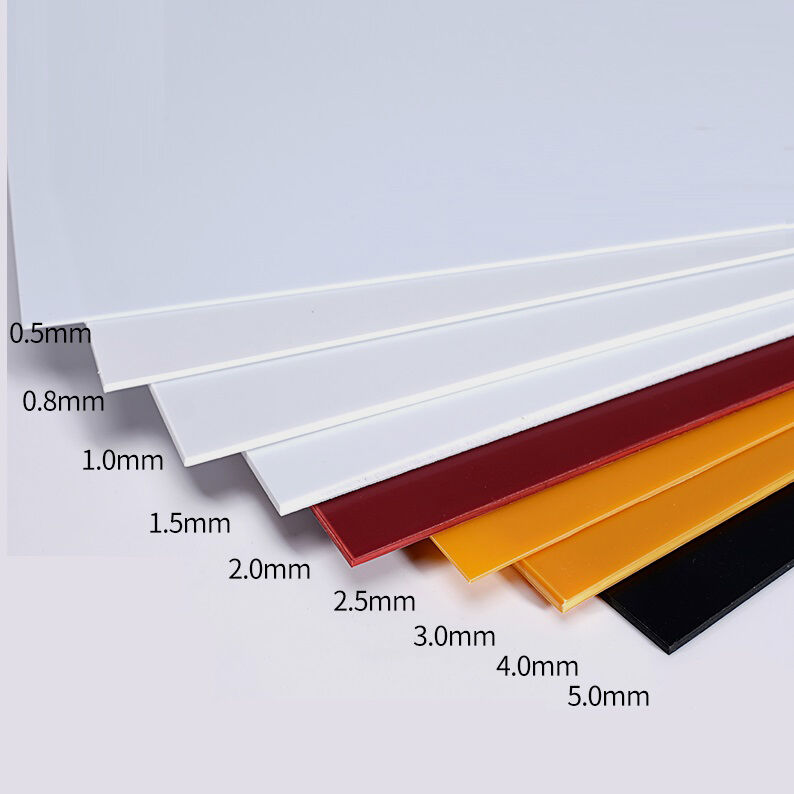
ABS Sheet: Durable Thermoplastic Sheeting for Manufacturing and Fabrication Applications

Get a Free Quote

Our representative will contact you soon.
Email
Name
Company Name
Mobile/WhatsApp
Message
0/1000

abs sheet

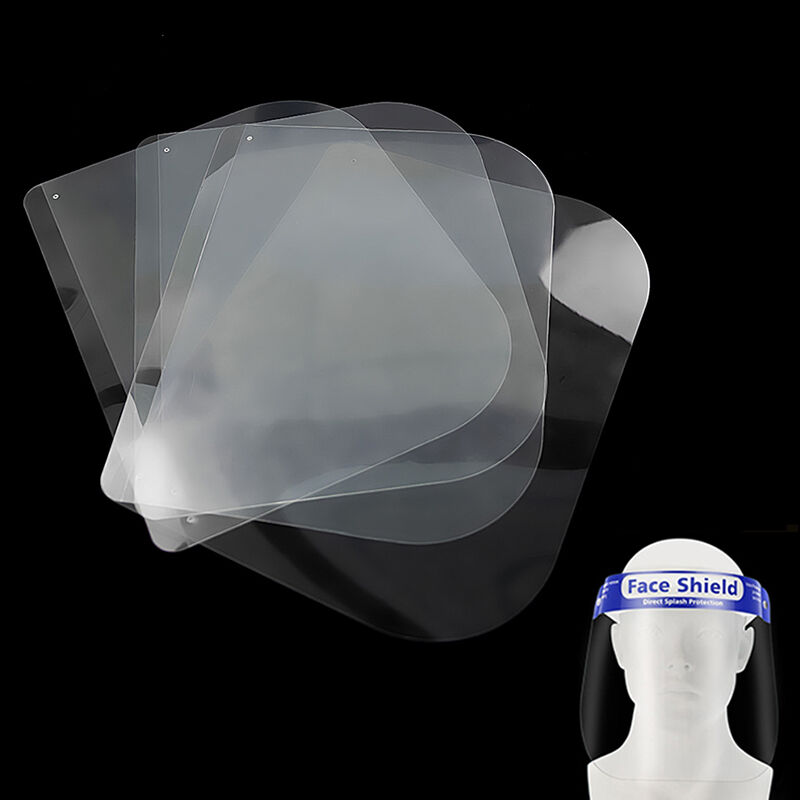
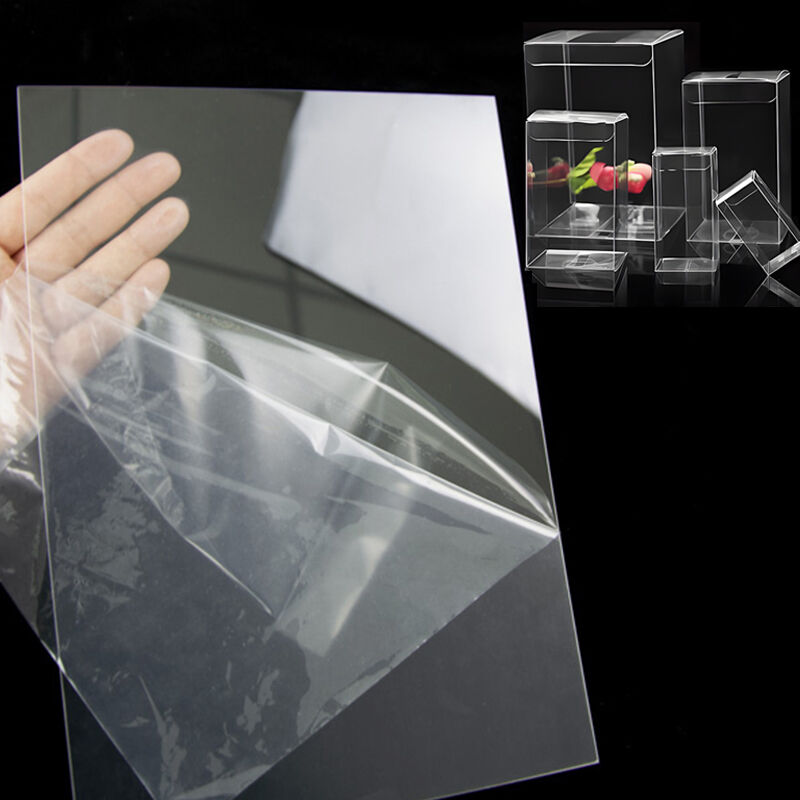
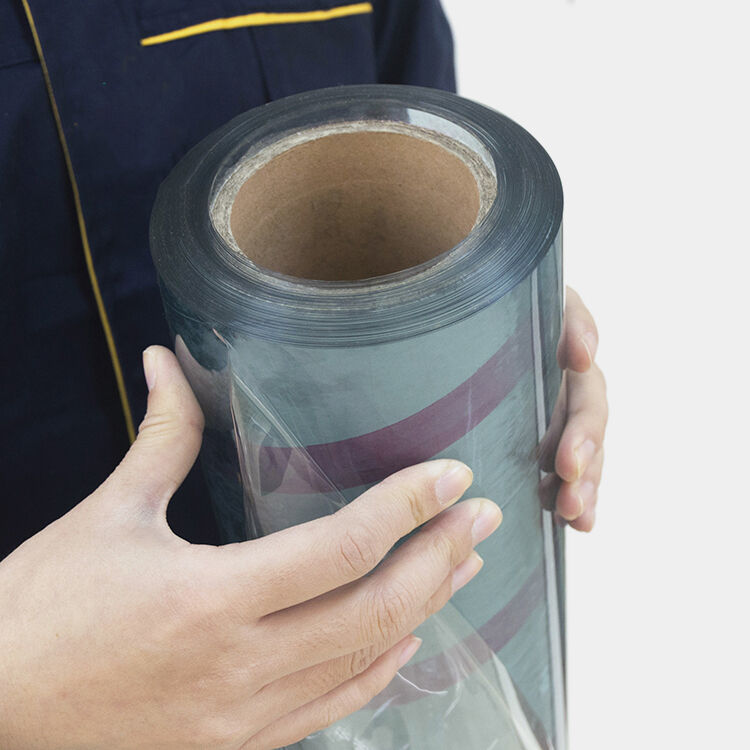
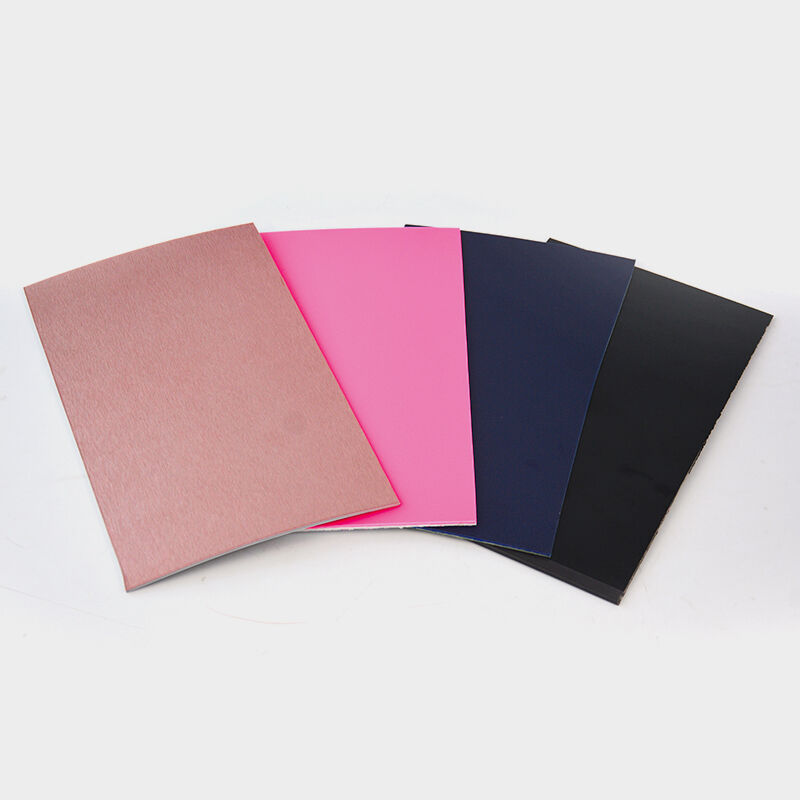
ABS sheet represents a versatile thermoplastic material that has become indispensable across numerous manufacturing sectors worldwide. This engineered plastic sheeting combines acrylonitrile, butadiene, and styrene polymers through an advanced polymerization process, resulting in a material that delivers exceptional performance characteristics. The abs sheet manufacturing process involves precise chemical formulation and controlled production techniques that ensure consistent quality and reliable mechanical properties. As a rigid thermoplastic material, abs sheet offers manufacturers a practical solution for applications requiring durability, dimensional stability, and ease of fabrication. The primary functions of abs sheet include providing structural support, impact resistance, and protective barriers in diverse industrial and commercial applications. Its technological features encompass excellent machinability, allowing for cutting, drilling, bending, and thermoforming without compromising material integrity. The abs sheet exhibits remarkable chemical resistance against many common substances, including acids, alkalis, and various organic solvents, making it suitable for challenging environmental conditions. Temperature stability remains consistent across a wide operational range, typically from negative forty degrees to positive eighty degrees Celsius, ensuring reliable performance in varying climates. Applications for abs sheet span automotive interior components, electronic equipment housings, refrigerator liners, luggage manufacturing, point-of-sale displays, protective equipment, architectural modeling, and signage production. The material demonstrates superior surface finish quality, accepting paint, adhesives, and printing processes with excellent adhesion properties. Manufacturing industries appreciate how abs sheet maintains dimensional accuracy during fabrication, reducing waste and improving production efficiency. The sheet format provides convenient handling and storage compared to alternative material forms, streamlining inventory management and logistics operations. With its balanced combination of strength, aesthetics, and processing versatility, abs sheet continues to be a preferred material choice for engineers, designers, and manufacturers seeking dependable thermoplastic solutions for contemporary product development challenges across global markets.

New Products

Choosing abs sheet for your manufacturing projects delivers numerous practical benefits that directly impact your production efficiency and product quality. The material provides outstanding impact resistance, meaning your finished products can withstand accidental drops, collisions, and rough handling during shipping and daily use without cracking or breaking. This durability translates to fewer customer complaints, reduced warranty claims, and enhanced brand reputation in competitive markets. The excellent formability of abs sheet allows manufacturers to create complex shapes and contours through thermoforming processes, opening creative possibilities for product design while maintaining structural integrity. You can achieve tight tolerances and precise dimensions consistently, which proves especially valuable for components requiring exact fitting or assembly with other parts. Cost efficiency represents another significant advantage, as abs sheet offers an attractive balance between performance and price compared to more expensive engineering plastics. Your purchasing department will appreciate the material's widespread availability and competitive pricing structure, which helps control project budgets without sacrificing quality standards. The lightweight nature of abs sheet reduces shipping costs and makes handling easier for workers during fabrication and installation processes. Processing versatility means your existing equipment can likely work with abs sheet without requiring specialized machinery investments, lowering barriers to adoption. The material bonds readily with adhesives and solvents, facilitating efficient assembly operations and repair procedures when necessary. Surface quality comes naturally with abs sheet, delivering smooth, aesthetically pleasing finishes that accept painting, printing, and lamination with minimal surface preparation. This characteristic reduces finishing costs and accelerates production timelines for decorated or branded products. Maintenance requirements remain minimal, as abs sheet resists common cleaning chemicals and maintains appearance over extended service periods. The material does not absorb moisture significantly, preventing dimensional changes or degradation in humid environments that plague some alternative materials. Recycling capabilities align with growing environmental consciousness, as abs sheet can be reprocessed and repurposed, supporting sustainability initiatives within your organization. Electrical insulation properties provide safety benefits for electronic enclosures and components, protecting sensitive circuitry and users simultaneously. The consistent quality available from established suppliers ensures batch-to-batch reliability, eliminating production disruptions caused by material variability. Your quality control processes become more predictable and manageable with abs sheet, reducing inspection time and rejection rates on the production floor.

Tips And Tricks

How Does PC Sheet Perform in ID Card Base Material Applications?

10

Apr

How Does PC Sheet Perform in ID Card Base Material Applications?

The identity card manufacturing industry demands base materials that deliver exceptional durability, optical clarity, and printability while maintaining consistent performance across millions of production cycles. PC sheet has emerged as a preferred ...
View More
How Is PC Sheet Used for Light Diffuser Panels in LED Lampshades?

03

Apr

How Is PC Sheet Used for Light Diffuser Panels in LED Lampshades?

Polycarbonate sheet technology has revolutionized the lighting industry by providing an optimal solution for light diffusion in LED lampshade applications. When manufacturers design LED lighting products, they face a critical challenge: converting po...
View More
How Is PVC Foam Board Used for Advertising Sign Boards in Indoor Displays?

05

May

How Is PVC Foam Board Used for Advertising Sign Boards in Indoor Displays?

Indoor advertising sign boards require materials that combine lightweight construction, visual clarity, and long-term durability without compromising design flexibility. PVC foam board has emerged as a preferred substrate for businesses seeking cost-...
View More
How Is Flexible PVC Film Used for Tablecloth Manufacturing Applications?

15

Apr

How Is Flexible PVC Film Used for Tablecloth Manufacturing Applications?

Flexible PVC film has become an indispensable material in the tablecloth manufacturing industry, offering manufacturers a versatile solution that combines durability, aesthetic appeal, and functional performance. This synthetic polymer material under...
View More

Get a Free Quote

Our representative will contact you soon.
Email
Name
Company Name
Mobile/WhatsApp
Message
0/1000

abs sheet

Exceptional Impact Strength and Durability for Long-Lasting Performance

Exceptional Impact Strength and Durability for Long-Lasting Performance

The remarkable impact strength of abs sheet stands as one of its most valuable characteristics for manufacturers and end users alike. This thermoplastic material demonstrates superior resistance to sudden shocks and repetitive stress that would cause brittle materials to fail catastrophically. The molecular structure of abs sheet incorporates butadiene rubber particles dispersed throughout the rigid acrylonitrile-styrene matrix, creating a two-phase system that absorbs and dissipates impact energy effectively. When external force strikes abs sheet, the rubber particles deform elastically, preventing crack propagation through the material and maintaining structural integrity even under severe conditions. This engineering approach delivers toughness levels significantly exceeding standard polystyrene while preserving excellent rigidity for structural applications. Manufacturers producing protective equipment, transportation components, or consumer goods benefit enormously from this durability, as products made from abs sheet withstand the inevitable bumps, drops, and accidents encountered during normal use. The material performs reliably across temperature ranges commonly experienced in automotive, outdoor, and industrial environments, maintaining impact resistance even in moderately cold conditions where some plastics become dangerously brittle. Real-world applications demonstrate this advantage convincingly, with abs sheet serving effectively in luggage shells that survive baggage handling systems, automotive interior trim that endures years of door closures and passenger contact, and electronic enclosures protecting expensive components from workshop accidents. Product designers gain creative freedom knowing that abs sheet components provide inherent protection without requiring additional reinforcement structures that add weight, complexity, and cost to assemblies. The longevity delivered by abs sheet durability generates economic value throughout product lifecycles, reducing replacement frequency and associated labor costs for maintenance operations. Consumer satisfaction increases when products remain functional and attractive despite regular use and occasional mishandling, building brand loyalty and positive reputation in competitive markets. Testing standards confirm that abs sheet consistently meets or exceeds impact resistance specifications, providing engineers with reliable data for design calculations and safety certifications. This predictable performance eliminates uncertainty during product development, accelerating time-to-market for new offerings while maintaining confidence in field reliability.
Superior Fabrication Versatility Enabling Efficient Manufacturing Processes

Superior Fabrication Versatility Enabling Efficient Manufacturing Processes

The exceptional fabrication versatility of abs sheet empowers manufacturers to implement efficient production methods tailored to specific application requirements and volume considerations. This thermoplastic material responds excellently to conventional machining operations including sawing, drilling, routing, and milling, allowing fabricators to create precise features using standard workshop equipment without specialized tooling investments. The material machines cleanly with sharp tools, producing smooth edges and accurate dimensions that often require minimal finishing operations before assembly or coating processes. Thermoforming capabilities represent a particularly valuable attribute, as abs sheet softens uniformly when heated to forming temperatures, enabling production of complex three-dimensional shapes through vacuum forming, pressure forming, or drape forming techniques. Manufacturers can create deep draws and intricate contours that would prove difficult or impossible with metalworking processes, opening design possibilities for aerodynamic housings, ergonomic enclosures, and aesthetically appealing consumer products. The material exhibits excellent memory during forming operations, maintaining dimensional stability after cooling and demonstrating minimal warping or distortion that could compromise fit and finish quality. Joining methods for abs sheet include solvent bonding, adhesive bonding, ultrasonic welding, and mechanical fastening, providing fabricators with multiple options suited to production volume, joint strength requirements, and aesthetic considerations. Solvent cementing creates particularly strong bonds by slightly dissolving mating surfaces and allowing polymer chains to intermingle, producing joints that often exceed the strength of surrounding base material. This bonding capability facilitates efficient assembly of complex structures from multiple components without visible fasteners that might detract from product appearance. The abs sheet accepts secondary operations such as printing, painting, vacuum metallizing, and texture application with excellent adhesion and durability, enabling customization and branding without compromising underlying material properties. Surface preparation requirements remain minimal compared to polyolefins that require chemical treatment or flame treatment before decoration processes. Manufacturers appreciate how abs sheet maintains consistent processing characteristics across production runs, reducing setup time and scrap rates associated with material variability. The economic implications of this fabrication versatility prove substantial, as manufacturers can optimize production methods for cost efficiency while maintaining quality standards that satisfy customer expectations and regulatory requirements across diverse market segments.
Outstanding Chemical Resistance and Environmental Stability for Demanding Applications

Outstanding Chemical Resistance and Environmental Stability for Demanding Applications

The chemical resistance and environmental stability of abs sheet make it particularly suitable for applications exposed to challenging substances and varying atmospheric conditions encountered in industrial, commercial, and consumer environments. This thermoplastic material demonstrates excellent resistance to aqueous solutions including acids and alkalis across moderate concentration ranges, protecting component integrity when contact with cleaning agents, process chemicals, or environmental contaminants occurs during service life. The molecular structure of abs sheet provides inherent resistance to many organic compounds, though compatibility should be verified for specific aggressive solvents or sustained exposure scenarios. Manufacturers producing equipment for laboratories, chemical processing facilities, food service operations, and healthcare environments rely on abs sheet to maintain functionality and appearance despite routine exposure to disinfectants, sanitizers, and cleaning solutions that would degrade less resistant materials. The material resists moisture absorption effectively, exhibiting dimensional stability in humid environments where hygroscopic materials swell and lose mechanical properties or dimensional accuracy. This characteristic proves essential for precision components requiring consistent fit and performance regardless of seasonal humidity variations or geographical deployment locations. Outdoor applications benefit from the ultraviolet stabilization available in specially formulated abs sheet grades, which incorporate additives that absorb harmful radiation and prevent the photodegradation that causes discoloration, surface chalking, and mechanical property deterioration in unprotected plastics. Temperature stability across the typical service range ensures that abs sheet components maintain mechanical properties, dimensions, and appearance whether installed in cold storage facilities, standard office environments, or moderately heated industrial spaces. The material does not support microbial growth, making it appropriate for food contact applications and medical environments where hygiene standards prohibit materials that harbor bacteria or fungi. Cleaning and maintenance procedures remain straightforward, as abs sheet tolerates common sanitizing protocols without surface damage or property degradation that would shorten service life. Manufacturers appreciate how this chemical resistance translates to reduced maintenance costs and extended replacement intervals for installed components, improving total cost of ownership calculations for capital equipment and infrastructure projects. The environmental stability of abs sheet contributes to predictable product performance throughout design service life, reducing warranty exposure and supporting long-term customer satisfaction. Engineers can specify abs sheet with confidence for applications requiring material reliability despite exposure to chemicals, temperature fluctuations, and atmospheric conditions that challenge less robust thermoplastic alternatives in contemporary industrial and commercial installations.

Get a Free Quote

Our representative will contact you soon.
Email
Name
Company Name
Mobile/WhatsApp
Message
0/1000