 EN
EN

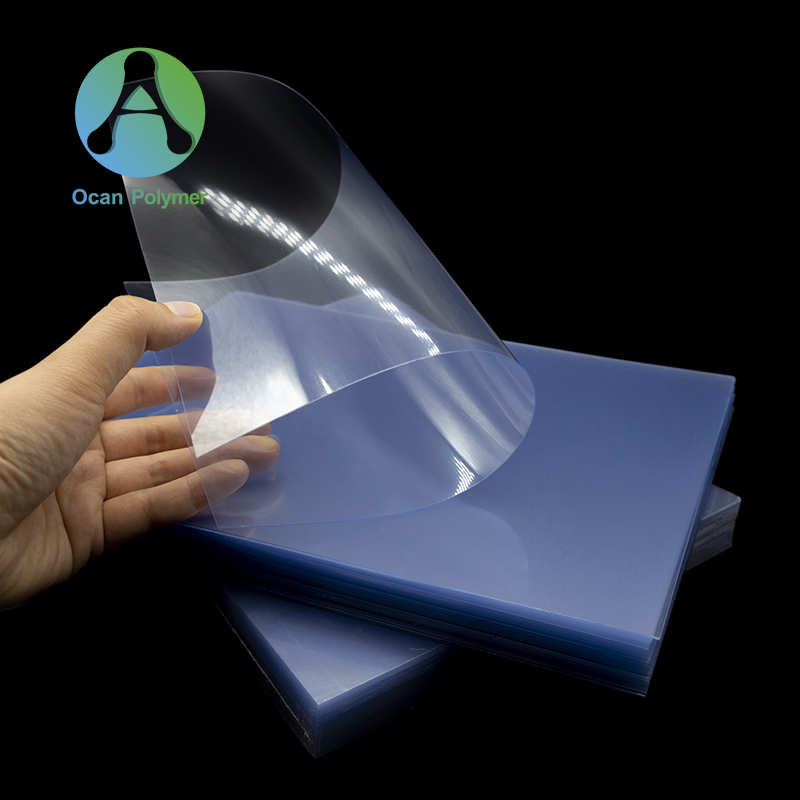
Kapag ang usapan ay tungkol sa paggawa ng mataas na kalidad na advertising card, ang pagpili ng substrate material ay naglalaro ng mahalagang papel sa panghuling resulta. Ang isang Pvc sheet ay naging isa sa mga pinakalaganap na ginagamit na materyales sa industriya ng komersyal na pagpi-print, lalo na para sa mga aplikasyon ng screen printing. Ang kanyang natatanging kombinasyon ng surface stability, chemical compatibility, at dimensional consistency ang gumagawa rito bilang piniling materyal ng mga printer at brand manager na nangangailangan ng maaasahang at paulit-ulit na output sa mga advertising card.
Ang pag-unawa kung paano isinusuportahan ng isang PVC sheet ang proseso ng screen printing ay nangangailangan ng pagsusuri sa parehong mekanikal at kemikal na interaksyon na nangyayari habang nagpaprint. Mula sa pagdikit ng tinta hanggang sa kawastuhan ng pagkakalagay (registration), bawat yugto ng screen printing sa mga advertising card ay naaapektuhan ng mga katangian ng ginagamit na PVC sheet. Ang artikulong ito ay binabahagi ang mga pangunahing mekanismo, praktikal na konsiderasyon, at mga kadahilanan sa pagganap na ipinaliliwanag kung bakit nananatiling pinakasikat na substrate ang PVC sheet para sa aplikasyong ito.

Ang Tungkulin ng mga Katangian ng Ibabaw sa Screen Printing sa Pvc sheet
Kaginhawahan ng Ibabaw at Paglalagay ng Tinta
Ang isa sa pinakamahalagang kadahilanan sa screen printing ay kung gaano kabilis at pantay ang paglipat ng tinta mula sa mesh patungo sa substrate. Ang isang PVC sheet na may konsistenteng makinis na ibabaw ay nagpapahintulot sa squeegee na ilagay ang tinta sa isang pantay na layer nang walang mga butas o guhit. Mahalaga ito lalo na sa mga advertising card, kung saan ang malinaw na mga gilid, maliit na teksto, at mga gradient fill ay kailangang maulit nang tumpak sa buong malaking batch ng pagpi-print.
Ang ibabaw ng isang PVC sheet ay dinisenyo upang mabawasan ang mga pagkakaiba sa mikro-textura na maaaring makagambala sa daloy ng tinta. Kapag sobrang rugado ang ibabaw, maaaring mag-umpol ang tinta nang hindi pantay, na nagdudulot ng malabo o hindi malinaw na mga gilid o hindi pare-parehong density ng kulay. Kapag naman sobrang makinis ito, maaaring maging problema ang pagdikit. Ang isang maayos na nakakalibradong PVC sheet ay nagtataglay ng tamang balanse, na nagbibigay ng sapat na surface energy upang pigilan ang solvent-based o UV-curable na tinta mula sa pagkalat o pagbubuga.
Para sa mga advertising card na may mga logo ng brand, promosyonal na teksto, o mga imahe mula sa litrato, ang antas ng kontrol sa ibabaw na ito ay direktang nakaaapekto sa kalidad ng pagpi-print. Ang mga printer na gumagamit ng PVC sheet ay konstanteng nag-uulat ng mas malinis na reproduksyon ng mga dot at mas mahuhulaan na pagkakapareho ng kulay kumpara sa mga substrate na papel o composite.
Mga Frosted at Matte na Hugis para sa Espesyal na Epekto sa Pagpi-print
Bukod sa mga karaniwang makinis na ibabaw, ang PVC sheet ay magagamit din sa mga frosted at matte na bersyon nito na nagbubukas ng karagdagang kreatibong posibilidad para sa produksyon ng advertising card. Ang frosted na PVC sheet ay nagdidisperse ng liwanag sa paraan na binabawasan ang glare, kaya't ang mga nakaimprentang kulay ay lumilitaw na mas malambot at mas napinong. Ito ay lalo pang pinahahalagahan sa mga premium na aplikasyon ng card tulad ng membership cards, loyalty cards, at event passes.
Ang mga ibabaw ng matte na PVC sheet ay sumusorbo ng mas kaunti na reflection ng liwanag, na nagpapabuti ng pagbabasa sa mga madilim na kapaligiran. Para sa mga advertising card na ipapakita sa mga retail setting o ipapamahagi sa mga outdoor event, ang matte na PVC sheet ay nagsisiguro na mananatiling madaling basahin ang nakaimprentang mensahe anuman ang kondisyon ng ilaw. Ang screen printing sa mga ganitong ibabaw ay nangangailangan ng bahagyang nabago na ink viscosity at squeegee pressure, ngunit ang mga resulta ay konstanteng tumutugon sa mga inaasahan ng high-end na advertising applications.
Ang pagkakaroon ng iba't ibang uri ng surface finish sa loob ng kategorya ng PVC sheet ay nagbibigay ng kakayahang umangkop sa mga print buyer at designer upang i-match ang substrate sa ninanais na gamit nito nang hindi kinakailangang lumipat sa isang ganap na ibang pamilya ng materyales.
Katatagan sa Sukat at Katumpakan sa Pagre-register
Bakit Mahalaga ang Patag na Ibabaw sa Screen Printing na may Maraming Kulay
Ang screen printing ng mga advertising card ay kadalasang nangangailangan ng maraming pagdaan sa press, kung saan ang bawat pagdaan ay naglalagay ng iba't ibang layer ng kulay. Upang ang panghuling imahe ay ma-align nang tama, ang substrate ay dapat manatiling perpektong patag at katatag sa sukat sa pagitan ng bawat pagdaan. Ang PVC sheet ay lubos na epektibo sa aspetong ito dahil hindi ito sumisipsip ng kahalumigmigan mula sa kapaligiran, na karaniwang sanhi ng pagpapalingkod (warping) at pagbabago sa sukat sa mga substrate na gawa sa papel.
Kapag nababaluktot o lumalawak ang isang substrate sa pagitan ng mga pagpaprint, nagkakaroon ng mga error sa pagreregistro. Ang mga error na ito ay lumilitaw bilang di-pantay na pagkakasunod-sunod ng kulay, nabubulag na mga gilid, o mga nakikitang puwang sa pagitan ng mga zona ng kulay. Sa produksyon ng mga advertising card, kung saan ang mga toleransya ay mahigpit at ang pagkakapare-pareho ng brand ay hindi pwedeng kompromisahin, maaaring magresulta ang anumang maliit na error sa pagreregistro sa pagre-reject ng buong batch. Ang pagkakapare-pareho ng sukat ng PVC sheet ay inaalis ang variable na ito, na nagpapahintulot sa mga printer na mapanatili ang mahigpit na pagreregistro sa daan-daang o libu-libong card.
Ang katatagan na ito ay hindi lamang isang katangian ng materyal mismo kundi pati na rin ng paraan kung paano ginagawa ang PVC sheet. Ang pare-parehong kapal sa buong sheet ay nagsisiguro na ang squeegee ay naglalapat ng pantay na presyon sa bawat punto, na higit na sumusuporta sa tumpak na pagdeposito ng tinta at pag-i-layer ng kulay.
Pare-parehong Kapal at ang Epekto Nito sa Pagkakapare-pareho ng Print
Ang isang sheet ng PVC na ginagamit sa produksyon ng mga card para sa advertising ay karaniwang available sa iba't ibang kapal, kadalasan mula 0.5 mm hanggang 6 mm depende sa aplikasyon. Para sa screen printing, ang mas manipis na mga gauge na nasa hanay na 0.5 mm hanggang 1 mm ang pinakakaraniwan, dahil nagpapadali ito ng epektibong paghawak sa mga flatbed at rotary screen printing equipment.
Ang pagkakapareho ng kapal sa loob ng isang solong sheet ng PVC ay kasing-importante ng pagtutukoy sa nominal na kapal. Kung ang isang sheet ay may mga lokal na manipis na bahagi o makapal na mga zona, magbabago ang presyon ng squeegee sa buong lugar ng pagpi-print, na magdudulot ng hindi pantay na paglipat ng tinta. Ang mga reputable na produkto ng PVC sheet ay ginagawa gamit ang mahigpit na toleransya sa kapal, kadalasan sa loob ng plus o minus 0.05 mm, upang matiyak na ang bawat card sa isang production run ay tumatanggap ng parehong kalidad ng print.
Para sa mga advertising card na i-die-cut pagkatapos ng pagpi-print, ang pare-parehong kapal ay nagsisiguro rin na ang mga kagamitan sa pagputol ay gumagana nang maayos, kaya nababawasan ang basura at nadadagdagan ang kalidad ng mga gilid. Ang pagsasama ng dimensional stability at pare-parehong kapal ay ginagawa ang PVC sheet na isang lubhang maaasahang substrate para sa mga propesyonal na screen printing workflow.
Pagdikit ng Tinta at Pagkakatugma sa Kemikal
Paano Nakikipag-ugnayan ang PVC Sheet sa mga Screen Printing Ink
Ang kemikal na istruktura ng PVC sheet ay likas na sumasabay sa iba’t ibang uri ng screen printing ink, kabilang ang mga solvent-based, plastisol, at UV-curable na pormulasyon. Ang polymer na ibabaw ng PVC sheet ay nagbibigay ng sapat na polarity upang ang mga ink binder ay makabuo ng matibay na mekanikal at kemikal na ugnayan habang tinatapos o iniiinom ang tinta. Ang ugnayang ito ang nagsasabi kung gaano katagal ang pagtibay ng naimprentang imahe sa mga advertising card.
Ang mga tinta na may solvent ay partikular na epektibo sa PVC sheet dahil ang bahagi ng solvent ay bahagyang pinapahina ang surface layer habang inaaplay, na nagpapahintulot sa pigment at binder ng tinta na pumasok at kumapit sa substrate. Kapag na-evaporate na ang solvent, ang tinta ay naging bahagi na ng surface imbes na simpleng nakapatong lamang dito. Ang resulta ay mga advertising card na may print na tumutol sa pagkaskra, pagkasmear, at pagkabulok sa ilalim ng karaniwang paggamit.
Ang mga UV-curable na tinta ay nag-aalok ng ibang mekanismo ngunit katumbas na angkop para sa PVC sheet. Kapag inilantad sa liwanag ng UV, ang mga tinta na ito ay agad na nangangalawang (polymerize), na bumubuo ng matigas at matatag na film sa ibabaw ng PVC sheet. Ang resulta ay isang print na tumutol sa abrasion at pagkakalantad sa kemikal, na mahalaga para sa mga advertising card na madalas gamitin o ilalantad sa outdoor na kondisyon.
Mga Opsyon sa Pagtrato ng Surface para sa Mas Mahusay na Adhesion
Kahit na ang PVC sheet ay may likas na magandang pagkakasundo sa tinta, ang ilang aplikasyon ay kumikinabang mula sa karagdagang paghahanda ng ibabaw upang maksimisinhin ang pagdikit. Ang corona treatment ay isa sa pinakakaraniwang paraan, na kinasasangkot ang paglalapat ng mataas na dalas na elektrikal na dischargesa ibabaw ng PVC sheet nang diretso bago ang pagpi-print. Ang paggamot na ito ay nagpapataas ng surface energy ng PVC sheet, na nagpapabuti sa pag-uugnay ng tinta sa ibabaw at nagtiyak ng mas kumpletong takip.
Ang primer coatings ay isa pang opsyon, lalo na para sa mga espesyal na uri ng tinta o kapag nagpiprint sa transparent na PVC sheet kung saan ang layer ng tinta ay dapat makita mula sa parehong panig ng card. Ang manipis na layer ng primer na inilalapat sa ibabaw ng PVC sheet ay lumilikha ng isang madikit na base na nagpapabuti ng pagdikit nang hindi binabago ang visual na katangian ng substrate. Para sa mga advertising card na may kumplikadong disenyo o mga elemento ng metallic ink, ang PVC sheet na may primer ay nagbibigay ng mas konsebyenteng resulta kaysa sa di-natutreat na materyal.
Ang pag-unawa sa interaksyon sa pagitan ng kimika ng tinta at mga katangian ng ibabaw ng PVC sheet ay nagpapahintulot sa mga propesyonal sa pagpi-print na pumili ng tamang kombinasyon ng mga materyales at mga paggamot para sa bawat tiyak na proyekto ng advertising card, na binabawasan ang pagsubok-at-kamali at pinapataas ang kalidad sa unang pag-print.
Katatagan at Pagganap Pagkatapos ng Pagpi-print ng mga Advertising Card na gawa sa PVC sheet
Pagtutol sa Pisikal at Kapaligirang Stress
Madalas na inilalagay ang mga advertising card sa mga kondisyon na mabilis na sisira sa mga kahalili na gawa sa papel. Ang substrate na PVC sheet ay may likas na pagtutol sa kahalumigan, langis, at karaniwang mga ahente sa paglilinis, na nangangahulugan na ang mga advertising card na nai-screen print ay nananatiling maganda ang itsura kahit matagal nang ginagamit. Ang ganitong katatagan ay isa sa pangunahing dahilan kung bakit tinutukoy ang PVC sheet para sa mga loyalty card, promotional card, at point-of-sale display card na kailangang panatilihin ang isang propesyonal na anyo sa buong tagal ng kanilang serbisyo.
Ang kakayahang umangkop ng PVC sheet ay nag-aambag din sa tibay nito sa mga aplikasyon ng card. Hindi tulad ng mga matitigas na substrato na nagkakalatag kapag binabaluktot, ang PVC sheet ay maaaring umikot nang hindi nagkakalatag o nagdudulot ng pagsira sa nakaimprentang tinta. Ang katangiang ito ay partikular na mahalaga para sa mga wallet-sized advertising cards na regular na isinasaksak at inaalis sa card holder o bulsa.
Ang resistensya sa UV ay isa pang dimensyon ng pagganap kung saan ang PVC sheet ay sumusuporta sa pangmatagalang kalidad ng print. Kapag binuo gamit ang angkop na mga stabilizer, ang PVC sheet ay tumutol sa pagkakalantad at degradasyon ng ibabaw dahil sa matagal na pagkakalantad sa liwanag ng araw. Para sa mga advertising card na ginagamit sa mga window display o sa mga outdoor promotional setting, ang katatagan nito laban sa UV ay nagsisiguro na ang mga kulay na naimprenta ay mananatiling buhay at tumpak sa paglipas ng panahon.
Kasaganaan sa mga Proseso ng Paggawa
Pagkatapos ng screen printing, ang mga advertising card ay kadalasang dumaan sa isang o higit pang finishing process tulad ng lamination, embossing, hot stamping, o die-cutting. Ang isang PVC sheet ay compatible sa lahat ng mga prosesong ito, na ginagawa itong versatile na substrate na kayang suportahan ang mga kumplikadong, multi-step na production workflow. Ang mga lamination film ay nakakabond nang maaasahan sa ibabaw ng isang PVC sheet, na nagdaragdag ng karagdagang layer ng proteksyon at nagpapahusay sa tactile quality ng natatapos na card.
Ang embossing at debossing ay maaaring ilapat sa PVC sheet upang lumikha ng mga three-dimensional na epekto na nagdaragdag ng perceived value sa mga advertising card. Ang thermoplastic na kalikasan ng PVC sheet ay nagpapahintulot sa kanya na mag-deform sa ilalim ng init at presyon nang hindi nababali, kaya ito ay lubos na angkop para sa mga finishing technique na ito na nagdaragdag ng halaga. Ang hot stamping gamit ang metallic foils ay sumisipsip din nang maayos sa ibabaw ng PVC sheet, na nagpapahintulot sa produksyon ng premium na advertising card na may mga reflective na accent.
Ang pagputol ng PVC sheet gamit ang die-cutting ay simple gamit ang karaniwang mga kagamitang pangputol, at ang malinis na gilid na nabubuo sa pagputol ng PVC sheet ay nakatutulong sa propesyonal na anyo ng natapos na advertising card. Ang kombinasyon ng kakayahang maprintahan, tibay, at pagkakasabay sa mga proseso ng finishing ay ginagawang komprehensibong solusyon ang PVC sheet para sa produksyon ng advertising card.
Pagpili ng Tamang Spesipikasyon ng PVC Sheet para sa Screen Printing ng Advertising Card
Transparency, Opacity, at Mga Pagpipilian sa Kulay
Ang PVC sheet ay available sa transparent, frosted, at opaque white na mga variant, kung saan ang bawat isa ay may iba't ibang layunin sa disenyo para sa produksyon ng advertising card. Ang transparent na PVC sheet ay nagpapahintulot sa liwanag na tumagos sa card, na lumilikha ng natatanging epekto sa paningin na popular para sa premium membership cards at event passes. Ang screen printing sa transparent na PVC sheet ay nangangailangan ng maingat na pagpili ng tinta upang matiyak ang sapat na opacity at katumpakan ng kulay, dahil ang background ay hindi puti.
Ang opaque na puting sheet ng PVC ang pinakakaraniwang pagpipilian para sa mga karaniwang advertising card dahil nagbibigay ito ng neutral na background na nagpapahintulot sa mga nakaimprentang kulay na lumitaw nang gaya ng layunin. Ang puting ibabaw ng sheet ng PVC ay gumagana bilang isang reflective na base, na pinalalakas ang liwanag at kontrast ng kulay. Para sa mga advertising card kung saan mahalaga ang katumpakan ng kulay—tulad ng mga may mga elemento ng brand identity—ang opaque na puting sheet ng PVC ang maaasahang default.
Ang frosted na sheet ng PVC ay nasa gitnang posisyon, na nag-aalok ng bahagyang translucency kasama ang malambot at diffused na texture ng ibabaw. Ang variant na ito ay unti-unting sumisikat para sa mga high-end na advertising card kung saan hinahanap ang premium at understated na aesthetic. Ang frosted na ibabaw ng sheet ng PVC ay nababawasan din ang visibility ng mga fingerprint, na tumutulong sa mga card na panatilihin ang malinis na itsura habang inihahandle at ipinamimigay.
Pagkakasunod-sunod ng Kapal ng Sheet sa mga Kinakailangan sa Produksyon
Ang pagpili ng angkop na kapal ng sheet ng PVC ay isang praktikal na desisyon na nakaaapekto pareho sa proseso ng pagpi-print at sa pagganap ng advertising card sa aktwal na gamit. Para sa mga standard na advertising card na may sukat ng credit card, karaniwan ang kapal ng sheet ng PVC na 0.5 mm hanggang 0.76 mm, dahil ang saklaw na ito ay nagbibigay ng tamang balanse ng rigidity at flexibility para sa paggamit sa pitaka. Ang mas makapal na sheet ng PVC na may kapal na 1 mm hanggang 2 mm ay ginagamit para sa mga display card, shelf talker, at point-of-sale card na kailangang tumayo nang patayo o tumutol sa pagbend.
Nakaaapekto rin ang kapal ng sheet ng PVC sa setup ng screen printing. Ang mas makapal na mga sheet ay nangangailangan ng mga pag-aadjust sa off-contact distance sa pagitan ng screen mesh at ng ibabaw ng substrate, gayundin ng mga pagbabago sa presyon at bilis ng squeegee. Ang mga printer na may karanasan sa pagpi-print ng sheet ng PVC ay nauunawaan ang mga ugnayang ito at kayang i-optimize ang mga setting ng kanilang press upang makamit ang pare-parehong resulta sa iba’t ibang mga espesipikasyon ng kapal.
Ang pagpapahayag ng ninanais na panghuling gamit ng advertising card sa tagapag-suplay ng PVC sheet sa yugto ng pagtukoy ng mga teknikal na katangian ay tumutulong na matiyak na ang napiling materyal ay sumasapat sa parehong mga kinakailangan sa pagpi-print at sa mga inaasahang katangian ng natatapos na produkto. Ang isang maingat na napiling teknikal na katangian ng PVC sheet ay nababawasan ang oras ng pag-setup, binabawasan ang basura, at sumusuporta sa isang maayos na daloy ng produksyon mula sa unang proof hanggang sa huling paghahatid.
Mga Karaniwang Tanong
Anong uri ng tinta ang pinakamainam para sa screen printing sa PVC sheet para sa mga advertising card?
Ang mga solvent-based at UV-curable na tinta ang pinakakaraniwang ginagamit na pormulasyon para sa screen printing sa PVC sheet. Ang mga solvent-based na tinta ay kumakapit nang malakas sa ibabaw ng PVC sheet sa pamamagitan ng bahagyang paglulusaw sa itaas na layer nito, samantalang ang mga UV-curable na tinta ay kumikilos nang instant sa ilalim ng liwanag na UV upang bumuo ng isang matibay at labis na tumitibay na pelikula laban sa pagsusuri. Ang pagpili sa pagitan nila ay nakasalalay sa mga kinakailangan sa bilis ng produksyon, availability ng kagamitan, at sa tiyak na mga pangangailangan sa tibay para sa aplikasyon ng advertising card.
Kailangan ba ng anumang paghahanda sa ibabaw ang PVC sheet bago ang screen printing?
Sa karamihan ng mga kaso, sapat ang malinis na ibabaw ng PVC sheet para sa karaniwang mga aplikasyon ng screen printing. Gayunpaman, para sa mga aplikasyon na nangangailangan ng pinakamataas na pagdikit ng tinta o kapag gumagamit ng espesyal na uri ng tinta, maaaring ilagay ang corona treatment o isang primer coating sa ibabaw ng PVC sheet upang bertihin ang surface energy at mapabuti ang wetting. Ang mga paggamot na ito ay lalo pang kapaki-pakinabang kapag nagpiprint sa transparent na PVC sheet o kapag inaaplay ang metallic o fluorescent na tinta.
Maaari bang laminahan ang mga advertising card na gawa sa PVC sheet matapos ang screen printing?
Oo, ang PVC sheet ay lubos na compatible sa mga proseso ng lamination. Ang mga lamination film ay nakakadikit nang maaasahan sa ibabaw ng isang PVC sheet na may screen printing, na nagdaragdag ng proteksyon laban sa mga sugat, kahalumigmigan, at UV exposure. Maaaring gamitin ang parehong gloss at matte na lamination film sa PVC sheet, na nagbibigay-daan sa mga buyer ng print na pumili ng finish na pinakasangkop sa mga kinakailangan sa visual at tactile ng kanilang disenyo ng advertising card.
Anong kapal ng PVC sheet ang inirerekomenda para sa mga karaniwang advertising card na may sukat ng wallet?
Para sa mga advertising card na may sukat ng wallet, ang karaniwang inirerekomendang kapal ng PVC sheet ay 0.5 mm hanggang 0.76 mm. Ang saklaw na ito ay nagbibigay ng sapat na rigidity upang mapanatili ang hugis ng card habang nananatiling flexible para sa komportableng pag-iimbak sa loob ng wallet. Ang mga mas makapal na PVC sheet ay higit na angkop para sa display cards o mga application sa point-of-sale kung saan kinakailangan ang dagdag na stiffness upang suportahan ang card sa nakatayo o nakamount na posisyon.
Talaan ng Nilalaman
- Ang Tungkulin ng mga Katangian ng Ibabaw sa Screen Printing sa Pvc sheet
- Katatagan sa Sukat at Katumpakan sa Pagre-register
- Pagdikit ng Tinta at Pagkakatugma sa Kemikal
- Katatagan at Pagganap Pagkatapos ng Pagpi-print ng mga Advertising Card na gawa sa PVC sheet
- Pagpili ng Tamang Spesipikasyon ng PVC Sheet para sa Screen Printing ng Advertising Card
-
Mga Karaniwang Tanong
- Anong uri ng tinta ang pinakamainam para sa screen printing sa PVC sheet para sa mga advertising card?
- Kailangan ba ng anumang paghahanda sa ibabaw ang PVC sheet bago ang screen printing?
- Maaari bang laminahan ang mga advertising card na gawa sa PVC sheet matapos ang screen printing?
- Anong kapal ng PVC sheet ang inirerekomenda para sa mga karaniwang advertising card na may sukat ng wallet?