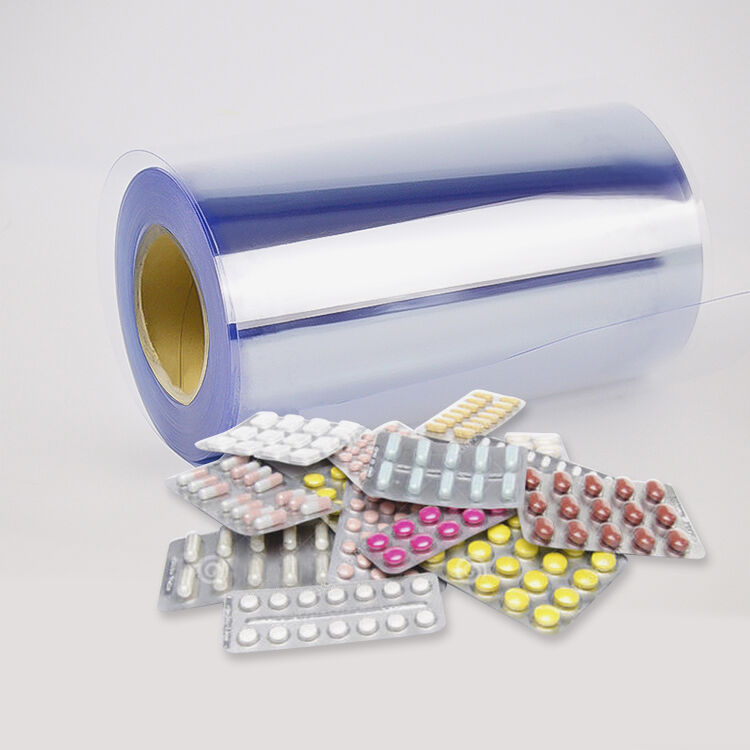
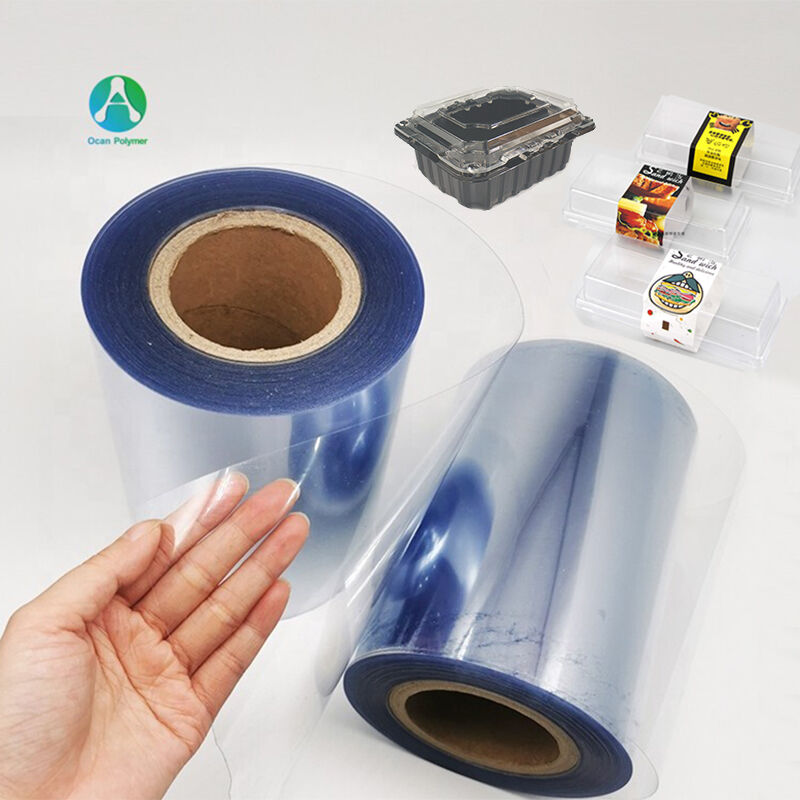
Premium Thermoforming PVC Roll - Crystal Clear Packaging Solutions for Superior Product Protection

Get a Free Quote

Our representative will contact you soon.
Email
Name
Company Name
Mobile/WhatsApp
Message
0/1000

thermoforming pvc roll

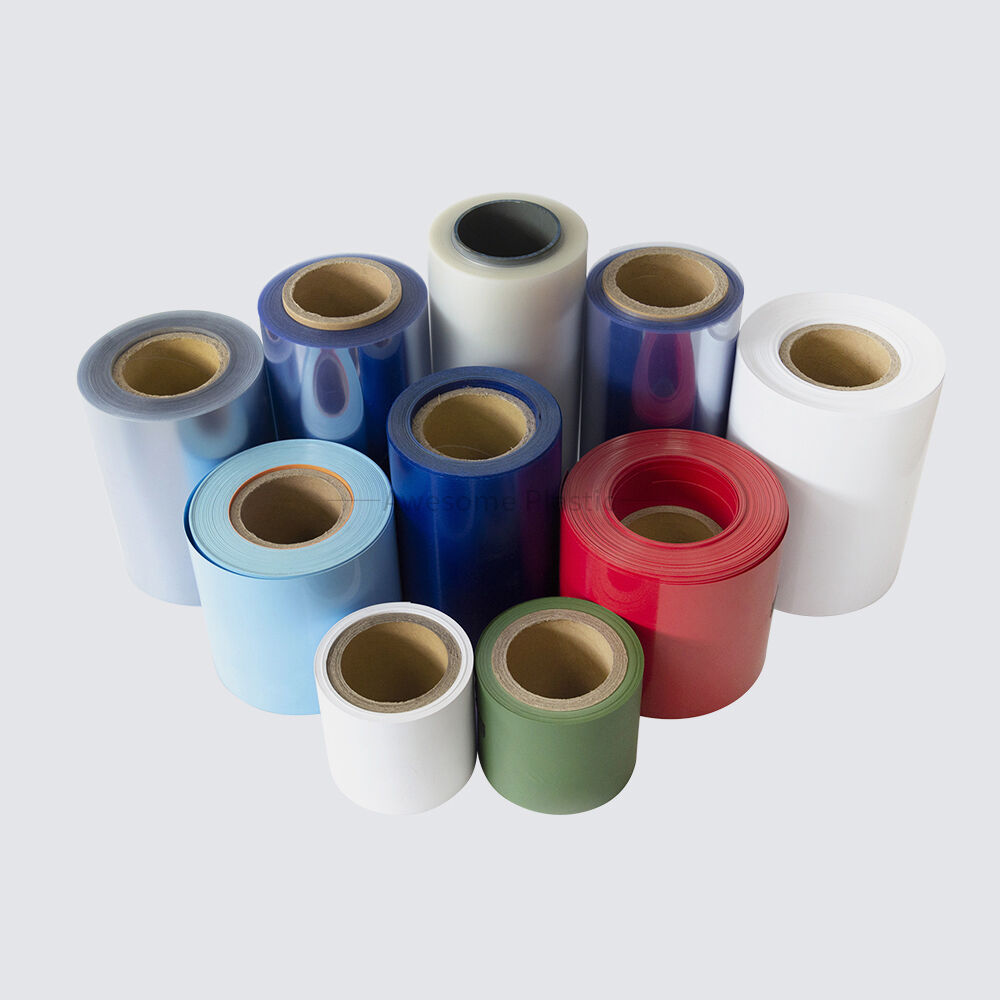
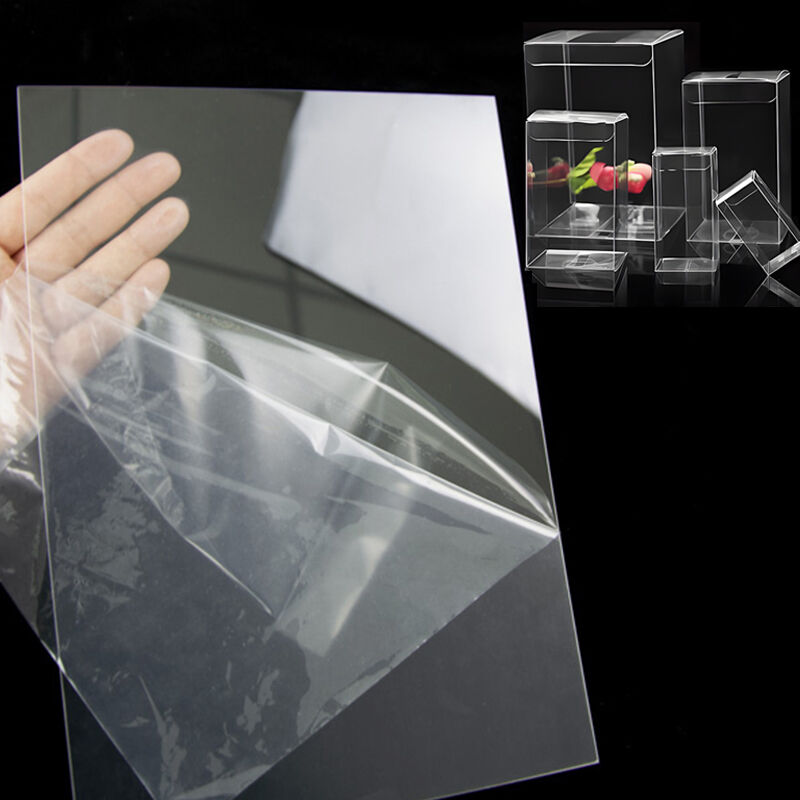
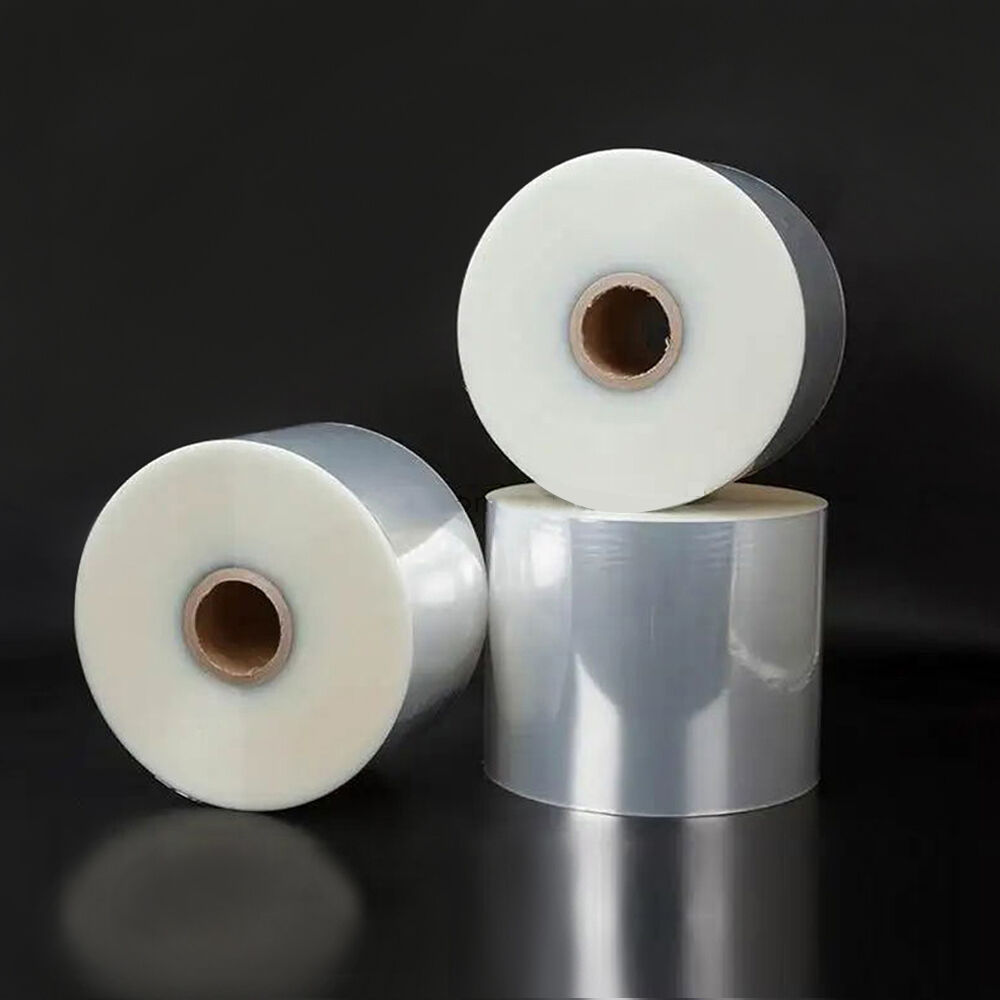
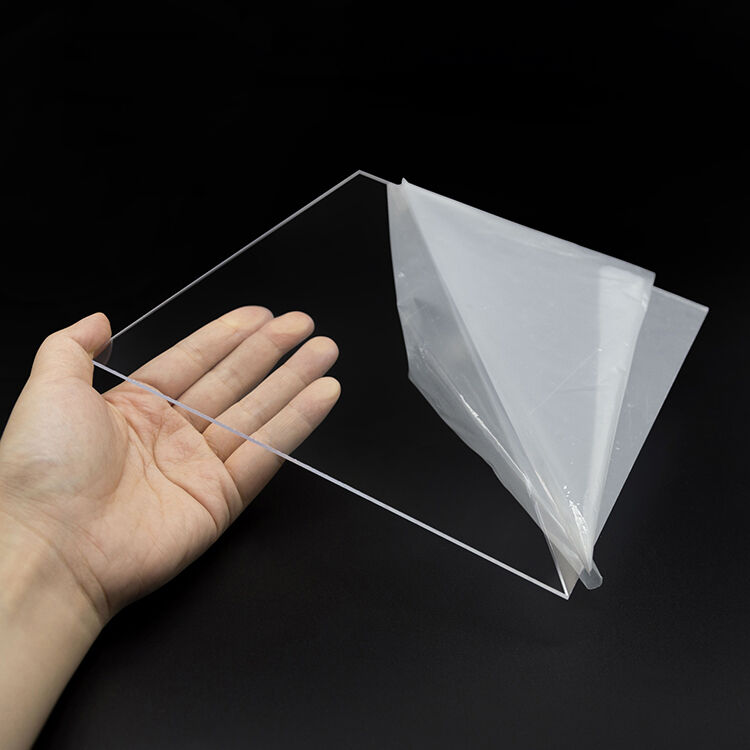
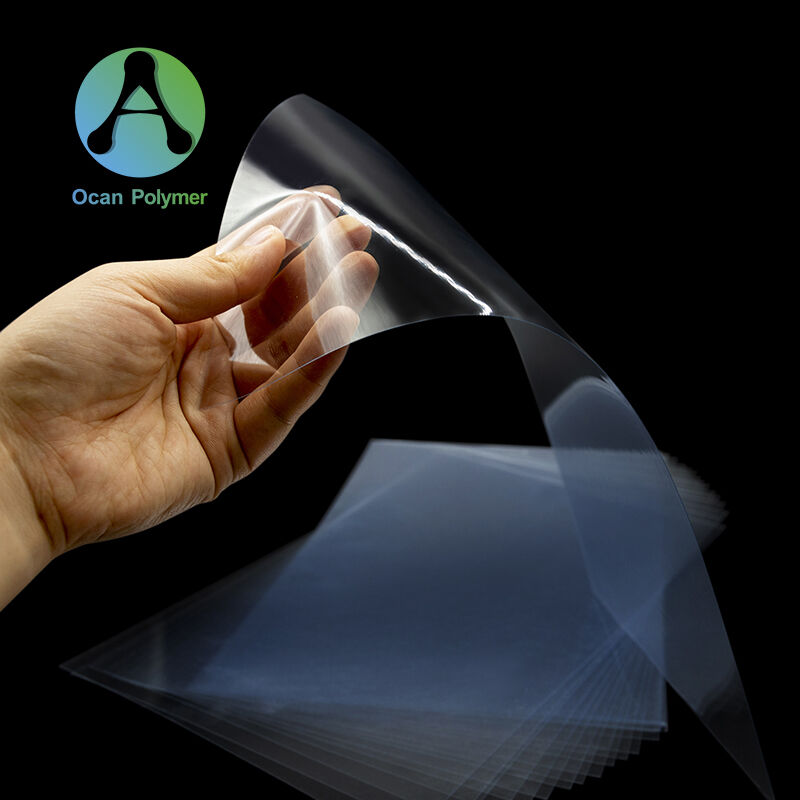
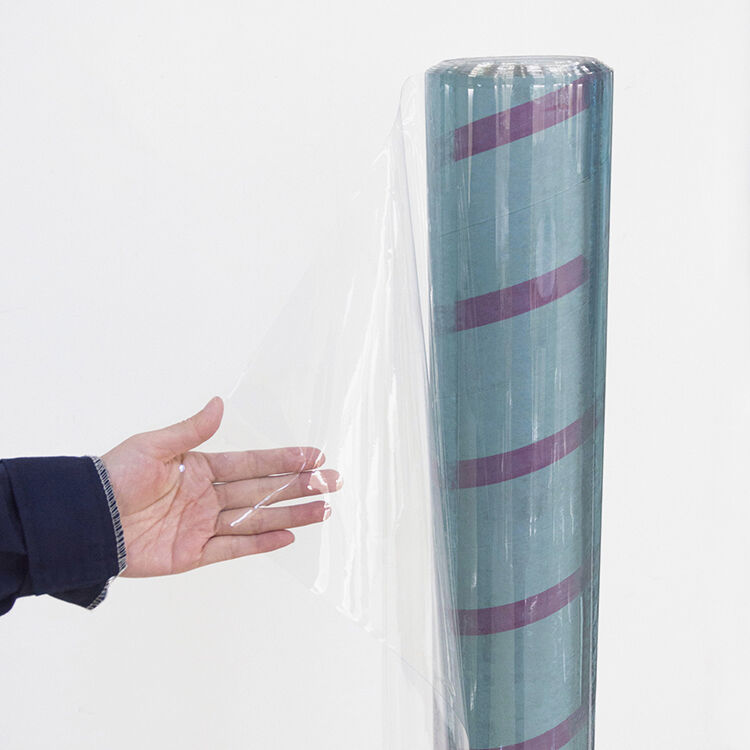
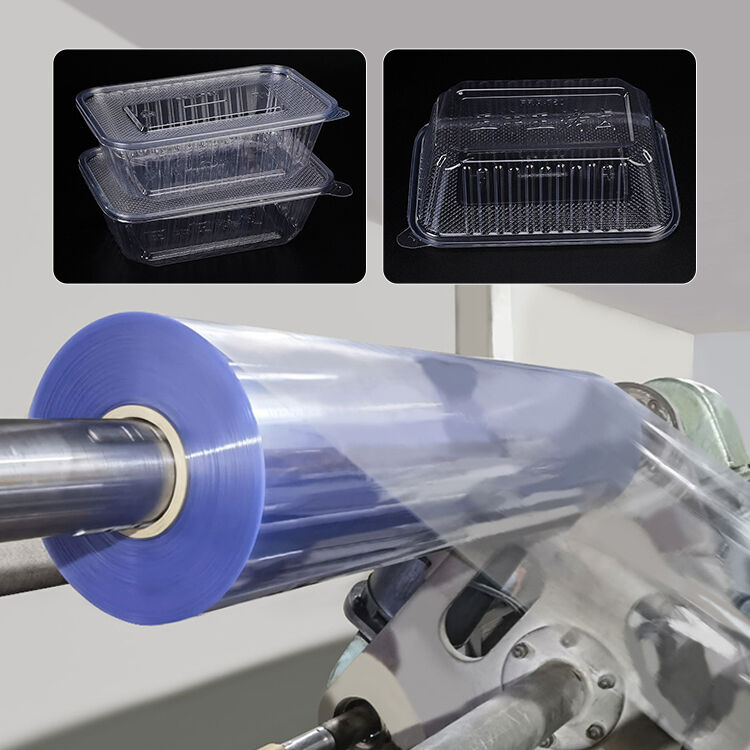
Thermoforming PVC roll represents a versatile plastic material specifically engineered for heat-based molding processes across diverse manufacturing sectors. This specialized polyvinyl chloride sheet material comes in roll format, enabling continuous production workflows and efficient material handling in industrial settings. The thermoforming PVC roll serves as the foundational substrate for creating three-dimensional shapes through controlled heating and forming techniques. When subjected to appropriate temperatures, typically ranging between 140 to 180 degrees Celsius, the material becomes pliable and moldable, allowing manufacturers to shape it into precise configurations using vacuum forming, pressure forming, or mechanical molding equipment. The main functions of thermoforming PVC roll include providing a cost-effective solution for packaging applications, serving as a protective barrier for pharmaceutical products, creating display materials for retail environments, and forming components for medical device manufacturing. Technological features distinguish this material through its consistent thickness uniformity across the entire roll length, superior clarity options for transparent applications, and excellent chemical resistance properties that protect contents from environmental degradation. The material exhibits remarkable impact strength even at reduced thicknesses, making it suitable for applications requiring both protection and weight reduction. Surface treatments available for thermoforming PVC roll include corona treatment for improved printing adhesion, anti-fog coatings for food packaging visibility, and anti-static formulations for electronics protection. Applications span numerous industries including food packaging where it forms blister packs and clamshell containers, medical sectors for sterile barrier systems and device packaging, consumer goods for retail display packaging, and automotive components for interior trim pieces. The material accommodates various processing methods including inline thermoforming systems, offline sheet-fed equipment, and specialized forming machinery designed for high-volume production runs, making thermoforming PVC roll an indispensable material choice for manufacturers seeking reliable performance combined with processing flexibility.

New Products

Choosing thermoforming PVC roll delivers substantial practical benefits that directly impact your production efficiency and bottom-line profitability. The material excels in cost management because it requires significantly lower tooling investments compared to injection molding alternatives, allowing you to launch new products faster without exhausting capital budgets. You gain immediate access to rapid prototyping capabilities since simple molds can be produced quickly, enabling you to test market concepts and refine designs before committing to full-scale production. The forming process itself consumes less energy than competing methods, translating to reduced utility costs month after month while supporting your sustainability objectives. Material waste drops dramatically because thermoforming PVC roll allows precise cutting and efficient nesting of parts, with scrap material often recyclable back into production streams. Your production flexibility increases exponentially as the same equipment handles different product designs with straightforward mold changes, eliminating the need for dedicated machinery for each product line. The lightweight nature of formed PVC components reduces shipping expenses substantially while maintaining structural integrity that protects products throughout distribution channels. You benefit from exceptional clarity in transparent applications, ensuring your products remain visible to consumers while protected from contamination and physical damage. The material demonstrates outstanding barrier properties against moisture, oxygen, and other environmental factors that could compromise product quality or shelf life. Processing speeds match or exceed alternative materials, enabling you to meet demanding production schedules and respond quickly to market demand fluctuations. Temperature stability ensures consistent forming results across production runs, minimizing rejects and maintaining quality standards that protect your brand reputation. The material works seamlessly with automated packaging lines, feeding smoothly through equipment without jamming or causing production disruptions that cost valuable time. Surface printability accepts various decoration methods including screen printing, offset lithography, and digital printing, giving you creative freedom to develop eye-catching packaging that differentiates your products at retail. Chemical resistance protects packaged goods from degradation while withstanding exposure to cleaning agents and sterilization processes in medical applications. Your customers appreciate the durability of packages made from thermoforming PVC roll, as formed containers resist cracking and splitting during handling. The material maintains performance across wide temperature ranges, functioning reliably in refrigerated environments and ambient conditions without becoming brittle or losing protective qualities. You gain regulatory compliance advantages since food-grade and medical-grade formulations meet stringent safety standards, providing documentation that simplifies approval processes and market access.

Practical Tips

Why Do Factories Use PVC Sheet for Electronic Component Packaging?

24

Apr

Why Do Factories Use PVC Sheet for Electronic Component Packaging?

Electronic component packaging demands materials that combine protective performance with economic viability, and PVC sheet for electronic component packaging has become an industry standard for good reason. Factories worldwide rely on this versatile...
View More
How Does PVC Sheet Perform in Thermoforming for Custom Packaging Trays?

28

Apr

How Does PVC Sheet Perform in Thermoforming for Custom Packaging Trays?

Thermoforming custom packaging trays from PVC sheet has become a cornerstone process in modern packaging manufacturing, particularly for industries requiring protective, precision-fit containments for delicate products. Understanding how PVC sheet pe...
View More
How Does PC Sheet Perform in ID Card Base Material Applications?

10

Apr

How Does PC Sheet Perform in ID Card Base Material Applications?

The identity card manufacturing industry demands base materials that deliver exceptional durability, optical clarity, and printability while maintaining consistent performance across millions of production cycles. PC sheet has emerged as a preferred ...
View More
Why Is ABS Sheet Applied in Vacuum Forming for Automotive Parts?

01

Apr

Why Is ABS Sheet Applied in Vacuum Forming for Automotive Parts?

The automotive industry demands materials that combine mechanical strength, thermal stability, and cost-effectiveness for manufacturing interior and exterior components. Among thermoplastic materials used in vacuum forming processes, ABS sheet has em...
View More

Get a Free Quote

Our representative will contact you soon.
Email
Name
Company Name
Mobile/WhatsApp
Message
0/1000

thermoforming pvc roll

Superior Forming Versatility and Processing Efficiency

Superior Forming Versatility and Processing Efficiency

Thermoforming PVC roll stands out in manufacturing environments due to its exceptional forming versatility that accommodates diverse production requirements across multiple industries. This adaptability stems from the material's unique molecular structure that responds predictably to thermal energy, allowing processors to achieve consistent results whether producing shallow blister packages or deep-drawn containers with complex geometries. The processing efficiency gained through thermoforming PVC roll usage transforms production economics by enabling faster cycle times compared to alternative forming methods. Manufacturers appreciate how quickly the material reaches optimal forming temperature, reducing energy consumption while maintaining throughput rates that satisfy demanding production schedules. The uniform heating characteristics prevent hot spots or cool zones that could create weak areas in formed parts, ensuring every piece meets structural specifications without requiring additional quality control interventions. Roll format delivery provides continuous material feed that integrates seamlessly with inline forming systems, eliminating the handling steps required when working with pre-cut sheets and reducing labor costs associated with material preparation. The ability to process thermoforming PVC roll on various equipment types gives manufacturers strategic flexibility to match production methods with order volumes, using smaller machines for specialty runs and high-speed systems for mass production. Temperature control precision achievable with modern forming equipment allows operators to fine-tune processing parameters for specific formulations, optimizing clarity in transparent applications or maximizing impact strength in protective packaging. The material exhibits minimal memory effect during forming, meaning it holds shaped configurations without attempting to return to flat profiles, which ensures dimensional stability in finished products. Processing windows remain broad enough to accommodate normal production variations without generating defects, reducing scrap rates that erode profitability. Manufacturers working with thermoforming PVC roll benefit from shorter lead times between concept and production since mold fabrication requires less time and expense than tooling for injection molding or blow molding processes. This speed advantage proves particularly valuable when responding to market opportunities that require rapid product introductions or seasonal packaging variations. The material's compatibility with standard forming equipment means existing machinery investments remain productive rather than requiring complete production line overhauls when adopting thermoforming PVC roll for new applications.
Outstanding Clarity and Aesthetic Appeal for Product Visibility

Outstanding Clarity and Aesthetic Appeal for Product Visibility

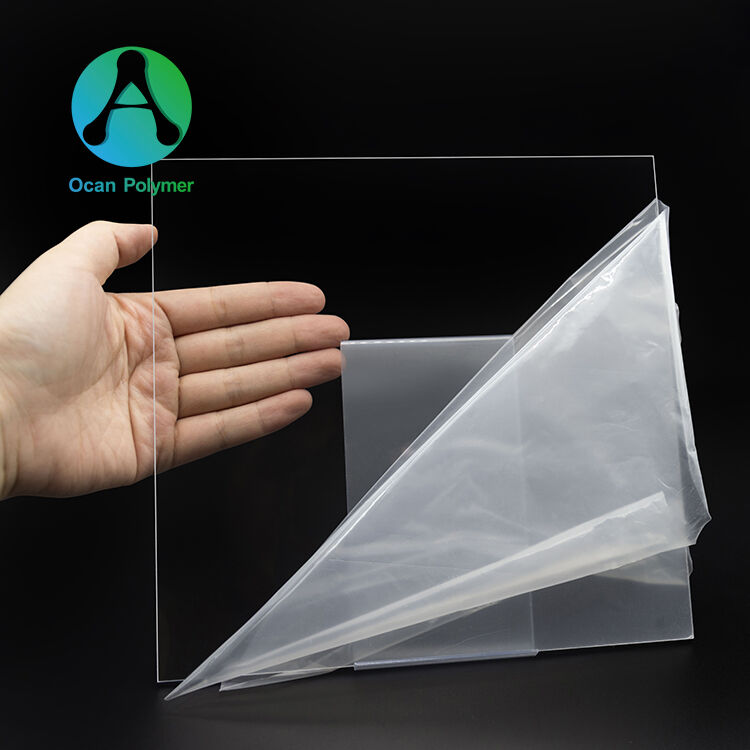
The optical properties of thermoforming PVC roll deliver outstanding clarity that elevates product presentation and consumer engagement at critical point-of-purchase moments. This crystal-clear transparency allows customers to inspect packaged products thoroughly before purchase, building confidence and reducing return rates that impact retailer relationships and brand reputation. Unlike materials that develop haze or cloudiness during forming, properly processed thermoforming PVC roll maintains exceptional visual clarity even when stretched over complex mold contours, ensuring products remain attractively displayed from every viewing angle. The aesthetic appeal extends beyond simple transparency to include surface gloss that enhances premium product positioning, making packages look more expensive and desirable on crowded retail shelves where visual differentiation drives purchasing decisions. Manufacturers can specify various gloss levels to match brand requirements, from high-polish finishes that reflect light dramatically to subtle satin textures that reduce glare under store lighting. The material accepts surface treatments that enhance visual performance further, including anti-fog coatings that prevent condensation buildup in refrigerated environments where moisture would otherwise obscure product visibility. Color consistency across production runs ensures package appearance remains uniform, protecting brand identity and preventing consumer confusion that could undermine marketing investments. Thermoforming PVC roll accommodates both transparent and opaque formulations, with colored variants providing distinctive packaging that stands out while maintaining the material's processing advantages. The surface quality resists scratching during distribution and handling better than many competing materials, keeping packages looking fresh until consumers make purchase decisions. Print receptivity allows decoration that enhances visual communication without compromising the transparency that showcases products, enabling designers to incorporate branding elements strategically while maximizing product visibility. Light transmission characteristics can be engineered to provide UV protection that prevents product degradation while maintaining the clarity that attracts consumer attention. The dimensional stability of formed packages ensures printed graphics remain properly registered and distortion-free, maintaining the professional appearance that reinforces quality perceptions. Visual consistency across thermoforming PVC roll batches simplifies inventory management since packages from different production runs appear identical, eliminating concerns about mixing inventory that could create mismatched shelf displays.
Comprehensive Protection and Extended Product Shelf Life

Comprehensive Protection and Extended Product Shelf Life

Thermoforming PVC roll provides comprehensive protection capabilities that extend product shelf life and maintain quality throughout distribution networks and retail environments. The barrier properties inherent in the material prevent moisture transmission that would compromise product integrity, particularly critical for pharmaceuticals, nutraceuticals, and moisture-sensitive electronics that degrade rapidly when exposed to humidity. Oxygen barrier characteristics protect food products from oxidation that causes rancidity and flavor deterioration, enabling manufacturers to offer longer expiration dates that improve inventory management and reduce waste throughout the supply chain. The formed packages created from thermoforming PVC roll deliver structural protection that absorbs impacts and prevents crushing during shipping and handling, reducing product damage claims that erode profit margins and disappoint customers. Chemical resistance ensures packaged products remain uncontaminated by environmental exposures or cleaning agents used in retail and medical facilities, maintaining sterility requirements for medical devices and purity standards for pharmaceutical preparations. The material functions reliably across temperature ranges encountered during transportation and storage, maintaining protective properties whether products sit in climate-controlled warehouses or experience temperature fluctuations in shipping containers. Tamper-evidence features can be incorporated into package designs using thermoforming PVC roll, providing visible indication if packages have been opened or compromised, which builds consumer confidence and satisfies regulatory requirements for certain product categories. The hermetic seals achievable when thermoforming PVC roll packages are properly sealed create microenvironments that isolate products from external contamination, extending shelf life naturally without requiring additional preservatives that consumers increasingly avoid. Puncture resistance prevents package failures that could expose products to contamination or allow moisture ingress that compromises quality, ensuring products reach consumers in optimal condition. The material withstands sterilization processes including gamma irradiation and ethylene oxide treatment required for medical device packaging, maintaining structural integrity and barrier properties that protect sterile contents until point of use. Light barrier formulations of thermoforming PVC roll protect photosensitive products from degradation while maintaining sufficient translucency for product identification, balancing protection requirements with marketing needs. The consistent wall thickness achievable during forming ensures uniform protection across the entire package, eliminating thin spots that could become failure points during distribution.

Get a Free Quote

Our representative will contact you soon.
Email
Name
Company Name
Mobile/WhatsApp
Message
0/1000