PVC Sheet Manufacturer - Quality Production, Custom Solutions & Expert Support

Get a Free Quote

Our representative will contact you soon.
Email
Name
Company Name
Mobile/WhatsApp
Message
0/1000

pvc sheet manufacturer

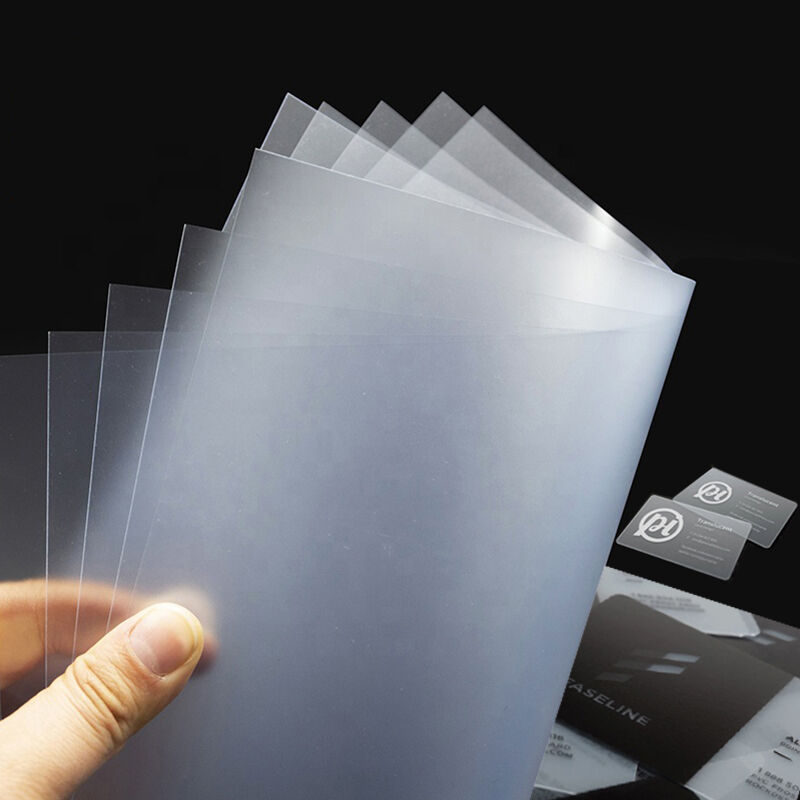
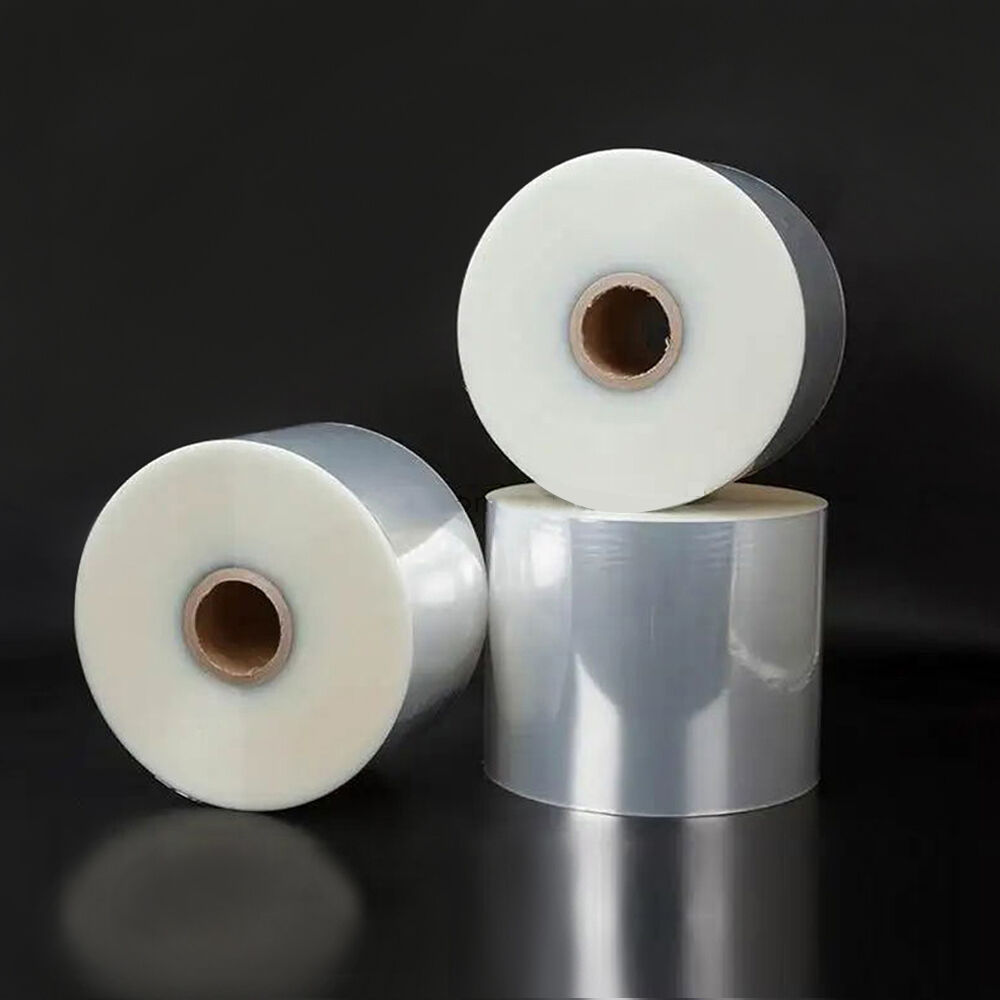
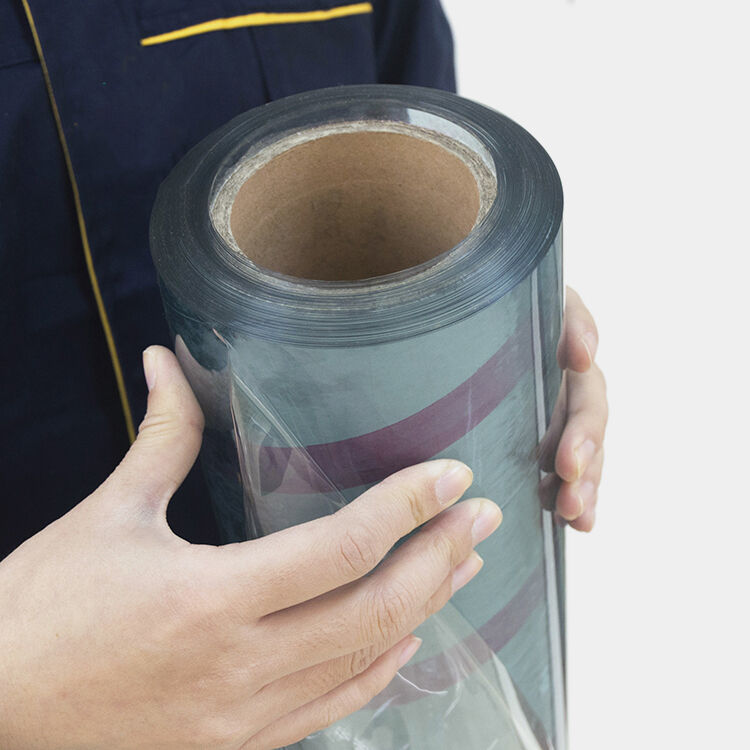
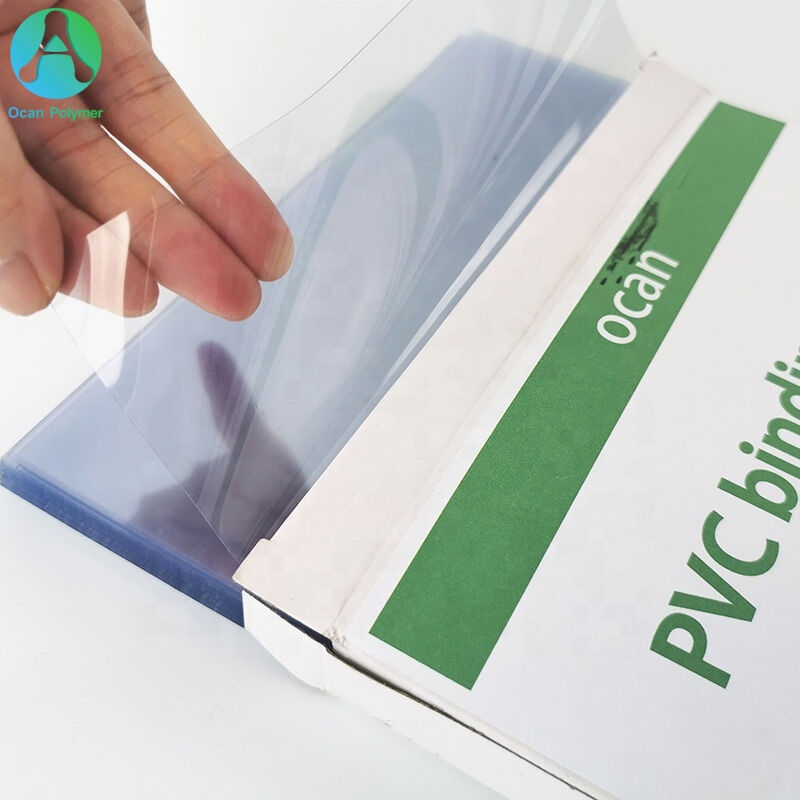
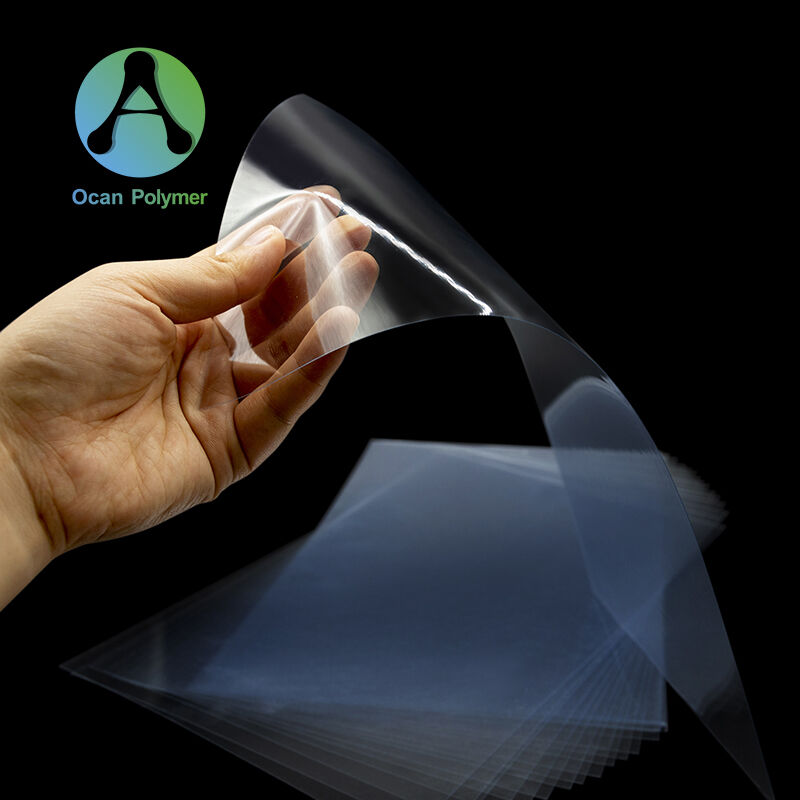
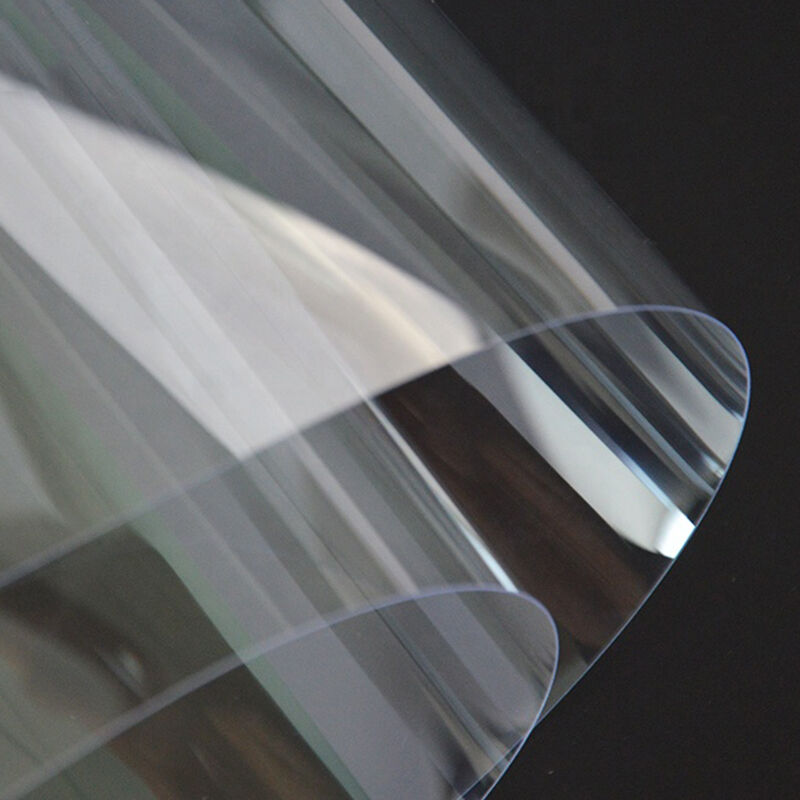
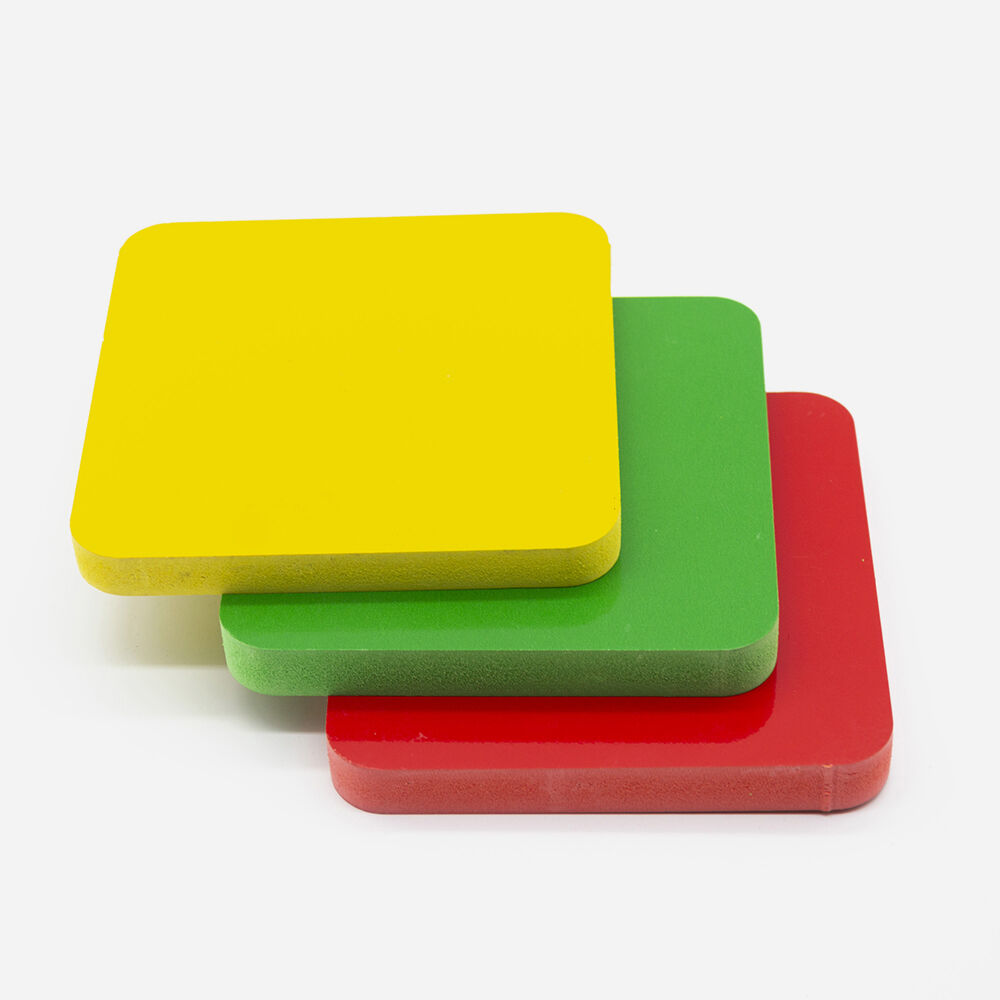
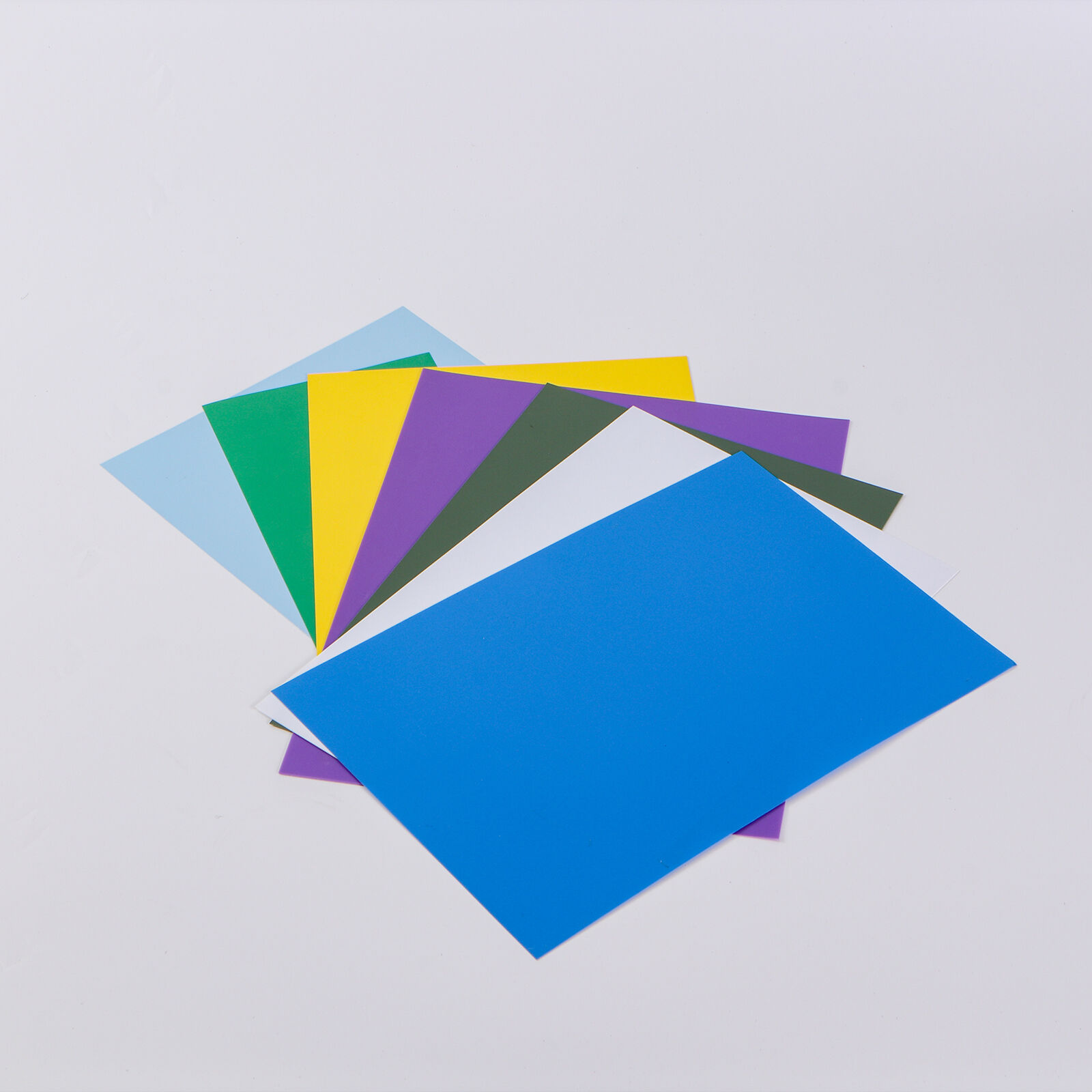
A PVC sheet manufacturer plays a crucial role in the modern plastics industry by producing versatile polyvinyl chloride sheets that serve countless commercial, industrial, and residential applications. These specialized manufacturers operate advanced production facilities equipped with state-of-the-art extrusion technology, calendaring systems, and precision cutting equipment to create PVC sheets in various thicknesses, colors, and finishes. The main function of a PVC sheet manufacturer involves transforming raw PVC resin compounds into flat, uniform sheets through carefully controlled heating, mixing, and forming processes that ensure consistent quality and performance characteristics. Leading manufacturers maintain strict quality control protocols throughout production, monitoring parameters such as thickness tolerance, surface smoothness, impact resistance, and chemical stability to deliver products that meet international standards and customer specifications. Technological features employed by modern PVC sheet manufacturer facilities include computerized extrusion lines that precisely control temperature profiles, automated thickness measurement systems that ensure uniformity across entire production runs, and advanced mixing equipment that homogenizes additives like stabilizers, plasticizers, and colorants throughout the material matrix. Many manufacturers also incorporate recycling capabilities into their operations, allowing them to reclaim production scrap and post-consumer materials, contributing to environmental sustainability while maintaining cost efficiency. Applications for manufactured PVC sheets span an impressive range of industries and use cases, from construction and building materials where they serve as wall cladding, ceiling panels, and protective barriers, to signage and graphics applications where their printability and weather resistance make them ideal substrates. Healthcare facilities rely on PVC sheets manufactured with antimicrobial properties for hygienic wall coverings and equipment surfaces, while transportation industries utilize them for interior panels, floor coverings, and protective components. The manufacturing process itself represents a sophisticated balance of chemistry, engineering, and quality management, with each PVC sheet manufacturer developing proprietary formulations and processing parameters that distinguish their products in terms of durability, appearance, and functional performance in specific application environments.

Popular Products

Choosing a reputable PVC sheet manufacturer offers numerous practical benefits that directly impact project success, cost management, and long-term satisfaction. First and foremost, working with an established manufacturer ensures consistent product quality through rigorous testing and quality assurance programs that verify every production batch meets specified standards for thickness, color accuracy, and physical properties. This consistency eliminates the variability that can plague construction schedules and installation processes, allowing contractors and fabricators to plan projects with confidence knowing that materials will perform as expected. A dedicated PVC sheet manufacturer typically maintains substantial inventory levels across popular sizes, thicknesses, and colors, providing immediate availability that reduces project delays and eliminates lengthy waiting periods associated with made-to-order materials from less specialized suppliers. The technical expertise housed within a professional manufacturing organization represents another significant advantage, as experienced engineers and application specialists can provide guidance on material selection, recommend optimal sheet specifications for particular environments, and troubleshoot installation challenges that may arise during project execution. Cost efficiency emerges as a compelling benefit when sourcing directly from a PVC sheet manufacturer rather than through multiple intermediaries, as eliminating distributor markups and streamlining the supply chain translates into better pricing without sacrificing quality or service. Manufacturers also offer customization capabilities that allow customers to specify exact dimensions, special colors, textured surfaces, or enhanced properties like UV resistance or fire retardancy, creating tailored solutions that perfectly match application requirements rather than forcing compromises with standard off-the-shelf products. Environmental responsibility has become increasingly important, and leading manufacturers implement sustainable practices including energy-efficient production methods, waste reduction programs, and recyclable material formulations that help customers meet green building standards and corporate sustainability commitments. The warranty and technical support provided by manufacturers add another layer of value, offering recourse if materials fail to perform as specified and providing ongoing assistance throughout the product lifecycle. Manufacturers invest heavily in research and development, continuously improving formulations and introducing innovative products that offer enhanced performance, easier installation, or expanded application possibilities, giving customers access to cutting-edge materials that provide competitive advantages. Traceability represents yet another practical benefit, as manufacturers maintain detailed production records that allow materials to be tracked from raw ingredients through finished products, supporting quality investigations and providing documentation required for regulatory compliance in sectors like food processing or healthcare. Finally, establishing relationships with manufacturers creates opportunities for volume discounts, preferred customer status, and collaborative problem-solving that transforms the supplier-customer dynamic from transactional to partnership-oriented.

Practical Tips

Why Is Flexible PVC Film Applied in Curtain and Decorative Materials?

15

Apr

Why Is Flexible PVC Film Applied in Curtain and Decorative Materials?

The widespread adoption of Flexible PVC Film in curtain and decorative material applications stems from a unique combination of performance attributes that address both functional and aesthetic requirements in commercial and residential environments....
View More
Why Do Factories Use PVC Sheet for Electronic Component Packaging?

24

Apr

Why Do Factories Use PVC Sheet for Electronic Component Packaging?

Electronic component packaging demands materials that combine protective performance with economic viability, and PVC sheet for electronic component packaging has become an industry standard for good reason. Factories worldwide rely on this versatile...
View More
How Is PC Sheet Used for Light Diffuser Panels in LED Lampshades?

03

Apr

How Is PC Sheet Used for Light Diffuser Panels in LED Lampshades?

Polycarbonate sheet technology has revolutionized the lighting industry by providing an optimal solution for light diffusion in LED lampshade applications. When manufacturers design LED lighting products, they face a critical challenge: converting po...
View More
How Is PVC Foam Board Used for Advertising Sign Boards in Indoor Displays?

05

May

How Is PVC Foam Board Used for Advertising Sign Boards in Indoor Displays?

Indoor advertising sign boards require materials that combine lightweight construction, visual clarity, and long-term durability without compromising design flexibility. PVC foam board has emerged as a preferred substrate for businesses seeking cost-...
View More

Get a Free Quote

Our representative will contact you soon.
Email
Name
Company Name
Mobile/WhatsApp
Message
0/1000

pvc sheet manufacturer

Advanced Manufacturing Capabilities Ensure Superior Product Consistency

Advanced Manufacturing Capabilities Ensure Superior Product Consistency

The sophisticated production infrastructure maintained by a professional PVC sheet manufacturer represents a fundamental differentiator that directly affects product reliability and project outcomes. Modern manufacturing facilities employ multi-million dollar extrusion lines featuring precisely calibrated heating zones, advanced screw designs that ensure thorough mixing of additives and colorants, and computer-controlled thickness monitoring systems that adjust processing parameters in real-time to maintain dimensional accuracy within tight tolerances. These technological investments enable manufacturers to produce PVC sheets with uniform properties across entire production runs, eliminating the inconsistencies in thickness, color saturation, or surface finish that plague lower-quality alternatives. The calendaring process used by leading manufacturers involves passing material through series of heated rollers under carefully controlled pressure, creating sheets with smooth surfaces, consistent density, and predictable mechanical properties that perform reliably across diverse application environments. Quality control laboratories staffed by trained technicians conduct comprehensive testing throughout production, measuring impact strength, tensile properties, chemical resistance, and dimensional stability using standardized test methods that verify compliance with industry specifications. This rigorous testing regime catches potential issues before materials reach customers, preventing costly failures, installation delays, and reputation damage that can result from substandard materials. The manufacturing environment itself matters significantly, with climate-controlled facilities preventing contamination and ensuring stable processing conditions that eliminate variables affecting product quality. Dust control systems, filtered air supplies, and clean room protocols in sensitive production areas prevent foreign particles from becoming embedded in sheet surfaces where they could compromise appearance or create weak points. Batch traceability systems allow manufacturers to track raw material lots through every production stage, creating detailed records that support quality investigations and provide transparency that customers increasingly demand. Investment in employee training ensures that machine operators understand how processing parameters affect final product characteristics, empowering them to make informed adjustments that optimize quality rather than simply running equipment according to fixed programs. Continuous improvement programs systematically analyze production data, identify opportunities to enhance consistency or efficiency, and implement refinements that progressively elevate product quality over time. The combination of advanced equipment, rigorous testing, controlled environments, and skilled personnel creates manufacturing capabilities that consistently deliver PVC sheets meeting exacting standards for critical applications where material failure carries significant consequences.
Comprehensive Technical Support Accelerates Project Success

Comprehensive Technical Support Accelerates Project Success

The value proposition offered by an experienced PVC sheet manufacturer extends far beyond simply supplying materials to encompass comprehensive technical support that helps customers optimize material selection, streamline fabrication processes, and troubleshoot installation challenges. Manufacturers employ application engineers who possess deep understanding of how PVC sheet products perform across diverse environments and usage scenarios, enabling them to recommend optimal specifications that balance performance requirements against budget constraints. These specialists conduct site assessments evaluating factors like temperature extremes, chemical exposure, UV radiation levels, impact risks, and cleaning protocols to identify materials formulated specifically for conditions that will be encountered in actual service. This consultative approach prevents costly mistakes that occur when generic materials are specified for demanding applications without considering environmental stresses that may compromise longevity or safety. Technical support teams provide detailed fabrication guidance covering cutting techniques, edge finishing methods, bonding procedures, and installation best practices that help contractors and fabricators achieve professional results while minimizing material waste and labor costs. Manufacturers develop comprehensive technical data sheets documenting physical properties, chemical resistance charts, temperature ratings, and compliance certifications that provide the detailed information designers need to specify materials confidently and meet regulatory requirements in governed industries. When installation issues arise, responsive technical support staff troubleshoot problems remotely or dispatch field representatives to assess situations firsthand, identifying root causes and implementing corrective actions that get projects back on track quickly. Many manufacturers offer sample programs allowing customers to evaluate materials in actual application conditions before committing to full-scale purchases, reducing uncertainty and ensuring selected products will deliver expected performance. Training programs conducted by manufacturer representatives educate installation teams on proper handling techniques, optimal environmental conditions for installation, and common pitfalls to avoid, transferring knowledge that improves project outcomes while reducing callbacks and warranty claims. The technical literature produced by professional manufacturers includes installation manuals, maintenance guides, and troubleshooting references that serve as valuable resources throughout the product lifecycle, supporting proper care that maximizes service life. Manufacturers maintain testing capabilities that allow them to analyze failed materials, determine whether failures resulted from manufacturing defects or improper application, and provide definitive answers that resolve warranty disputes fairly. This technical partnership approach transforms the manufacturer from a simple supplier into a valued resource that contributes expertise enhancing project success, a relationship that delivers ongoing value extending well beyond the initial material purchase.
Customization Flexibility Delivers Tailored Solutions for Specialized Needs

Customization Flexibility Delivers Tailored Solutions for Specialized Needs

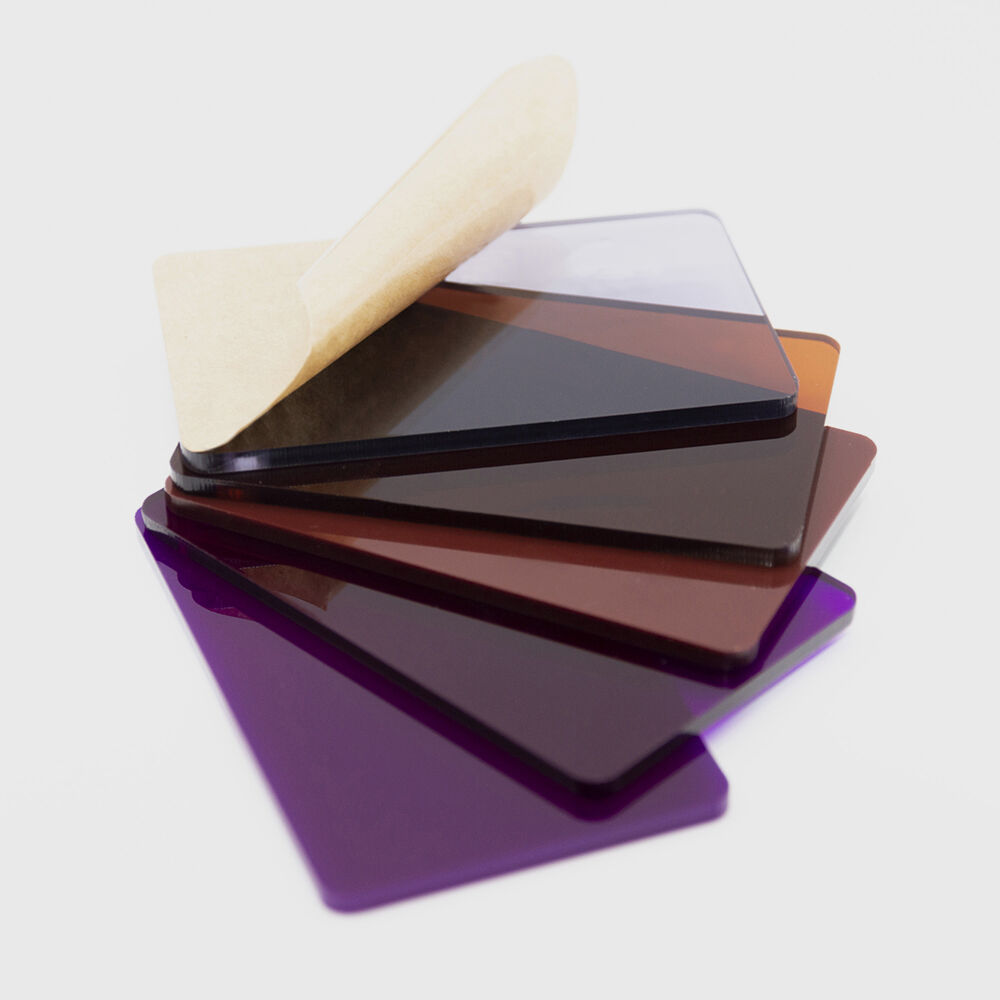
A significant advantage offered by working directly with a PVC sheet manufacturer involves access to customization capabilities that enable tailored solutions precisely matching unique application requirements that standard products cannot adequately address. While off-the-shelf materials serve many common applications effectively, specialized projects often demand specific combinations of properties, dimensions, or aesthetic characteristics that require custom formulation or processing. Manufacturers maintain formulation laboratories where chemists develop proprietary PVC compounds incorporating specialized additives that enhance particular properties such as increased impact resistance for high-traffic environments, enhanced flame retardancy meeting stringent fire codes, improved UV stability for outdoor exposure, or antimicrobial agents preventing bacterial growth in healthcare settings. This formulation flexibility allows customers to obtain materials optimized for specific performance challenges rather than accepting compromises inherent in general-purpose products designed to serve broad market segments. Custom color matching services enable manufacturers to produce sheets in virtually any desired shade, supporting brand consistency for retail environments, architectural color schemes requiring precise matches, or safety applications where specific colors communicate important information. Advanced color measurement systems ensure batch-to-batch consistency even with custom colors, preventing the mismatches that can occur when materials are sourced from multiple suppliers or production runs. Dimensional customization represents another valuable capability, with manufacturers able to produce sheets in non-standard thicknesses, oversized dimensions that reduce seaming requirements, or precisely cut panels that arrive job-ready without requiring field fabrication. Surface texturing options ranging from matte finishes reducing glare to embossed patterns providing slip resistance or decorative effects expand design possibilities and functional performance. Some manufacturers offer multi-layer coextrusion capabilities that combine different PVC formulations in single sheets, creating products with premium surface layers bonded to economical core materials or incorporating contrasting colors that reveal patterns when engraved. Printing capabilities allow manufacturers to apply graphics, patterns, or informational content directly onto sheet surfaces during production, eliminating separate printing operations and ensuring graphics are protected beneath clear protective layers. Lead times for custom materials vary depending on complexity and order quantity, but established manufacturers maintain agile production scheduling that accommodates special orders without excessive delays. Minimum order quantities for custom products are often more favorable when sourcing directly from manufacturers compared to working through distributors lacking flexibility to support small custom runs. The collaborative development process for highly specialized applications may involve prototype production, performance testing, and iterative refinement until materials meet all specified requirements, demonstrating manufacturer commitment to solving customer challenges rather than simply pushing existing products. This customization flexibility empowers architects, designers, and engineers to specify ideal materials for their specific applications without constraining creativity or accepting performance compromises imposed by limited standard product offerings.

Get a Free Quote

Our representative will contact you soon.
Email
Name
Company Name
Mobile/WhatsApp
Message
0/1000