Professional PVC Roll Manufacturer - Custom Solutions & Quality Production

Get a Free Quote

Our representative will contact you soon.
Email
Name
Company Name
Mobile/WhatsApp
Message
0/1000

pvc roll manufacturer

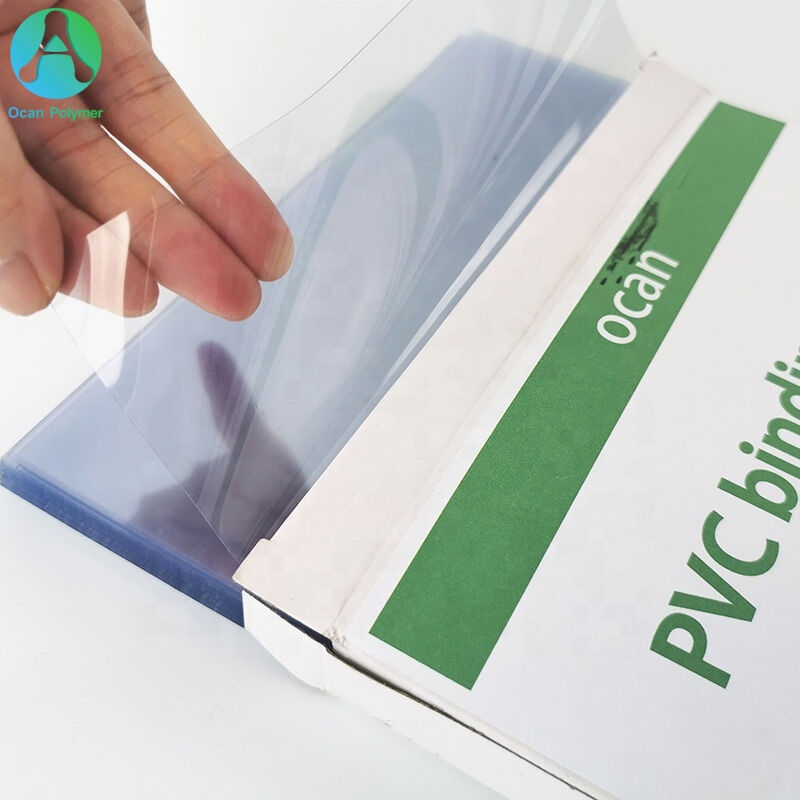
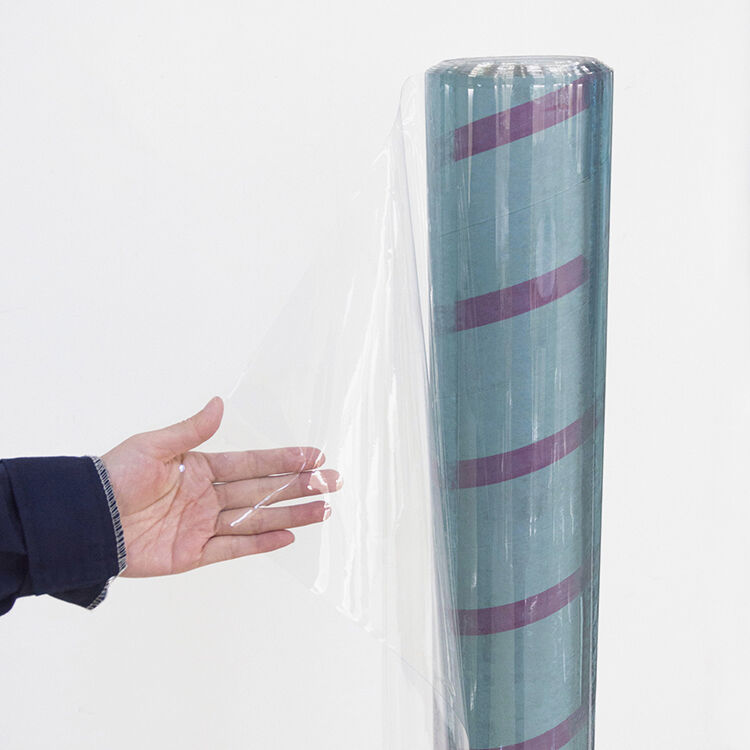
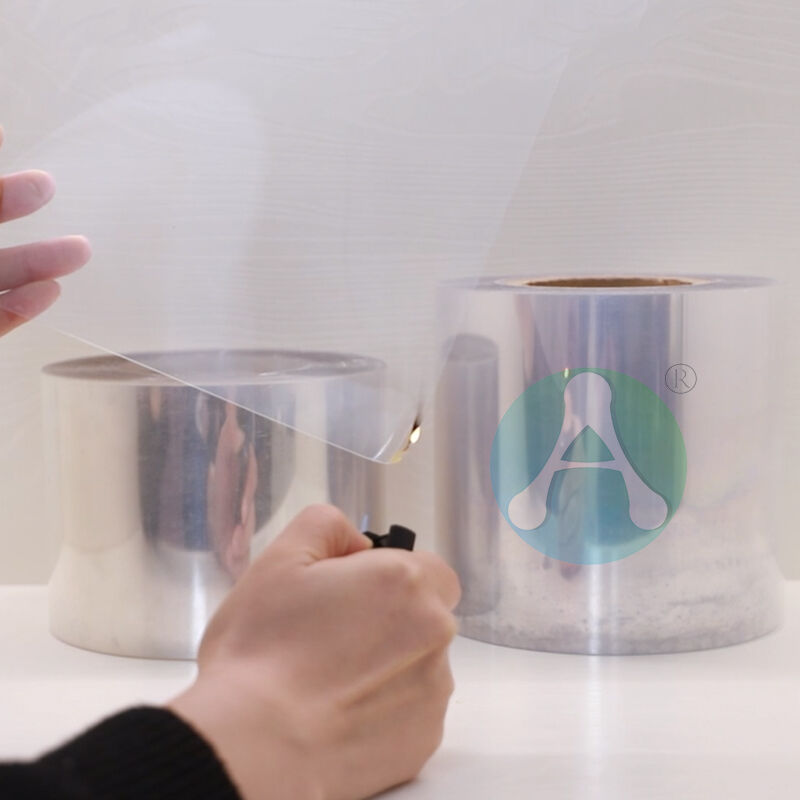
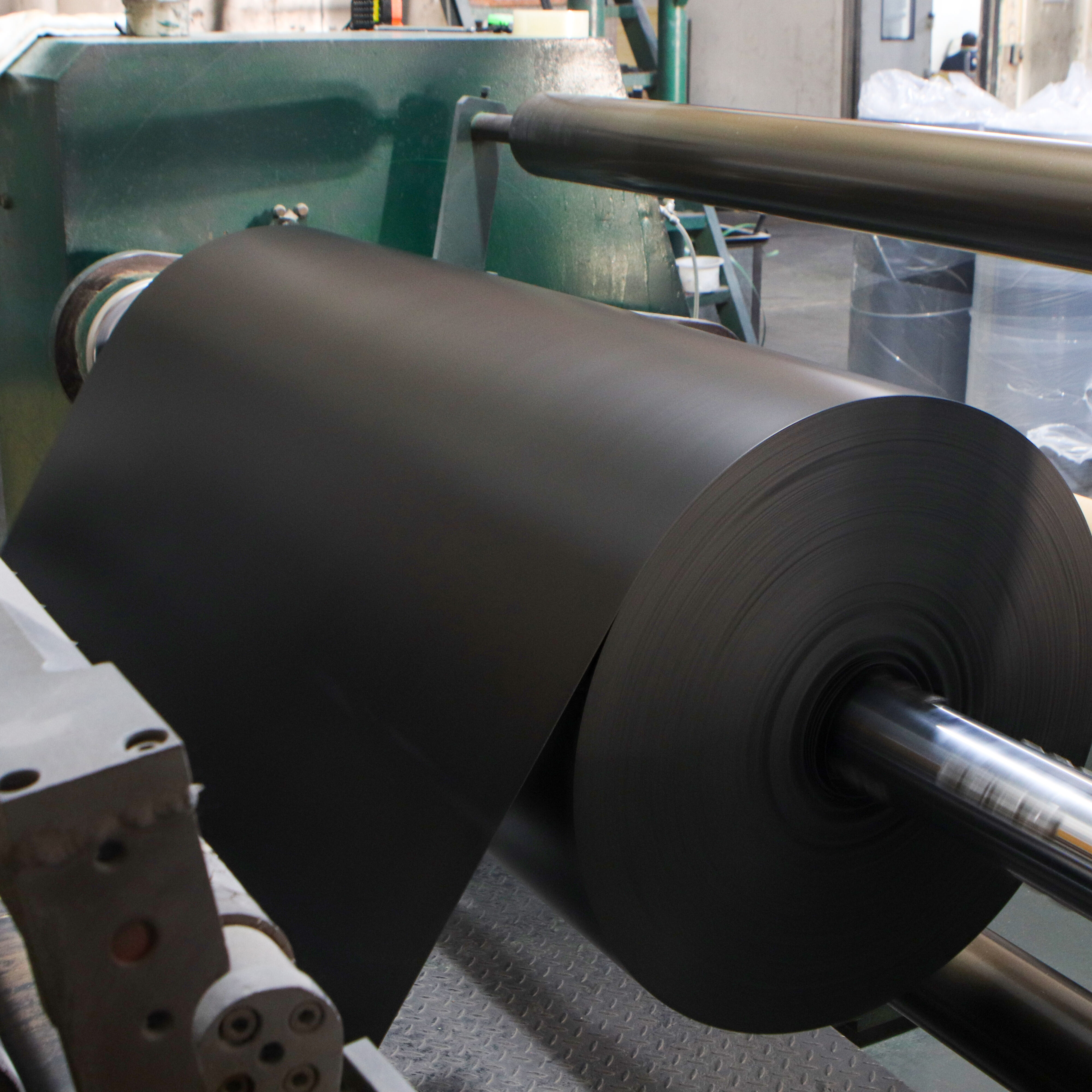
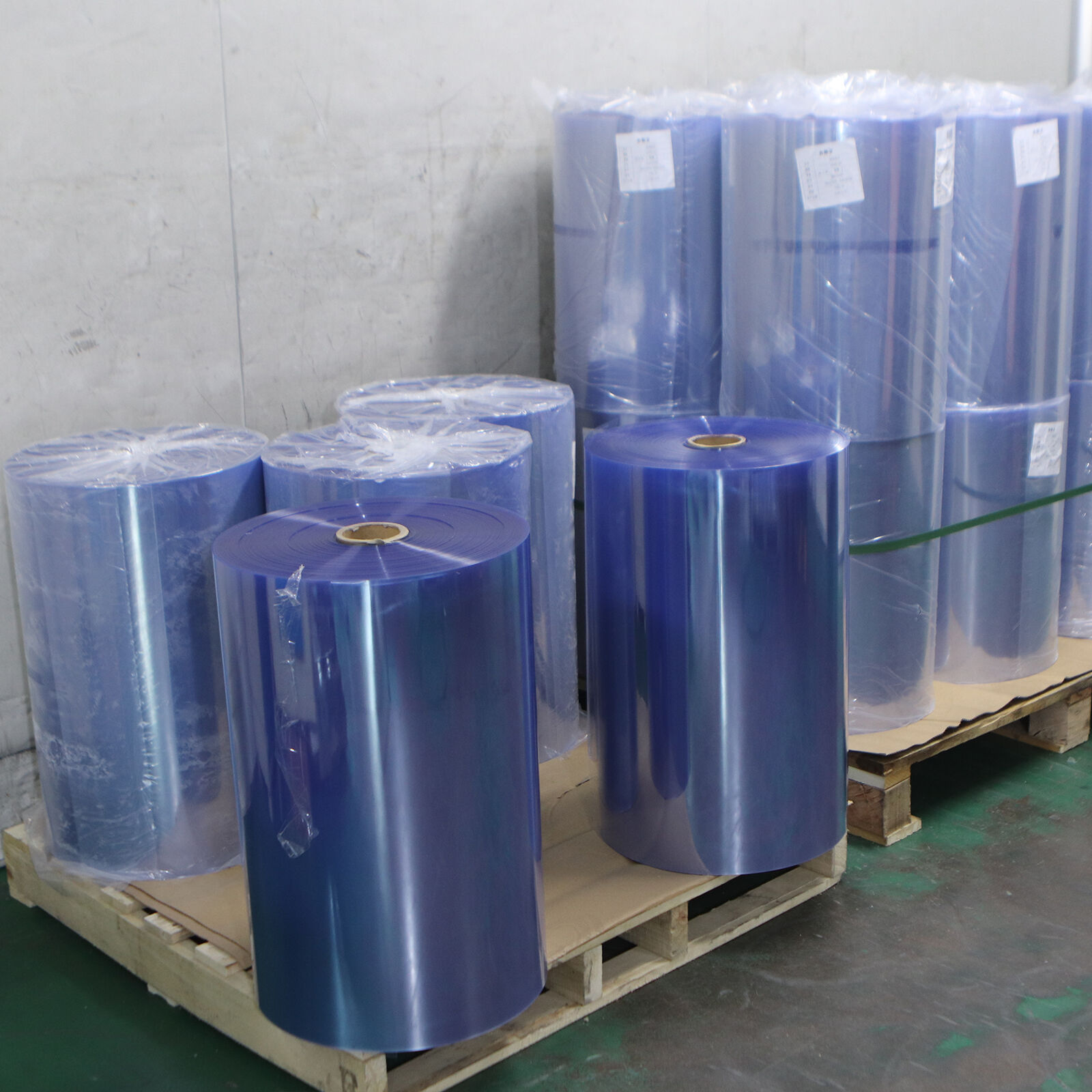
A PVC roll manufacturer specializes in producing polyvinyl chloride materials in roll format for diverse commercial and industrial applications. These manufacturers operate sophisticated production facilities equipped with advanced extrusion and calendering technologies to transform raw PVC compounds into flexible, durable roll products. The main functions of a PVC roll manufacturer include material formulation, precision manufacturing, quality control, and customization services to meet specific client requirements. Through careful selection of plasticizers, stabilizers, and additives, these manufacturers create PVC rolls with varying characteristics such as thickness, width, color, texture, and performance properties. The technological features employed by modern PVC roll manufacturers encompass automated mixing systems, multi-roll calendering machines, computerized temperature control mechanisms, inline thickness measurement tools, and surface treatment equipment. These technologies ensure consistent product quality, dimensional accuracy, and enhanced material properties. PVC roll manufacturers serve multiple industries including construction, automotive, healthcare, packaging, signage, and furniture sectors. In construction applications, PVC rolls function as waterproof membranes, wall coverings, and flooring materials. The automotive industry utilizes these products for interior trim, dashboard covering, and protective films. Healthcare facilities depend on antimicrobial PVC rolls for hygienic wall protection and privacy curtains. Packaging companies employ transparent or printed PVC rolls for product wrapping and display purposes. The signage industry values PVC rolls for banner production, vehicle wraps, and outdoor advertising materials. Furniture manufacturers incorporate decorative PVC rolls as surface laminates and upholstery materials. A reputable PVC roll manufacturer maintains strict quality management systems, often holding certifications such as ISO 9001, ensuring product reliability and customer satisfaction. Environmental considerations have become increasingly important, with many manufacturers developing eco-friendly formulations and implementing recycling programs. The production capacity of a PVC roll manufacturer can range from small-scale operations serving local markets to large industrial facilities supplying global distribution networks with millions of square meters annually.

Popular Products

Partnering with an established PVC roll manufacturer brings numerous practical benefits that directly impact your business operations and bottom line. First and foremost, you gain access to consistent product quality through standardized manufacturing processes and rigorous testing protocols. This reliability eliminates the frustration of dealing with material inconsistencies that can disrupt your production schedule or compromise your final product quality. A dedicated PVC roll manufacturer offers extensive customization options, allowing you to specify exact dimensions, colors, textures, and performance characteristics that match your unique requirements. This flexibility means you avoid the compromise of settling for standard products that do not perfectly suit your applications. Cost efficiency represents another significant advantage, as manufacturers with optimized production systems and bulk purchasing power for raw materials can offer competitive pricing without sacrificing quality. You benefit from economies of scale even on smaller orders when working with experienced manufacturers who efficiently manage their operations. Technical support and expertise form a crucial advantage that many customers overlook initially but come to value tremendously. Knowledgeable manufacturers provide guidance on material selection, application methods, storage conditions, and troubleshooting, effectively functioning as an extension of your team. This expertise helps you avoid costly mistakes and accelerates your product development cycles. Supply chain reliability ensures you receive materials when needed, preventing production delays and lost revenue opportunities. Established PVC roll manufacturers maintain adequate inventory levels, backup production capacity, and logistics partnerships to guarantee timely delivery. Innovation access allows you to stay ahead of market trends and regulatory changes. Leading manufacturers continuously invest in research and development, introducing improved formulations, enhanced performance characteristics, and environmentally sustainable alternatives. By maintaining relationships with forward-thinking manufacturers, you position your business to offer cutting-edge solutions to your customers. Quality certifications and compliance documentation provided by reputable manufacturers simplify your procurement processes and satisfy audit requirements. These manufacturers understand regulatory landscapes across different regions and industries, ensuring their products meet relevant standards for safety, environmental impact, and performance. Minimum order flexibility accommodates businesses of various sizes, from startups testing new concepts to established enterprises requiring large volumes. Many manufacturers structure their operations to serve diverse customer bases without imposing prohibitive minimum quantities. Long-term partnership potential creates stability in your supply chain, with manufacturers willing to invest in understanding your business needs, maintaining consistent pricing structures, and collaborating on custom solutions as your requirements evolve.

Tips And Tricks

Why Is Flexible PVC Film Applied in Curtain and Decorative Materials?

15

Apr

Why Is Flexible PVC Film Applied in Curtain and Decorative Materials?

The widespread adoption of Flexible PVC Film in curtain and decorative material applications stems from a unique combination of performance attributes that address both functional and aesthetic requirements in commercial and residential environments....
View More
How Does PVC Sheet Perform in Thermoforming for Custom Packaging Trays?

28

Apr

How Does PVC Sheet Perform in Thermoforming for Custom Packaging Trays?

Thermoforming custom packaging trays from PVC sheet has become a cornerstone process in modern packaging manufacturing, particularly for industries requiring protective, precision-fit containments for delicate products. Understanding how PVC sheet pe...
View More
Why Is Acrylic Sheet Applied in Advertising Light Boxes and Sign Boards?

01

May

Why Is Acrylic Sheet Applied in Advertising Light Boxes and Sign Boards?

Advertising light boxes and sign boards are essential visual communication tools in modern commercial environments, found everywhere from shopping malls and airports to storefronts and exhibition halls. The material chosen for these applications must...
View More
Why Is ABS Sheet Applied in Vacuum Forming for Automotive Parts?

01

Apr

Why Is ABS Sheet Applied in Vacuum Forming for Automotive Parts?

The automotive industry demands materials that combine mechanical strength, thermal stability, and cost-effectiveness for manufacturing interior and exterior components. Among thermoplastic materials used in vacuum forming processes, ABS sheet has em...
View More

Get a Free Quote

Our representative will contact you soon.
Email
Name
Company Name
Mobile/WhatsApp
Message
0/1000

pvc roll manufacturer

Advanced Manufacturing Technology and Precision Quality Control

Advanced Manufacturing Technology and Precision Quality Control

The technological infrastructure of a modern PVC roll manufacturer represents a critical differentiator that directly impacts product quality and performance consistency. State-of-the-art production facilities employ sophisticated calendering systems featuring multiple heated rollers that precisely control material thickness, surface finish, and dimensional stability. These multi-roll configurations, typically ranging from three to five rollers, apply controlled pressure and temperature to transform compounded PVC into uniform sheets with tolerances measured in micrometers. The temperature control systems utilize computerized monitoring across multiple zones, ensuring optimal processing conditions that prevent material degradation while achieving desired physical properties. Advanced extrusion technologies complement calendering operations, particularly for specialized applications requiring specific material structures or composite constructions. Inline measurement systems continuously monitor thickness, width, and surface characteristics, providing real-time feedback that enables immediate adjustments to maintain specification compliance. This automated quality assurance eliminates the variability associated with manual sampling and retrospective testing. Modern PVC roll manufacturers implement comprehensive material testing protocols encompassing tensile strength analysis, elongation measurements, tear resistance evaluation, and chemical resistance verification. Environmental simulation chambers subject samples to accelerated aging conditions, UV exposure, temperature extremes, and humidity variations to predict long-term performance. These rigorous testing procedures ensure that products will perform reliably throughout their intended service life under actual use conditions. Surface treatment capabilities enhance functionality through corona treatment for improved printability, embossing for texture creation, coating application for specialized properties, and lamination for composite constructions. Clean room environments maintain contamination control for applications requiring exceptional surface purity, such as medical products or optical films. The integration of Industry 4.0 principles brings data analytics, predictive maintenance, and process optimization to PVC roll manufacturing. Sensors throughout production lines generate continuous data streams that machine learning algorithms analyze to identify optimization opportunities and predict potential quality issues before they occur. This proactive approach minimizes waste, reduces downtime, and ensures consistent output quality. Traceability systems track each production batch from raw material receipt through final product delivery, documenting processing parameters, quality test results, and handling conditions. This comprehensive documentation supports quality investigations, regulatory compliance, and continuous improvement initiatives.
Comprehensive Customization Capabilities for Diverse Application Requirements

Comprehensive Customization Capabilities for Diverse Application Requirements

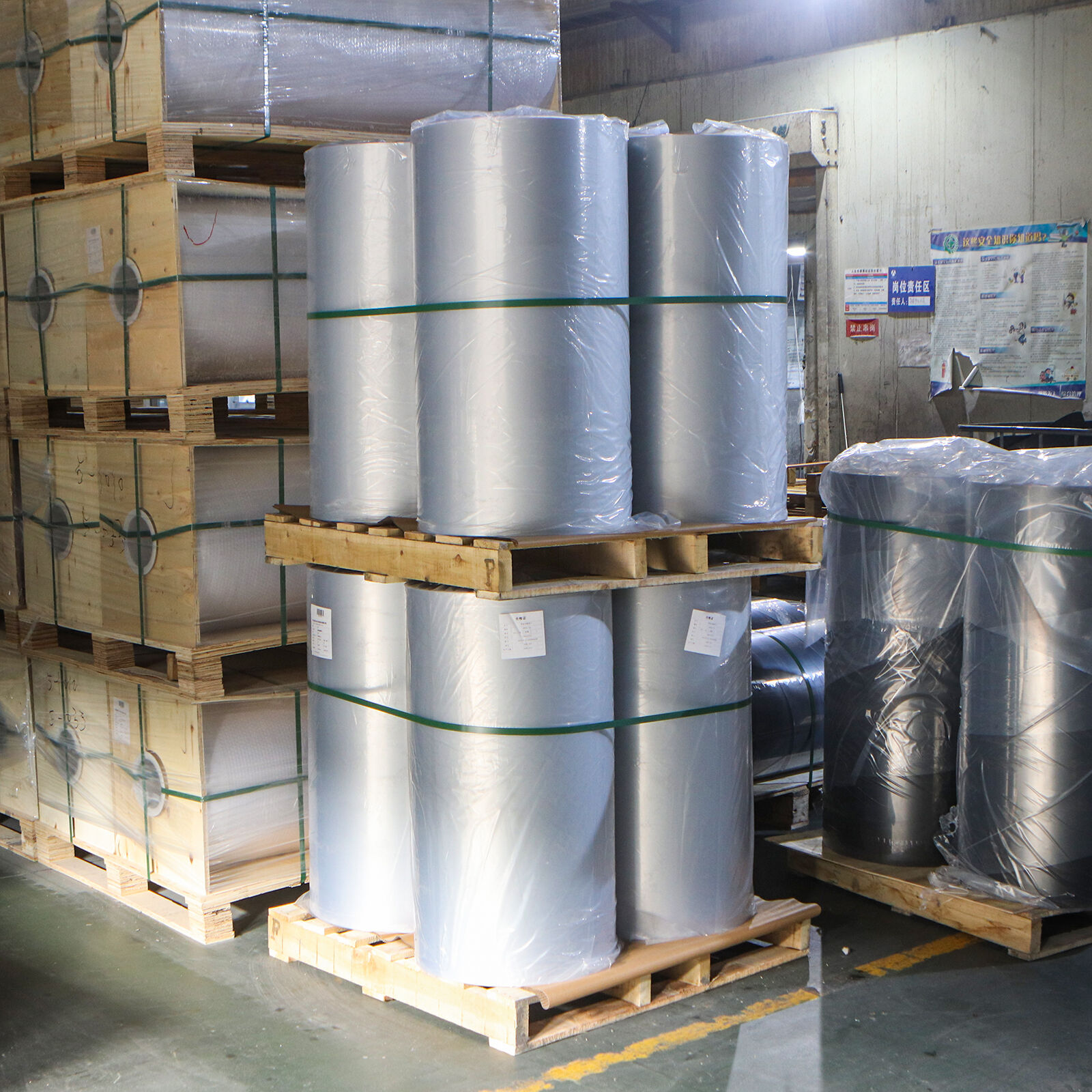
The ability of a skilled PVC roll manufacturer to deliver customized solutions represents exceptional value for businesses seeking competitive differentiation or addressing specialized application challenges. Customization begins with formulation development, where material scientists adjust polymer blends, plasticizer types and concentrations, stabilizer packages, and functional additives to achieve specific performance characteristics. Manufacturers can create formulations optimized for extreme temperature resistance, enhanced flexibility, superior chemical resistance, flame retardancy, antimicrobial properties, or environmental sustainability. Color customization extends beyond basic palette selection to include precise color matching using spectrophotometric analysis, ensuring consistency across production runs and alignment with brand specifications. Special effect pigments create metallic finishes, pearlescent appearances, or color-shifting characteristics that enhance visual appeal for decorative applications. Opacity levels can be adjusted from completely transparent to fully opaque, with precise control over light transmission properties for applications requiring specific optical characteristics. Dimensional customization accommodates virtually any requirement for thickness, width, and roll length within equipment capabilities. Manufacturers typically offer thickness ranges from ultra-thin films measuring 0.1 millimeters to heavy-duty sheets exceeding 5 millimeters, with width capabilities spanning from narrow strips to wide format rolls exceeding 3 meters. Roll length customization optimizes material handling and minimizes waste for specific production equipment or application methods. Surface customization creates functional and aesthetic variations through embossing, texturing, printing, or coating processes. Embossing patterns range from subtle textures enhancing grip or concealing imperfections to deep three-dimensional effects replicating natural materials like leather, wood, or stone. Digital printing capabilities enable custom graphics, photographic reproductions, or variable data printing for packaging, signage, or decorative applications. Coating technologies apply functional layers that modify surface properties such as scratch resistance, anti-static characteristics, easy-clean properties, or adhesive compatibility. Performance customization addresses specific application requirements such as enhanced UV stability for outdoor exposure, low-temperature flexibility for cold storage environments, high-frequency weldability for fabrication processes, or food-contact compliance for packaging applications. Manufacturers formulate materials meeting industry-specific standards including automotive specifications, building codes, healthcare regulations, or food safety requirements. Packaging customization ensures products arrive ready for your specific handling and storage systems, whether that involves core diameter selection, roll wrapping materials, protective interleaving, moisture barriers, or specialized palletizing configurations. Documentation customization provides test certificates, compliance declarations, processing recommendations, and specification sheets formatted to your procurement system requirements.
Sustainable Manufacturing Practices and Environmental Responsibility

Sustainable Manufacturing Practices and Environmental Responsibility

Environmental stewardship has evolved from a peripheral concern to a central operational principle for leading PVC roll manufacturers, delivering tangible benefits to customers facing increasing sustainability pressures from regulators, consumers, and corporate responsibility initiatives. Progressive manufacturers have implemented comprehensive sustainability programs addressing material sourcing, production efficiency, waste management, and product lifecycle considerations. Raw material selection increasingly emphasizes bio-based plasticizers derived from renewable resources rather than petroleum-based alternatives, significantly reducing carbon footprint without compromising performance characteristics. These plant-derived plasticizers, sourced from vegetable oils or other renewable feedstocks, provide comparable or superior plasticization efficiency while offering improved toxicological profiles. Stabilizer technology has transitioned away from heavy metal compounds toward calcium-zinc and organic stabilizer systems that eliminate environmental and health concerns associated with lead or cadmium. Energy efficiency improvements through equipment modernization, process optimization, and heat recovery systems substantially reduce operational carbon emissions. Modern calendering and extrusion systems incorporate servo-driven controls that precisely match energy input to actual requirements, eliminating the waste associated with constant-speed operation. Heat recovery systems capture thermal energy from cooling processes and redirect it to preheating operations, reducing overall energy consumption by 20 to 40 percent compared to conventional configurations. Renewable energy integration through solar panel installations, wind power purchases, or biomass energy systems further reduces environmental impact. Some manufacturers have achieved carbon-neutral production certification through combination of efficiency improvements and renewable energy adoption. Waste minimization programs systematically reduce scrap generation through improved process control, while comprehensive recycling systems reprocess production waste back into manufacturing streams. Closed-loop water systems eliminate discharge concerns by continuously filtering and reusing process water, while solvent recovery systems capture and purify cleaning agents for reuse. Post-consumer recycling programs accept end-of-life PVC products for reprocessing into new materials, supporting circular economy principles. Product innovation focuses on enhanced durability that extends service life, reducing replacement frequency and associated environmental impacts. Formulations incorporating recycled content allow customers to meet sustainability targets without compromising performance expectations. Manufacturers provide detailed environmental product declarations and lifecycle assessments that quantify environmental impacts across production, use, and end-of-life phases, supporting customer sustainability reporting requirements. Certification programs including ISO 14001 environmental management systems, REACH compliance for chemical safety, and various eco-labels demonstrate commitment to continuous environmental improvement. Packaging reduction initiatives minimize protective materials while maintaining product protection, and transition to recyclable or biodegradable packaging materials eliminates waste concerns.

Get a Free Quote

Our representative will contact you soon.
Email
Name
Company Name
Mobile/WhatsApp
Message
0/1000