 EN
EN

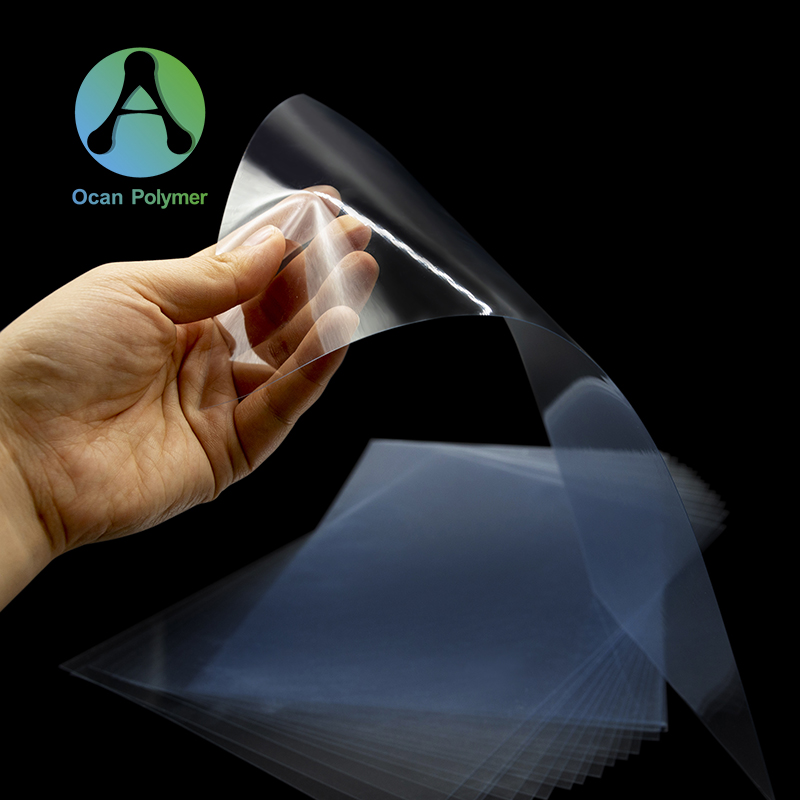
ဆေးဘက်ဆိုင်ရာ ထုပ်ပိုးမှုနယ်ပယ်တွင် ပစ္စည်းရွေးချယ်မှုသည် အလျော်သင့်မဟုတ်ပါ။ ဆေးဘက်ဆိုင်ရာ ကိရိယာ၊ ဆေးဝါးထုတ်ကုန် သို့မဟုတ် အသုံးပြုရန် အသုံးပြုသည့် ပစ္စည်းများနှင့် ထိတွေ့မှုရှိသည့် သို့မဟုတ် ပတ်ဝန်းကျင်တွင် ရှိသည့် အစိတ်အပိုင်းအားလုံးသည် ပုံပေါ်မှု၊ ဓာတုပိုင်းဆိုင်ရာ ခံနိုင်ရည်၊ ပုံသေးနုပ်နိုင်မှုနှင့် စီမံခန့်ခွဲမှုဆိုင်ရာ လိုက်နာမှုတို့အတွက် တင်းကြပ်သည့် စံနှုန်းများကို ဖော်ထုတ်ရမည်။ ထုပ်ပိုးမှုအင်ဂျင်နီယာများနှင့် ဝယ်ယူရေးအထူးကျွမ်းကျင်သူများအတွက် ရနှိုင်သည့် အပူပေါ်မှုပိုင်းဆိုင်ရာ ပစ္စည်းများအနက် တစ်မျှော်မှုတွင် PVC စက်ဘုတ် သိသာထင်ရှားပြီး ယုံကြည်စိတ်ချရသော အခန်းကဏ္ဍကို တည်ဆောက်ထားပါသည်။ ၄င်း၏ ရုပ်ပိုင်းဆိုင်ရာ ဂုဏ်သတ္တိများ၊ လုပ်ဆောင်မှု ကွဲပြားမှုများနှင့် စုစုပေါင်း စျေးနှုန်းသက်သာမှုတို့၏ ပေါင်းစပ်မှုသည် ၎င်းကို ကျန်းမာရေးနှင့် ဆေးဝါးထုပ်ပိုးမှု ပတ်ဝန်းကျင်များတွင် အသုံးများဆုံး အခြေခံပစ္စည်းများအနက် တစ်ခုဖြစ်စေပါသည်။
ဘာကြောင့် PVC စက်ဘုတ် ဆေးဘက်ဆိုင်ရာ ထုပ်ပိုးမှုအတွက် သင့်တော်သည့် ပစ္စည်းကို ရှာဖွေရာတွင် မျက်နှာပုံပေါ်ရှိ ဂုဏ်သတ္တိများထက် ပိုမိုနက်ရှိုင်းစွာ စဥ်းစားရန် လိုအပ်ပါသည်။ ထိုသို့သော ပစ္စည်းသည် သန့်စင်ခြင်း အခြေအနေများအောက်တွင် မည်သို့အလုပ်လုပ်သည်၊ အပူဖောင်းပေးခြင်းနှင့် ဘလစ်တာ ထုတ်လုပ်မှုအတွင်း မည်သို့အပြုအမှုပြသသည်၊ အချိန်ကြာမှုအတွင်း ထုတ်ကုန်၏ အရည်အသွေးကို မည်သို့ထိန်းသိမ်းပေးသည်၊ နှင့် လက်ရှိ စည်းမျဉ်းစည်းကမ်းများနှင့် မည်သို့ကိုက်ညီသည် စသည်တို့ကို စဥ်းစားရန် လိုအပ်ပါသည်။ ဤဆောင်းပါးတွင် ဤအချက်များအားလုံးကို နက်နက်နှံ့နှံ့ စဥ်းစားပေးထားပါသည်။ ထို့အပေါ်အခြေခံ၍ အဘယ်ကြောင့် PVC စက်ဘုတ် သည် ဆေးဘက်ဆိုင်ရာ ထုပ်ပိုးမှုဒီဇိုင်းတွင် အဓိကအခြေခံပစ္စည်းအဖြစ် ဆက်လက်တည်ရှိနေသည် ဆိုသည့် အကြောင်းရင်းများကို လက်တွေ့ကျပြီး နည်းပညာအရ အခိုင်အမာရှိသော ရှင်းလင်းချက်များကို ပေးထားပါသည်။
ဆေးဘက်ဆိုင်ရာ ထုပ်ပိုးမှုအတွက် အသုံးပြုနိုင်ရေးအတွက် အခြေခံပစ္စည်း၏ အရေးကြီးသော ဂုဏ်သတ္တိများ
မှန်ကန်သော မျက်စိဖြင့် ကြည့်ရှုနိုင်မှုနှင့် မျက်စိဖြင့် စစ်ဆေးနိုင်မှု
ဆေးဘက်ဆိုင်ရာ ထုပ်ပိုးမှုတွင် အဓိကလိုအပ်ချက်များထဲမှ တစ်ခုမှာ ထုပ်ပိုးမှုကို ဖွင့်ခြင်းမရှိဘဲ အတွင်းရှိ ထုတ်ကုန်ကို မြင်သာစေရန် ဖြစ်ပါသည်။ ထုတ်ကုန်သည် ဆေးပဲ ဘလစ်တာပုံစံဖြစ်စေ၊ စီရင်း ဘာရယ်ဖြစ်စေ သို့မဟုတ် ကိရိယာ ထုပ်ပိုးမှု ပလိတ်ဖြစ်စေ မြင်သာမှုသည် လုံခြုံရေးလိုအပ်ချက်ဖြစ်သည့်အပြင် စည်းမွယမှုဆိုင်ရာ မျှော်လင့်ချက်လည်း ဖြစ်ပါသည်။ PVC စက်ဘုတ် ၎င်း၏ မာကြောပြီး မပြောင်းလဲသော ပုံစံတွင် မြင်သာမှုအတွက် အလွန်ကောင်းမွန်သော အလင်းဖြတ်သွားနိုင်မှုကို ပေးစေပါသည်။ ထို့ကြောင့် အဆုံးသုံးသူများ၊ ဆေးဝါးဆိုင်များနှင့် ကျန်းမာရေး ပညာရှင်များသည် ထုပ်ပိုးမှုအတွင်းရှိ အကုန်အကာအား မြင်သာစေရန် အလွယ်တက် စိစိစိစိစိစိစိစိစိစိစိစိစိစိစိစိစိစိစိစိစိစိစိစိစိစိစိစိစိစိစိစိစိစိစိစိစိစိစိစိစိစိစိစိစိစိစိစိစိစိစိစိစိစိစိစိစိစိစိစိစိစိစိစိစိစိစိစိစိစိစိစိစိစိစိစိစိစိစိစိစိစိစိစိစိစိစိစိစိစိစိစိစိစိစိစိစိစိစိစိစိစိစိစိစိစိစိစိစိစိစိစိစိစိစိစိစိစိစိစိစိစိစိစိစိစိစိစိစိစိစိစိစိစိစိစိစိစိစိစိစိစိစိစိစိစိစိစိစိစိစိစိစိစိစိစိစိစိစိစိစိစိစိစိစိစိစိစိစ......
ဤအလွန်မြင်သာမှုသည် အလှဆေးသက်သက်သာမဟုတ်ပါ။ ဆေးဝါးဘလစ်ထုပ်ပိုးမှုတွင် ဆေးပဲအရေအတွက်၊ အရောင်နှင့် ရုပ်ပိုင်းဆိုင်ရာ အခြေအနေကို မြင်သာစေရန် စစ်ဆေးခြင်းသည် အရည်အသွေး အာမခံမှု လုပ်ငန်းစဉ်၏ အစိတ်အပိုင်းဖြစ်ပါသည်။ မာကြောပြီး မြင်သာသော PVC စက်ဘုတ် သည် ဤစစ်ဆေးမှုများကို အနှောင်အဖွေးများ သို့မဟုတ် မှုန်ဝါးမှုမရှိဘဲ ပေးစေရန် လိုအပ်သော အလင်းဖြတ်သွားနိုင်မှုကို ပေးစေပါသည်။ ၎င်း၏ မြန်ပ်နှင့်တူသော ပုံပေါ်မှုသည် ထုတ်ကုန်၏ သန့်စင်မှုကို အသိအမှတ်ပြုစေရန် စိတ်ပိုင်းဆိုင်ရာ အရေးပါမှုရှိပါသည်။ ထိုသို့သော အသိအမှတ်ပြုမှုသည် ကျန်းမာရေး နေရာများတွင် အထူးအရေးပါပါသည်။
ရှင်းလင်းမှု၏ PVC စက်ဘုတ် ဤအရည်အသွေးသည် ဆေးဘက်ဆိုင်ရာ ထုပ်ပိုးမှုတွင် အသုံးများသော အထူအများအားဖြင့် ၀.၂ မီလီမီတာခန့် (အလေးချိန်ပေါ့သော blister film များအတွက်) မှ ၀.၅ မီလီမီတာထက်ပိုများသော (ပိုမိုမာကျောသော tray application များအတွက်) အထူအထိ ထိန်းသိမ်းထားနိုင်ပါသည်။ ဤအရွယ်အစားအလွဲအစားများသည် ထုပ်ပိုးမှုအင်ဂျင်နီယာများအနေဖြင့် အခြေခံဖြစ်သော အလင်းရောင်ဆိုင်ရာ အရည်အသွေးများကို ထိန်းသိမ်းရင်း သင့်လျော်သော gauge ကို ရွေးချယ်နိုင်စေပါသည်။
ဓာတုပစ္စည်းများနှင့် ခံနိုင်ရည်ရှိမှုနှင့် ပစ္စည်းများနှင့် ကိုက်ညီမှု
PVC စက်ဘုတ် ဤပစ္စည်းသည် ဆီများ၊ အယ်လ်ကိုဟောლ်များနှင့် ဆေးဝါးဆိုင်ရာ ပစ္စည်းများအများအားဖြင့် ဓာတုပစ္စည်းများအပေါ် အားကောင်းစွာ ခံနိုင်ရည်ရှိပါသည်။ ဤဓာတုပစ္စည်းများကို ပိုင်းခြားထားသော စွမ်းရည်သည် ထုပ်ပိုးမှုပစ္စည်းသည် အတွင်းရှိ ထုတ်ကုန်နှင့် အနောက်ဘက်သို့ အပ်နှက်မှုများ ဖြစ်ပေါ်စေခြင်းမှ ကာကွယ်ရာတွင် အရေးကြီးပါသည်။ ဆေးဝါးနှင့် ပတ်သက်သည့် အခြေအနေများတွင် ထုပ်ပိုးမှုမှ ထုတ်ကုန်သို့ ဓာတုပစ္စည်းများ အနည်းငယ်မျှ ပေါ်လာခြင်းသည်ပင် ဆေးဝါး၏ အကျေးဇူးကျေးဇူး လျော့နည်းစေခြင်း သို့မဟုတ် ညစ်ညမ်းမှုအန္တရာယ်များ ဖော်ပေါ်စေခြင်းကို ဖော်ပေါ်စေနိုင်ပါသည်။
ချိုးမြောက်သော PVC စက်ဘုတ် ဆေးဘက်နုတ်နုတ်နှင့် ဆေးဝါးဆိုင်ရာအသုံးပြုမှုများအတွက် ဖော်မြူလေးရှင်းပုံစံထုတ်လုပ်ထားသည့် ပစ္စည်းများသည် သေချာစွာထိန်းချုပ်ထားသည့် အပိုစွမ်းဆောင်ရည်များ (additive packages) ဖြင့် ထုတ်လုပ်လေ့ရှိပါသည်။ ဆေးဘက်နုတ်နုတ်အဆင့်များသုံး ပလပ်စတစ်ပြောင်းလဲစေသည့် အစွမ်းအစောင်များ (plasticizers)၊ တည်ငြိမ်စေသည့် အစွမ်းအစောင်များ (stabilizers) နှင့် လုပ်ဆောင်မှုအတွက် အထောက်အကူပေးသည့် အစွမ်းအစောင်များ (processing aids) ကို အသုံးပြုခြင်းဖြင့် အထုပ်ပို့မှုမှ ဆေးဝါးထုတ်ကုန် သို့မဟုတ် ဆေးဘက်နုတ်နုတ်ပစ္စည်းထဲသို့ ပေါ်ထောက်ပေါက်နိုင်သည့် အရာများ (extractables and leachables) ကို ဖြစ်ပေါ်စေနိုင်သည့် အန္တရာယ်ကို အနည်းဆုံးဖြစ်အောင် လုပ်ဆောင်ပါသည်။ ဤသို့သေချာစွာ ဖော်မြူလေးရှင်းပုံစံထုတ်လုပ်ခြင်း စံနှုန်းများသည် ဆေးဘက်နုတ်နုတ်အဆင့်များကို စံမှန်သည့် စက်မှုအဆင့်များမှ ခွဲခြားသည့် အဓိက အင်္ဂါရပ်များထဲမှ တစ်ခုဖြစ်ပါသည်။ PVC စက်ဘုတ် စံမှန်သည့် စက်မှုအဆင့်များမှ ကွဲပါသည်။
၏ ဓာတုပေါ်လွဲမှုခံနိုင်ရည် PVC စက်ဘုတ် သည် မျက်နှာပုံပေါ်တွင် ညစ်ညမ်းမှုများကို ခံနိုင်ရည်ရှိခြင်း၊ အထုပ်ပို့မှုနေရာများတွင် အသုံးပြုသည့် သန့်စင်ရေးဆေးများကို ခံနိုင်ရည်ရှိခြင်းနှင့် စိုထုံးမှုနှင့် ဆေးသက်ရောက်မှုများကို ခံနိုင်ရည်ရှိခြင်းတို့အထိ ပါဝင်ပါသည်။ ထိန်းချုပ်ထားသည့် ဆေးဝါးထုတ်လုပ်မှုနေရာများတွင် ဤတည်ငြိမ်မှုများသည် သိုလှောင်ရေးနှင့် ဖ distribution ဖြစ်စေသည့် အချိန်ကုန်ကြာမှုအတွင်း အထုပ်ပို့မှု၏ သက်တမ်းကို ပိုမိုရှည်လောက်စေပြီး အထုပ်ပို့မှု၏ စွမ်းဆောင်ရည်ကို တည်ငြိမ်စေပါသည်။
ဘလစ်တာနှင့် ထရေးပ်ထုတ်လုပ်မှုတွင် အပူဖော်မြူလေးရှင်းပုံစံထုတ်လုပ်မှု စွမ်းရည်
စက်မှုလုပ်ဆောင်မှုအပူချိန်များတွင် ပုံစောင်လုပ်နိုင်မှု
ဘလစ်တာ ပက်ကေဗ်မှုသည် ပါးစပ်မှ သောက်သည့် အခဲဆေးများအတွက် ဆေးဝါးထုပ်ပိုးမှုတွင် အသုံးများသော ပုံစံဖြစ်ပြီး PVC စက်ဘုတ် ဤအသုံးပြုမှုတွင် ကမ္ဘာတစ်ဝှမ်းလုံးတွင် စံနှုန်းအဖြစ် အသုံးပြုသည့် ပုံသေးသည့် ဝက်ဘ်ပစ္စည်းဖြစ်သည်။ အကြောင်းရင်းမှာ ဤပစ္စည်း၏ ပူပေါ်သည့်အခါ ပုံပေါ်လာသည့် အပြုအမှုပဲ ဖြစ်သည်။ PVC စက်ဘုတ် ဤပစ္စည်းသည် ခန့်မှန်းနိုင်ပြီး ထိန်းချုပ်ရလွယ်သည့် အပူခါးအတွင်း ပျော့ပါးလာပြီး စံနှုန်းအတိုင်းသေးသည့် ဘလစ်တာ ထုပ်ပိုးမှုစက်မှုပစ္စည်းများပေါ်တွင် ဗက်ကျူမ် (သို့) ဖိအားဖြင့် အကူအညီပေးသည့် ကိရိယာများကုန်း အသုံးပြု၍ အတိအကျရှိသည့် အိတ်အကွက်များသို့ ဆွဲထုတ်ခြင်း (သို့) ပုံဖော်ခြင်းကို လုပ်ဆောင်နိုင်သည်။
ဤပုံဖော်နိုင်မှုသည် ထုတ်လုပ်မှု ထိရောက်မှုကို တိုက်ရိုက်မှီခိုသည်။ ဆေးဘက်ဆိုင်ရာ ထုပ်ပိုးမှုလိုင်းများသည် အမြန်နှုန်းမြင့်မှုဖြင့် လုပ်ဆောင်ပြီး ရှည်လျားသည့် ရှေးလုပ်ဆောင်မှုများတွင် ရှေးမှ ရှေးသို့ ပစ္စည်း၏ အပြုအမှုသည် တူညီမှုရှိရန် လိုအပ်သည်။ PVC စက်ဘုတ် အလွန်တိကျသည့် အတိုင်းအတာများဖြင့် ထုတ်လုပ်ထားသည့် ပစ္စည်းသည် အိတ်အကွက်များ၏ ပုံစံ၊ ပိတ်မှုအား အာမခံခြင်းနှင့် အိတ်အကွက်များ၏ တည်နေရာ တိကျမှုကို ရှည်လျားသည့် ထုတ်လုပ်မှုများတွင် ထိန်းသိမ်းပေးနိုင်သည့် အရွယ်အစား တည်ငြိမ်မှုနှင့် ပုံဖော်မှု ထိန်းသိမ်းမှုကို ပေးစေသည်။ ဤအချက်များတွင် အမှားအမှောင်များ ဖြစ်ပါက ပိတ်မှုမြောက်ခြင်းမှု၊ ထုတ်ကုန်ပျက်စီးခြင်း သို့မဟုတ် ထုပ်ပိုးမှုကို အလွှဲအမှားအဖြစ် လက်ခံခြင်းတို့ ဖြစ်ပေါ်လာနိုင်ပြီး ဆေးဝါးထုတ်လုပ်မှုတွင် စုစုပေါင်း စရိတ်များကို မြင့်မားစေသည်။
မာကြောသည့် PVC စက်ဘုတ် သည် ဝက်ဘင်းဖွဲ့စည်းမှု၊ ပိုမိုပါးလွဲခြင်း သို့မဟုတ် အခန်းအတွင်းသို့ အပြည့်အဝမဝင်ခြင်းကဲ့သို့သော ဖွဲ့စည်းမှုဆိုင်ရာ အကွက်များကို မဖြစ်ပေါ်စေဘဲ လိုင်းအမြန်နှုန်းနှင့် ပတ်ဝန်းကျင်အခြေအနေများတွင် ပေါ်လွင်သော အပေါ်ယံအပြောင်းအလဲများကို လက်ခံနိုင်သည့် အထိ ကျယ်ပေါ်သော အသုံးပြုမှုနယ်ပယ်ရှိသည်။ ဤလုပ်ဆောင်မှုအား မြင့်မားမှုသည် လုပ်ငန်းစဉ်ထိန်းချုပ်မှု အကွက်များကို ပိုမိုတင်းကျပ်စွာ လိုအပ်သည့် အခြားသော အစားထိုးပစ္စည်းများနှင့် နှိုင်းယှဉ်လျှင် အရေးပါသော လက်တွေ့ကျသော အက advantage ဖြစ်သည်။
အဖ пок်ပေါ်တွင် အဖုံးပစ္စည်းများနှင့် ကူးလွှားနိုင်မှု
ဘလစ်တ်အထုပ်ပို့မှုတွင် ဖွဲ့စည်းထားသော PVC စက်ဘုတ် အခြေခံအထုပ်သည် အဖုံးပစ္စည်းနှင့် အလုံစောင်းအောင် ပေါင်းစပ်ထားရမည်— အဖုံးပစ္စည်းအဖြစ် အသုံးများသည့် အလူမီနီယမ်ဖိုလ် သို့မဟုတ် စက္ကူ-ဖိုလ် ပေါင်းစပ်ပစ္စည်းဖြစ်ပြီး ဖိုလ်ပေါ်တွင် ဆေးပေးသည့် အထုပ်များကို ဖောက်ထုတ်ရန် လုပ်ဆောင်နိုင်ရမည်။ အဖုံးပစ္စည်းသည် ဖြန့်ဖြူးရေးအတွင်း ဖိအားများကို ခံနိုင်ရမည်၊ သန့်ရှင်းမှု သို့မဟုတ် စိုထိုင်းမှုကာကွယ်မှုကို ထိန်းသိမ်းနိုင်ရမည်ဖြစ်ပြီး လူနာများသည် ဖိုလ်ပေါ်တွင် ဆေးလုံးကို ဖောက်ထုတ်သည့်အခါ အလွယ်တက် ဖွင့်နိုင်ရမည်။ PVC စက်ဘုတ် သည် ဆေးဝါးအသုံးပြုရန် အဖုံးပစ္စည်းများပေါ်တွင် အသုံးပြုသည့် ကပ်စောင်းအလွှာများနှင့် အပူဖောက်ပေါ်တွင် ကူးလွှားနိုင်မှု အလွန်ကောင်းမောင်းသည်။
အဖုံးပစ္စည်း၏ အလုံစောင်းမှုသည် ဆေးဝါးအထုပ်ပို့မှုတွင် စည်းမျဉ်းနှင့် လုပ်ဆောင်မှုဆိုင်ရာ လိုအပ်ချက်ဖြစ်သည်။ အလုံစောင်းမှု မလ sufficiently ဖြစ်ပါက စိုထိုင်းမှု ဝင်ရောက်ခြင်း၊ မိုက်ခရိုဘီယောင် ညစ်ညမ်းမှု သို့မဟုတ် ထုတ်ကုန်ပျက်စီးမှုများ ဖြစ်ပေါ်နိုင်သည်။ PVC စက်ဘုတ် အကြပြုထားသော အပူခါးနှင့် အချိန်ကြာမှု စံနှုန်းများအတိုင်း လုပ်ဆောင်ပါက အမျှတပြီး တိကျစွာ တိုင်းတာနိုင်သော ပိတ်မှု ချိတ်ဆက်မှု အားကို ထုတ်လုပ်ပေးပါသည်။ ထို့ကြောင့် ဆေးဝါးဆိုင်ရာ စိစိမ်မှုများကို လိုအပ်သော စံနှုန်းများနှင့် ကိုက်ညီမှုရှိကြောင်း အတည်ပြုရေးလုပ်ငန်းများကို လွယ်ကူစွာ ဆောင်ရွက်နိုင်ပါသည်။
ပုံသေးခြင်း စွမ်းရည်နှင့် ပိတ်မှု စွမ်းရည်တွေ့ရှိမှု နှစ်များပေါင်းစပ်မှုသည် PVC စက်ဘုတ် ဆေးရုံများ၊ စျေးရောင်းဆိုင်များနှင့် ကုသမှုစမ်းသပ်မှုများအတွက် ပေးပို့သည့် ဆေးများတွင် အသုံးပြုသည့် ဘလစ်တ် ထုပ်ပိုးမှု ပုံစံအတွက် ထူးခြားစွာ သင့်တော်ပါသည်။ ဤနေရာများတွင် ထုပ်ပိုးမှုများသည် ထုတ်လုပ်မှုမှ စတင်၍ စောင်းကုသမှုအထိ ခန့်မှန်းနိုင်သော စွမ်းရည်ဖြင့် ထုတ်ကုန်အရည်အသွေးကို ကာကွယ်ပေးရန် လိုအပ်ပါသည်။
စည်းမျဉ်းစည်းကမ်းနှင့် ဘေးအန္တရာယ် ထိန်းသိမ်းမှု ထည့်သွင်းစဉ်းစားမှုများ
ဆေးဝါးထုပ်ပိုးမှု စိစိမ်မှုများနှင့် ကိုက်ညီမှု
ဆေးဘက်ဆိုင်ရာနှင့် ဆေးဝါးထုတ်လုပ်ရေးအတွက် အထုပ်အအိမ်းပစ္စည်းများသည် အဓိကဈေးကွက်အားလုံးတွင် စည်းမျဉ်းစည်းကမ်းများဖြင့် ကြီးကြပ်ထိန်းသိမ်းခံရပါသည်။ အမေရိကန်ပြည်ထောင်စုတွင် FDA သည် ဆေးဝါးထုတ်လုပ်ရေးအတွက် အသုံးပြုသည့် အထုပ်အအိမ်းပစ္စည်းများကို အထုပ်ပစ္စည်းများမှ ထုတ်ယူနိုင်သည့် ပစ္စည်းများ (extractables)၊ အထုပ်ပစ္စည်းများမှ ဆေးဝါးထဲသို့ ရေစုပ်ထုတ်နိုင်သည့် ပစ္စည်းများ (leachables)၊ ပစ္စည်းအများအပြား၏ အသေးစိတ်အချက်အလက်များနှင့် ပေးသွင်းသူများ၏ အရည်အသွေးအာမခံချက်များကို ဖော်ပြသည့် လမ်းညွှန်ချက်များဖြင့် စည်းမျဉ်းစည်းကမ်းပေးထားပါသည်။ ဥရောပတွင် ဥရောပဆေးဝါးအေဂျင်စီ (EMA) နှင့် အမျိုးသားအဆင့် ကြီးကြပ်ရေးအုပ်ချုပ်ရေးအဖွဲ့များသည် အလားတူ လိုအပ်ချက်များကို သတ်မှတ်ထားပါသည်။ PVC စက်ဘုတ် ဆေးဝါးအသုံးပြုရန် ရည်ရွယ်ထားသည့် ပစ္စည်းများကို ဆေးဝါးနှင့် ဆေးဘက်ဆိုင်ရာပစ္စည်းများနှင့် ထိတ်တွေ့မှုရှိသည့် ပလပ်စတစ်များအတွက် USP နှင့် EP စံချိန်စံညွှန်းများကို လိုက်နာရန် ဆေးဝါးစံချိန်စံညွှန်းများ (pharmacopoeia standards) အရ ထုတ်လုပ်လေ့ရှိပါသည်။
ဆေးဘက်ဆိုင်ရာ အဆင့်မြင့် PVC စက်ဘုတ် ပေးသွင်းသူများသည် ထုပ်ပိုးမှုအတည်ပြုခြင်းလုပ်ငန်းစဉ်ကို ထောက်ပံ့ပေးသည့် ပစ္စည်းဆိုင်ရာ စာရွက်စာတမ်းများကို ထိန်းသိမ်းထားကြသည်။ ဤတွင် ကိုက်ညီမှုလုပ်ငန်းစဉ်များ၊ ဖယ်ရှားနိုင်သည့် ပစ္စည်းများနှင့် စိမ့်ဝင်နိုင်သည့် ပစ္စည်းများဆိုင်ရာ ဒေတာများ၊ ပစ္စည်းအား အန္တရာယ်ကင်းစေရေး စာရွက်စာတမ်းများ (MSDS) နှင့် တည်ငြိမ်မှုဆိုင်ရာ ဒေတာများ ပါဝင်သည်။ ဤစာရွက်စာတမ်းများ ရရှိနေခြင်းသည် ထုပ်ပိုးမှုဖွံ့ဖြိုးရေးလုပ်ငန်းစဉ်များနှင့် စာရွက်စာတမ်းများ တင်သွင်းခြင်းများကို ဆောင်ရွက်နေသည့် ဆေးဝါးကုမ္ပဏီများအတွက် အရေးကြီးပါသည်။ လုံလောက်သည့် စာရွက်စာတမ်းများ မရှိပါက ပစ္စည်း၏ လုပ်ဆောင်ချက်ဆိုင်ရာ စွမ်းဆောင်ရည် မည်မျှပဲ ကောင်းမောင်းသည်ဖြစ်စေ မှတ်ပုံတင်ထားသည့် ဆေးဝါးထုတ်ကုန်တွင် ထုပ်ပိုးမှုပစ္စည်းကို ထည့်သွင်းအသုံးပြု၍ မရပါ။
စာရွက်စာတမ်းဆိုင်ရာ လက်ခံမှု PVC စက်ဘုတ် ဆေးဝါးထုပ်ပိုးမှုတွင် ကမ္ဘာတစ်ဝှမ်းရှိ ဈေးကွက်များတွင် ကောင်းစွာ သတ်မှတ်ထားပါသည်။ ဤစာရွက်စာတမ်းဆိုင်ရာ အသိအမှတ်ပြုမှုသည် ထုပ်ပိုးမှုအင်ဂျင်နီယာများအတွက် အတည်ပြုခြင်း ဝန်ထုပ်ကို လျော့နည်းစေပြီး အသစ်သော ဆေးဝါးထုတ်ကုန်များအတွက် ဈေးကွက်သို့ ရောက်ရှိရန် အချိန်ကို မြန်ဆန်စေသည်။ ပစ္စည်းတစ်မျှ စာရွက်စာတမ်းများဖြင့် ထုပ်ပိုးမှုအသုံးပြုမှုများတွင် အန္တရာယ်ကင်းပြီး ထိရောက်မှုရှိသည့် သမိုင်းကြာမှုရှိပါက စုစုပေါင်း အသိပညာများ၊ စမ်းသပ်မှုနည်းလမ်းများ အတည်ပြုထားမှုများနှင့် လုပ်ငန်းစဉ်ဆိုင်ရာ သဘောတူညီချက်များ အတွက် အကျေးဇူးပါသည်။
စိုထိုင်းမှုကာကွယ်မှု စွမ်းဆောင်ရည်နှင့် ထုတ်ကုန်ကာကွယ်မှု
ဆေးဝါးများအများစုသည် စိုထောင်းမှုကို အလွန်အမင်း အန်တီဖြစ်ပါသည်။ ပုံသေဆေးများ၊ က်ယ်ပ်ဆေးများနှင့် မှုန်များသည် စိုထောင်းမှုများ များပေါ်လွန်းသည့် ပတ်ဝန်းကျင်တွင် ဓာတုနှင့် ရုပ်ပိုင်းဆိုင်ရာ အားဖော်ပေးမှုများ ဖြစ်ပေါ်စေပါသည်။ ထိုသို့သော အားဖော်ပေးမှုများသည် ဆေး၏ အာနိသင်ကို လျော့နည်းစေခြင်း၊ ပျော်ဝင်မှု ပုံစံများကို ပြောင်းလဲစေခြင်း သို့မဟုတ် ကုန်ပစ္စည်းများ၏ ရုပ်ပိုင်းဆိုင်ရာ အားနည်းချက်များ (ဥပမါ- ကုန်ပစ္စည်းများ စုပုံခြင်း သို့မဟုတ် ကပ်ညှပ်ခြင်း) ဖြစ်စေနိုင်ပါသည်။ ထို့ကြောင့် ထုပ်ပိုးမှုပစ္စည်း၏ စိုထောင်းမှု အားဖော်ပေးမှုနှုန်း (MVTR) သည် အရေးကြီးသော စွမ်းဆောင်ရည် အချက်ဖြစ်ပါသည်။
ချိုးမြောက်သော PVC စက်ဘုတ် ပုံမှန် blister ထုပ်ပိုးမှု ပုံစံများတွင် ပ oral solid dosage ထုတ်ကုန်များအတွက် အဓိပ္ပာယ်ရှိသော စိုထောင်းမှု အတားအဆီးကို ပေးစေပါသည်။ ထို၏ MVTR သည် polychlorotrifluoroethylene (PCTFE) သို့မဟုတ် cold-form foil laminates တွင် ပိုများသော်လည်း စိုထောင်းမှုကို အလွန်အမင်း အန်တီဖြစ်သော ထုတ်ကုန်များနှင့် ပုံမှန် သက်တမ်း လိုအပ်ချက်များအတွက် လုံလောက်စေပါသည်။ စိုထောင်းမှုကို အလွန်အမင်း အန်တီဖြစ်သော ထုတ်ကုန်များအတွက် PVC ကို PVDC အလွှာများ သို့မဟုတ် အခြားသော အတားအဆီးအလွှာများနှင့် ပေါင်းစပ်၍ လိုအပ်သော ကာကွယ်မှုအဆင့်ကို ရရှိစေနိုင်ပါသည်။ ထိုသို့သော ပေါင်းစပ်မှုများသည် လုပ်ဆောင်မှု အကျေးနျူးများကို စွန့်လွှတ်စေခြင်း မရှိပါသည်။ PVC စက်ဘုတ် အခြေခံဖွဲ့စည်းမှုအဖြစ် အသုံးပြုသည့် အထုပ်ပုံစံ။
ဤလွန်းလွန်းလွန်းလွန်းလွန်းလွန်းလွန်းလွန်းလွန်းလွန်းလွန်းလွန်းလွန်းလွန်းလွန်းလွန်းလွန်းလွန်းလွန်းလွန်းလွန်းလွန်းလွန်းလွန်းလွန်းလွန်းလွန်းလွန်းလွန်းလွန်းလွန်းလွန်းလွန်းလွန်းလွန်းလွန်းလွန်းလွန်းလွန်းလွန်းလွန်းလွန်းလွန်းလွန်းလွန်းလွန်းလွန်းလွန်းလွန်းလွန်းလွန်းလွန်းလွန်းလွန်းလွန်းလွန်းလွန်းလွန်းလွန်းလွန်းလွန်းလွန်းလွန်းလွန...... PVC စက်ဘုတ် ပလက်ဖောင်းအဖြစ် အသုံးပြုပြီး ကွမ်းခြံမှုနှင့် လေမှုန်မှုကာကွယ်ရေး ဂုဏ်သတ္တိများကို အလွ покရ်မှု (coatings) သို့မဟုတ် လေမှုန်မှုကာကွယ်ရေး အလွှာများ (laminates) ဖြင့် ပြောင်းလဲနိုင်ခြင်းသည် ဆေးဝါးထုပ်ပိုးမှုတွင် ဤပစ္စည်း၏ အရေးအကြီးဆုံး ဗျူဟာမြောက်အားသာချက်များထဲမှ တစ်ခုဖြစ်သည်။ ထုပ်ပိုးမှုဒီဇိုင်နာများအနေဖြင့် ထုပ်ပိုးမှုပစ္စည်းတစ်မျိုးတည်းကို အသုံးပြု၍ ထုပ်ပိုးရမည့် ထုတ်ကုန်များ၏ အမျိုးမျိုးသော အရွယ်အစားများကို ကောင်းစွာဖြေရှင်းနိုင်ပြီး အသုံးများသော ထုပ်ပိုးမှုစက်ကိရိယာများကိုလည်း အသုံးပြုနိုင်သည်။
ဆေးဘက်ဆိုင်ရာ ထုပ်ပိုးမှုလိုင်းများတွင် စီးပွားရေးနှင့် လုပ်ငန်းဆောင်တာများအတွက် အက advantage များ
ပေးပို့ရေးလုပ်ငန်းတစ်လုံးလုံးတွင် စုစုပေါင်းစုံစမ်းမှု
PVC စက်ဘုတ် သည် ကမ္ဘာ့ဈေးကွက်များတွင် ရနှိုင်သော အမျော့ဆုံး စုံစမ်းမှုနှုန်းအောက်တွင် ရနှိုင်သော ထုပ်ပိုးမှုပစ္စည်းများထဲမှ တစ်ခုဖြစ်သည်။ ၎င်း၏ အခြေခံပစ္စည်းများကို ကမ္ဘာတစ်ဝှမ်းလုံးမှ အလွယ်တက်ရရှိနိုင်ပြီး၊ ၎င်း၏ ထုတ်လုပ်မှုလုပ်ငန်းစဉ်များသည် ကောင်းစွာတည်မြောက်ပြီးဖြစ်ပြီး၊ ၎င်း၏ ပေးပို့ရေးလုပ်ငန်းစဉ်များသည် နက်ရှိုင်းပြီး အမျိုးမျိုးသော အရင်းအမြစ်များမှ ဖွဲ့စည်းထားသည်။ ကုန်သိုလှောင်မှုအဆင့်တွင် လုပ်ကိုင်နေသော ဆေးဝါးထုတ်လုပ်သူများအတွက် ထုပ်ပိုးမှုပစ္စည်းများ၏ ပစ္စည်းစရိတ်သည် ထုတ်ကုန်စီးပွားရေးကို တိုက်ရိုက်သက်ရောက်မှုရှိပြီး အထူးသဖြင့် အမြတ်အစွန်းစီမံခန့်ခွဲမှုသည် အရေးကြီးသည့် အထုပ်များစွာသော ယေဘုယျဆေးဝါးများအတွက် အထူးအရေးကြီးသည်။
အခြေခံပစ္စည်းစရိတ်များအပေါ်တွင် PVC စက်ဘုတ် ၎င်းသည် လက်ရှိရှိနေသော ဘလစ်တာ ပက်ကေဗ်ခ်အွန်းစက်ပစ္စည်းများနှင့် သ совместимဖြစ်ခြင်းကြောင့် လုပ်ငန်းဆောင်တာများ၏ စုစုပေါင်းစရိတ်ထိရောက်မှုကို မှီတည်စေသည်။ ကမ္ဘာတစ်ဝှမ်းရှိ ဆေးဝါးထုပ်ပိုးမှုလိုင်းအများစုကို အသုံးပြုနေသော ပုံသောင်းခြင်းအတွက် စံသတ်မှတ်ထားသော ဖော်မင်းဝက်ဘ်အဖြစ် PVC စက်ဘုတ် အဖြစ် ဒီဇိုင်းရေးဆွဲထားပြီး စီစီလိုက်ခြင်းပြုလုပ်ထားသည်။ အခြားသော ပစ္စည်းများသို့ ပြောင်းလဲခြင်းသည် အများအားဖြင့် စက်ပစ္စည်းများကို ပြင်ဆင်ခြင်း၊ ကိရိယာများကို ပြောင်းလဲခြင်းနှင့် အတည်ပြုခြင်းလုပ်ငန်းများကို ထပ်မံပြုလုပ်ရန် လိုအပ်ပြီး ထိုသို့သော လုပ်ငန်းများသည် သိသိသာသာ စရိတ်နှင့် အချိန်ကုန်ကြုံရမည့် အခက်အခဲများကို ဖော်ပေးသည်။ PVC-အသုံးပြုနိုင်သော စက်ပစ္စည်းများကို တပ်ဆင်ထားသော အခြေခံအဆောက်အအိုအ်များသည် ဆေးဝါးထုပ်ပိုးမှုတွင် PVC စက်ဘုတ် ကို ဆက်လက်အသုံးပြုရန် အထောက်အကူပေးသော အရေးကြီးသော အခြေခံအဆောက်အအိုအ်အားကောင်းမှုကို ဖော်ပေးသည်။
ဘလစ်တာ ထုပ်ပိုးမှုထုတ်လုပ်မှုအတွင်း စွန့်ပစ်ပစ္စည်းနှုန်းများသည်လည်း စုစုပေါင်းထုပ်ပိုးမှုစရိတ်ကို သက်ရောက်မှုရှိသည်။ PVC စက်ဘုတ် ၎င်းသည် ပုံစံဖော်ခြင်းအပ behaviour ကောင်းမွန်စွာ သတ်မှတ်ထားပြီး ပုံမှန်လုပ်ဆောင်မှုအခြေအနေများအောက်တွင် အကွက်အမှားနေရာများ နည်းပါးစေပါသည်။ အထုပ်ဖွင့်ခြင်းနှင့် အာဟာရပေးခြင်းအတွင်း အရွယ်အစားတည်ငြိမ်မှုရှိခြင်းကြောင့် ခြေရာချိန်ညှိမှုအမှားများနှင့် မှီးမှီးမှားမှားဖော်ပ်ပေးမှုများ လျော့နည်းစေပါသည်။ ထို့ကြောင့် ထုတ်ကုန်ဆုံးရှုံးမှုနှင့် ထုတ်လုပ်ရေးလိုင်း ရပ်နေမှုများ လျော့နည်းစေပါသည်။ ထိုလုပ်ဆောင်မှုဆိုင်ရာ အချက်များသည် အရေအတွက်များပြားသော ထုတ်လုပ်မှုအစီအစဥ်များတွင် စုစုပေါင်းဖြစ်ပြီး အဓိပ္ပာယ်ရှိသော ကုန်ကုန်ကုန်ကုန်ကုန်ကုန်ကုန်ကုန်ကုန်ကုန်ကုန်ကုန်ကုန်ကုန်ကုန်ကုန်ကုန်ကုန်ကုန်ကုန်ကုန်ကုန်ကုန်ကုန်ကုန်ကုန်ကုန်ကုန်ကုန်ကုန်ကုန်ကုန်ကုန်ကုန်ကုန်ကုန်ကုန်ကုန်ကုန်ကုန်ကုန်ကုန်ကုန်ကုန်ကုန်ကုန်ကုန်ကုန်ကုန်ကုန်ကုန်ကုန်ကုန်ကုန်ကုန်ကုန်ကုန်ကုန်ကုန်ကုန်ကုန်ကုန်ကုန်ကုန်ကုန်ကုန်ကုန်ကုန်ကုန်ကုန်ကုန်ကုန်ကုန်ကုန်ကုန်ကုန်ကုန်ကုန်ကုန်ကုန်ကုန်ကုန်ကုန်ကုန်ကုန်က......
သိုလှောင်ခြင်း၊ ကိုင်တွယ်ခြင်းနှင့် သိုလှောင်ရှိနေမှုကာလ တည်ငြိမ်မှု
ယာဉ်မောင်းခြင်းနှင့် သိုလှောင်ရေးအမြင်မှ စဥ်းစားပါက PVC စက်ဘုတ် ရှိသော ရောလ်များနှင့် ရှီတ်များသည် စံသတ်မှတ်ထားသော သိုလှောင်ရေးအခြေအနေများအောက်တွင် တည်ငြိမ်မှုရှိပြီး ကိုင်တွယ်ရန် လွယ်ကူပါသည်။ ဤပစ္စည်းသည် သိုလှောင်ရေးအတွင်း ရေခဲသိုလှောင်ခြင်း၊ အထူးစိုထောင်းမှုထိန်းချုပ်ခြင်း သို့မဟုတ် နိုက်ထရိုဂျင်ဖြင့် အ покрытие ဖေးထားခြင်းကို မလိုအပ်ပါ။ ထိုကိုင်တွယ်မှုရှိသည့် ရှုပ်ထွေးမှုနေရာများကို လျော့နည်းစေခြင်းဖြင့် ဆေးဝါးထုပ်ပိုးမှုလုပ်ငန်းများအတွက် သိုလှောင်ရေးစရ expenses နှင့် စတော့စီမံခန့်ခွဲမှု ရှုပ်ထွေးမှုများ လျော့နည်းစေပါသည်။
သိုလှောင်ရှိနေမှုကာလသည် PVC စက်ဘုတ် ရောလ် သို့မဟုတ် ရှီတ်ပုံစံဖြင့် ဆေးဝါးအတန်းအစားအတွက် ပုံမှန်ဝယ်ယူမှု စက်ဝိုင်းများနှင့် ထုတ်လုပ်မှုစီမံကိန်းများကို အထောက်အပံ့ပေးရန် လုံလောက်ပါသည်။ သိုလှောင်ရေးအတွက် သင့်လျော်စွာ သိုလှောင်ထားသော ဆေးဝါးအတန်းအစားရောလ်များ PVC စက်ဘုတ် ဖော်မင်းနှင့် ပိတ်မိသည့် ဂုဏ်သတ္တိများကို သိသိသာသာ အရည်အသွေးကျဆင်းမှုမရှိဘဲ ထိန်းသိမ်းနိုင်ခြင်းကြောင့် ထုတ်လုပ်သူများသည် ပစ္စည်းများကို စွန့်ပစ်ရန် သို့မဟုတ် အရည်အသွေးနှင့် ပတ်သက်၍ စိုးရိမ်မှုများ ဖြစ်ပေါ်စေခြင်းမရှိဘဲ လုပ်ငန်းအတွက် လက်ရှိ သိုလှောင်မှုကို ထိန်းသိမ်းနိုင်ပါသည်။ ဤသိုလှောင်မှုတည်ငြိမ်မှုသည် ဆေးဝါးပေးပို့ရေး စီမံခန့်ခွဲမှုတွင် မကြာခဏ လျစ်လျူရှုခံရသော်လည်း လက်တွေ့ကျသော အရေးကြီးသော အချက်ဖြစ်ပါသည်။
၏ ရုပ်ပိုင်းဆိုင်ရာ ခိုင်မာမှု PVC စက်ဘုတ် — လက်ကိုင်ခြင်းအ during အတွင်း ပုတ်သိမ်းခြင်း၊ ထိခိုက်ခြင်းနှင့် မျက်နှာပုံပေါ်ရှိ ပျက်စီးမှုများကို ခံနိုင်ရည်ရှိခြင်း — သည်လည်း ပို့ဆောင်ရေးအတွင်းနှင့် စက်ရုံအတွင်း ရွှေ့ပြောင်းရေးအတွင်း ရှေးလုပ်မှုများ ပျက်စီးမှုကို လျော့နည်းစေပါသည်။ ပျက်စီးသော ရှေးလုပ်မှုများကို စွန့်ပစ်ရန် သို့မဟုတ် ပြန်လည်ပုံဖော်ရန် လိုအပ်ပါသည်။ ထိုသို့သော အလုပ်များသည် အကုန်အကူးများကို ဖြစ်ပေါ်စေပါသည်။ ထို့အပြင် ထုတ်လုပ်မှုအစီအစဥ်များကို အနှောင့်အယှက်ဖြစ်စေပါသည်။ မှုန်းမှုများကို အနည်းဆုံးဖြစ်အောင် လုပ်ဆောင်ပေးသည့် မှုန်းမှုများ၏ သဘောသမ်ဗေဒအရ ခိုင်မာမှုသည် စုစုပေါင်း ပေးပို့ရေး စီမံခန့်ခွဲမှု၏ ယုံကြည်စိတ်ချရမှုကို ပိုမိုမြှင့်တင်ပေးပါသည်။ PVC စက်ဘုတ် မှုန်းမှုများ
မေးလေ့ရှိသောမေးခွန်းများ။
PVC ရှီးတ်သည် ဆေးဝါးထုတ်ကုန်များနှင့် တိုက်ရိုက်ထိတွေ့မှုအတွက် ဘေးကင်းပါသလား။
ဆေးဘက်ဆိုင်ရာ အဆင့်မြင့် PVC စက်ဘုတ် ဆေးဝါးအသုံးပြုရန် ဖွဲ့စည်းထားသော ပစ္စည်းများကို အထုပ်ထဲမှ အရှိန်အဟောင်းများ (extractables) နှင့် အထုပ်မှ ဆေးထဲသို့ ရောမွေးများ (leachables) ကို အနည်းဆုံးဖြစ်စေရန် ထိန်းချုပ်ထားသော အပေါင်းအစပ်များဖြင့် ထုတ်လုပ်ပါသည်။ USP နှင့် EP စသည့် သက်ဆိုင်ရာ ဆေးဝါးစံနှုန်းများနှင့်အညီ ထုတ်လုပ်ပြီး အရည်အသွေးစမ်းသပ်မှုများ ပြုလုပ်ပါက ၎င်းကို စံနှုန်းအတိုင်း အသုံးပြုသည့် ဘလစ်အထုပ်များတွင် ပါးစပ်သုံး အခဲဆေးများနှင့် ထိတွေ့ရန် လုံခြုံသည်ဟု သတ်မှတ်ပါသည်။ ဆေးဝါးထုတ်ကုန်များ၏ အထုပ်အော်ပရေးရှင်း အရည်အသွေးစမ်းသပ်မှုလုပ်ငန်းစဉ်တွင် အထုပ်အင်ဂျင်နီယာများသည် ပစ္စည်းအကြောင်း အပြည့်အစုံသော စာရွက်စာတမ်းများကို ရယူရန်နှင့် သင့်လျော်သော သ совместимость စမ်းသပ်မှုများကို ပြုလုပ်ရန် ပစ္စည်းထောက်ပံ့သူများနှင့် အမြဲတမ်း ပူးပေါင်းဆောင်ရွက်သင့်ပါသည်။
PVC ပြားကို ဘလစ်အထုပ်ဖွဲ့စည်းရေးစက်အားလုံးနှင့် အသုံးပြုနိုင်ပါသလား။
PVC စက်ဘုတ် ဆေးဝါးထုတ်လုပ်မှုတွင် အသုံးပြုသည့် အပူဖောင်းထုတ်လုပ်ရေး ဘလစ်အထုပ်ဖွဲ့စည်းရေးစက်အများစုနှင့် သုံးနိုင်ပါသည်။ အများစုသော စက်မှုကိရိယာများကို ဤပစ္စည်းကို ဖောင်းထုတ်လုပ်ရန် ဒီဇိုင်းထုတ်ထားပါသည်။ PVC စက်ဘုတ် စံသတ်မှတ်ထားသော ဖော်မင်းခြင်း ဝက်ဘ်အဖြစ်နှင့် ဤပစ္စည်းအတွက် အပူပေးခြင်း အပူချိန်များ၊ ဖော်မင်းခြင်း ဖိအားများနှင့် ပိတ်ပေးခြင်း အခြေအနေများကဲ့သို့သော စက်ပစ္စည်းဆိုင်ရာ ပါရာမီတာများကို ကောင်းစွာ သတ်မှတ်ထားပါသည်။ အထူးသဖြင့် အသစ်သော ဂေါ်ဂ်များ သို့မဟုတ် ဖော်မွဲမှုများကို မိတ်ဆက်ရာတွင် စက်ပစ္စည်း ထုတ်လုပ်သူနှင့် ပေးသွင်းသူနှစ်ဖက်စလုံးနှင့် စက်ပစ္စည်း သ совместимость ကို အမြဲတမ်း အတည်ပြုရပါမည်။ PVC စက်ဘုတ် ပေးသွင်းသူ၊ အထူးသဖြင့် အသစ်သော ဂေါ်ဂ်များ သို့မဟုတ် ဖော်မွဲမှုများကို မိတ်ဆက်ရာတွင်။
ဆေးဝါးဆိုင်ရာ ဘလစ်တာ အထုပ်ပို့မှုတွင် ပုံမှန်အားဖြင့် မည့်မည့် အထူရှိသော PVC ပြားကို အသုံးပြုကြသနည်း။
ဆေးဝါးဆိုင်ရာ ဘလစ်တာ အထုပ်ပို့မှုတွင် အများအားဖြင့် PVC စက်ဘုတ် ပုံမှန် ပ oral အခဲပုံစံ ဆေးဝါးများအတွက် ၀.၂၅ မီလီမီတာမှ ၀.၃၅ မီလီမီတာအထိ အထူရှိသော ပြားများကို အသုံးပြုကြသည်။ အရွယ်အစား ပိုမိုကြီးမားသော သို့မဟုတ် အလေးချိန်ပိုမိုများပါသော ထုတ်ကုန်များအတွက် ပိုမိုမာကျောသော ကောင်တာများ သို့မဟုတ် ထိခိုက်မှု ခံနိုင်ရည်ပိုမိုကောင်းမှုအတွက် ၀.၅ မီလီမီတာ သို့မဟုတ် ထိုထက်ပိုမိုများသော အထူရှိသော ပြားများကို အသုံးပြုကြသည်။ ပေးသွင်းသော ထုတ်ကုန်၏ အရွယ်အစား၊ အလေးချိန်နှင့် ကွဲပွဲလွယ်မှုအပေါ်တွင် အထူရွေးချယ်မှုကို အခြေခံပါသည်။ ထို့အပ alongside အထုပ်ပို့မှု၏ မာကျောမှု လိုအပ်ချက်များနှင့် အသုံးပြုနေသော ဘလစ်တာ လိုင်း၏ ဖော်မင်းခြင်း စရိုက်လက္ခဏာများကိုလည်း ထည့်သွင်းစဉ်းစားရပါမည်။
PVC ပြားသည် ဆေးဝါးဆိုင်ရာ ဘလစ်တာ အထုပ်ပို့မှုအတွက် အခြားသော ပစ္စည်းများနှင့် နှိုင်းယှဉ်လျှင် မည်သို့သော ကွဲပြားမှုများ ရှိပါသနည်း။
PVC စက်ဘုတ် အလင်းပေးမှုအရည်အသွေး၊ အပူဖော်မီင်းလုပ်ဆောင်မှု၊ စည်းမျဉ်းစည်းကမ်းအတည်ပြုခံရမှုနှင့် စုစုပေါင်းစုတ်ကုန်စရိတ်တို့အကြား လက်တွေ့ကျသော ဟန်ခေါင်းညှိမှုကို ပေးစေပါသည်။ ထိုသို့သော ဟန်ခေါင်းညှိမှုကို အခြားသော အစားထိုးပစ္စည်းတစ်မျိုးတည်းဖြင့် မှီဝဲရန် ခက်ခဲပါသည်။ PCTFE၊ COC သို့မဟုတ် အအေးခေါင်းဖော်မီင်းလုပ်သော ဖိုလ်လမီနိတ်များကဲ့သို့သော ပစ္စည်းများသည် အလွန်အမင်းအာရုံခံနိုင်သော ထုတ်ကုန်များအတွက် ပိုမိုကောင်းမွန်သော စိုထုံးကာကွယ်မှုဂုဏ်သတ္တိများကို ပေးစေသော်လည်း ထိုပစ္စည်းများသည် ပိုမိုမြင့်မားသော စုတ်ကုန်စရိတ်များကို လိုအပ်ပါသည်။ ထို့အပ além ထိုပစ္စည်းများကို အသုံးပြုရန် စက်ပစ္စည်းများကို ပြင်ဆင်ရန် လိုအပ်နိုင်ပါသည်။ PVC စက်ဘုတ် လုပ်ဆောင်ခွင့်၊ စည်းမျဉ်းစည်းကမ်းအတည်ပြုခံရမှုနှင့် စီးပွားရေးအရ အကောင်းဆုံးဟန်ခေါင်းညှိမှုကို ပေးစေသောကြောင့် ကမ္ဘာတစ်ဝှမ်းလုံးရှိ ဆေးဝါးဆိုင်ရာ ဘလစ်တာအေးစောင်းမှုတွင် အသုံးများဆုံးသော ဖော်မီင်းလုပ်သော ဝက်ဘ်အဖြစ် ဆက်လက်တည်ရှိနေပါသည်။
အကြောင်းအရာများ
- ဆေးဘက်ဆိုင်ရာ ထုပ်ပိုးမှုအတွက် အသုံးပြုနိုင်ရေးအတွက် အခြေခံပစ္စည်း၏ အရေးကြီးသော ဂုဏ်သတ္တိများ
- ဘလစ်တာနှင့် ထရေးပ်ထုတ်လုပ်မှုတွင် အပူဖော်မြူလေးရှင်းပုံစံထုတ်လုပ်မှု စွမ်းရည်
- စည်းမျဉ်းစည်းကမ်းနှင့် ဘေးအန္တရာယ် ထိန်းသိမ်းမှု ထည့်သွင်းစဉ်းစားမှုများ
- ဆေးဘက်ဆိုင်ရာ ထုပ်ပိုးမှုလိုင်းများတွင် စီးပွားရေးနှင့် လုပ်ငန်းဆောင်တာများအတွက် အက advantage များ
-
မေးလေ့ရှိသောမေးခွန်းများ။
- PVC ရှီးတ်သည် ဆေးဝါးထုတ်ကုန်များနှင့် တိုက်ရိုက်ထိတွေ့မှုအတွက် ဘေးကင်းပါသလား။
- PVC ပြားကို ဘလစ်အထုပ်ဖွဲ့စည်းရေးစက်အားလုံးနှင့် အသုံးပြုနိုင်ပါသလား။
- ဆေးဝါးဆိုင်ရာ ဘလစ်တာ အထုပ်ပို့မှုတွင် ပုံမှန်အားဖြင့် မည့်မည့် အထူရှိသော PVC ပြားကို အသုံးပြုကြသနည်း။
- PVC ပြားသည် ဆေးဝါးဆိုင်ရာ ဘလစ်တာ အထုပ်ပို့မှုအတွက် အခြားသော ပစ္စည်းများနှင့် နှိုင်းယှဉ်လျှင် မည်သို့သော ကွဲပြားမှုများ ရှိပါသနည်း။