BOPET Film Factory - Advanced Manufacturing Solutions for High-Performance Polyester Films

Get a Free Quote

Our representative will contact you soon.
Email
Name
Company Name
Mobile/WhatsApp
Message
0/1000

bopet film factory

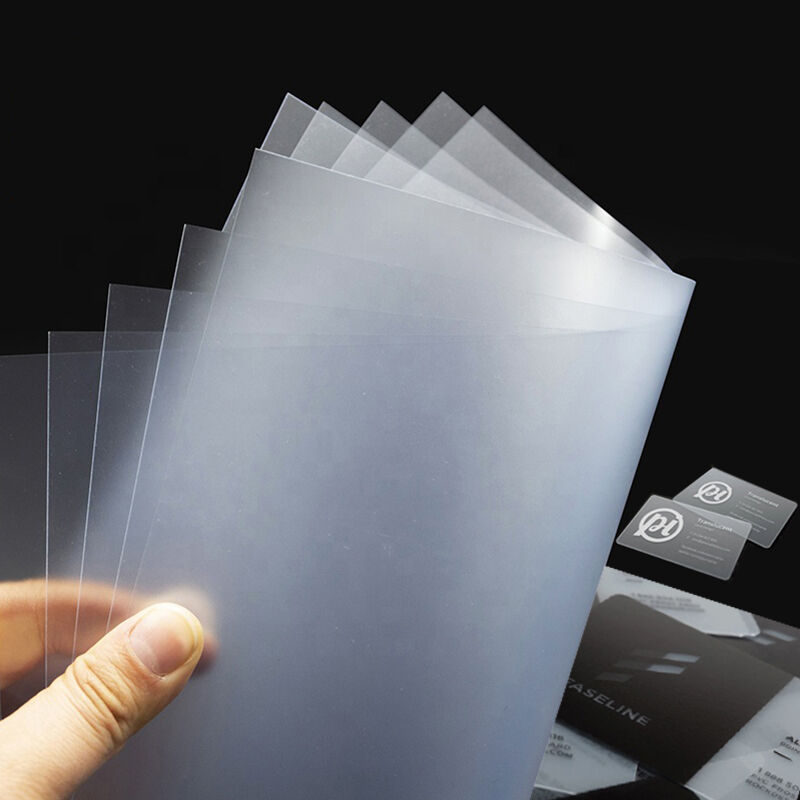
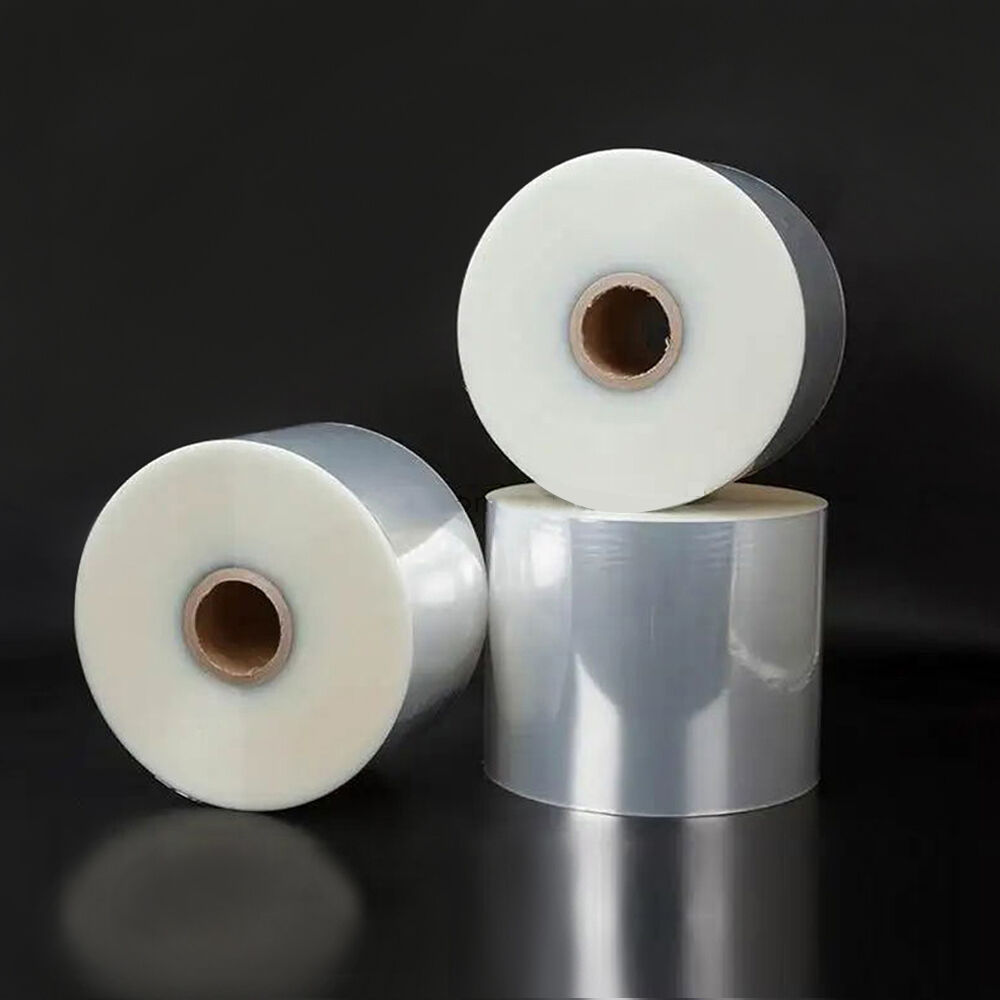
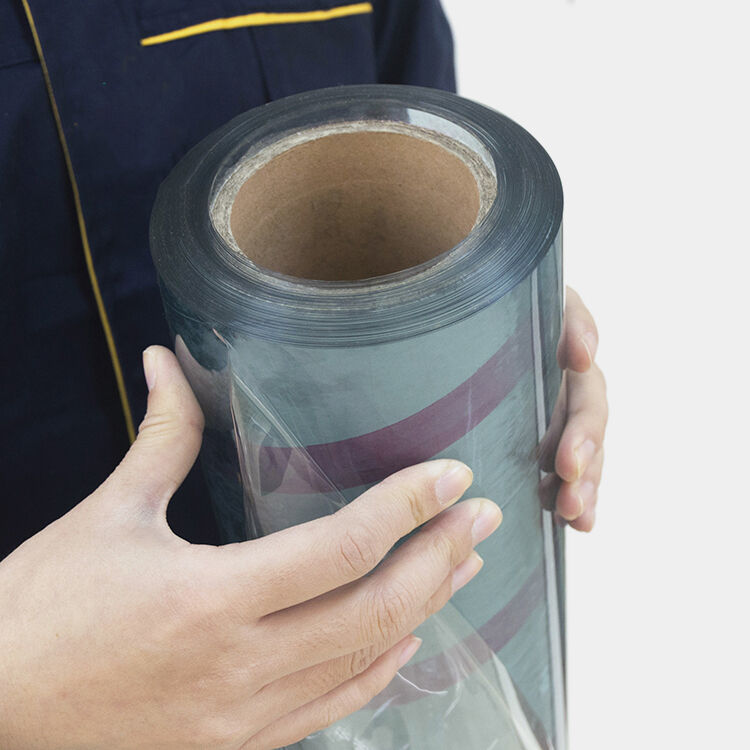
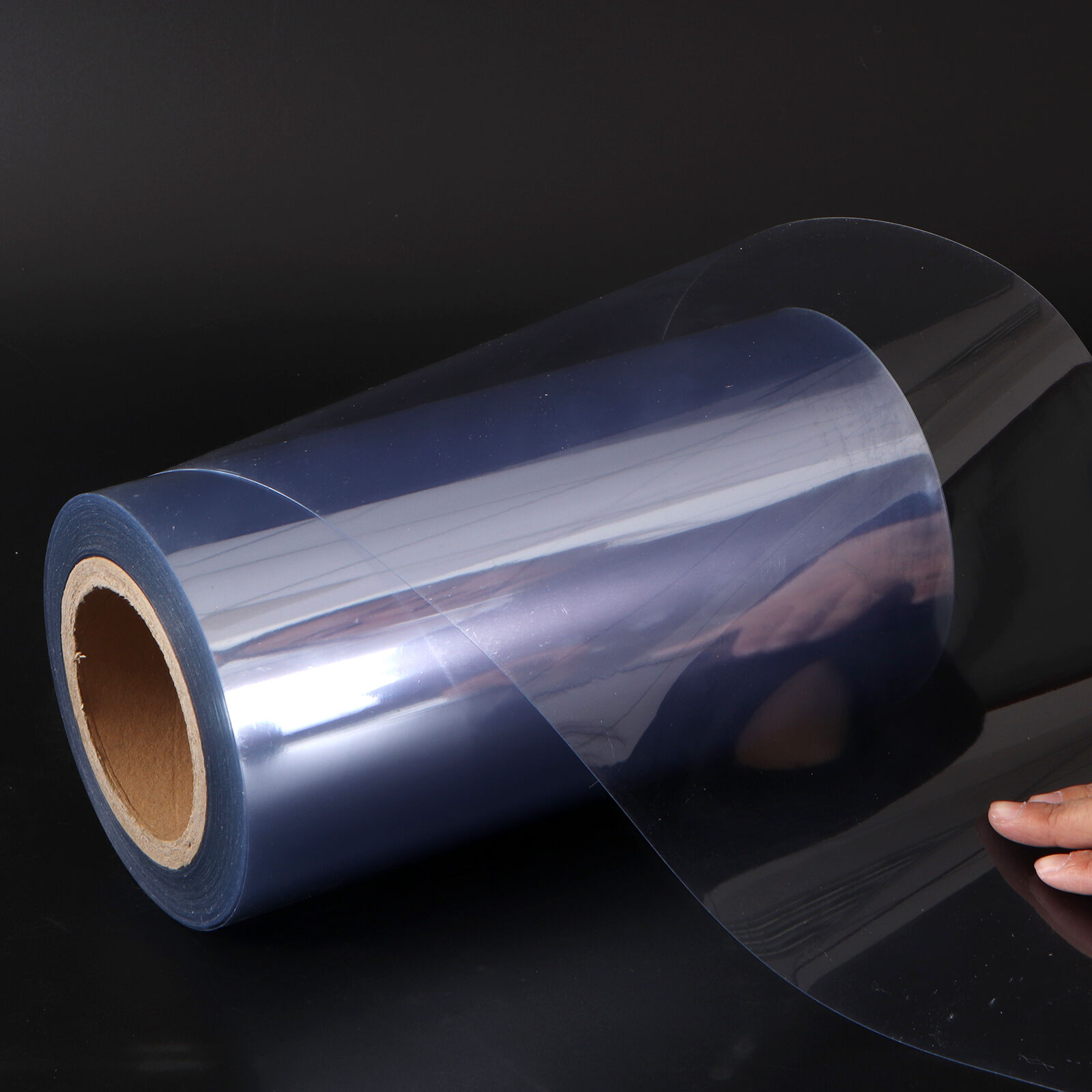
A bopet film factory represents a specialized manufacturing facility dedicated to producing biaxially oriented polyethylene terephthalate films through sophisticated industrial processes. This type of factory serves as a cornerstone in modern packaging and industrial material production, utilizing advanced polymer processing technology to create high-performance plastic films. The primary function of a bopet film factory involves transforming raw polyethylene terephthalate resin into thin, durable, and versatile film materials that exhibit exceptional mechanical and optical properties. The manufacturing process begins with melting PET resin at precisely controlled temperatures, followed by extrusion through specialized dies to form initial sheets. These sheets then undergo simultaneous or sequential stretching in both machine and transverse directions, a process that fundamentally alters the molecular structure and dramatically enhances material properties. The factory incorporates multiple production lines equipped with sophisticated machinery including extruders, stretching units, coating stations, slitting equipment, and quality control systems. Technological features of a modern bopet film factory include automated process control systems that monitor and adjust temperature, tension, speed, and thickness parameters in real-time to ensure consistent product quality. Advanced coating technologies enable the application of functional layers that enhance barrier properties, heat sealability, printability, or provide specialized characteristics such as metallization receptivity. The applications of films produced in a bopet film factory span numerous industries including flexible packaging for food and beverages, pharmaceutical blister packs, electronic component insulation, solar panel backsheets, graphic arts and printing substrates, magnetic tape bases, and industrial lamination materials. The factory typically operates continuous production processes running twenty-four hours daily to maximize efficiency and output volume. Quality assurance laboratories within the facility conduct rigorous testing for thickness uniformity, tensile strength, clarity, surface treatment levels, and other critical specifications. Environmental control systems maintain optimal humidity and temperature conditions throughout production areas to prevent defects and ensure film stability during manufacturing and storage phases.

Popular Products

Choosing to work with a bopet film factory provides numerous practical benefits that directly impact your business operations and product quality. First and foremost, these specialized facilities deliver consistent material quality through controlled manufacturing environments and standardized processes, which means you receive film products that meet exact specifications batch after batch without unexpected variations. This reliability eliminates the costly problems associated with inconsistent materials such as production downtime, rejected goods, and customer complaints. The production capacity of a dedicated bopet film factory allows you to scale your orders according to business needs, whether you require small quantities for testing new products or large volumes for major production runs. This flexibility helps you manage inventory costs effectively while ensuring material availability when you need it. Cost efficiency represents another significant advantage, as these factories achieve economies of scale through specialized equipment and optimized processes that reduce per-unit production costs compared to alternative film materials or smaller production operations. You benefit from these efficiencies through competitive pricing that improves your profit margins or allows you to offer better value to your customers. The technical expertise concentrated within a bopet film factory provides valuable support for your specific application requirements. Engineers and technical staff understand material properties deeply and can recommend optimal film grades, thicknesses, and surface treatments for your particular use case, saving you time and reducing the trial-and-error typically involved in material selection. Customization capabilities enable you to obtain films tailored to your exact needs, including specific thickness profiles, surface treatments, coatings, or special additives that enhance performance for your application. This customization eliminates compromises and helps your products perform better in the marketplace. Supply chain reliability improves when partnering with an established bopet film factory because these facilities maintain steady production schedules and adequate inventory buffers to fulfill orders promptly. You avoid the frustrations and costs associated with material shortages or delayed shipments that disrupt your manufacturing schedule. Quality certifications maintained by professional factories provide assurance that materials meet international standards and regulatory requirements relevant to your industry, whether food contact regulations, electrical safety standards, or environmental compliance mandates. This certification reduces your compliance burden and liability risks. Innovation access represents an often-overlooked advantage, as leading factories invest in research and development to create improved formulations and processing techniques. You gain early access to these innovations, potentially giving your products competitive advantages through enhanced performance or new capabilities. Technical documentation and support services help your team work with the materials effectively, including processing guidelines, troubleshooting assistance, and application engineering support that accelerates your product development cycles and reduces manufacturing challenges.

Latest News

Why Is Flexible PVC Film Applied in Curtain and Decorative Materials?

15

Apr

Why Is Flexible PVC Film Applied in Curtain and Decorative Materials?

The widespread adoption of Flexible PVC Film in curtain and decorative material applications stems from a unique combination of performance attributes that address both functional and aesthetic requirements in commercial and residential environments....
View More
How Is PVC Roll Used in Automatic Thermoforming Production Lines?

20

Apr

How Is PVC Roll Used in Automatic Thermoforming Production Lines?

Automatic thermoforming production lines represent a cornerstone of modern packaging and manufacturing operations, where precision, speed, and material consistency determine profitability and product quality. Within these sophisticated systems, the P...
View More
Why Do Factories Use PVC Sheet for Electronic Component Packaging?

24

Apr

Why Do Factories Use PVC Sheet for Electronic Component Packaging?

Electronic component packaging demands materials that combine protective performance with economic viability, and PVC sheet for electronic component packaging has become an industry standard for good reason. Factories worldwide rely on this versatile...
View More
How Is Flexible PVC Film Used for Tablecloth Manufacturing Applications?

15

Apr

How Is Flexible PVC Film Used for Tablecloth Manufacturing Applications?

Flexible PVC film has become an indispensable material in the tablecloth manufacturing industry, offering manufacturers a versatile solution that combines durability, aesthetic appeal, and functional performance. This synthetic polymer material under...
View More

Get a Free Quote

Our representative will contact you soon.
Email
Name
Company Name
Mobile/WhatsApp
Message
0/1000

bopet film factory

Advanced Production Technology Ensuring Superior Film Performance

Advanced Production Technology Ensuring Superior Film Performance

The technological sophistication embedded within a modern bopet film factory fundamentally determines the quality and performance characteristics of the output materials. At the heart of this technology lies the biaxial orientation process, which involves stretching the polymer film in two perpendicular directions under precisely controlled conditions. This orientation process aligns polymer chains along both axes, creating a molecular structure that exhibits dramatically enhanced mechanical strength, dimensional stability, and optical clarity compared to unoriented films. The stretching ratios, temperatures, and speeds are carefully optimized based on desired film properties, with typical ratios ranging from three to four times the original dimensions in each direction. State-of-the-art extrusion systems within the bopet film factory utilize twin-screw extruders that provide superior mixing, temperature control, and output consistency compared to older single-screw designs. These extruders process polyethylene terephthalate resin that has been carefully dried to remove moisture, which could otherwise cause hydrolytic degradation during the high-temperature melting process. Melt filtration systems remove any contamination or gel particles that could create defects in the finished film, ensuring optical clarity and uniform thickness. The casting process deposits the molten polymer onto precisely temperature-controlled chill rolls that rapidly solidify the material into an amorphous sheet with the exact thermal and structural properties needed for successful orientation. Sequential or simultaneous stretching technologies each offer distinct advantages depending on the desired film characteristics. Sequential systems stretch first in the machine direction through differential roll speeds, then in the transverse direction within a tenter frame, allowing independent optimization of properties in each axis. Simultaneous systems stretch both directions at once, creating more balanced properties and often superior dimensional stability. Advanced tenter frame designs incorporate sophisticated grip systems that hold the film edges securely while applying uniform tension across the entire width, preventing edge defects and maintaining consistent film properties from edge to center. Precise temperature profiling throughout multiple heating zones ensures the polymer reaches optimal temperature for molecular orientation without degradation. Corona or plasma surface treatment systems integrated into the production line modify the film surface at the molecular level, increasing surface energy to improve ink adhesion, coating receptivity, and lamination bonding strength. These treatments are carefully controlled and monitored to achieve specified treatment levels that remain stable over time. In-line coating capabilities within the bopet film factory enable the application of functional layers including heat seal coatings, barrier coatings, primer layers for metallization, or antiblock and slip additives that facilitate handling and processing. Modern coating technologies such as reverse gravure, micro-gravure, or slot die systems apply precise coating weights with excellent uniformity. Sophisticated quality monitoring systems continuously measure film thickness, optical properties, and surface characteristics, providing real-time feedback to automated control systems that make micro-adjustments to maintain specifications. This closed-loop control ensures every meter of film meets quality standards without requiring manual intervention or generating excessive waste from out-of-specification material.
Comprehensive Quality Control Systems Delivering Consistent Results

Comprehensive Quality Control Systems Delivering Consistent Results

Quality assurance within a bopet film factory extends far beyond simple inspection, encompassing sophisticated testing protocols, statistical process control methodologies, and comprehensive documentation systems that guarantee material consistency and performance reliability. The quality journey begins with incoming raw material inspection, where laboratory technicians analyze polyethylene terephthalate resin for critical properties including intrinsic viscosity, which indicates polymer molecular weight and directly affects film mechanical properties. Moisture content testing ensures resin has been adequately dried before processing, preventing hydrolytic chain scission during melting that would compromise film strength and clarity. Color and clarity measurements establish baseline characteristics that influence final film appearance. Throughout the production process, automated measurement systems continuously monitor key parameters without disrupting material flow. Thickness gauging systems using beta radiation, infrared sensors, or capacitive measurement techniques scan across the film width multiple times per second, detecting variations as small as a fraction of a micron. This data feeds into profile control systems that automatically adjust die bolts or extruder parameters to maintain uniform thickness distribution. Optical property monitoring measures clarity, haze, and gloss using calibrated spectrophotometers that quantify how much light passes through or reflects from the film surface. These properties directly impact packaging appearance and printability, making consistent control essential for customer satisfaction. Tensile testing equipment in the quality laboratory regularly samples production to verify mechanical properties including tensile strength in both machine and transverse directions, elongation at break, elastic modulus, and tear resistance. These tests confirm that the orientation process has properly developed the molecular structure needed for end-use performance. Surface treatment level measurement using standardized solutions or electronic instruments ensures that corona or plasma treatment has achieved the specified surface energy required for adequate ink or coating adhesion. Treatment levels naturally decay over time, so the bopet film factory conducts testing on aged samples to verify that treatment remains effective throughout the material's shelf life. Coefficient of friction testing measures how easily film surfaces slide against each other or against metal processing equipment, which affects runnability on high-speed packaging lines and printing presses. The factory adjusts slip additive levels to achieve optimal friction properties for different applications. Barrier property testing quantifies oxygen transmission rate, water vapor transmission rate, and other permeation characteristics relevant to packaging applications where product protection from environmental factors is critical. Heat seal strength testing for coated films measures the force required to separate sealed areas, ensuring packaging integrity. Dimensional stability testing evaluates how much the film shrinks or expands when exposed to elevated temperatures, which affects registration in multicolor printing and lamination processes. The bopet film factory maintains comprehensive statistical process control charts tracking all these parameters over time, identifying trends before they result in out-of-specification material. Traceability systems link every roll of finished film back through production parameters, raw material lots, and quality test results, enabling rapid investigation if any customer issues arise. Certification to international quality management standards such as ISO 9001 demonstrates the factory's commitment to systematic quality practices and continuous improvement. For food packaging applications, additional certifications verify compliance with food contact regulations in various markets. This comprehensive quality infrastructure gives you confidence that materials from a professional bopet film factory will perform consistently in your processes and meet your customers' expectations.
Versatile Applications and Customization Capabilities Meeting Diverse Market Needs

Versatile Applications and Customization Capabilities Meeting Diverse Market Needs

The remarkable versatility of films produced in a bopet film factory stems from the ability to tailor material properties through formulation adjustments, thickness selection, surface treatments, and functional coatings to meet specific application requirements across diverse industries. In flexible packaging, which represents the largest market for these films, manufacturers leverage the excellent clarity and gloss to create attractive packages that showcase products effectively on retail shelves. The high tensile strength and puncture resistance protect package contents during distribution and handling, reducing product loss from package failures. Excellent dimensional stability ensures that printed graphics remain in precise registration during multicolor printing processes and that packages maintain their shape rather than distorting or wrinkling. The bopet film factory can produce films with specialized heat seal coatings that enable package fabrication using high-speed form-fill-seal equipment, dramatically improving packaging efficiency. Barrier coatings or metallization provide protection against oxygen, moisture, light, and aromas, extending product shelf life for sensitive foods, pharmaceuticals, and other perishables. In the electronics industry, films from a bopet film factory serve as electrical insulation in applications ranging from motor windings to capacitor dielectrics and flexible printed circuit substrates. The excellent dielectric strength prevents electrical breakdown while the dimensional stability maintains precise circuit patterns even at elevated operating temperatures. Specialized grades with controlled surface resistivity prevent static buildup that could damage sensitive electronic components. For industrial applications, these films function as release liners, protective layers during manufacturing processes, and carriers for adhesive tapes. The smooth, uniform surface ensures consistent release properties while the mechanical strength allows thin gauges that minimize material costs. In imaging and graphics applications, specially treated films accept inks readily and maintain printed image quality over time, serving as substrates for labels, decals, overlays, and outdoor signage. The excellent weatherability and UV resistance prevent degradation from sunlight exposure. The renewable energy sector utilizes films from bopet film factories as backsheet components in solar panels, where the material must withstand decades of outdoor exposure while providing electrical insulation and moisture protection. Specialized formulations with enhanced UV resistance and hydrolysis resistance meet these demanding requirements. Customization capabilities within a bopet film factory enable precise optimization for each application. Thickness can be adjusted from under twelve microns for lightweight packaging to over three hundred microns for industrial applications requiring maximum strength and rigidity. Copolymer formulations incorporate additional monomers that modify properties such as heat seal temperature, chemical resistance, or flexibility. Additive packages including UV absorbers, antioxidants, antiblock agents, and slip additives fine-tune performance characteristics. Multi-layer coextrusion technology combines different polymer formulations in a single film structure, placing specific properties exactly where needed. For example, a heat-sealable layer on one surface while maintaining non-stick properties on the opposite surface. Surface treatment intensity can be adjusted from light treatment for basic adhesion to aggressive treatment for difficult coatings or inks. Specialty coatings applied in-line or off-line add functionality including anti-fog properties for fresh produce packaging, easy-open features for consumer convenience, or antimicrobial properties for healthcare applications. The technical staff at a professional bopet film factory works closely with customers to understand their specific requirements and recommend optimal film specifications. Pilot trials and sample production allow validation before committing to full production runs. This collaborative approach and extensive customization capability ensure that films from a bopet film factory deliver optimal performance for your particular application, providing competitive advantages through enhanced functionality or cost efficiency.

Get a Free Quote

Our representative will contact you soon.
Email
Name
Company Name
Mobile/WhatsApp
Message
0/1000