Description:
Product Name & HS code |
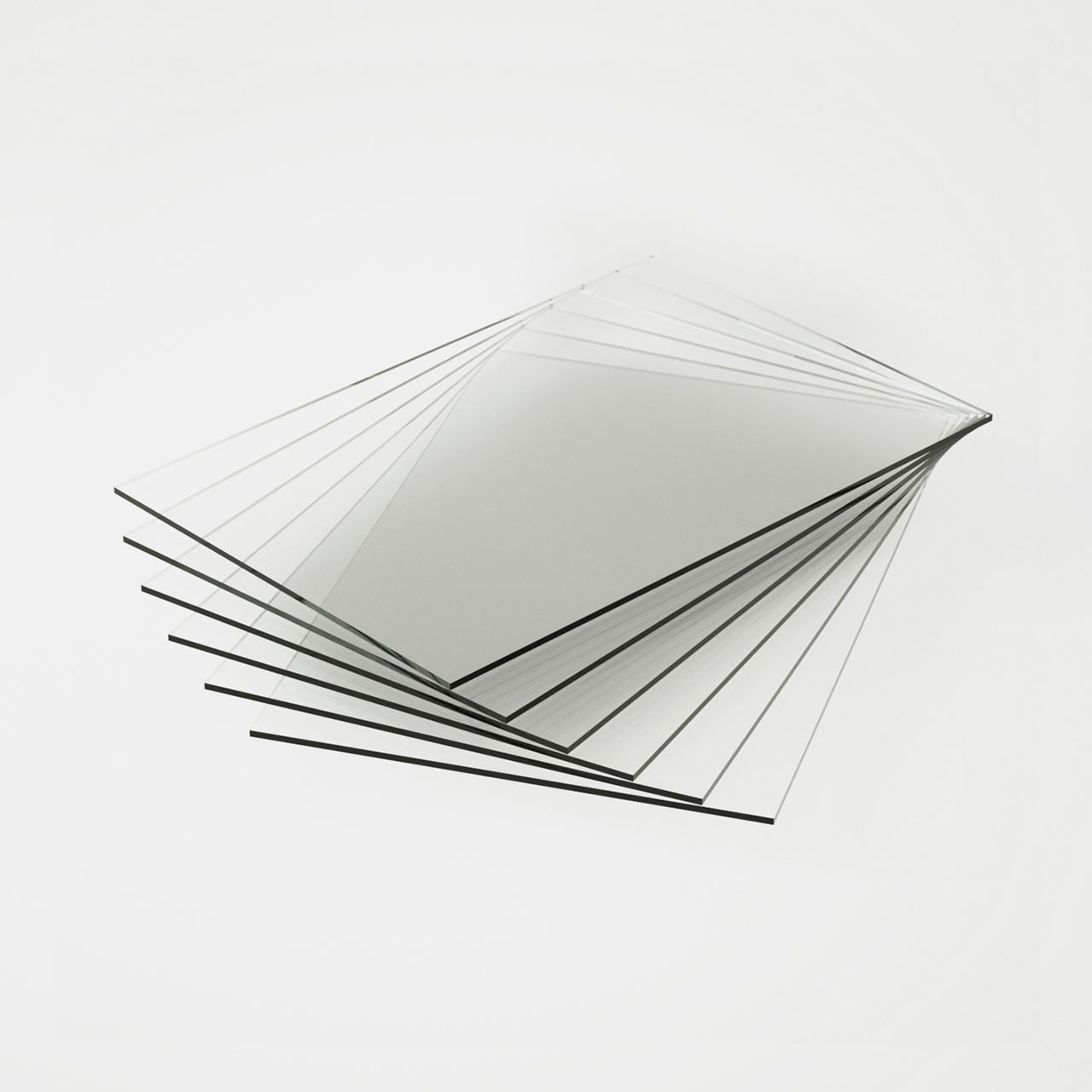
Rigid ABS Sheet |
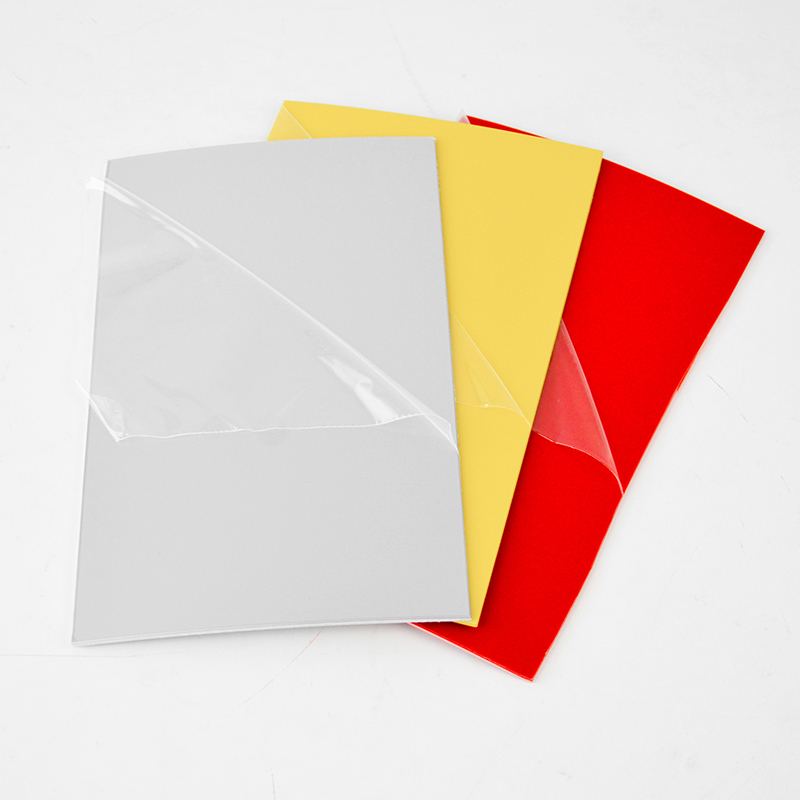
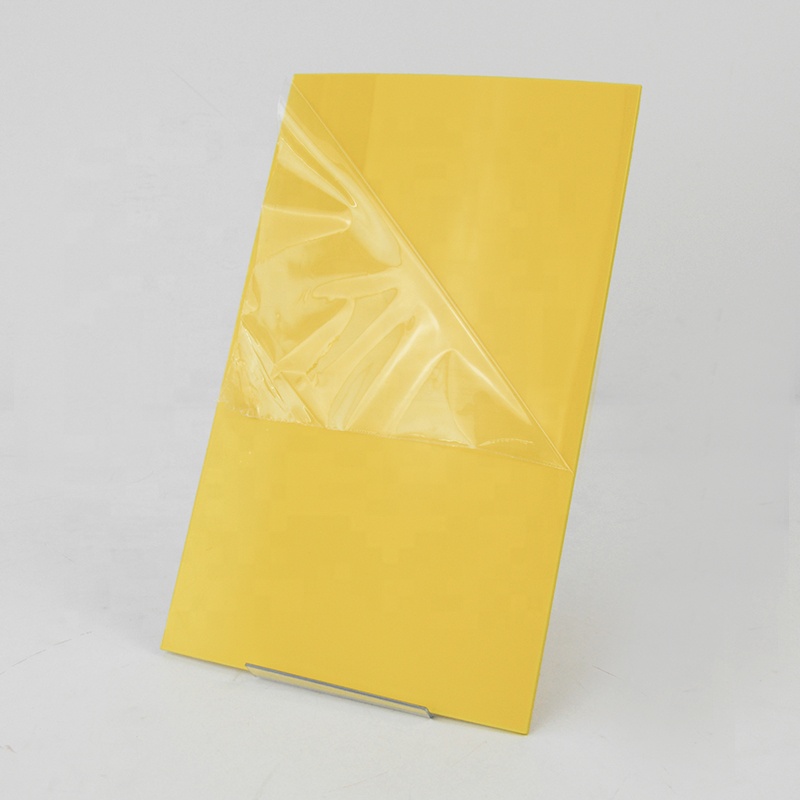
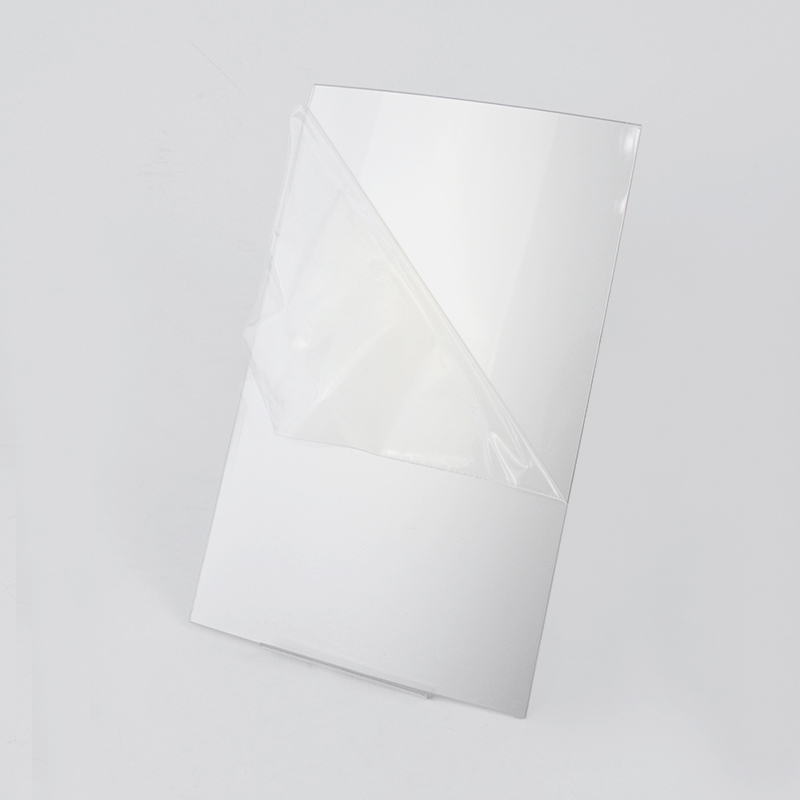
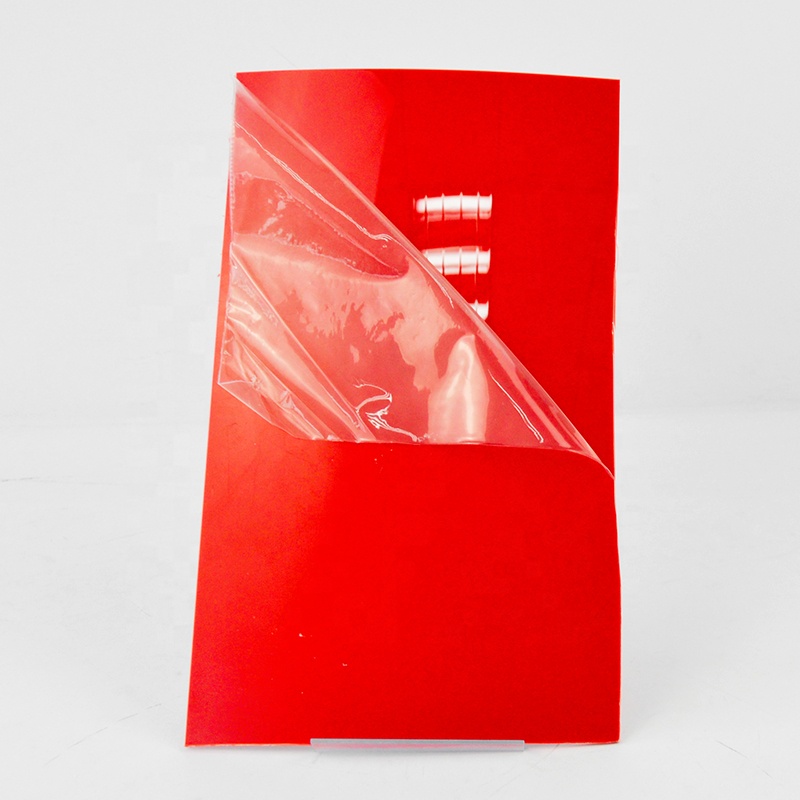
Available Colors |
Clear/Transparent/White/Black/Grey/Blue/ Red /Green/ others |
Sizes |
Custom sizes |
Thickness |
0.3mm-12mm(Custom thickness) |
Thickness Tolerance |
according to GB (higher than GB) |
Surface |
Glossy/matte/embossing |
Density |
1.1g/cm³ |
Core |
Paper or Plastic |
MOQ |
500 kg for Clear; 1000 kg for Colored |
Package Method |
Wrapped in Plastic Bag; Filled in Paper Box; or Packed on Pallet |
Free Samples |
Samples are Free |
Processing Service |
Cutting / Moulding |
Application |
Automotive and Transportation Industry,Billboard Advertising Printing,Luggage & Suitcase,Refrigeration Industry,etc |
ABS - What does it stand for ?
ABS stands for Acrylonitrile Butadiene Styrene. It is an impact-resistant engineering thermoplastic. It has an amorphous polymer. ABS is made up of three monomers: acrylonitrile, butadiene, and styrene.
Features of ABS Sheet Advantages
- Good mechanical strength, high impact strength.
- Resists scratching, excellent abrasion resistance.
- Good electrical properties, moisture and creep resistance.
- High dimentional stability, good luster.
- Good chemical and stress cracking resistance to inorganic salt solutions, alkalis and many acids.
- Fire resistance.
- Easy to print (UV printing, Screen Printing, Digital Printing...).
ABS material, namely acrylonitrile-butadiene-styrene copolymer, combines the excellent properties of the three monomers and has unique characteristics and a wide range of application fields.
Characteristics of ABS material
Key Properties of ABS Material
1. Excellent Mechanical Performance
High impact resistance, good rigidity, and moderate flexibility — providing a balanced combination of strength and toughness for demanding applications.
2. Good Chemical & Weather Resistance
Resistant to corrosion, chemicals, and general weathering. Note: prolonged UV exposure may cause aging, yellowing, or surface flaking — protective coating is recommended for outdoor use.
3. Superior Processability
Excellent thermoplasticity makes injection molding the preferred production method, enabling fast, efficient manufacturing of complex-shaped parts with high dimensional consistency.
4. Secondary Processing Capability
After initial forming, ABS supports a wide range of secondary operations including machining, welding, painting, and adhesive bonding — offering flexibility for post-production customization.
5. High-Quality Surface Finish
Naturally high gloss with a smooth, aesthetically pleasing surface and good tactile texture, requiring minimal finishing for consumer-facing applications.
6. Excellent Printability & Paintability
Surface readily adheres to coatings and inks, making it well-suited for screen printing, pad printing, spray painting, and other decorative finishing processes.
Applications of ABS materials
Common Applications of ABS Plastic Sheet
ABS plastic sheet is widely used across diverse industries due to its excellent impact resistance, dimensional stability, and easy thermoforming. Key application areas include:
Automotive Industry
Interior components: dashboards, door interior panels, seat armrests
Exterior components: bumpers, rearview mirror housings
Electronics & Electrical Appliances
Electronic product casings: mobile phones, computers, tablets, keyboard keys
Household appliance casings and panels: televisions, refrigerators, washing machines
Construction & Decoration
Building piping: drainage pipes, ventilation pipes, chemical pipes
Decorative materials: decorative trim lines, ceilings, wall decoration panels
Consumer Goods
Toys: building blocks, dolls, models
Stationery: pen barrels, folders, pencil cases
Industrial & Safety




 EN
