 EN
EN

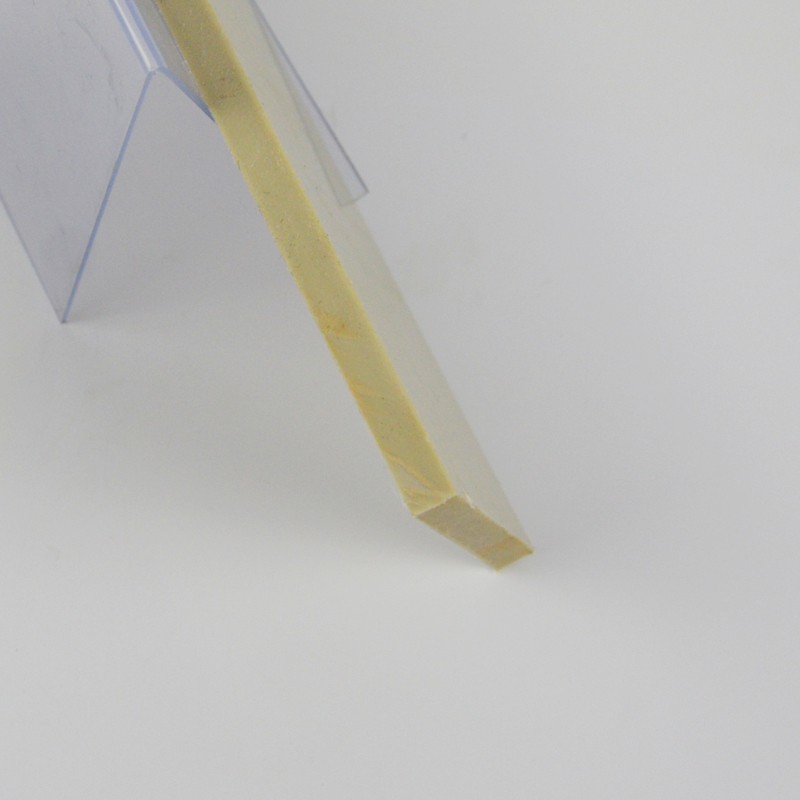
When you pick up a sturdy folder at the office or slide a document into a protective sleeve, there is a good chance the material you are holding is a PP sheet. Polypropylene has become the dominant material choice across the stationery and document packaging industry, and that dominance is not accidental. It reflects a combination of physical properties, processing advantages, and cost efficiencies that few other materials can match in this specific application.
Understanding why PP sheet is so widely adopted for folder covers and document packaging requires looking beyond surface-level material descriptions. The reasons are rooted in how polypropylene behaves under real-world conditions — repeated handling, exposure to moisture , mechanical stress from binders and clips, and the need to present a professional appearance over an extended product lifespan. This article breaks down the core reasons why PP sheet has earned its place as the material of choice in this category.
The Physical Properties That Make PP Sheet Ideal for Folder Covers
Durability and Resistance to Everyday Wear
One of the primary reasons PP sheet is selected for folder covers is its exceptional resistance to physical wear. Folders are handled dozens of times each day — opened, closed, stacked, carried, and slid across desks. A material that cannot withstand this level of mechanical stress will crack, tear, or deform quickly, making it unsuitable for professional use.
PP sheet offers a balance of rigidity and flexibility that is difficult to replicate with paper-based or PVC alternatives. It can be flexed repeatedly without developing stress fractures, which is a critical performance requirement for folder covers that are opened and closed constantly. This inherent toughness means that products made from PP sheet maintain their structural integrity far longer than those made from cardboard or thinner plastic films.
The surface of PP sheet also resists scratching and scuffing under normal office conditions. This keeps folder covers looking clean and professional even after extended use, which matters in business environments where presentation reflects on the organization using the materials.
Moisture and Chemical Resistance
Documents are valuable, and protecting them from moisture is a fundamental requirement of any packaging or folder material. PP sheet is inherently hydrophobic, meaning it does not absorb water. This property makes it highly effective at protecting paper documents from humidity, spills, and condensation — all common hazards in office and storage environments.
Unlike cardboard, which warps and weakens when exposed to moisture, PP sheet maintains its shape and structural strength regardless of ambient humidity levels. This makes it particularly well-suited for document storage in warehouses, archives, and environments where climate control is inconsistent.
PP sheet also resists a wide range of common chemicals, including cleaning agents, inks, and adhesives. This chemical inertness means that accidental contact with office substances will not degrade the material or cause it to discolor, ensuring that folder covers remain presentable throughout their service life.
Processing and Manufacturing Advantages of PP Sheet
Ease of Cutting, Scoring, and Forming
From a manufacturing perspective, PP sheet is one of the most process-friendly materials available for stationery production. It can be cut cleanly with standard die-cutting equipment, scored precisely for fold lines, and formed into complex shapes without requiring specialized tooling. This processing versatility allows manufacturers to produce folder covers and document packaging components efficiently and at scale.
The scoring behavior of PP sheet is particularly important for folder production. A well-scored PP sheet creates a clean, consistent fold line that holds its position without cracking or splitting. This is essential for producing folders with crisp, professional-looking spines and cover edges. Paper-based materials often crack at fold lines over time, while PP sheet maintains fold integrity through thousands of open-and-close cycles.
PP sheet is also compatible with a wide range of printing and surface finishing processes, including offset printing, screen printing, and so on. This allows manufacturers to produce branded, colored, or custom-printed folder covers directly on the material without requiring additional lamination layers, simplifying the production process and reducing material costs.
Thermoforming and Welding Compatibility
For more complex document packaging applications — such as document wallets, zip-closure folders, and multi-pocket organizers — PP sheet offers excellent thermoforming and ultrasonic welding compatibility. These processes allow manufacturers to create sealed pockets, reinforced edges, and integrated closure mechanisms directly from the PP sheet without adhesives or additional fasteners.
Ultrasonic welding of PP sheet produces strong, clean seams that are both waterproof and mechanically robust. This is a significant advantage over stitched or glued constructions, which can fail under stress or when exposed to moisture. The result is a document packaging product that is both more durable and more professional in appearance.
The thermoforming capability of PP sheet also enables the production of embossed textures and three-dimensional surface features, which are commonly used to add grip, visual interest, and brand differentiation to folder covers and document packaging products.
Environmental and Sustainability Considerations
Recyclability of PP Sheet
Sustainability has become an increasingly important factor in material selection across the stationery and office supply industry. PP sheet holds a meaningful advantage in this area because polypropylene is a fully recyclable plastic. Products made from PP sheet can be collected, processed, and reintroduced into the material supply chain at the end of their useful life.
This recyclability is a significant differentiator compared to multi-layer laminated cardboard or PVC-based folder materials, which are more difficult to recycle due to their composite construction. A folder cover made from a single-material PP sheet is far simpler to process in standard recycling streams, making it a more environmentally responsible choice for organizations with sustainability commitments.
Manufacturers are also increasingly producing PP sheet from recycled polypropylene content, further reducing the environmental footprint of the material. Eco-friendly colored PP sheet options are now widely available, allowing buyers to meet both aesthetic and sustainability requirements without compromise.
Longevity as a Sustainability Factor
The durability of PP sheet also contributes to its sustainability profile in a practical sense. A folder cover that lasts three to five years in active use represents a far lower environmental impact per unit of function than a cardboard cover that needs to be replaced every few months. Longevity reduces the total volume of material consumed and the frequency of replacement purchasing.
For organizations managing large volumes of document storage — legal firms, financial institutions, government agencies, and educational institutions — the extended service life of PP sheet-based folders translates directly into lower procurement costs and reduced waste generation. This makes PP sheet not just an environmentally sound choice but also a financially rational one over the medium and long term.
Aesthetic Versatility and Professional Presentation
Color, Transparency, and Surface Finish Options
PP sheet is available in an exceptionally wide range of colors, opacities, and surface finishes, giving designers and buyers significant flexibility in creating folder covers and document packaging that align with brand identities and functional requirements. From fully transparent sheets that allow document contents to be visible through the cover, to opaque solid colors for a clean professional look, PP sheet accommodates virtually every aesthetic requirement.
Matte, gloss, and frosted surface finishes are all achievable with PP sheet, each offering a distinct visual and tactile character. Matte finishes reduce glare and fingerprint visibility, making them popular for high-use office folders. Gloss finishes enhance color vibrancy and are commonly used for presentation folders and marketing materials. Frosted finishes offer a premium, semi-transparent appearance that is widely used in professional document wallets and report covers.
The color stability of PP sheet is also noteworthy. Unlike paper-based materials that yellow and fade over time, PP sheet retains its color and clarity for years under normal storage and use conditions. This long-term color stability is important for organizations that use color-coded filing systems, where consistent color identification is essential for operational efficiency.
Thickness Options for Different Applications
PP sheet is produced in a wide range of thicknesses, typically from 0.3 mm to 1.0 mm for stationery and document packaging applications. This range allows manufacturers and buyers to select the precise level of rigidity and weight appropriate for each specific product type. Thin PP sheet in the 0.3 to 0.5 mm range is commonly used for document sleeves, report covers, and lightweight folder inserts. Medium thicknesses in the 0.5 to 1.0 mm range are standard for general-purpose folder covers and document wallets. Heavier gauges above 1.0 mm are used for binder covers, presentation folders, and archival document boxes where maximum rigidity is required.
This thickness versatility means that a single material — PP sheet — can serve the full spectrum of document packaging needs within an organization, simplifying procurement and ensuring material consistency across product lines. Buyers can standardize on PP sheet as their primary material and simply adjust thickness specifications to meet the requirements of each application.
FAQ
What thickness of PP sheet is most commonly used for folder covers?
For standard office folder covers, PP sheet in the 0.5 to 0.8 mm thickness range is most commonly specified. This range provides sufficient rigidity to protect documents and maintain cover shape while remaining lightweight enough for comfortable daily use. Thicker gauges above 1.0 mm are typically reserved for heavy-duty binders and archival applications where maximum structural strength is required.
Is PP sheet safe for long-term document storage?
Yes, PP sheet is considered safe for long-term document storage. Polypropylene is chemically inert and does not off-gas acidic compounds that could degrade paper documents over time. This is a significant advantage over PVC-based materials, which can release plasticizers that cause paper yellowing and brittleness. For archival applications, PP sheet is generally the preferred plastic material precisely because of its chemical stability.
Can PP sheet folder covers be printed with custom branding?
PP sheet is compatible with several printing methods, including screen printing, offset printing with appropriate surface treatment. For best adhesion, the surface of PP sheet is typically corona-treated before printing to improve ink bonding. This allows manufacturers to produce fully customized, branded folder covers with high-quality graphics directly on the PP sheet surface without requiring additional lamination.
How does PP sheet compare to PVC for document packaging applications?
PP sheet and PVC both offer good clarity and flexibility for document packaging, but PP sheet has several practical advantages. It is lighter, more chemically stable, easier to recycle, and free from the plasticizer-related concerns associated with PVC. PP sheet also performs better in cold temperatures, where PVC can become brittle. For most modern document packaging applications, PP sheet is the preferred choice due to its combination of performance, safety, and environmental profile.