 EN
EN

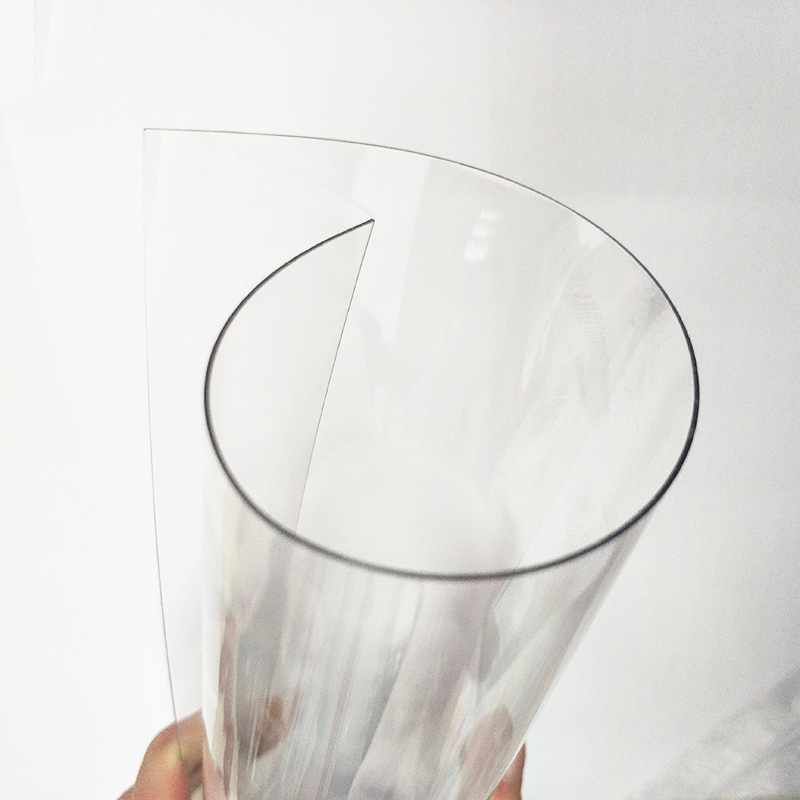
In modern retail and consumer goods packaging, the visual appeal of a paper box plays a decisive role in purchase decisions. One of the most effective ways to enhance that appeal is by incorporating a transparent window that allows shoppers to see the product inside without opening the package. The PET sheet for folding box applications has become the material of choice for achieving exactly this effect — combining optical clarity, structural integrity, and printability in a single, versatile film.
Understanding how a PET sheet for folding box is actually applied within the printed packaging window process requires looking at material properties, printing compatibility, fabrication methods, and the final assembly steps that bring a finished carton to life. This article walks through each stage of that process, offering practical insight for packaging engineers, brand managers, and procurement professionals who want to make informed decisions about transparent window materials.
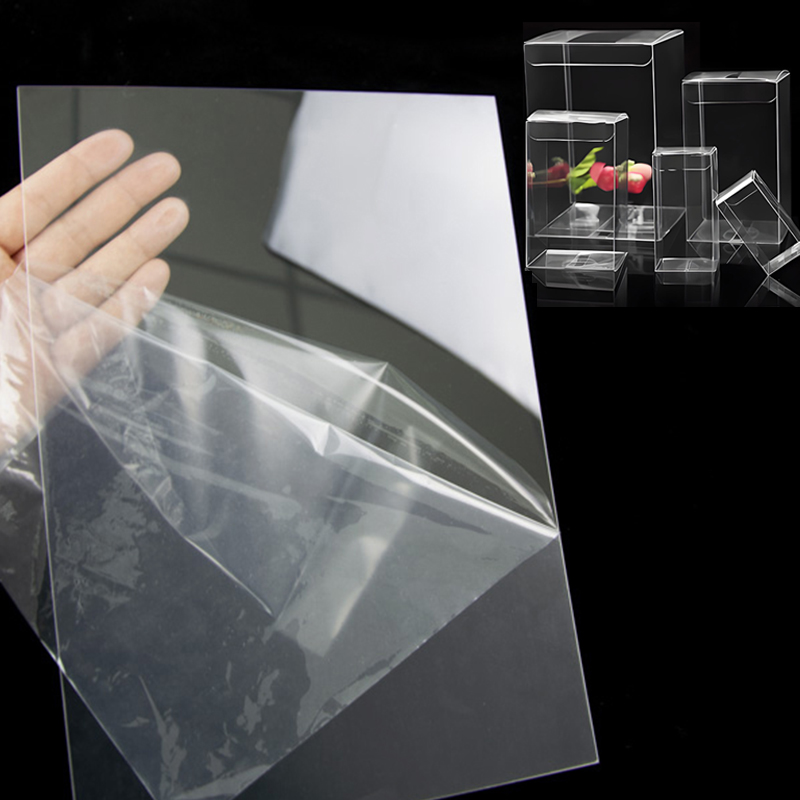
The Role of PET Sheet in Packaging Window Design
Why Transparency Matters in Folding Carton Windows
A packaging window serves one fundamental purpose: to create a direct visual connection between the product and the consumer. Whether the box contains chocolates, cosmetics, electronics accessories, or toys, a well-placed clear window builds instant trust and encourages purchase. The quality of that transparency is directly tied to the material used to fill the window aperture.
A PET sheet for folding box delivers superior optical clarity when compared to alternatives such as PVC or OPS film. The material's inherent molecular structure allows light to pass through with minimal distortion, ensuring that colors, textures, and product details remain vivid and true-to-life. For premium packaging categories, this clarity is non-negotiable, as it directly reflects the perceived quality of the brand.
Beyond aesthetics, the stiffness and dimensional stability of a PET sheet for folding box allow the window panel to retain its flat, smooth appearance even after the carton has been assembled, shipped, and displayed on a retail shelf. A window that warps, buckles, or develops haze undermines the entire purpose of transparent packaging.
Material Properties That Make PET Suitable for Window Applications
Polyethylene terephthalate, or PET, possesses a combination of properties that are difficult to replicate with other thermoplastic films. Its tensile strength allows thin sheets — such as a 200-micron gauge commonly specified for window packaging — to resist tearing and creasing during die-cutting, folding, and gluing operations. This mechanical resilience is critical in high-speed packaging lines where material failures cause costly downtime.
A PET sheet for folding box also offers excellent chemical resistance, meaning it will not react with inks, adhesives, or surface coatings applied during the printing and converting process. Its low moisture absorption rate ensures that the material maintains consistent dimensions and clarity in humid warehouse or retail environments. These characteristics collectively make PET the preferred substrate when a printed packaging window must maintain its appearance throughout the full product lifecycle.
Additionally, PET has a relatively high heat resistance compared to other common packaging films, which matters when boxes pass through heat-sealing tunnels or are exposed to elevated temperatures during transport. This thermal stability prevents the window from distorting or developing cloudiness that would compromise the visual integrity of the finished package.
Printing Compatibility and Surface Preparation
How PET Sheet Accepts Printing and Coating
One of the less immediately obvious yet critically important aspects of using a PET sheet for folding box windows is its relationship with printing processes. While the base PET film is naturally smooth and somewhat chemically inert, modern printable PET sheets are manufactured with surface treatments — typically corona discharge or chemical primer coatings — that raise the surface energy of the film and dramatically improve ink adhesion.
With proper surface treatment, a PET sheet for folding box can accept UV offset printing, screen printing. This opens a wide range of decorative possibilities beyond simple transparency. Brands can apply frosted effects, gradient tints, spot color printing, or branded logos directly onto the window panel, transforming it from a passive clear insert into an active design element that reinforces brand identity.
The printability of the PET sheet for folding box also enables functional applications such as printing measurement scales, instructions, or regulatory information directly on the window area. For pharmaceutical, food, and cosmetic packaging, this capability adds value without requiring additional label components, which simplifies the supply chain and reduces material waste.
Ink and Coating Systems Used on PET Windows
Not every ink system is compatible with PET substrates. Solvent-based inks formulated for polyester films provide strong adhesion and excellent color density, making them a common choice for high-volume packaging converters. UV-curable inks are also widely used on printable PET sheet for folding box applications because they cure instantly under UV lamps, eliminating solvent evaporation issues and offering scratch-resistant surfaces ideal for handling-intensive retail environments.
Water-based inks can be used on corona-treated PET surfaces, particularly where regulatory or environmental requirements discourage solvent use. However, achieving the same level of color saturation and adhesion as solvent or UV systems requires precise management of surface energy levels and ink formulation. Packaging engineers should work closely with both their PET sheet supplier and their ink manufacturer to validate compatibility before committing to a full production run.
Overprint varnishes and lamination coatings are often applied on top of printed PET sheet for folding box windows to enhance gloss, add tactile texture, or improve scuff resistance. Matte varnishes in particular create an elegant, premium-feel finish that pairs well with minimalist packaging design trends currently popular in beauty, wellness, and specialty food categories.
Die-Cutting, Folding, and Window Assembly Processes
Integrating PET Sheet into the Folding Carton Production Line
The physical application of a PET sheet for folding box begins after the paperboard carton blank has been printed and the window aperture has been die-cut. The clear sheet is typically supplied in roll or cut-sheet format and must be converted to match the exact dimensions of the window opening. Precision die-cutting of the PET window panel is essential — any deviation in size will result in visible gaps, adhesive squeeze-out, or misalignment that compromises the finished package appearance.
In automated packaging lines, the PET sheet for folding box is often fed through a window patching machine that applies hot-melt or cold-applied pressure-sensitive adhesive along a narrow border of the window panel, then positions and bonds it to the back face of the carton blank over the aperture. This process must be calibrated carefully because PET film does not stretch or forgive misregistration the way paper-based materials might.
Manual or semi-automated assembly is used for shorter production runs or highly customized packaging formats. In these cases, operators apply double-sided tape or adhesive dots to the perimeter of the pre-cut PET window and carefully align it with the aperture. While slower, this method allows for greater flexibility in window shapes — including arched, circular, or asymmetric designs that automated patching machines may not accommodate.
Folding and Gluing Considerations for PET Window Cartons
After the PET sheet for folding box has been patched to the carton blank, the flat sheet must be folded into its three-dimensional form and glued at the manufacturer's joint. The presence of the rigid PET window creates unique challenges during the folding stage because the film does not score or fold like paperboard. If the window panel extends across a fold line — which is occasionally required by certain packaging designs — the material may crack, spring back, or create visible stress lines.
Best practice in folding carton design is to keep the PET sheet for folding box window contained within a single panel face and to maintain clear margins between the film edge and any fold lines. This ensures that the structural folding of the carton does not stress the window material. Packaging engineers should review die-line templates with this constraint in mind during the design phase, before tooling is committed.
Gluing at the manufacturer's joint typically uses cold glue or hot-melt adhesive applied by automated gluing equipment. The PET sheet for folding box does not interfere with this process as long as the window patch is properly positioned and the adhesive bead follows the paperboard substrate rather than the film surface. Quality control checks at this stage should verify that the window remains perfectly flat, clear, and free of adhesive contamination on the visible face.
Performance Standards and Quality Expectations
Light transmittance, Haze, and Visual Quality Benchmarks
For packaging professionals specifying a PET sheet for folding box window application, optical performance is measured through two primary metrics: light transmittance and haze value. High-quality transparent PET film typically achieves light transmittance above 88% and haze values below 1.5%, which ensures that the product inside the box appears vivid and undistorted to the consumer. These values should be confirmed with the material supplier and tested on incoming material as part of a robust quality assurance program.
Haze can be introduced not only by the base material but also by surface scratches, handling damage, or contamination during the converting process. Storage and handling protocols for a PET sheet for folding box should specify clean room or low-dust environments, interleaving with release liners where necessary, and controlled stacking to prevent surface marring before the material is used in production.
Color neutrality is another important quality factor. Some plastic films exhibit a slight yellow or blue tint that can shift the perceived color of the product inside the box. Premium grades of PET sheet for folding box are produced with strict color neutrality controls to ensure that the window adds no unwanted tint, preserving the authentic appearance of the packaged product — particularly important for food, cosmetics, and colored consumer goods.
Sustainability and Recyclability Considerations
Sustainability has become an increasingly critical factor in packaging material selection, and a PET sheet for folding box compares favorably in this context. PET is one of the most widely recycled plastics in the global recycling infrastructure. It carries the resin identification code 1, and established collection and reprocessing streams exist in most developed markets, allowing used PET packaging components to be recovered and converted into new materials.
However, the recyclability of a folding carton with a PET window depends significantly on how the carton is structured and whether the window can be separated from the paperboard during consumer sorting or industrial processing. Packaging designers working with PET sheet for folding box windows can improve recyclability by using water-soluble adhesives that release the film from the board during the pulping process, or by designing window-release features into the carton structure that allow consumers to remove the film before disposal.
The availability of recycled-content PET film — made from post-consumer or post-industrial PET sources — provides another option for brands seeking to reduce their virgin material consumption. Recycled PET sheet for folding box applications can achieve optical and mechanical performance levels that are increasingly close to virgin material, making them a viable choice for brand owners with declared sustainability commitments.
FAQ
What thickness of PET sheet is most commonly used for folding box windows?
A 200-micron (0.2mm) gauge is one of the most widely specified thicknesses for PET sheet for folding box window applications. It offers a good balance of optical clarity, stiffness, and ease of die-cutting. Thinner gauges such as 125 or 150 microns are used when flexibility or cost reduction is prioritized, while thicker gauges up to 350 microns may be chosen for rigid premium packaging formats that require the window panel to contribute structural support to the carton.
Can PET sheet windows be produced in custom shapes beyond simple rectangles?
Yes. A PET sheet for folding box can be die-cut into virtually any shape — circular, oval, arched, hexagonal, or fully custom profile — using steel-rule or laser cutting tools. The precision of the cut is important because irregular shapes are more visible to the consumer and any deviation from the intended geometry will be immediately apparent. Custom shapes are frequently used in premium confectionery, cosmetics, and gift packaging to create differentiated shelf presence.
How should PET sheet windows be treated to prevent static buildup and dust attraction?
PET film is naturally prone to static charge accumulation, which attracts dust and lint that can mar the clarity of the window surface. Antistatic treatments, either incorporated during film manufacturing or applied as a topcoat, are available for PET sheet for folding box applications where clean-room conditions or high-clarity standards are required. Ionizing air bars installed at key points in the converting line can also dissipate static charge before it becomes a contamination issue.
Is PET sheet compatible with food-contact packaging regulations?
PET is broadly recognized as a food-contact safe material and is regulated under standards such as EU Regulation 10/2011 and FDA 21 CFR in the United States. A PET sheet for folding box intended for direct or indirect food contact should be sourced with appropriate food-grade certification documentation from the supplier. Any inks, coatings, or adhesives applied to the sheet must also comply with the relevant food-contact regulations in the target market.
Table of Contents
- The Role of PET Sheet in Packaging Window Design
- Printing Compatibility and Surface Preparation
- Die-Cutting, Folding, and Window Assembly Processes
- Performance Standards and Quality Expectations
-
FAQ
- What thickness of PET sheet is most commonly used for folding box windows?
- Can PET sheet windows be produced in custom shapes beyond simple rectangles?
- How should PET sheet windows be treated to prevent static buildup and dust attraction?
- Is PET sheet compatible with food-contact packaging regulations?