 EN
EN

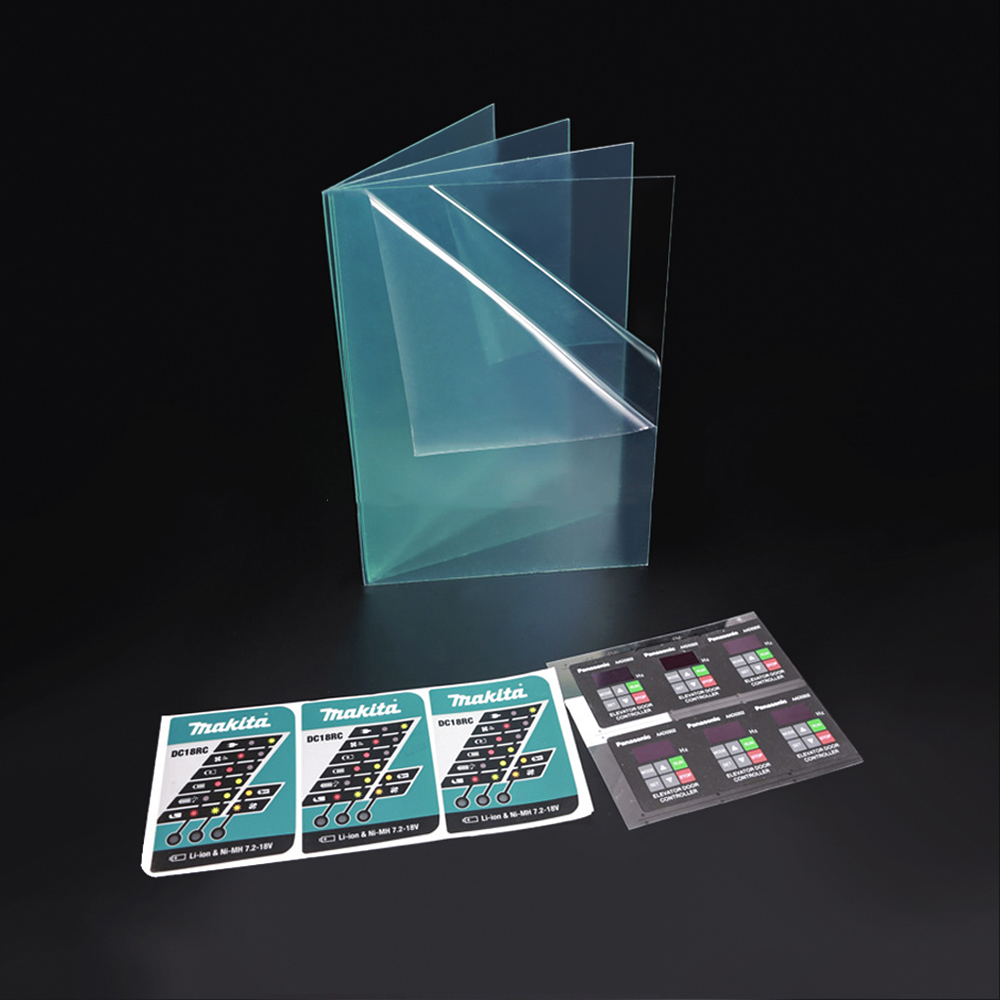
When engineers and designers need a material that combines optical clarity with serious structural resilience, PC sheet consistently emerges as the material of choice for high impact transparent protective panels. Polycarbonate, the polymer behind PC sheet, offers an extraordinary balance of properties that glass and acrylic simply cannot match in demanding industrial and commercial environments. Understanding exactly how PC sheet is used in protective panel applications requires looking at the material's physical behavior, fabrication flexibility, and the specific performance demands of each industry context.
PC sheet is not simply a transparent plastic that happens to be tough. Its use in protective panels is the result of precise engineering decisions made at every stage from material selection through forming, finishing, and installation. This article explores how PC sheet functions within high impact transparent protective panel systems, covering the material's core properties, the fabrication methods that make it panel-ready, the industries and applications where it delivers the most value, and the critical design considerations that determine whether a PC sheet panel performs as intended.
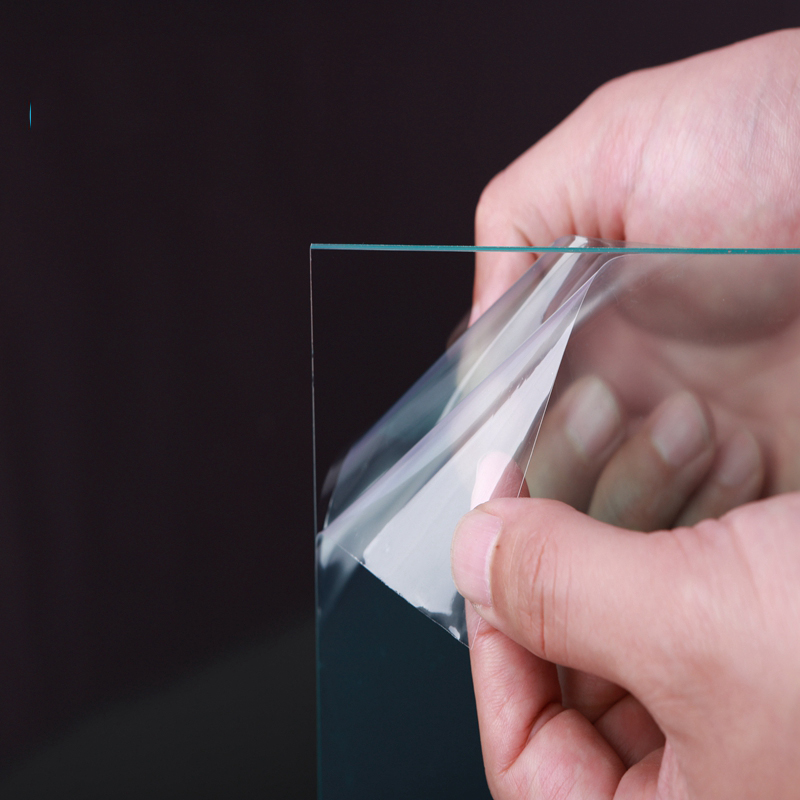
The Material Science Behind PC Sheet Performance in Protective Panels
Why Impact Resistance Defines PC Sheet's Core Value
The defining characteristic that makes PC sheet suitable for protective panels is its exceptional impact resistance. Polycarbonate absorbs and redistributes impact energy rather than fracturing, which is a behavior rooted in its molecular structure. The long polymer chains within PC sheet have enough mobility to deform elastically under sudden loads, preventing the brittle failure that makes glass and some rigid acrylics hazardous in high-risk environments. This energy-absorbing mechanism allows PC sheet to withstand impacts that would shatter alternatives while maintaining its transparency and structural integrity.
The impact strength of PC sheet is typically measured at many times that of standard glass of equivalent thickness, making it a credible safety barrier in machine guards, security glazing, and protective enclosures. Designers working with PC sheet for protective panels can specify thinner cross-sections while still meeting safety standards, reducing system weight without sacrificing protection. This is a meaningful advantage in applications where panel weight affects installation complexity, load-bearing requirements, or the overall structural design of the enclosure.
It is important to note that PC sheet's impact resistance is not unlimited and depends on thickness, surface treatments, environmental exposure, and the nature of the impact load. A properly specified PC sheet panel performs reliably within its design envelope, but over-reliance on impact resistance without proper engineering review can lead to premature failure. The material's performance is predictable and well-documented, which is precisely why it is trusted in safety-critical protective panel applications globally.
Optical Clarity and Transparency as Functional Requirements
Transparency in a protective panel is not merely an aesthetic preference. In machine guarding, the operator must see the process clearly to monitor quality and respond to faults without removing the guard. In display window protection, optical distortion would undermine the viewing experience and reduce the commercial value of the installation. PC sheet delivers light transmission values that approach those of optical-quality glass, making it a legitimate alternative where both clarity and protection are non-negotiable.
The clarity of PC sheet is consistent across its thickness range, and with proper surface coatings, it resists the yellowing and hazing that uncoated polycarbonate can develop under prolonged UV exposure. For indoor protective panel applications, raw PC sheet maintains its optical properties indefinitely under normal conditions. For outdoor installations, UV-stabilized or UV-coated PC sheet grades extend the service life of transparent protective panels substantially, preserving the visibility and appearance that make them functionally effective.
When PC sheet is used for display window protective panels in retail or electronic product environments, the optical quality directly influences how products are perceived by the end user. Distortion-free PC sheet panels allow merchandise and product surfaces to be viewed accurately, which is a commercial as well as a technical requirement. Specifiers selecting PC sheet for these applications often evaluate transmission values, haze ratings, and surface finish specifications alongside impact ratings to ensure the panel meets both safety and visual quality standards.
Fabrication Methods That Enable PC Sheet Use in Protective Panel Systems
Thermoforming and Vacuum Forming for Complex Panel Geometries
One of the key reasons PC sheet is so widely used in protective panel manufacturing is its excellent thermoformability. When heated to the appropriate processing temperature, PC sheet becomes pliable and can be shaped over molds using vacuum forming, pressure forming, or matched-die forming techniques. This allows manufacturers to produce protective panels with complex curves, recesses, formed edges, and integrated mounting features that flat sheet cannot achieve. The ability to form PC sheet into three-dimensional shapes without losing its impact resistance or optical clarity is a major fabrication advantage.
Vacuum forming is particularly common in the production of PC sheet panels for electronic product surface display windows and protective covers. The process involves heating the PC sheet until it softens, then drawing it tightly over a mold using vacuum pressure. Once cooled, the formed PC sheet panel retains the exact shape of the mold with high dimensional accuracy. This method is cost-effective for medium to high production volumes and allows designers to specify precise contours that match the product or enclosure being protected.
The thermoforming behavior of PC sheet requires careful process control to avoid stress concentrations, surface defects, or dimensional warping. Material grades optimized for vacuum forming offer improved melt flow and surface reproduction quality, which is why selecting the correct PC sheet grade for the forming process is as important as specifying the right thickness. Properly formed PC sheet protective panels exhibit uniform thickness distribution, clean surface definition, and consistent mechanical performance across the panel area.
Cutting, Drilling, and Finishing for Panel Assembly
PC sheet can be cut using standard industrial tools including circular saws, jigsaws, laser cutters, and CNC routers. Each cutting method produces different edge qualities, and the choice depends on the panel's end use. Laser cutting produces clean, sealed edges that reduce the risk of edge crazing, while saw cutting followed by edge polishing is preferred when optical edge clarity is required. For high impact transparent protective panels, edge quality matters not only aesthetically but also structurally, as rough or stressed edges can initiate crack propagation under impact loading.
Drilling PC sheet for panel mounting points requires the use of appropriate drill bit geometries and controlled feed rates to prevent cracking around the hole. Pre-drilled PC sheet panels must account for thermal expansion by using slotted or oversized mounting holes, as polycarbonate expands and contracts more than metal framing systems under temperature variation. Failure to accommodate this differential movement is a common cause of stress cracking in installed PC sheet protective panels, particularly in outdoor or temperature-variable environments.
Surface finishing of PC sheet protective panels includes hard coat application for scratch resistance, anti-reflective coating for optical applications, and anti-static treatments for electronic environments. Each finishing treatment is applied to the base PC sheet before or after forming, depending on the coating type and the forming process used. Specifying the correct surface finish ensures the completed PC sheet panel delivers the full combination of impact protection, optical performance, and surface durability required by the application.
Key Industrial and Commercial Applications of PC Sheet Protective Panels
Machine Guarding and Industrial Safety Enclosures
Industrial machine guards represent one of the most demanding applications for PC sheet protective panels. These panels must protect operators from flying debris, moving components, and fluid splatter while allowing clear visibility of the process. PC sheet meets both requirements simultaneously, which is why it is specified in machinery guarding systems across manufacturing, food processing, pharmaceutical production, and packaging industries. The combination of impact resistance and transparency makes PC sheet an enabling material for safety guard designs that do not compromise operator visibility or awareness.
In machine guarding applications, PC sheet panels are typically mounted in aluminum or steel frames with appropriate edge retention and fastener spacing. The panel thickness is selected based on the anticipated impact energy from the specific hazard, which may include tool fragments, workpiece ejection, or fluid pressure. Industry safety standards provide guidance on minimum PC sheet thickness for different hazard categories, and compliance with these standards is a fundamental requirement for protective panel specification in regulated industrial environments.
Maintenance access is also a design consideration in machine guarding with PC sheet. Hinged or removable panel designs allow operators to access machinery for setup, maintenance, and cleaning without dismantling the entire guard structure. PC sheet's dimensional stability and resistance to most industrial cleaning chemicals make it practical for repeated access cycles without degradation of the panel's protective properties over its service life.
Electronic Product Display Windows and Commercial Protective Covers
In the electronics and retail sectors, PC sheet is used to create protective panels for display windows, touchscreen covers, kiosk faces, and product showcase enclosures. These applications demand optical clarity at or near glass quality, resistance to surface scratching from repeated contact, and sufficient impact strength to protect the underlying electronic components from accidental or deliberate physical damage. PC sheet with hard coat treatment satisfies all three requirements within a single material solution.
The formability of PC sheet enables display protective panels to be shaped precisely to match product housings, enclosure contours, and aesthetic design requirements. Unlike flat glass, PC sheet can be vacuum formed to follow curved product surfaces, allowing the protective panel to integrate seamlessly with the product design rather than appearing as an afterthought. This design flexibility is valued by product designers in the consumer electronics, gaming, and point-of-sale display industries where appearance and brand presentation are as important as protection.
PC sheet protective panels in electronic environments also benefit from the material's electrical insulating properties. Polycarbonate does not conduct electricity, which makes PC sheet a safe choice for protective covers near live components or in environments where electrostatic discharge is a concern. Anti-static coatings can be applied to PC sheet panels to dissipate surface charge buildup, further protecting sensitive electronics from ESD damage through the protective panel interface.
Design Considerations for Specifying PC Sheet in High Impact Panel Applications
Thickness Selection and Load Calculations
Selecting the correct PC sheet thickness for a protective panel application is a critical engineering decision. Too thin, and the panel may fail under the design impact load or deflect excessively under distributed pressure. Too thick, and the panel adds unnecessary weight, cost, and processing difficulty. Thickness selection should be based on the specific impact energy the panel is expected to absorb, the span between support points in the mounting frame, and any additional loads such as wind pressure, thermal stress, or static weight.
Standard PC sheet thicknesses for protective panels range from 1 mm for light-duty display covers to 12 mm or more for heavy-duty machine guards and security glazing. For structural panel calculations, deflection under load is often the governing criterion rather than strength alone, as excessive deflection can compromise the seal between the panel and its frame, allow vibration that causes fastener loosening, or create optical distortion that impairs visibility. Engineers specifying PC sheet for protective panels should conduct or review deflection calculations for the specific panel geometry and loading condition.
Temperature range is another input to thickness selection. PC sheet maintains its impact properties across a wide temperature range, but at elevated temperatures, its modulus decreases and the panel becomes more flexible. In applications where the protective panel is exposed to process heat, engine bay temperatures, or outdoor solar loading, the effective stiffness of the PC sheet at operating temperature should be used in design calculations rather than room temperature values.
Surface Protection and Long-Term Durability Planning
Uncoated PC sheet is susceptible to surface scratching under abrasive contact, which can progressively degrade the optical clarity of a protective panel over its service life. In applications where the panel surface is regularly touched, cleaned with abrasive materials, or exposed to particulate contamination, a hard coat surface treatment is essential for maintaining long-term transparency and appearance. Hard-coated PC sheet resists surface scratching significantly better than uncoated polycarbonate, extending the functional service life of the protective panel without requiring replacement.
Chemical resistance is also relevant in environments where PC sheet protective panels are exposed to cleaning agents, lubricants, or process chemicals. While polycarbonate is resistant to many common substances, it can be attacked by certain solvents, concentrated acids, and aromatic compounds. Specifiers should verify the chemical compatibility of the chosen PC sheet grade with the specific chemicals present in the operating environment before finalizing the protective panel design. Coatings can provide additional chemical barrier properties where the base PC sheet may be vulnerable.
Long-term UV exposure is the primary environmental degradation mechanism for outdoor PC sheet protective panels. UV radiation breaks down polycarbonate polymer chains, leading to surface yellowing, hazing, and eventual embrittlement that reduces impact resistance. UV-stabilized PC sheet grades incorporate UV absorbers into the polymer matrix or as a co-extruded surface layer, providing durable outdoor performance for ten or more years depending on UV intensity and installation conditions. Specifying the correct UV protection level at the outset avoids costly premature panel replacement in outdoor applications.
FAQ
What thickness of PC sheet is typically used for machine guard protective panels?
The appropriate thickness of PC sheet for machine guard panels depends on the specific hazard category and panel span. In general, thicknesses between 3 mm and 10 mm are most commonly used for industrial machine guarding applications. Lighter duty guards with smaller spans may use 3 mm to 5 mm PC sheet, while heavier impact environments with larger unsupported panel areas typically require 6 mm to 10 mm or greater. Always refer to applicable safety standards and conduct engineering calculations based on the specific impact energy and panel geometry before specifying a thickness.
Can PC sheet protective panels be used outdoors without degrading?
Yes, PC sheet can be used outdoors in protective panel applications when the correct UV-stabilized or UV-coated grade is specified. Standard uncoated polycarbonate will yellow and become brittle with prolonged UV exposure, but UV-protected PC sheet grades are engineered for long-term outdoor performance. These grades maintain their impact resistance, optical clarity, and structural integrity over extended outdoor service life. The specific UV protection level required depends on the geographic location, installation orientation, and expected service life of the protective panel.
Is PC sheet suitable for protective panels in food processing environments?
PC sheet is widely used in food processing machine guards and protective panels because it meets key requirements for that environment. Polycarbonate is approved for food contact use in many regulatory frameworks, is resistant to the cleaning agents commonly used in food facilities, and its transparency allows process monitoring without removing guards. However, specifiers should verify the specific PC sheet grade against the chemical cleaning protocols used in their facility, as some aggressive sanitizing chemicals may require additional chemical-resistant coating or a different material selection.
How is PC sheet different from acrylic for high impact protective panel applications?
PC sheet and acrylic are both transparent thermoplastics, but they differ significantly in impact performance. Acrylic is harder and more scratch-resistant than uncoated PC sheet, but it is considerably more brittle and will crack or shatter under high impact loads that PC sheet would withstand. For high impact transparent protective panels where safety is the primary requirement, PC sheet is the preferred choice because its energy-absorbing failure mode is far safer than the brittle fracture of acrylic. Where scratch resistance is the primary concern and impact loads are low, hard-coated PC sheet can close the performance gap while retaining the impact advantage inherent to polycarbonate.
Table of Contents
- The Material Science Behind PC Sheet Performance in Protective Panels
- Fabrication Methods That Enable PC Sheet Use in Protective Panel Systems
- Key Industrial and Commercial Applications of PC Sheet Protective Panels
- Design Considerations for Specifying PC Sheet in High Impact Panel Applications
-
FAQ
- What thickness of PC sheet is typically used for machine guard protective panels?
- Can PC sheet protective panels be used outdoors without degrading?
- Is PC sheet suitable for protective panels in food processing environments?
- How is PC sheet different from acrylic for high impact protective panel applications?