 EN
EN

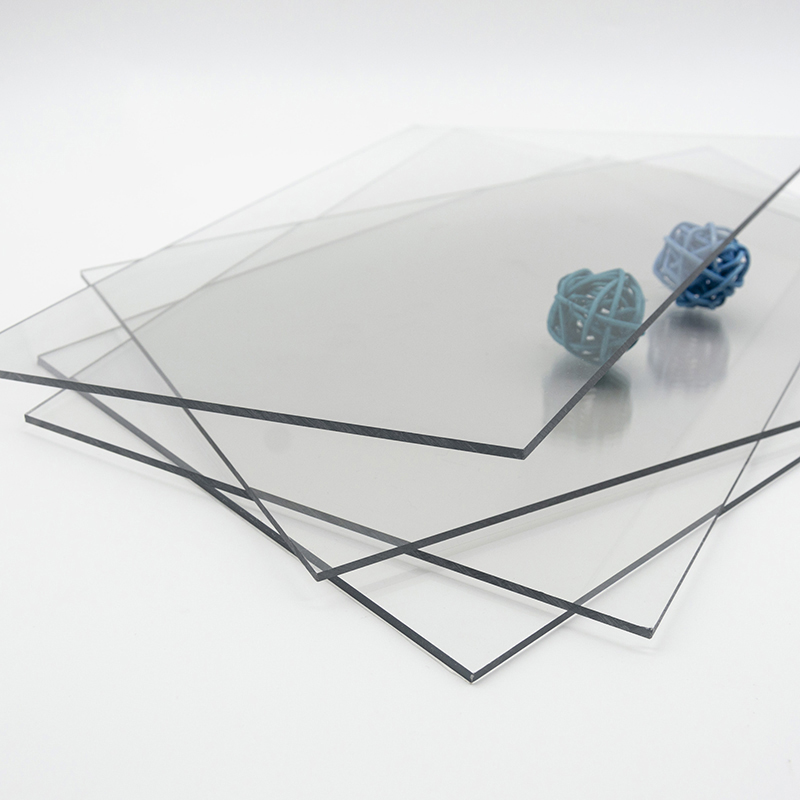
The global push toward sustainability has placed recycled materials at the center of industrial strategy, and the RPET sheet has emerged as one of the most practical solutions for manufacturers seeking to reduce their environmental footprint. An RPET sheet is produced by processing post-consumer PET bottles and packaging waste back into a high-quality flat material, making it a direct embodiment of circular economy principles. As regulatory pressure and consumer expectations around sustainability intensify, understanding exactly how the RPET sheet contributes to recycling goals becomes essential for any forward-thinking business.

A circular economy is built on the principle that materials should remain in use for as long as possible, recovering and regenerating value at the end of each service cycle. The RPET sheet fits precisely within this framework because it transforms waste PET into a resource-efficient material that can be used across thermoforming, food packaging, blister packaging, and retail display applications. Every RPET sheet produced represents plastic waste diverted from landfills and oceans, contributing measurably to the closed-loop systems that modern supply chains are working to establish. This article explores the specific mechanisms through which the RPET sheet supports recycling efforts and advances circular economy goals.
The RPET Sheet as a Direct Recycling Output
How RPET Sheet Is Made from Recycled PET
The production of an RPET sheet begins with the collection and sorting of post-consumer PET waste, primarily plastic bottles and trays. These materials are cleaned, shredded into flakes, and then re-extruded or reprocessed into sheet form. The resulting RPET sheet retains strong physical properties, including clarity, rigidity, and chemical resistance, making it fully functional as an industrial material. Because the RPET sheet is manufactured directly from recycled inputs, it reduces the demand for virgin PET resin, which itself requires significant petroleum resources to produce. Each ton of RPET sheet produced can displace a corresponding volume of virgin plastic, creating a direct and measurable contribution to resource conservation.
RPET Sheet Closes the Loop on PET Waste
One of the defining characteristics of a circular economy is the ability to recapture material value at end-of-life rather than allowing it to enter the waste stream. The RPET sheet achieves this by giving discarded PET a second productive life as a functional packaging or industrial material. Furthermore, because the RPET sheet is itself recyclable at the end of its use cycle, it supports multiple loops of material recovery rather than a single-use linear model. Manufacturers who adopt the RPET sheet can communicate this multi-cycle recyclability to their customers, strengthening brand credibility and aligning with evolving sustainability reporting frameworks. The RPET sheet therefore functions not just as a recycled material but as an active enabler of ongoing circular material flows.
Environmental Benefits That Make RPET Sheet Strategically Important
Reducing Carbon Footprint with RPET Sheet
Producing an RPET sheet typically generates significantly lower greenhouse gas emissions compared to manufacturing virgin PET sheet. The energy savings come from bypassing the energy-intensive petrochemical processes required to synthesize new polymer resin. When a business switches its packaging substrate from virgin PET to RPET sheet, it can reduce its scope 3 carbon emissions associated with materials procurement. For companies committed to science-based emissions targets or public sustainability disclosures, sourcing RPET sheet is a practical and documented way to demonstrate real carbon reduction. The RPET sheet is not simply a symbolic environmental gesture; it represents a quantifiable reduction in industrial carbon intensity that auditors and regulators can verify.
RPET Sheet and Ocean Plastic Reduction
A proportion of RPET sheet production uses ocean-bound or beach-collected PET plastic as part of the recycled feedstock. This form of RPET sheet specifically addresses the problem of plastic entering marine ecosystems by intercepting waste before it reaches the ocean. Brands that use this category of RPET sheet can substantiate environmental claims about ocean plastic reduction, which increasingly resonates with retail buyers and end consumers. Beyond marketing advantages, the use of RPET sheet from ocean-bound sources directly supports the kind of extended producer responsibility and waste interception programs that circular economy advocates prioritize. The RPET sheet therefore has both practical and reputational value in sustainability-driven supply chains.
How RPET Sheet Supports Business Compliance and Circular Design
Regulatory Alignment Through RPET Sheet Adoption
Governments and regional regulatory bodies in many markets are introducing mandatory recycled content requirements. The EU's Plastic Packaging Tax, for example, charges £200 per tonne for packaging with less than 30% recycled content.An RPET sheet with verified recycled content percentages allows manufacturers to meet these thresholds without redesigning their product structures from scratch. The RPET sheet is compatible with existing thermoforming lines and packaging formats, meaning compliance can be achieved with minimal capital investment. Certification and traceability documentation available for RPET sheet production also supports the record-keeping requirements of extended producer responsibility programs. Businesses that proactively integrate the RPET sheet into their supply chain are better positioned to avoid future non-compliance risks as regulations continue to tighten globally.
Circular Product Design Enabled by RPET Sheet
Beyond compliance, the RPET sheet enables businesses to redesign packaging with circularity as a core principle. When a packaging engineer selects RPET sheet as the base material, they are inherently choosing a substrate that has already completed one recycling cycle and is designed to complete more. This philosophy shifts the design mindset from 'use and discard' to 're-use and recover,' which is the operational heart of circular economy thinking. The RPET sheet maintains the optical clarity and formability required for high-quality packaging, meaning circular design does not require any compromise on appearance or product protection. Adopting RPET sheet across a product line signals a structural commitment to sustainable material use that resonates with procurement teams, retail partners, and end consumers alike.
FAQ
What percentage of recycled content does a typical RPET sheet contain?
A typical RPET sheet contains between 50% and 100% post-consumer recycled PET content, depending on the supplier specification and the intended application. Higher recycled content in an RPET sheet generally corresponds to stronger environmental credentials and greater compliance with packaging regulations that mandate minimum recycled content thresholds.
Can RPET sheet be used in food-contact packaging applications?
Yes, food-grade RPET sheet produced under controlled processing conditions and certified to applicable food safety standards can be used in direct food-contact packaging. It is essential to confirm that the RPET sheet supplier holds the relevant certifications, such as FDA or EU food contact approval, before using the RPET sheet in food packaging contexts.
Is RPET sheet accepted in standard plastic recycling streams?
In most markets where PET recycling infrastructure is established, an RPET sheet is accepted in standard plastic recycling streams because it is made from the same PET polymer family as conventional PET packaging. Ensuring the RPET sheet is properly labeled with the appropriate resin identification code helps consumers and waste sorting facilities correctly categorize and process it within existing recycling programs.