FOAM BOARD | Moisture-Resistant Board

Get a Free Quote

Our representative will contact you soon.
Email
Name
Company Name
Mobile/WhatsApp
Message
0/1000

foam board

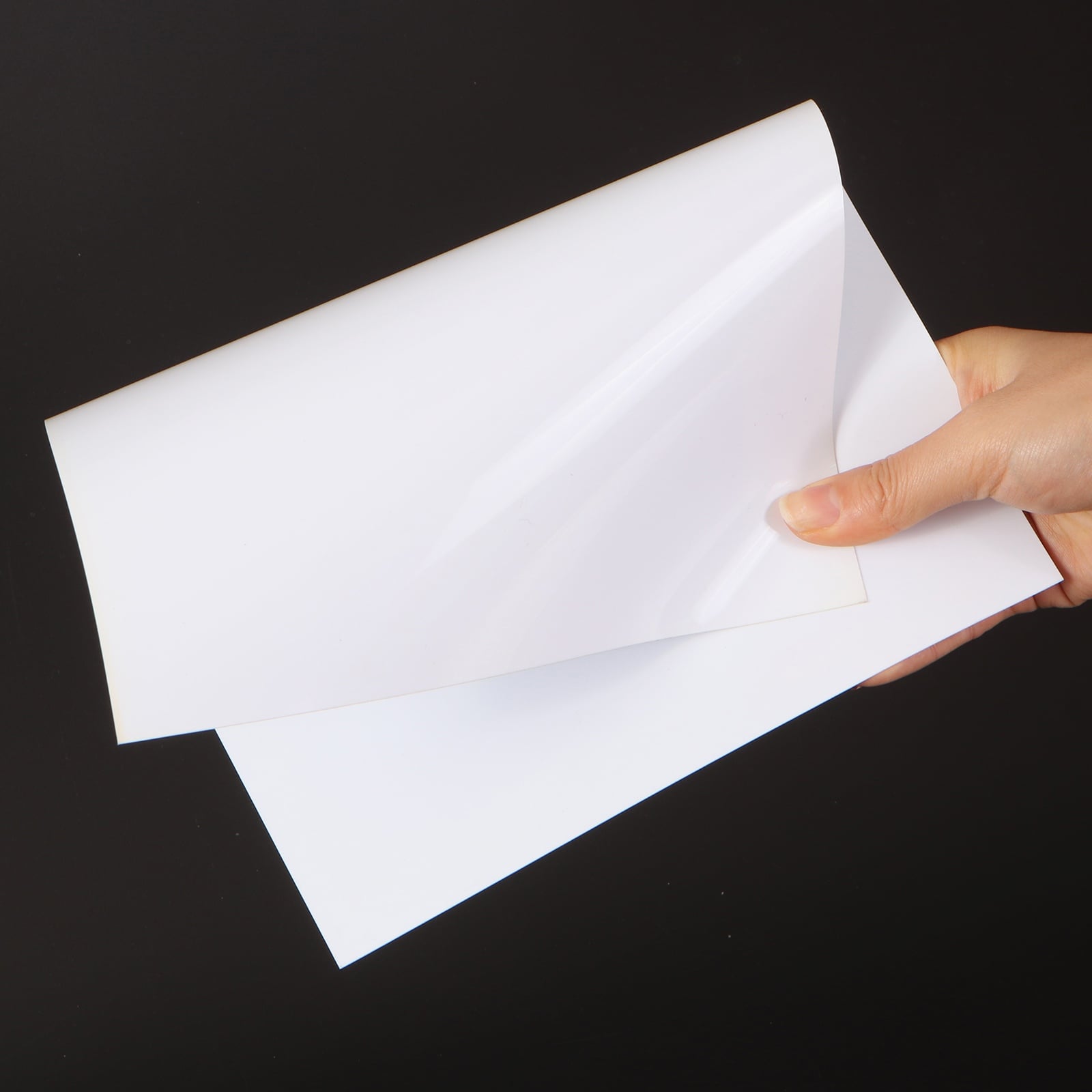
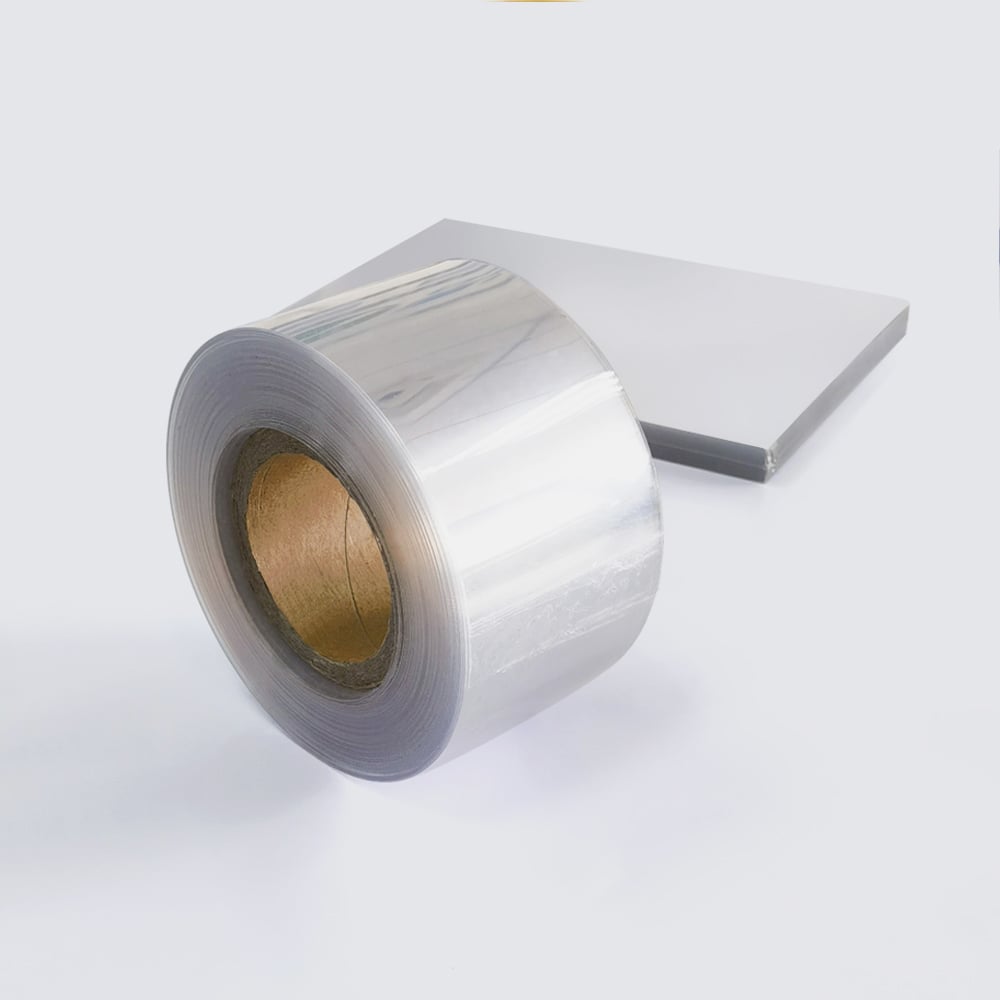
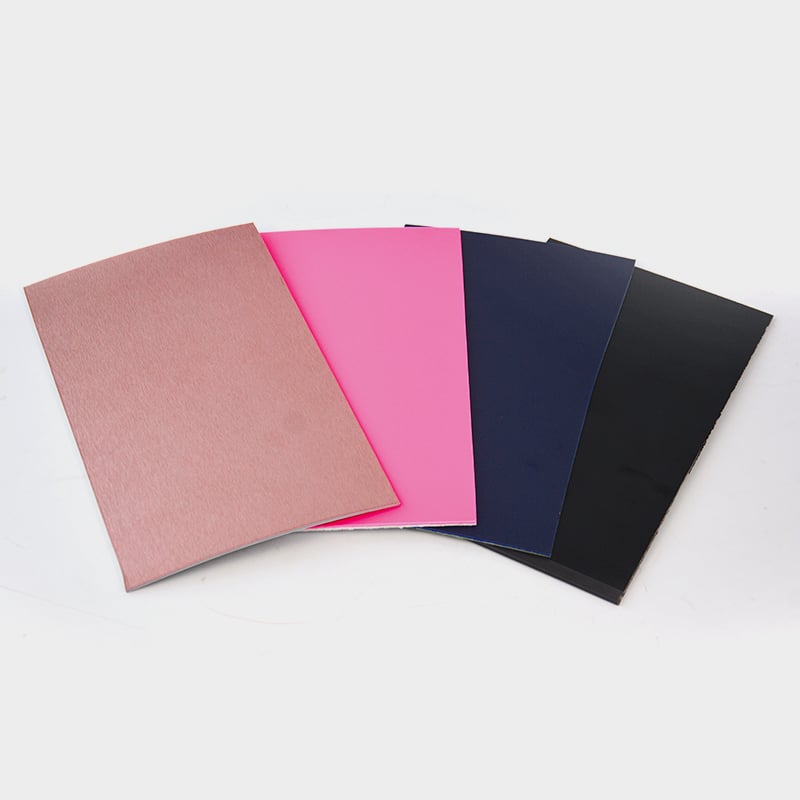
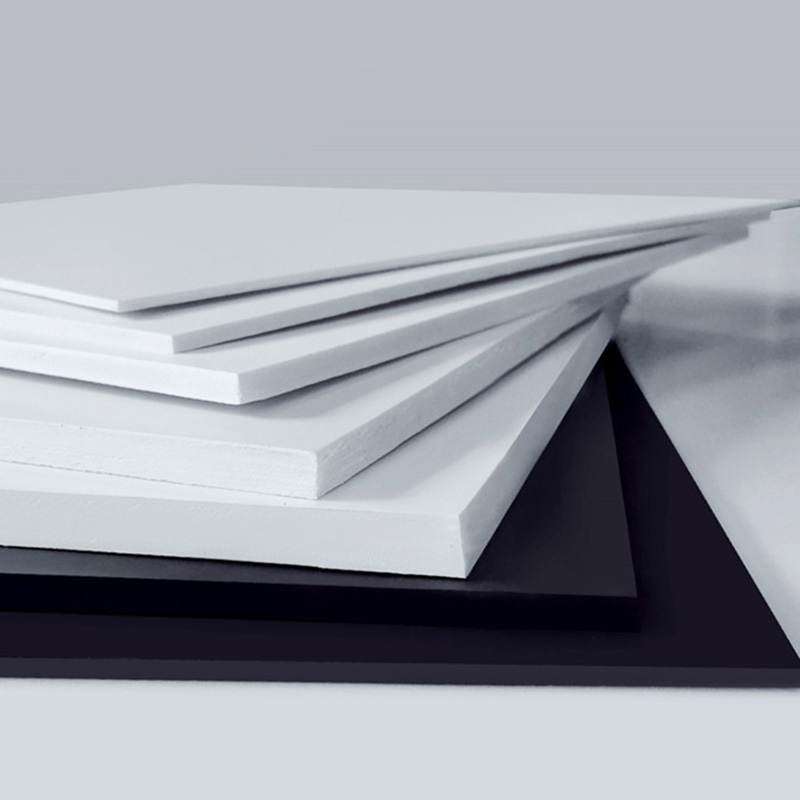
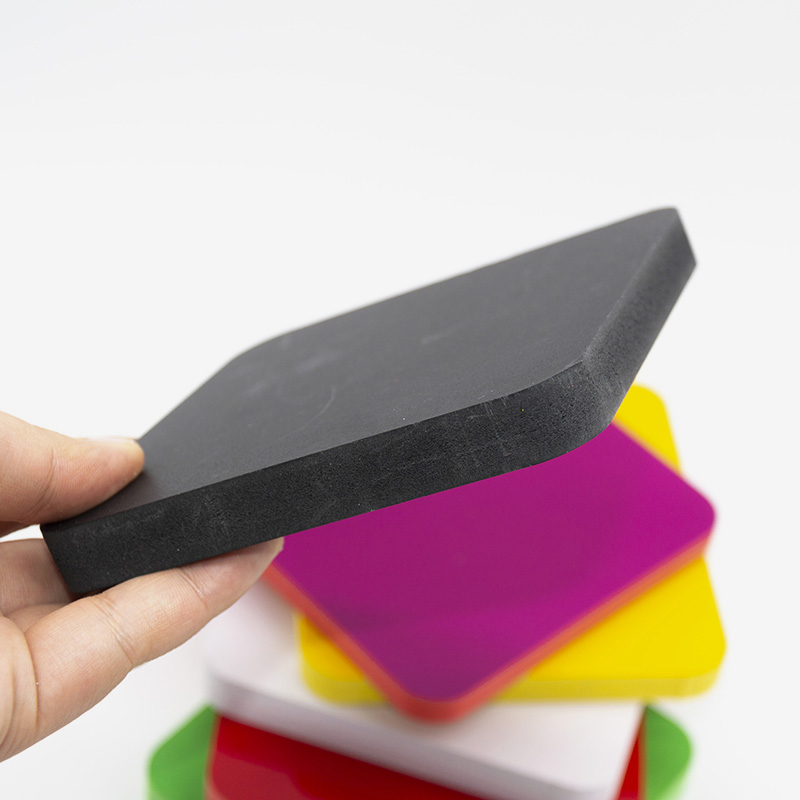
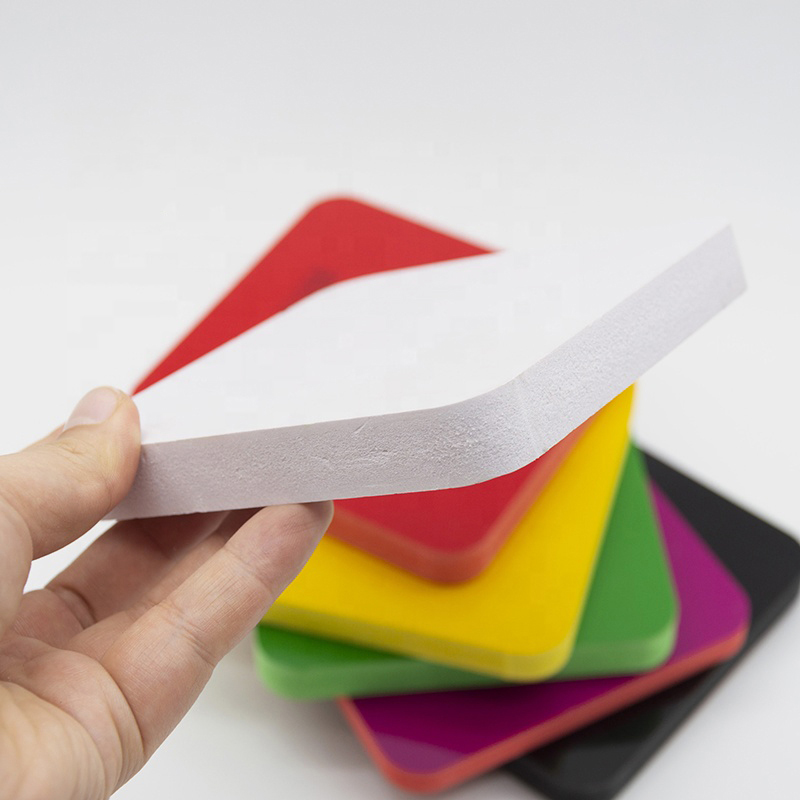
Ocan has manufactured foam board since 2005, producing custom PVC foam for signage, displays and construction. This composite material typically consists of a rigid foam core sandwiched between two smooth surface layers, creating a structure that delivers remarkable strength while maintaining minimal weight. The foam board has become an indispensable solution for professionals and hobbyists alike, offering practical applications ranging from architectural modeling and signage production to insulation projects and craft endeavors. The technological composition of foam board involves advanced manufacturing processes that ensure consistent quality and performance. The inner foam core, usually made from polystyrene or polyurethane materials, provides excellent thermal resistance and structural integrity. The outer layers, often constructed from paper, plastic, or aluminum, protect the core while offering smooth surfaces ideal for printing, painting, or laminating. This sophisticated construction method results in panels that resist warping, maintain dimensional stability, and provide long-lasting performance in various environmental conditions. The foam board serves multiple essential functions across different sectors. In construction and architecture, it acts as an effective insulation barrier, reducing energy costs and improving climate control within buildings. For graphic designers and advertisers, foam board serves as a premium mounting substrate that enhances visual presentations and ensures professional-quality displays. Educational institutions utilize foam board for student projects, science fair presentations, and classroom demonstrations. The material's lightweight nature facilitates easy transportation and installation, while its rigid structure ensures that mounted materials remain flat and wrinkle-free. The applications of foam board extend to photography studios, where it functions as reflectors and backdrops, retail environments for point-of-purchase displays, and even aerospace industries for prototype development. Its capacity to be cut, shaped, and customized using standard tools makes foam board an accessible option for both professional contractors and DIY enthusiasts seeking reliable materials for their creative and functional projects.

New Product Releases

Ocan's foam board delivers custom PVC foam with RoHS-verified quality and a 500kg MOQ. First and foremost, its lightweight composition significantly reduces shipping costs and simplifies handling during installation. A single person can easily carry and position large foam board panels without requiring specialized equipment or additional labor, which translates directly into reduced project expenses and faster completion times. This ease of manipulation allows you to complete projects efficiently without compromising on quality or structural integrity. The insulation capabilities of foam board provide substantial energy savings for residential and commercial buildings. By creating an effective thermal barrier, this material helps maintain consistent indoor temperatures, reducing the workload on heating and cooling systems. Property owners experience lower utility bills month after month, while simultaneously reducing their environmental footprint through decreased energy consumption. The moisture resistance inherent in quality foam board prevents mold growth and material degradation, ensuring that your investment maintains its effectiveness for years without requiring replacement or maintenance. Cost-effectiveness stands as another compelling advantage of foam board. Compared to alternative materials offering similar benefits, foam board delivers exceptional value by combining multiple functions into a single product. You eliminate the need for separate insulation layers, mounting substrates, and protective barriers, streamlining your material procurement and reducing overall project budgets. The material's durability means fewer replacements over time, providing long-term financial benefits that extend well beyond the initial purchase. The versatility of foam board accommodates countless creative and functional applications. You can cut it to precise dimensions using standard utility knives or hot wire cutters, shape it into three-dimensional forms, and finish it with paints, laminates, or vinyl graphics. This adaptability empowers you to bring your vision to life without the limitations imposed by less flexible materials. Whether you need to create professional signage, prototype product packaging, or construct architectural models, foam board responds to your creative direction while maintaining structural stability. The clean, smooth surface of foam board provides an ideal canvas for high-quality graphics and professional presentations. Digital prints adhere evenly without bubbling or distortion, photographs mount without visible imperfections, and painted finishes achieve uniform coverage without excessive material absorption. This surface quality elevates the visual impact of your projects, ensuring that your message resonates with audiences and reflects positively on your professional standards. Environmental considerations also favor foam board selection, as modern manufacturing processes increasingly incorporate recycled materials and produce minimal waste during production, supporting your sustainability initiatives without sacrificing performance or quality.

Latest News

How Is PET Sheet Applied in Food Grade Folding Box Packaging Solutions?

15

Jun

How Is PET Sheet Applied in Food Grade Folding Box Packaging Solutions?

When food manufacturers and packaging converters evaluate material options, the PET sheet for folding box consistently stands out as a preferred choice. This material combines food-safe properties, excellent optical clarity, and reliable structural p...
View More
Why Do Manufacturers Use Soft PVC Film for Transparent Table Mats?

18

Aug

Why Do Manufacturers Use Soft PVC Film for Transparent Table Mats?

Transparent table mats have become essential in commercial and residential settings, protecting surfaces while maintaining visual appeal. Manufacturers consistently choose soft PVC film as the preferred material for these protective solutions, and th...
View More
How Is PVC Sheet Used for Folding Box Packaging in Retail Products?

15

Oct

How Is PVC Sheet Used for Folding Box Packaging in Retail Products?

Folding box packaging represents one of the most critical components in modern retail, where product visibility, protection, and structural integrity determine consumer purchase decisions. PVC sheet has emerged as a preferred material for this applic...
View More
How Does Clear PVC Sheet Support Electronics Packaging Protection?

22

Oct

How Does Clear PVC Sheet Support Electronics Packaging Protection?

Electronics packaging requires materials that combine transparency with protective strength, and clear PVC sheet delivers both capabilities in industrial applications. When manufacturers and distributors evaluate packaging solutions, the clear PVC sh...
View More

Get a Free Quote

Our representative will contact you soon.
Email
Name
Company Name
Mobile/WhatsApp
Message
0/1000

foam board

foam board produced on 23 lines with RoHS/REACH compliance

foam board produced on 23 lines with RoHS/REACH compliance

foam board samples free on request from Ocan featuring moisture resistance and easy fabricating. The cellular structure of the foam core traps air within countless tiny pockets, creating a highly effective barrier against heat transfer. This fundamental physical property translates into measurable benefits for property owners seeking to optimize their energy usage and reduce operational costs. When installed in walls, roofs, or foundations, foam board creates a continuous insulation layer that eliminates thermal bridging, a common problem with traditional insulation methods where heat escapes through structural elements. The high R-value per inch of thickness means you achieve superior insulation performance without sacrificing valuable interior space. A relatively thin foam board panel provides equivalent or better thermal resistance compared to much thicker conventional insulation materials, making it particularly valuable in renovation projects where space constraints limit installation options. The moisture-resistant properties of foam board complement its thermal performance by preventing water infiltration that can compromise insulation effectiveness. Unlike fibrous insulation materials that lose their insulating capacity when wet, foam board maintains its thermal resistance even in humid conditions or after exposure to moisture. This reliability ensures consistent performance throughout the lifespan of the installation, protecting your investment and maintaining energy efficiency regardless of weather conditions or environmental challenges. Property owners who install foam board insulation typically observe immediate reductions in heating and cooling costs, with many reporting energy savings of twenty to thirty percent depending on climate conditions and building characteristics. These financial benefits accumulate year after year, providing substantial return on investment while enhancing occupant comfort through more stable indoor temperatures and reduced drafts. The environmental benefits extend beyond individual properties, as widespread foam board adoption contributes to reduced greenhouse gas emissions and decreased demand on power generation infrastructure, supporting broader sustainability goals within communities and industries.
foam board from Ocan's 60,000-ton annual capacity plant

foam board from Ocan's 60,000-ton annual capacity plant

foam board from Ocan's 60,000-ton annual output with clean cutting and machining for sign fabrication. This adaptability stems from the material's unique combination of rigidity, lightweight construction, and workability with standard tools. Graphic designers and marketing professionals rely on foam board as their preferred substrate for mounting photographs, posters, and printed graphics. The perfectly flat surface ensures that images remain distortion-free, while the rigid backing prevents sagging or curling that can diminish visual impact. Trade show exhibitors choose foam board for constructing lightweight displays that transport easily yet withstand the rigors of repeated setup and breakdown cycles. The material accepts various finishing techniques including vinyl lettering, digital printing, spray painting, and lamination, allowing exhibitors to create professional presentations that attract attention and communicate brand messages effectively. Architects and designers utilize foam board extensively during the conceptual and presentation phases of projects. The material cuts cleanly to create precise scale models that communicate spatial relationships and design intentions to clients and stakeholders. Its light weight facilitates easy repositioning and modification as designs evolve, while its strength ensures that models remain intact during transportation to client meetings and public presentations. Educational institutions incorporate foam board into curricula across multiple disciplines. Science students construct project displays that organize research findings and experimental results in visually compelling formats. Art students explore three-dimensional forms and sculptural concepts using foam board as an accessible medium that responds to cutting, scoring, and shaping techniques. Engineering students build prototypes and demonstrate mechanical principles using foam board components that can be quickly fabricated and assembled without specialized equipment. The retail sector employs foam board for point-of-purchase displays, shelf talkers, and promotional signage that captures consumer attention at critical decision moments. Store managers appreciate how easily they can update messaging by replacing foam board graphics without requiring permanent fixtures or expensive installation procedures. Photographers and videographers use foam board as reflectors, diffusers, and background materials that help them control lighting conditions and achieve professional results. The material's neutral colors and smooth surfaces make it ideal for bouncing light or creating clean backgrounds that focus attention on subjects without introducing unwanted color casts or distracting textures.
foam board with free samples before bulk ordering

foam board with free samples before bulk ordering

foam board chosen by packaging and printing brands at Ocan accepting paint, print and CNC routing. The lightweight nature of foam board fundamentally transforms installation processes compared to heavier traditional materials. A standard foam board panel weighing just a fraction of equivalent materials can be positioned by a single installer without mechanical assistance or additional crew members. This reduced labor requirement directly decreases project costs while accelerating completion timelines, allowing contractors to serve more clients and maximize productivity. The material's manageable weight also minimizes physical strain on installers, reducing fatigue-related errors and workplace injuries that can derail project schedules and increase insurance costs. The cutting and shaping characteristics of foam board further enhance installation efficiency. Standard utility knives equipped with fresh blades slice cleanly through foam board, creating precise edges without generating excessive dust or requiring specialized ventilation systems. Installers can make field adjustments quickly to accommodate unexpected site conditions or design modifications without returning to workshops or fabrication facilities. This on-site adaptability reduces material waste by allowing precise fitting rather than forcing oversized pieces that require trimming or result in gaps requiring additional materials. Hot wire cutters enable even greater precision for complex shapes and beveled edges, expanding creative possibilities while maintaining installation simplicity. The adhesive compatibility of foam board simplifies attachment procedures across various substrates. Construction adhesives, spray adhesives, and double-sided tapes all bond effectively to foam board surfaces, eliminating the need for mechanical fasteners that can compromise the material's integrity or require additional finishing work to conceal. This adhesive-based installation proves particularly valuable in applications where penetrations would create thermal bridges or moisture infiltration pathways. The clean installation process generates minimal job site disruption, making foam board ideal for occupied buildings where construction activities must proceed without displacing residents or interrupting business operations. Transportation logistics benefit significantly from foam board's lightweight properties and compact packaging. Delivery vehicles can transport larger quantities in single trips, reducing freight costs and minimizing the carbon footprint associated with material distribution. Storage requirements decrease because foam board panels stack efficiently without requiring extensive warehouse space or specialized storage conditions. These logistical advantages extend throughout the supply chain, from manufacturer to distributor to job site, creating cumulative cost savings that benefit all project stakeholders. The durability of foam board during handling and installation reduces material losses due to damage. Unlike fragile materials that crack, chip, or shatter when dropped or impacted, foam board withstands typical construction site conditions without compromising its structural or functional properties. This resilience means fewer replacement materials and reduced waste disposal costs, contributing to more sustainable construction practices and improved project profitability.

Get a Free Quote

Our representative will contact you soon.
Email
Name
Company Name
Mobile/WhatsApp
Message
0/1000