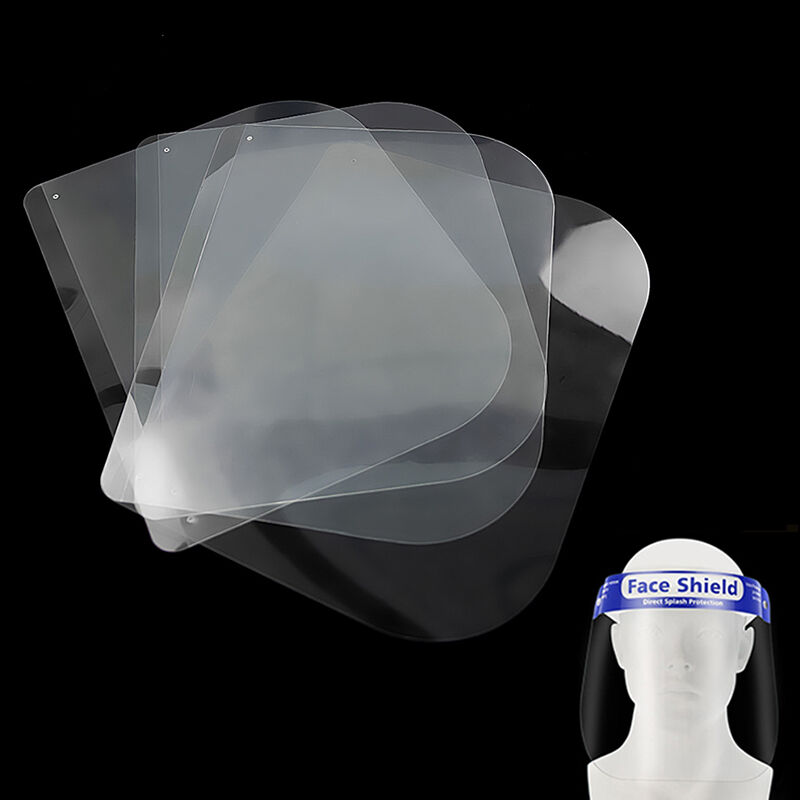
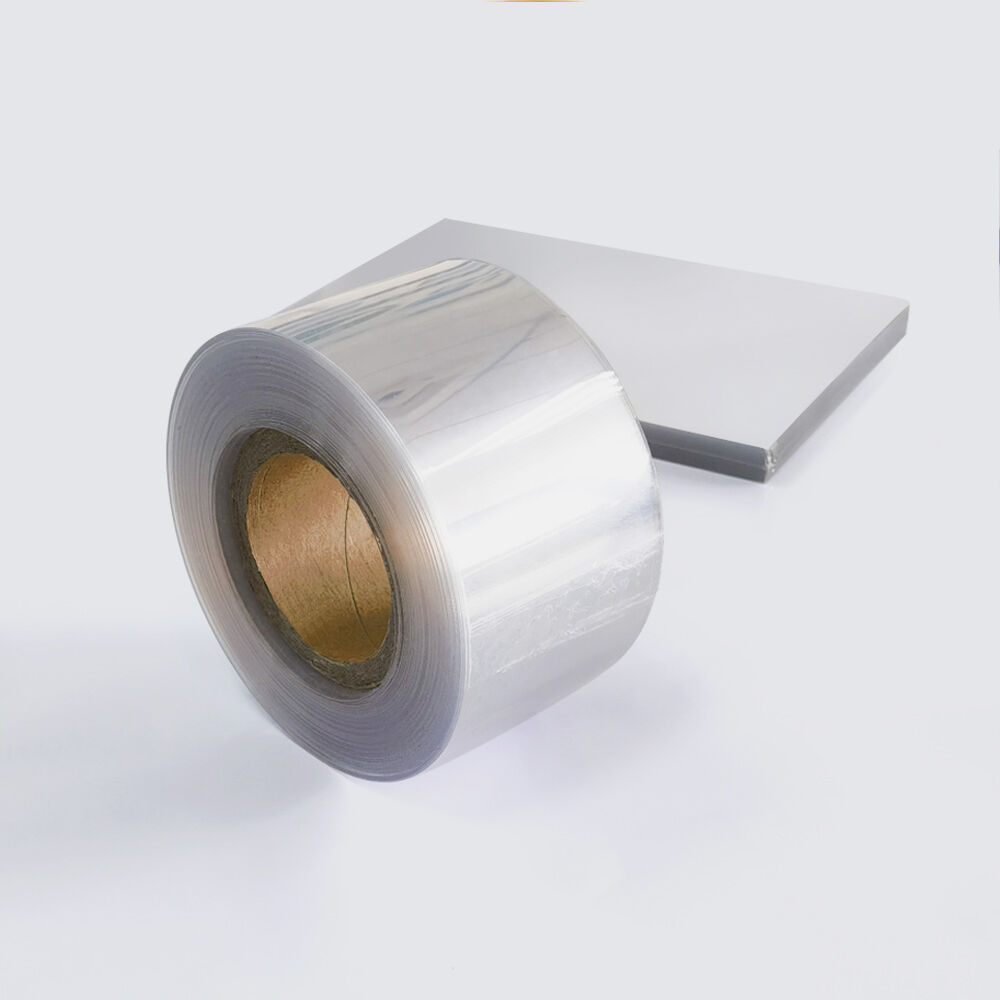
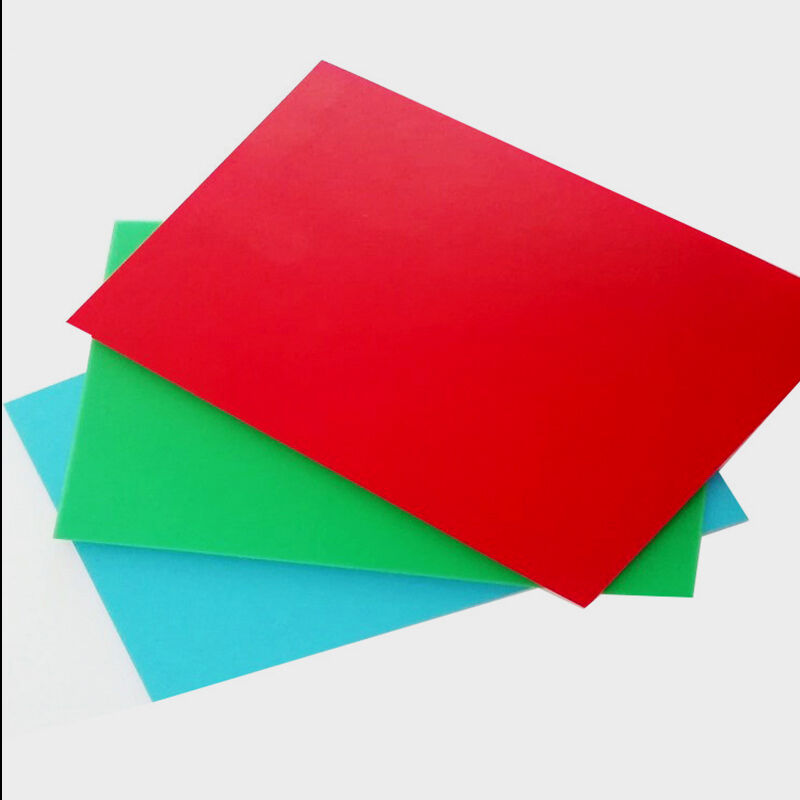
pet sheet para sa thermoforming
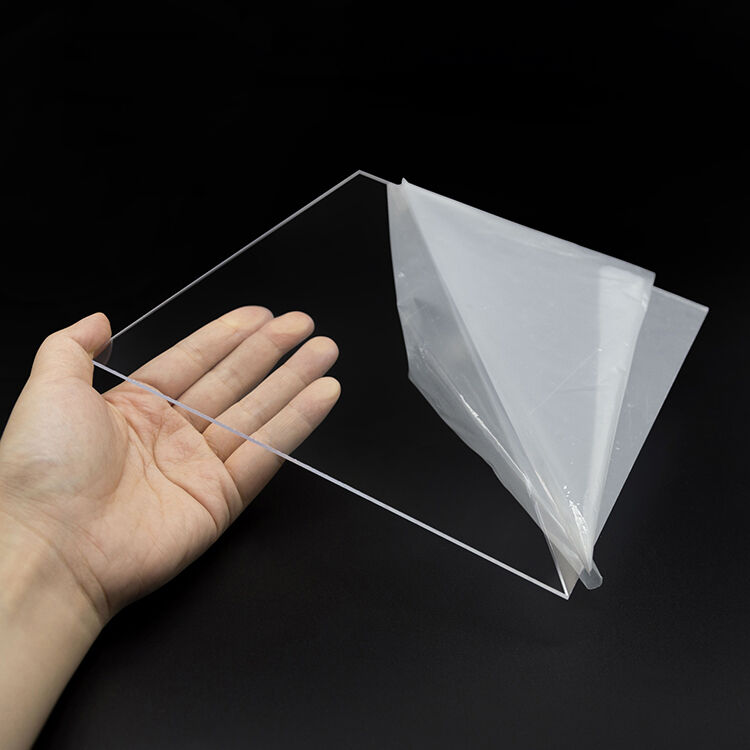
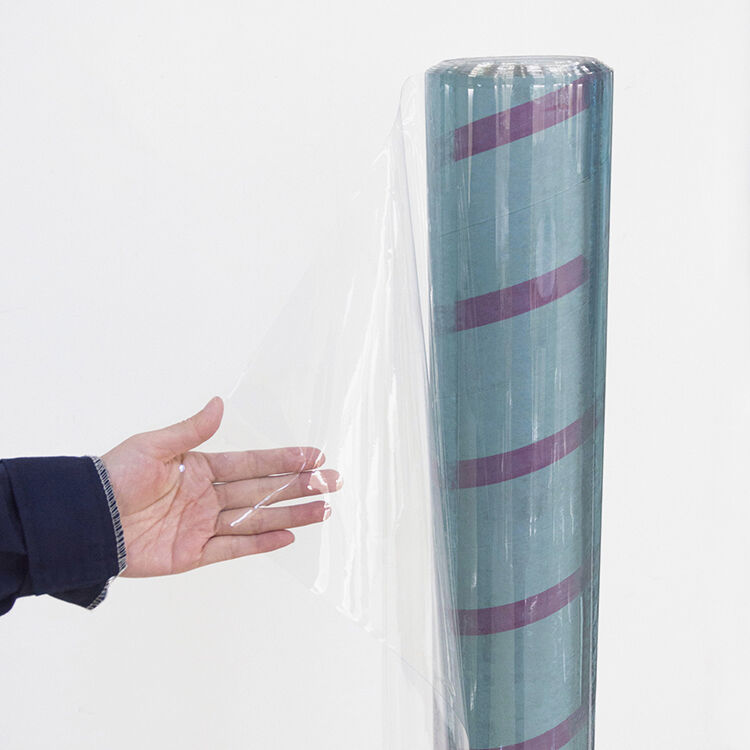
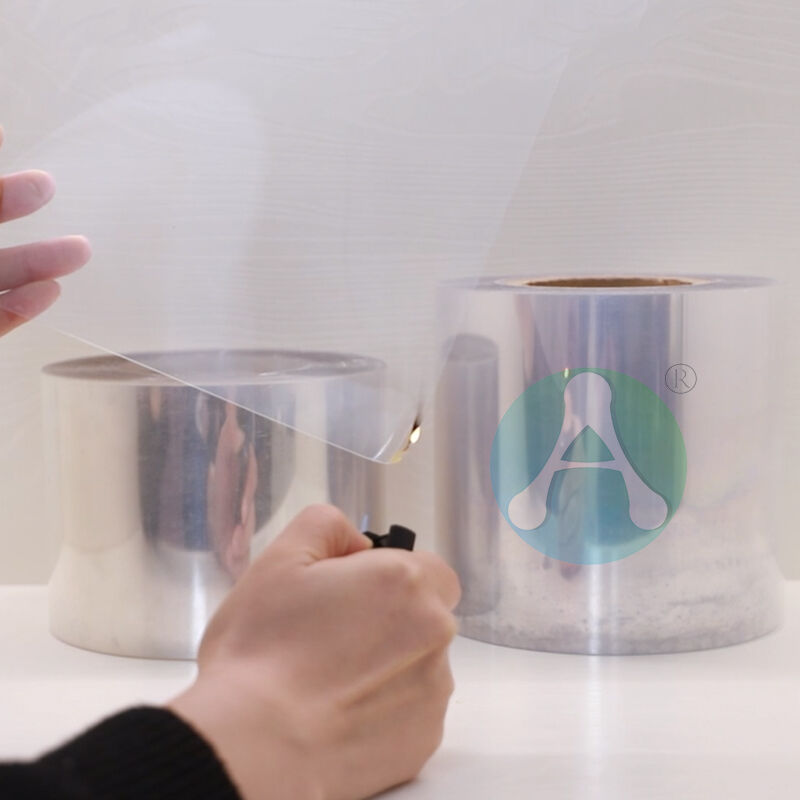
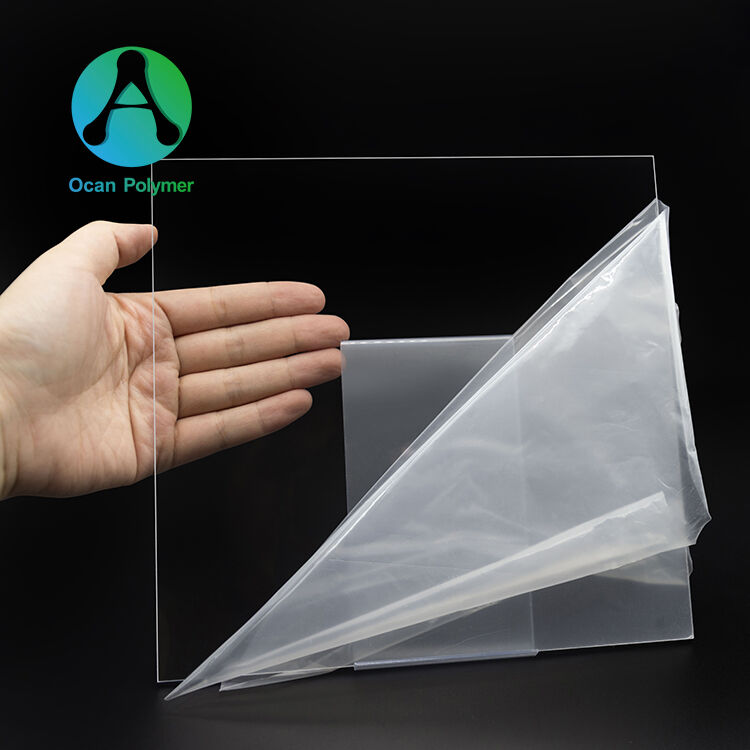
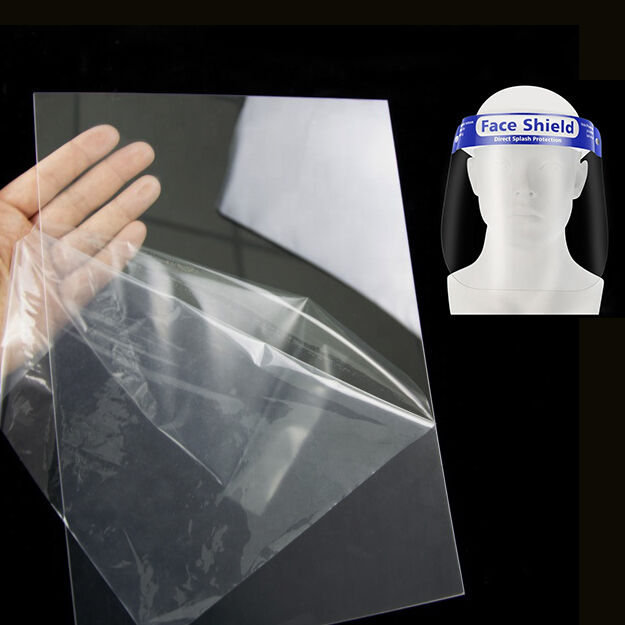
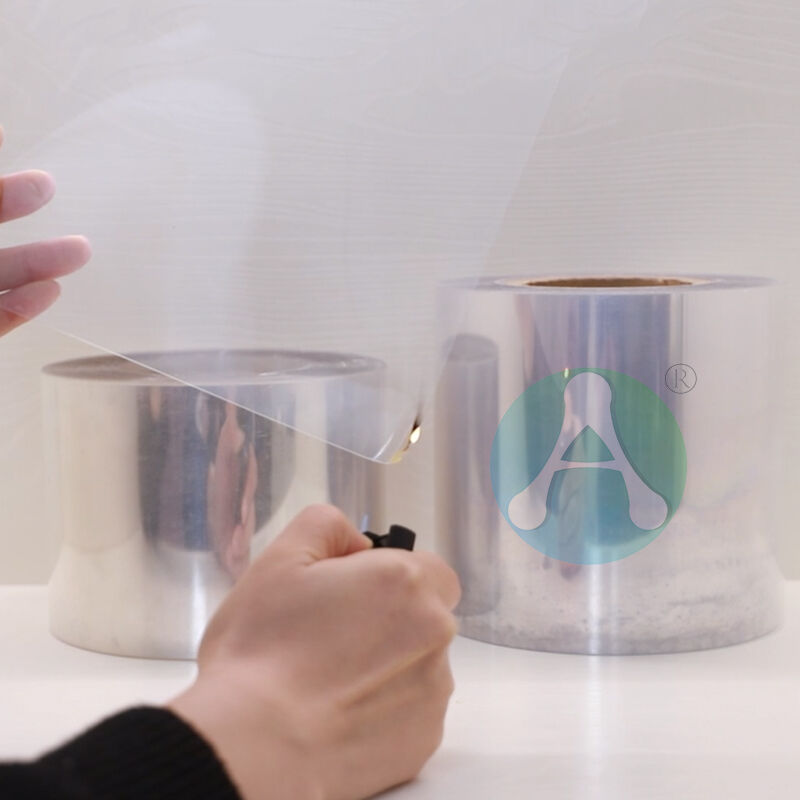
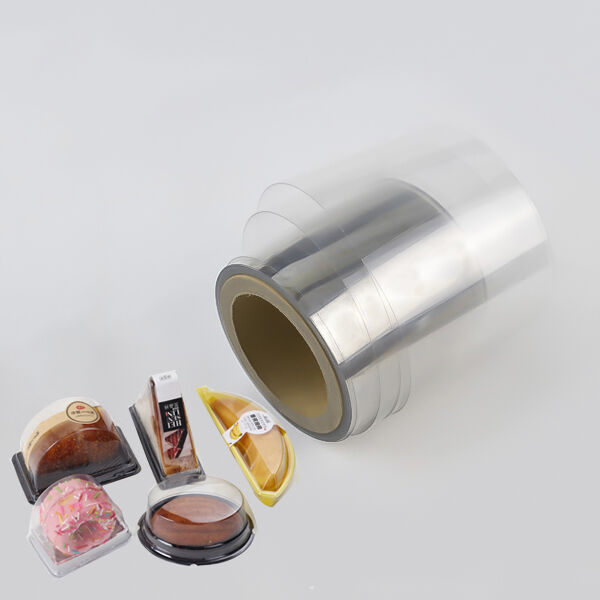
Ang PET sheet para sa thermoforming ay kumakatawan sa isang rebolusyonaryong solusyon sa materyales na nagbago sa mga modernong industriya ng packaging at pagmamanupaktura. Ang versatile na thermoplastic na materyales na ito, na galing sa polyethylene terephthalate, ay nag-aalok ng napakagandang kaliwanagan, lakas, at kakayahang pabuo na ginagawang ideal nito ang paglikha ng mga kumplikadong three-dimensional na hugis sa pamamagitan ng proseso ng thermoforming. Ang PET sheet para sa thermoforming ay nagsisilbing pangunahing sangkap sa paggawa ng lahat mula sa mga lalagyan ng pagkain at medical packaging hanggang sa mga retail display at industrial components. Ang pangunahing tungkulin nito ay nagbibigay ng isang maaasahang, ligtas na para sa pagkain, at nakakaakit na panlabas na materyales na maaaring mainit at ipabuo sa tiyak na mga konpigurasyon habang pinapanatili ang structural integrity nito. Kasama sa mga teknolohikal na katangian ng PET sheet para sa thermoforming ang superior na dimensional stability habang iniinit, mahusay na barrier properties laban sa kahalumigan at mga gas, at kahanga-hangang impact resistance na nangangalaga sa mga nilalaman sa buong distribution channels. Pinahahalagahan ng mga tagagawa ang kakayahang panatilihin ng materyales na ito ang pare-parehong kapal habang binubuo, na nag-aalis ng mga mahinang bahagi at nagtiyak ng pantay na kalidad ng produkto. Ang crystal-clear na transparency ng PET sheet para sa thermoforming ay nagpapahintulot sa mga konsyumer na tingnan nang direkta ang mga produkto, na nagpapataas ng marketing appeal at nagtatayo ng tiwala sa pamamagitan ng nakikitang quality assurance. Ang mga aplikasyon nito ay sumasaklaw sa maraming sektor kabilang ang food service packaging para sa mga deli container, bakery clamshells, at fresh produce trays kung saan ang kalinisan at visibility ng produkto ay napakahalaga. Ang industriya ng medisina ay umaasa sa PET sheet para sa thermoforming upang lumikha ng sterile packaging para sa mga surgical instrument, pharmaceutical blister packs, at diagnostic test components. Ginagamit ng mga retail environment ang materyales na ito para sa point-of-purchase displays, electronic component packaging, at cosmetic containers na nangangailangan ng parehong aesthetic appeal at protective functionality. Patuloy na umuunlad ang environmental profile ng PET sheet para sa thermoforming habang lumalawak ang recycling infrastructure, na nagpapahintulot sa mga tagagawa na isama ang post-consumer recycled content habang pinapanatili ang mga standard ng performance. Ang compatibility ng materyales na ito sa karaniwang thermoforming equipment ay nangangahulugan na ang mga negosyo ay maaaring gamitin ito nang walang malaking capital investment sa bagong makinarya, na nagpapadali ng maayos na transisyon mula sa iba pang materyales at sumusuporta sa mga sustainable packaging initiative sa buong global market.
 EN
EN