Premium PVC Sheet for Vacuum Forming - Durable, Cost-Effective Thermoforming Solutions

Get a Free Quote

Our representative will contact you soon.
Email
Name
Company Name
Mobile/WhatsApp
Message
0/1000

pvc sheet for vacuum forming

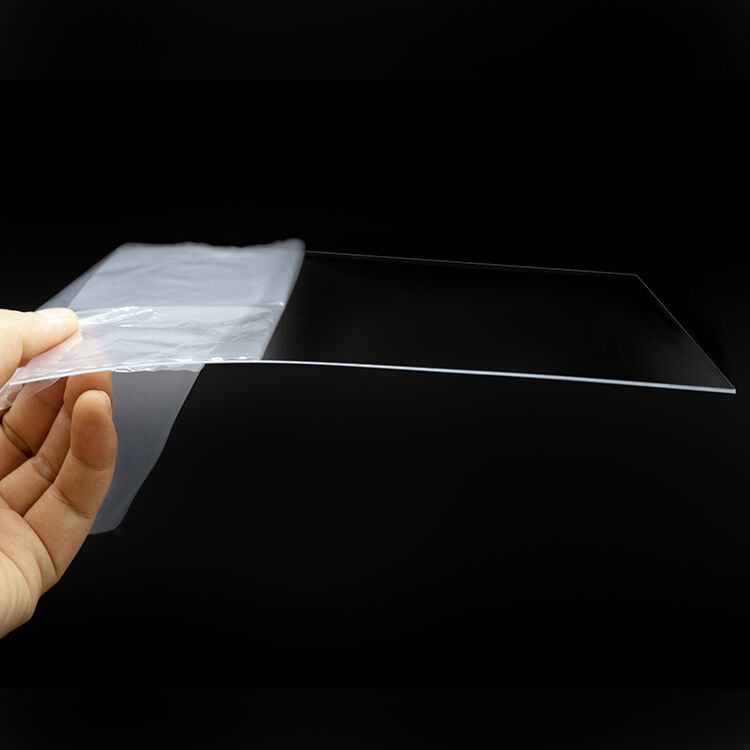
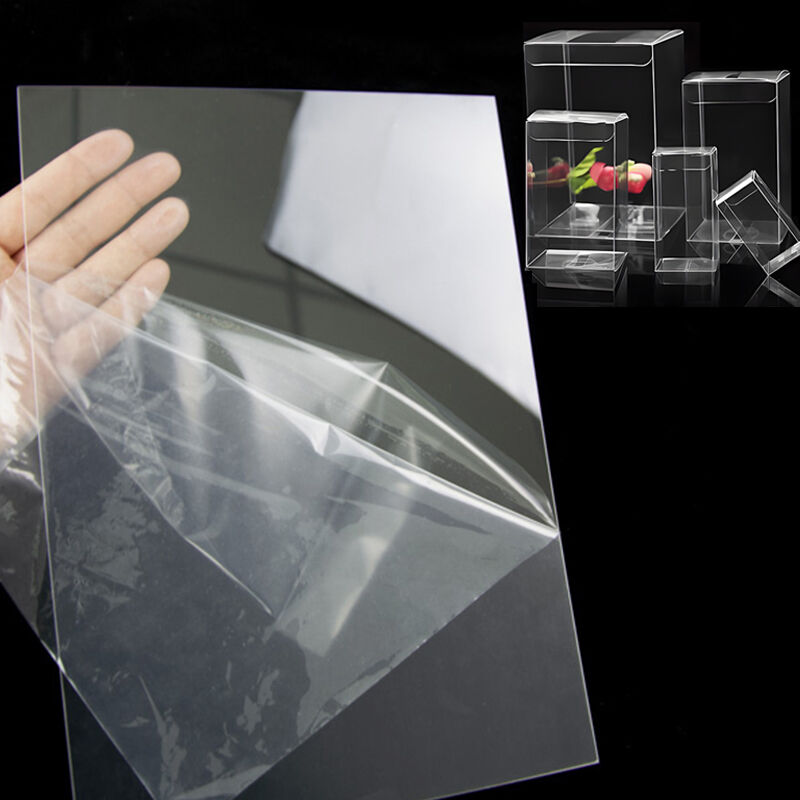
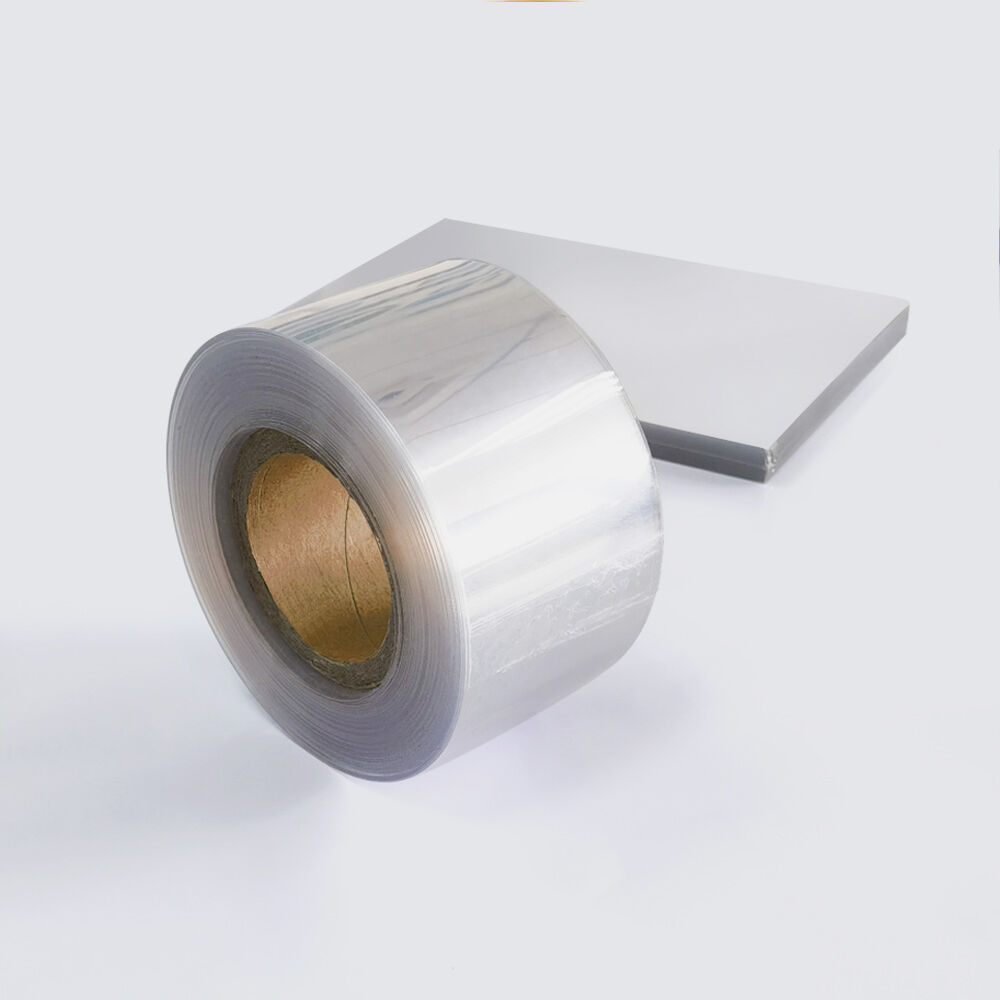
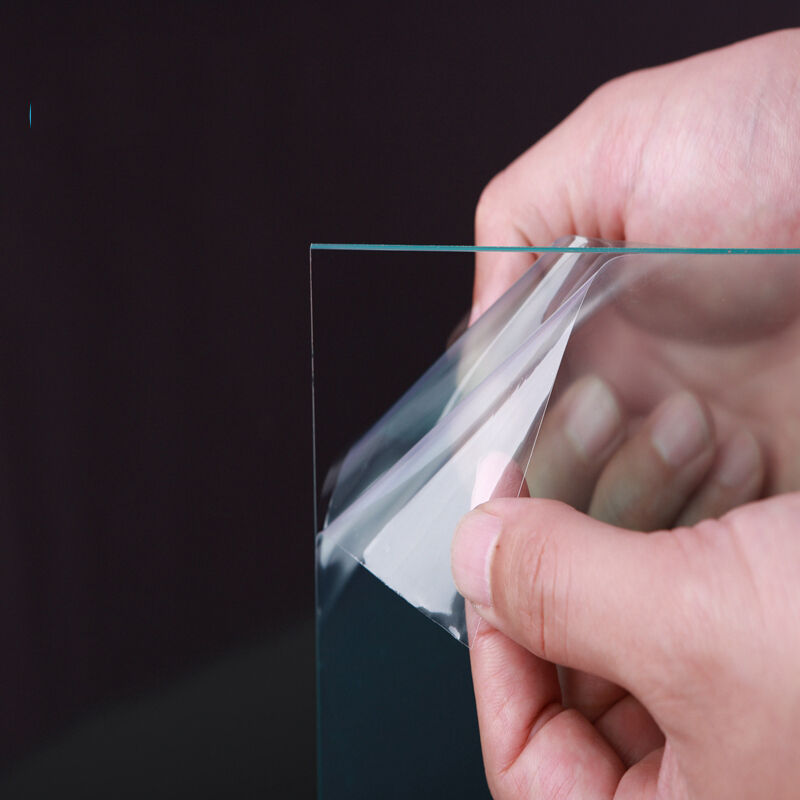
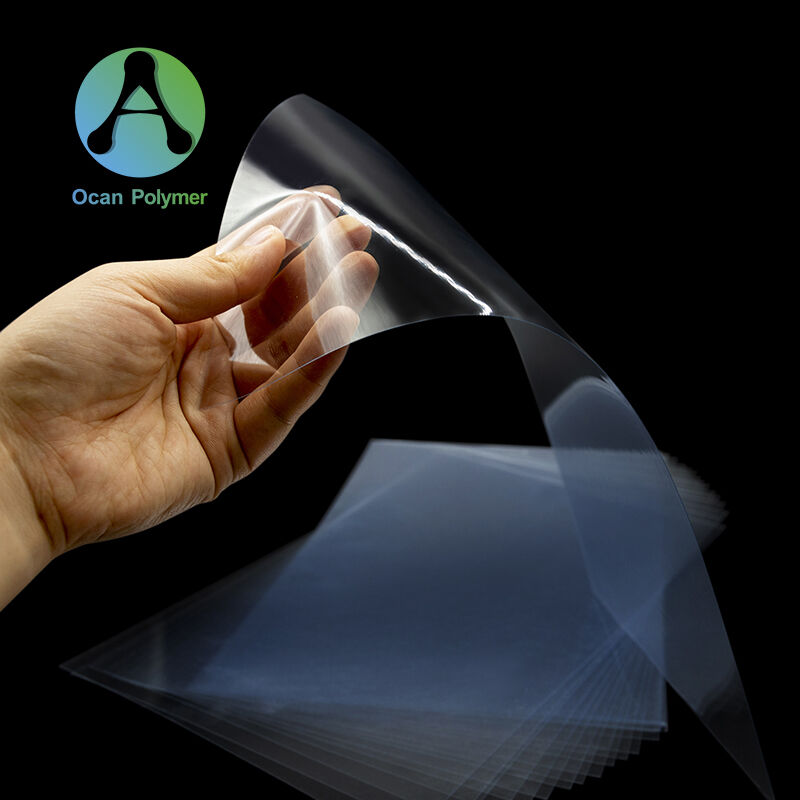
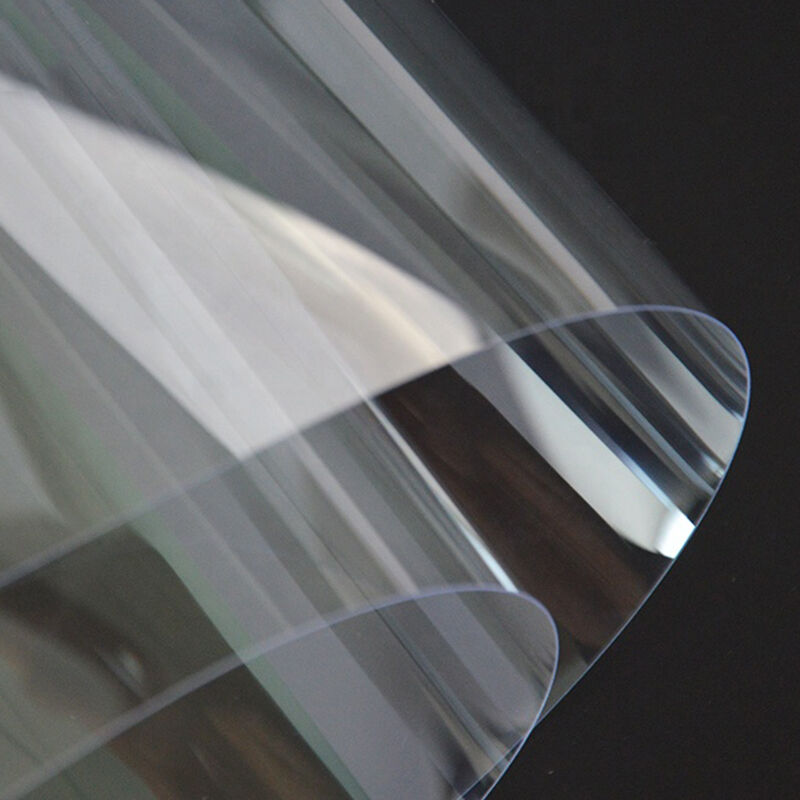
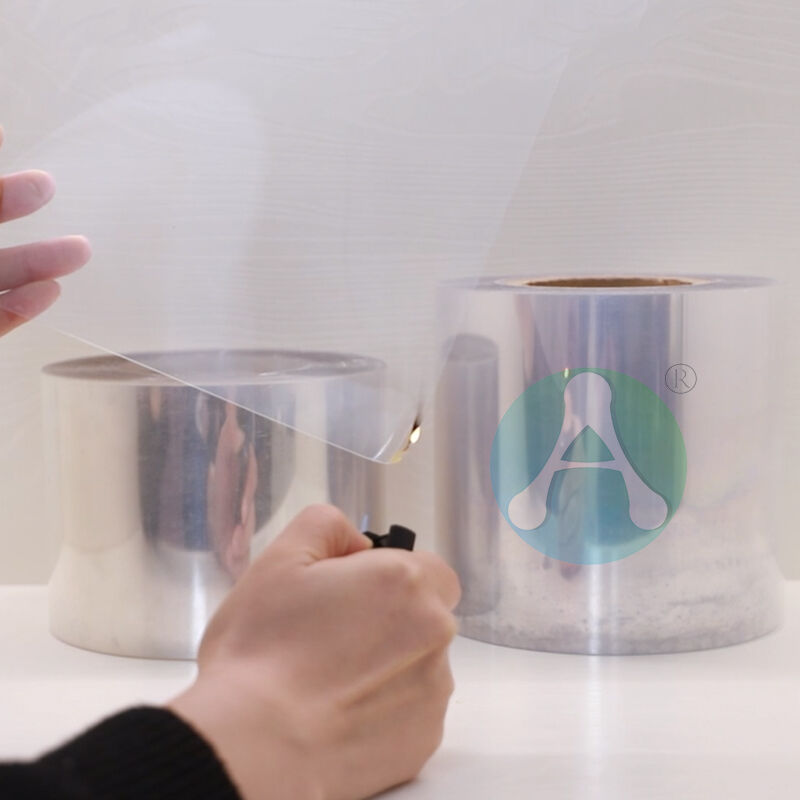
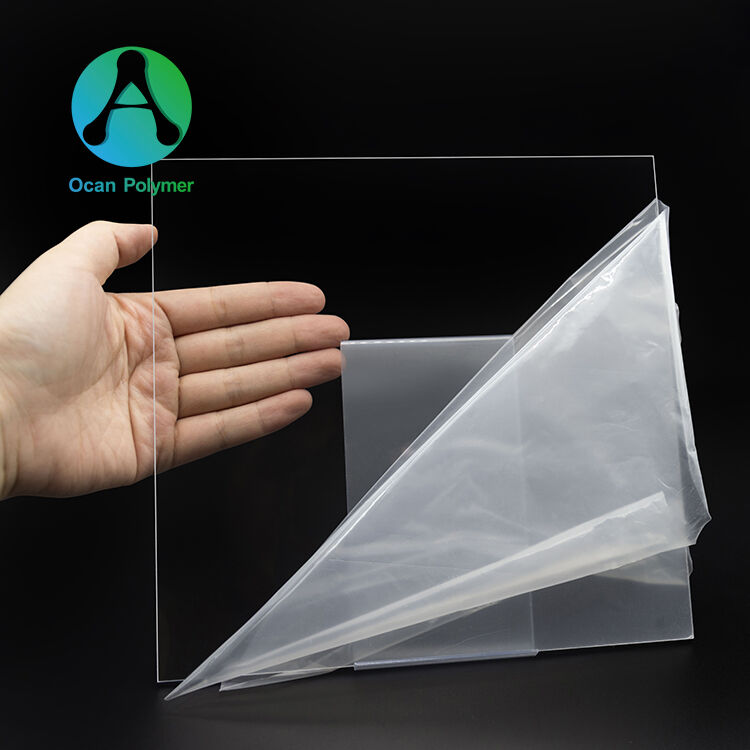
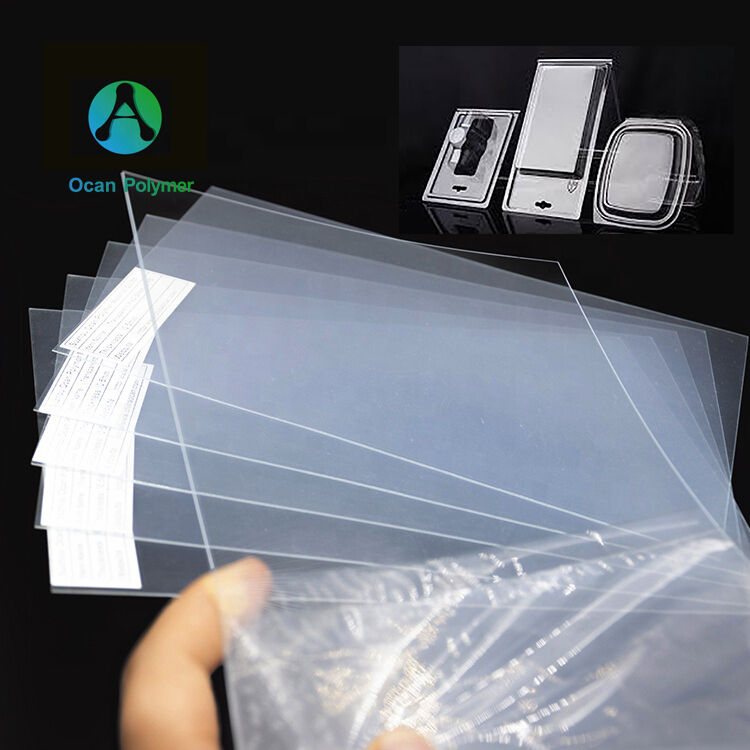
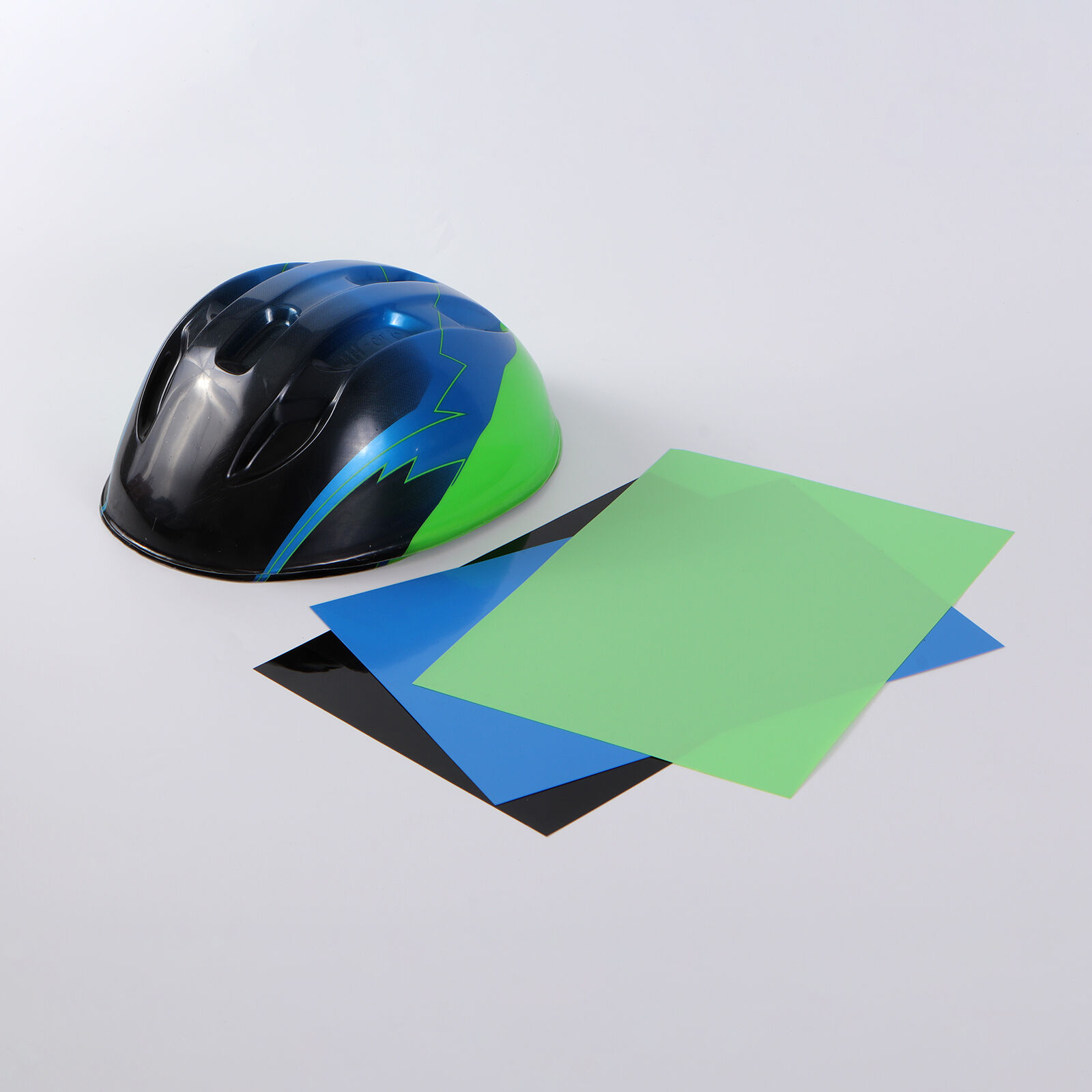
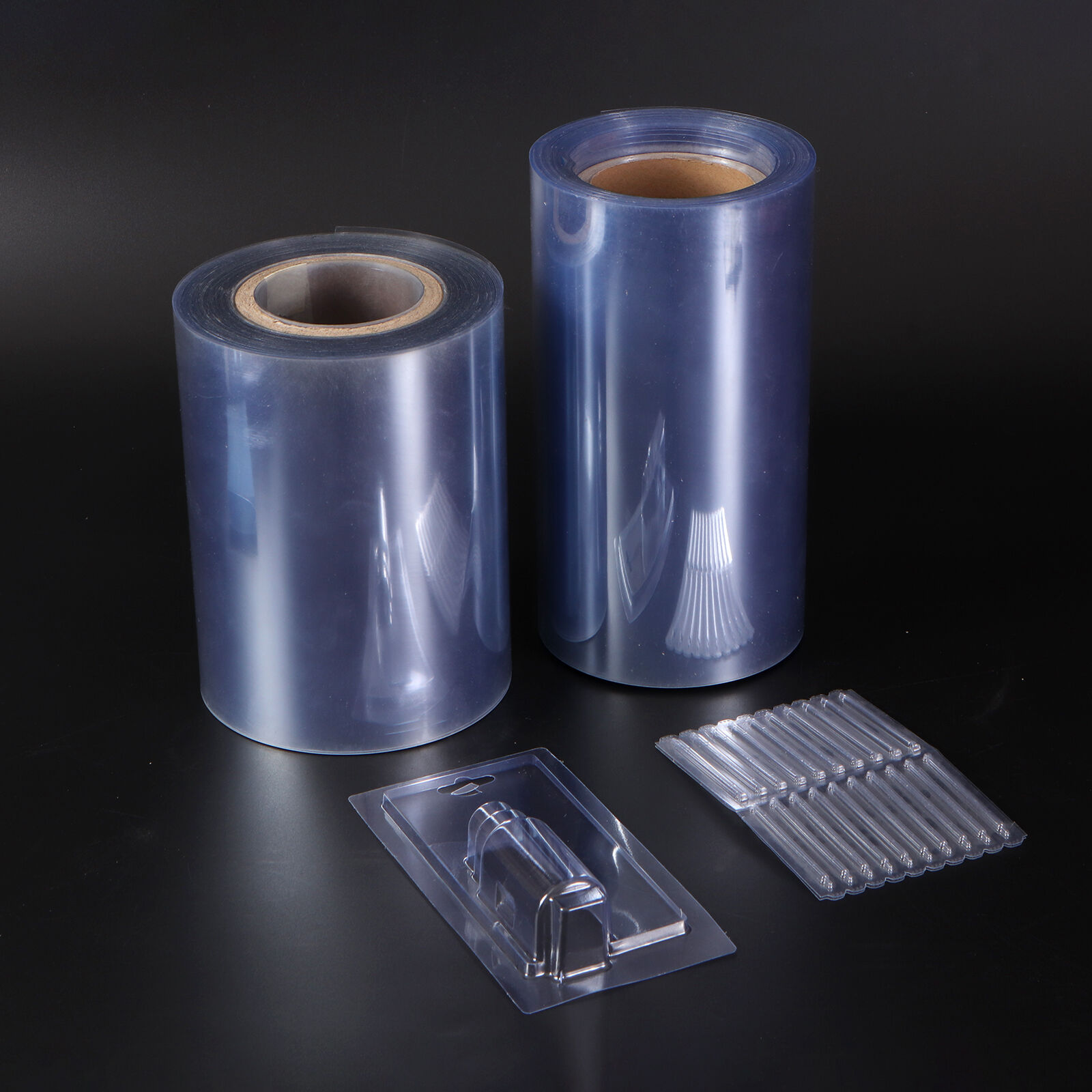
PVC sheet for vacuum forming represents a transformative material solution that has revolutionized manufacturing processes across numerous industries. This versatile thermoplastic material is specifically engineered to withstand the rigorous demands of vacuum forming operations, where heat and pressure combine to create precise three-dimensional shapes from flat sheets. The PVC sheet for vacuum forming offers exceptional moldability, allowing manufacturers to produce complex geometries with remarkable accuracy and consistency. As a cost-effective alternative to traditional manufacturing methods, this material has become indispensable in sectors ranging from automotive components to medical device packaging. The fundamental principle behind PVC sheet for vacuum forming involves heating the material to its optimal forming temperature, typically between 140 to 180 degrees Celsius, at which point it becomes pliable and can be stretched over molds using vacuum pressure. This process ensures uniform wall thickness distribution and excellent detail reproduction. The technological sophistication of modern PVC sheet for vacuum forming stems from advanced polymer formulations that balance flexibility with structural integrity. Manufacturers can select from various grades, including rigid, semi-rigid, and flexible variants, each tailored to specific application requirements. The material exhibits outstanding chemical resistance, protecting finished products from environmental degradation and extending their operational lifespan. Surface finish options range from glossy to matte, with possibilities for texturing and embossing that enhance aesthetic appeal and functional performance. The dimensional stability of PVC sheet for vacuum forming ensures that manufactured components maintain their shape integrity throughout temperature fluctuations and mechanical stress. This reliability makes it particularly valuable for applications requiring precise tolerances and long-term performance consistency. Environmental considerations have also advanced significantly, with many PVC sheet for vacuum forming products now incorporating recycled content and improved sustainability profiles without compromising performance characteristics.

New Product Recommendations

The PVC sheet for vacuum forming delivers substantial practical benefits that directly impact your production efficiency and bottom line. First and foremost, this material dramatically reduces manufacturing costs compared to injection molding or metal fabrication, eliminating the need for expensive tooling and enabling rapid prototype development. You can test multiple design iterations without significant financial investment, accelerating your product development cycle and bringing innovations to market faster. The processing speed stands as another compelling advantage, as PVC sheet for vacuum forming typically requires only seconds to minutes per part, depending on complexity and size, allowing you to scale production volumes according to demand fluctuations without extensive lead times. This material offers remarkable design flexibility, enabling you to create intricate contours, undercuts, and detailed surface features that would prove challenging or impossible with alternative manufacturing methods. Your production team will appreciate the straightforward processing requirements, as vacuum forming equipment operates with relatively simple mechanics and minimal training, reducing labor costs and operational complexity. The lightweight nature of PVC sheet for vacuum forming translates directly into shipping cost savings and easier handling during assembly operations, while still maintaining sufficient strength for demanding applications. You gain access to extensive customization options, including various thicknesses ranging from thin gauge films to heavy gauge sheets, multiple color choices that eliminate secondary painting operations, and surface treatments that enhance functionality such as anti-static properties or UV resistance. The material demonstrates excellent impact resistance, protecting your products during transportation and use while maintaining visual appeal over extended service periods. Temperature tolerance ensures reliable performance across diverse environmental conditions, from cold storage facilities to outdoor installations exposed to solar radiation. When you choose PVC sheet for vacuum forming, you benefit from consistent quality output with minimal waste generation, as the thermoforming process produces clean edges and uniform wall distribution. The material bonds readily with adhesives and can be welded or mechanically fastened, providing assembly versatility that accommodates various manufacturing workflows. Perhaps most importantly, you can modify production runs quickly without retooling expenses, responding to market demands and customer preferences with agility that competitive manufacturing methods cannot match. The barrier properties of PVC sheet for vacuum forming protect sensitive contents from moisture and contaminants, extending shelf life for packaged goods and maintaining product integrity throughout distribution channels.

Practical Tips

Why Do Factories Use PVC Sheet for Electronic Component Packaging?

24

Apr

Why Do Factories Use PVC Sheet for Electronic Component Packaging?

Electronic component packaging demands materials that combine protective performance with economic viability, and PVC sheet for electronic component packaging has become an industry standard for good reason. Factories worldwide rely on this versatile...
View More
How Is PC Sheet Used for Light Diffuser Panels in LED Lampshades?

03

Apr

How Is PC Sheet Used for Light Diffuser Panels in LED Lampshades?

Polycarbonate sheet technology has revolutionized the lighting industry by providing an optimal solution for light diffusion in LED lampshade applications. When manufacturers design LED lighting products, they face a critical challenge: converting po...
View More
Why Is Acrylic Sheet Applied in Advertising Light Boxes and Sign Boards?

01

May

Why Is Acrylic Sheet Applied in Advertising Light Boxes and Sign Boards?

Advertising light boxes and sign boards are essential visual communication tools in modern commercial environments, found everywhere from shopping malls and airports to storefronts and exhibition halls. The material chosen for these applications must...
View More
Why Is ABS Sheet Applied in Vacuum Forming for Automotive Parts?

01

Apr

Why Is ABS Sheet Applied in Vacuum Forming for Automotive Parts?

The automotive industry demands materials that combine mechanical strength, thermal stability, and cost-effectiveness for manufacturing interior and exterior components. Among thermoplastic materials used in vacuum forming processes, ABS sheet has em...
View More

Get a Free Quote

Our representative will contact you soon.
Email
Name
Company Name
Mobile/WhatsApp
Message
0/1000

pvc sheet for vacuum forming

Superior Formability and Precision Manufacturing Capabilities

Superior Formability and Precision Manufacturing Capabilities

The exceptional formability of PVC sheet for vacuum forming stands as its most distinguishing characteristic, enabling manufacturers to achieve intricate designs with precision that meets exacting specifications. This material property stems from carefully engineered molecular structures that respond predictably to thermal processing, ensuring consistent results across production runs. When heated to optimal forming temperatures, the PVC sheet for vacuum forming exhibits uniform softening throughout its thickness, eliminating weak spots or inconsistent areas that could compromise finished part quality. This homogeneous heating response allows for deep draws and complex geometries that capture fine details from mold surfaces, reproducing textures, logos, and functional features with exceptional fidelity. The material memory characteristics ensure that once cooled, formed parts maintain their shape without warping or dimensional drift, even under mechanical stress or environmental exposure. Manufacturers benefit from the wide processing window that PVC sheet for vacuum forming provides, offering latitude in temperature and pressure parameters that accommodate different mold configurations and part complexities. This forgiveness in processing reduces scrap rates and minimizes the learning curve for operators, contributing to overall production efficiency. The material demonstrates excellent corner definition, maintaining uniform wall thickness even in tight radius areas where other thermoplastics might thin excessively or tear. This consistency proves particularly valuable for structural applications where strength requirements must be met throughout the entire component. The surface replication capability of PVC sheet for vacuum forming extends beyond simple texture reproduction to include functional features such as ribbing for reinforcement, mounting bosses for assembly, and registration features for automated handling. These integrated design elements eliminate secondary operations, reducing manufacturing steps and associated costs. The material accommodates both positive and negative forming techniques, providing design engineers with maximum creative freedom to optimize part geometry for performance and aesthetics. Multi-layer PVC sheet for vacuum forming options enable the combination of different properties within a single component, such as color layers for visual appeal backed by structural layers for strength, or barrier layers for chemical resistance. This layering capability expands application possibilities without requiring complex assembly processes. The predictable shrinkage rates of PVC sheet for vacuum forming facilitate accurate mold design, ensuring that finished parts meet dimensional specifications without extensive post-forming adjustments. Quality control becomes more manageable as the material consistency translates into repeatable outcomes that statistical process control methods can monitor effectively.
Outstanding Durability and Long-Term Performance Reliability

Outstanding Durability and Long-Term Performance Reliability

The durability profile of PVC sheet for vacuum forming establishes it as a premier choice for applications demanding sustained performance under challenging conditions. This material exhibits remarkable resistance to physical impacts, absorbing energy from collisions and mechanical stress without cracking or shattering, which proves essential for protective housings, transit packaging, and structural components exposed to handling rigors. The molecular composition of PVC sheet for vacuum forming includes stabilizers and modifiers that protect against degradation from ultraviolet radiation, preventing the brittleness and discoloration that compromise both appearance and functionality in outdoor applications. This UV stability ensures that formed parts maintain their mechanical properties and visual appeal throughout years of sun exposure, eliminating the need for protective coatings or frequent replacements. Chemical resistance represents another critical durability dimension, as PVC sheet for vacuum forming withstands contact with oils, greases, mild acids, and alkaline solutions commonly encountered in industrial environments, food service operations, and medical facilities. This inertness protects both the formed components and any contents they contain or protect, maintaining hygiene standards and preventing contamination. The moisture barrier properties prevent water absorption that could lead to dimensional changes or microbial growth, making PVC sheet for vacuum forming ideal for humid environments and applications requiring regular cleaning with liquid disinfectants. Temperature cycling tolerance ensures that parts formed from this material endure repeated heating and cooling without developing stress cracks or losing dimensional accuracy, a characteristic particularly valuable for automotive interior components and electronic enclosures subject to operational heat generation. The abrasion resistance of PVC sheet for vacuum forming maintains surface integrity despite friction from repeated contact, preserving appearance and functionality in high-traffic applications such as retail displays and equipment guards. This wear resistance extends component lifespan significantly compared to materials that show scratching and surface degradation quickly. The material demonstrates excellent fatigue resistance when subjected to repeated flexing or vibration, maintaining structural integrity in dynamic applications where cyclic loading occurs regularly. This resilience prevents premature failure and reduces maintenance requirements across the product lifecycle. Fire performance characteristics can be enhanced through specific formulations of PVC sheet for vacuum forming that meet stringent flammability standards for transportation, construction, and public space applications, providing safety margins that protect people and property. The dimensional stability under load prevents creep and deformation when components bear weight or experience sustained stress, ensuring that assemblies maintain proper fit and function throughout their service life.
Economic Efficiency and Sustainable Manufacturing Advantages

Economic Efficiency and Sustainable Manufacturing Advantages

The economic advantages of PVC sheet for vacuum forming extend far beyond initial material costs, encompassing the entire production lifecycle and contributing to sustainable manufacturing practices. Tooling investments for vacuum forming represent a fraction of the capital required for injection molding or metal stamping, with molds often constructed from aluminum, wood, or composite materials rather than hardened steel, reducing both fabrication time and expense. This accessibility enables small and medium enterprises to compete effectively in markets previously dominated by high-volume manufacturers with extensive capital resources. The rapid tooling turnaround facilitates agile product development, allowing companies to respond quickly to market trends and customer feedback without the financial risk associated with expensive permanent tooling. Setup times for production runs using PVC sheet for vacuum forming typically measure in minutes rather than hours, minimizing downtime between jobs and maximizing equipment utilization rates. This efficiency proves particularly valuable for custom manufacturing operations serving diverse client bases with varying specifications and order volumes. Energy consumption during the vacuum forming process remains substantially lower than alternative manufacturing methods, as heating requirements focus on the sheet material rather than maintaining large masses of molten plastic or operating high-pressure injection systems. This reduced energy footprint translates into lower operating costs and smaller environmental impact, aligning with corporate sustainability objectives and regulatory requirements. Material utilization efficiency minimizes waste, as trim scrap from PVC sheet for vacuum forming can be recycled back into sheet production or repurposed for other applications, creating closed-loop manufacturing systems that reduce landfill contributions. The ability to nest multiple parts on single sheets optimizes material yield, further reducing costs and environmental burden. Labor requirements remain modest due to the straightforward nature of vacuum forming operations, with many systems offering semi-automated or fully automated capabilities that reduce dependency on skilled operators while maintaining consistent quality output. Inventory management becomes more efficient as PVC sheet for vacuum forming can be stocked in standard sizes and colors, eliminating the need to maintain extensive part inventories and reducing carrying costs. Just-in-time manufacturing becomes practical, producing components as needed rather than building large stockpiles that tie up capital and warehouse space. Transportation costs benefit from the lightweight nature of formed PVC components, reducing freight expenses and fuel consumption across distribution networks. The material stability ensures long shelf life without special storage requirements, simplifying logistics and reducing inventory obsolescence risks. Quality consistency inherent in PVC sheet for vacuum forming reduces inspection requirements and rejection rates, improving overall equipment effectiveness and manufacturing efficiency metrics. The versatility of this material eliminates the need to maintain multiple material types for different applications, simplifying procurement processes and strengthening supplier relationships through consolidated purchasing power.

Get a Free Quote

Our representative will contact you soon.
Email
Name
Company Name
Mobile/WhatsApp
Message
0/1000