Uwezo Mzuri Sana wa Kupinga Kemikali na Uwezo wa Kudumu
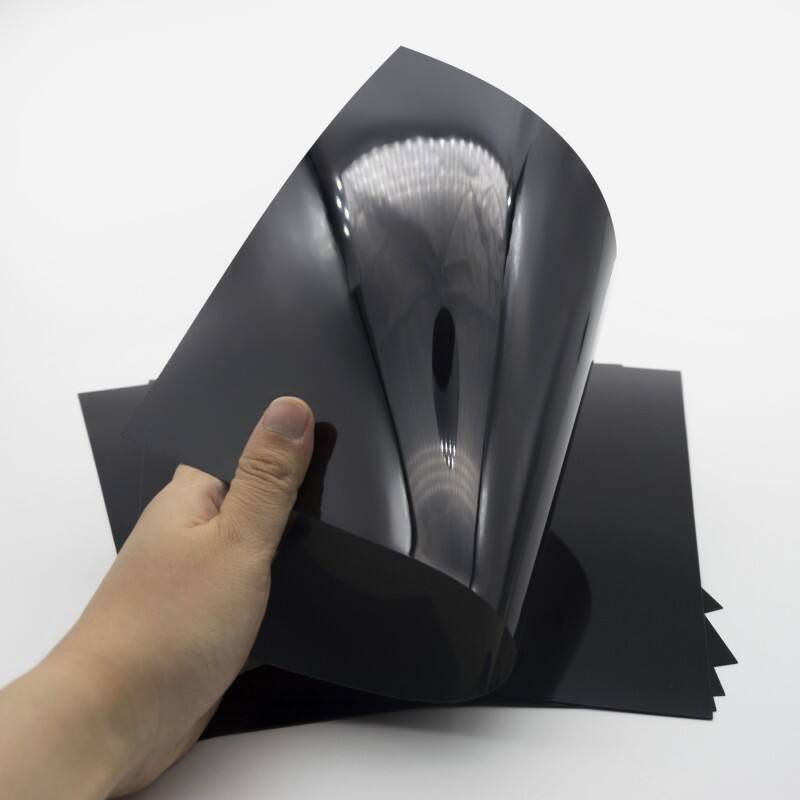
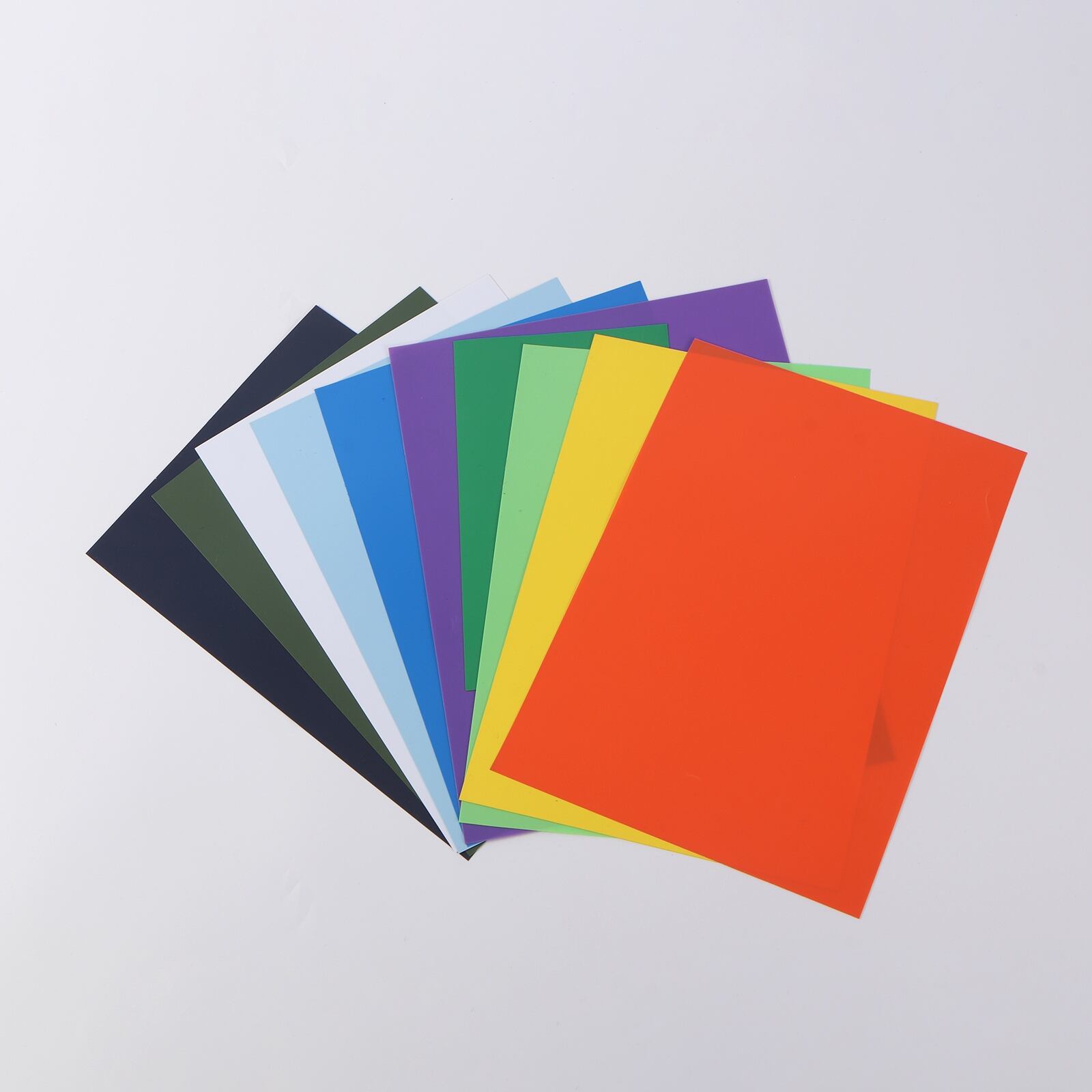
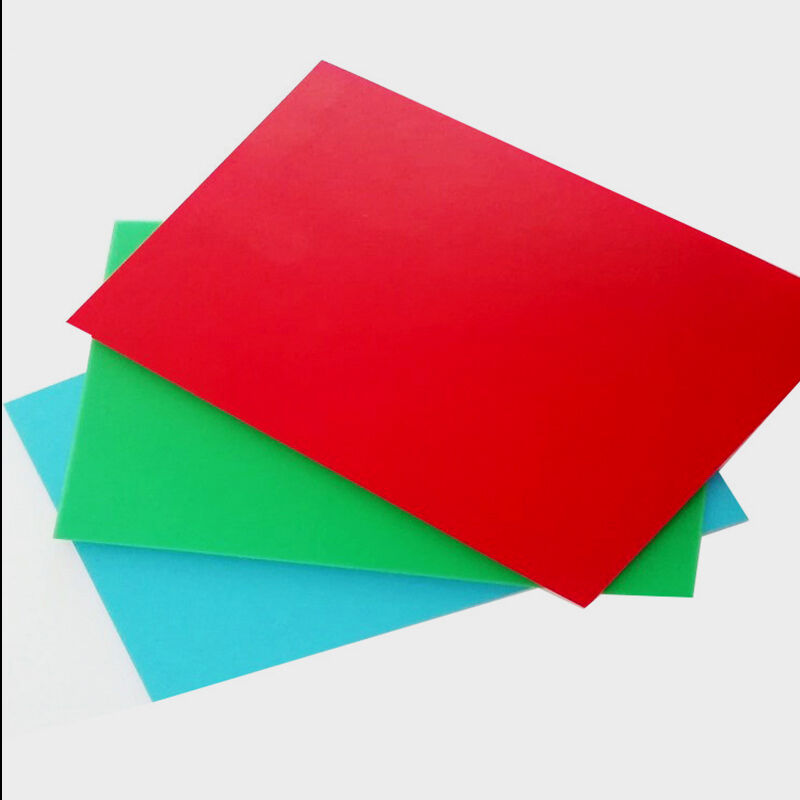
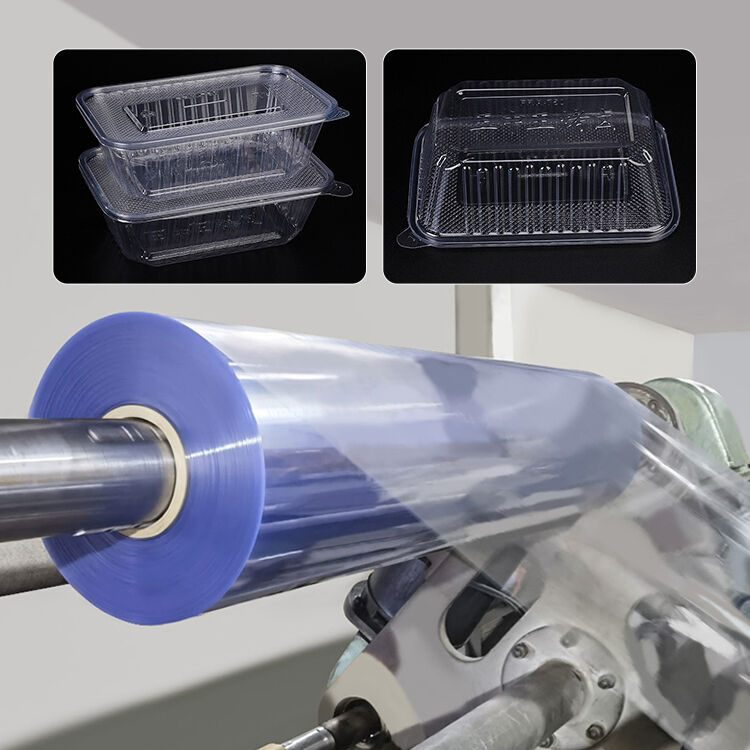
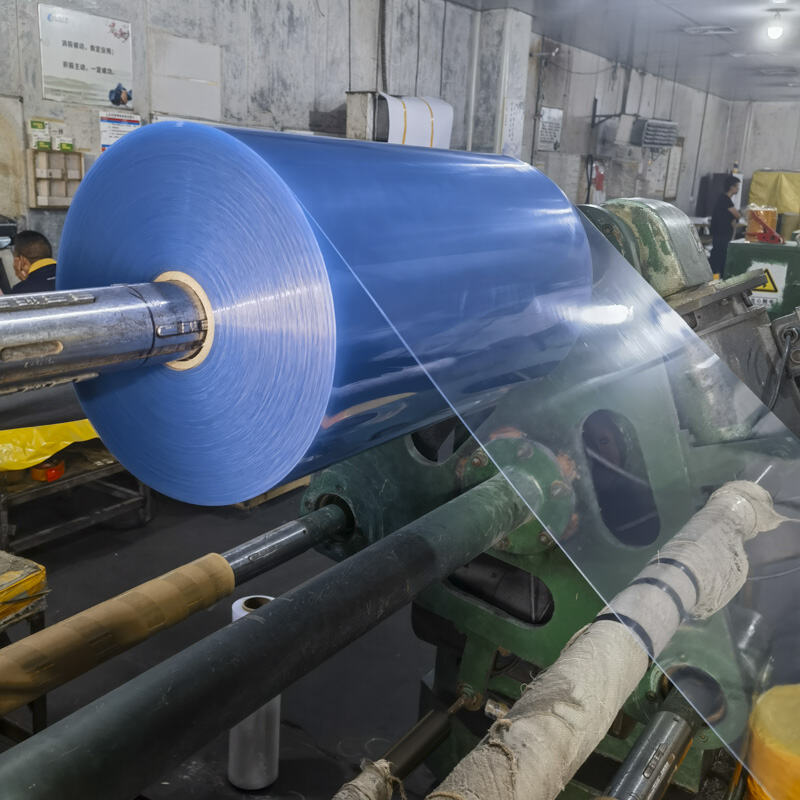
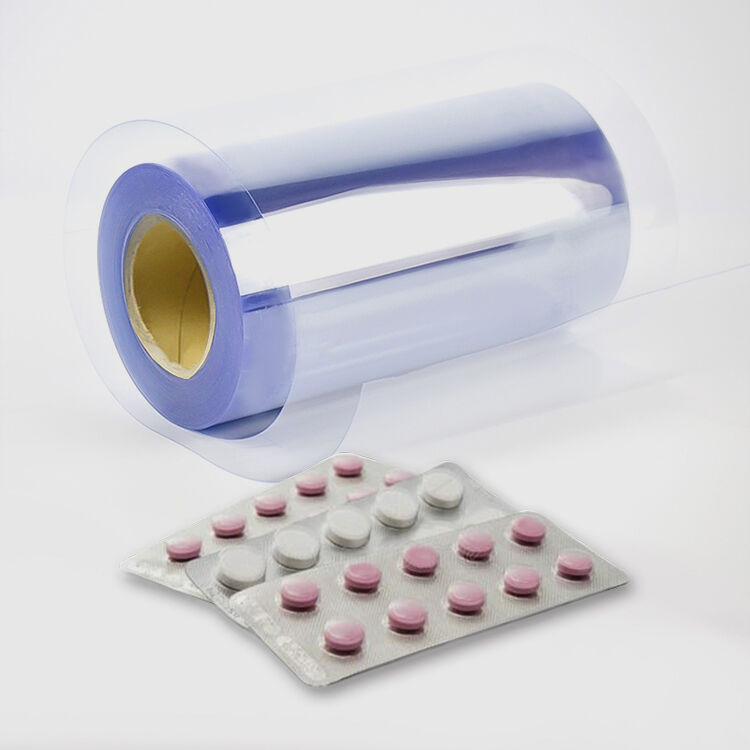
Uwezo wa kupambana na kemikali unategemea kama faida ya kipekee ya pvc roll kwa ajili ya thermoforming, ikitoa bidhaa za mwisho zenye uwezo wa kubakia kwa muda mrefu wakati wa kutumika katika mazingira ya changamoto na kuchukua kemikali zenye nguvu zinazotumika katika matumizi ya kawaida. Uwezo huu wa kusimama dhidi ya mafumu ya kemikali unatokana na kushirikiana kwa kiholela cha kaboni-chlorini katika muundo wa polime, kujenga chombo kinachoweza kusimama dhidi ya muda mrefu wa kuwasiliana na bidhaa za petroli, alkoholi, asidi za dhaifu, suluhisho la alkali, na kemikali nyingi za viwanda bila kuharibika kwenye uso, kubongoka, au kufanya kuvunjika kwa sifa za kimkavu. Viwanda vinavyoshughulikia kemikali zenye nguvu vinapenda sifa hii haswa, kwa sababu sehemu zinazotengenezwa kutoka kwa bidhaa za PVC zinazotengenezwa kwa njia ya thermoforming zinaweza kudumisha uhai wa muundo na umbo hata baada ya miaka mingi ya kuwasiliana na mazingira ya kemikali yenye nguvu ambayo inaweza kuharibika haraka kwa matumizi ya vifaa vingine. Pvc roll kwa ajili ya thermoforming inasimama dhidi ya kujaza maji, kuzuia mabadiliko ya ukubwa na upungufu wa sifa ambazo huathiri vifaa vya kujaza maji katika mazingira ya upepo au wakati wa kuwasiliana moja kwa moja na maji, kwa hivyo inafaa sana kwa matumizi ya nje, mazingira ya bahari, na mahali ambapo utakwaji mara kwa mara kwa kutumia maji ni lazima. Uwezo huu wa kusimama dhidi ya maji pia unazuia kukua kwa fungu, kuvu, na bakteria juu ya uso la bidhaa, kuhusu usafi wa huduma za chakula, tiba, na vituo vya usafi ambapo udhibiti wa uchafuzi unahitajika sana. Uwezo wa kusimama dhidi ya hali ya hewa unarejelea uwezo mwingine wa kubakia, ambapo vifaa vya PVC vinavyotengenezwa kwa njia ya kusakinisha vinaweza kusimama dhidi ya uvumbuzi wa UV kwa kujumlisha vifaa vya kusimamia vinavyozuia uvumbuzi wa kemikali na kudumisha ustawi wa rangi hata chini ya nuru ya jua iliyokuwa na nguvu sana. Uwezo wa kusimama dhidi ya moto wa vifaa hivi unatoa faida za usalama katika matumizi ambapo hatari ya moto inaathiri uchaguzi wa vifaa, kwa sababu PVC ina sifa za kuzima moto yake mwenyewe ambazo zinazua kuzuia kuenea kwa moto na kupunguza uzalishaji wa moshi kuliko vifaa vingine vya thermoplastics vinavyotokana na hidrokarboni. Uwezo wa kubakia kwa kimkavu kwa wakati wote wa kutumika unafikia kile kilichotarajiwa, kwa sababu pvc roll kwa ajili ya thermoforming inatengeneza bidhaa zinazosimama dhidi ya uvunjaji wa mafumbo, uvunjaji wa uso, na uvunjaji wa kisasa hata chini ya mafumbo ya mara kwa mara au mafumbo ya kimkavu. Uunganisho huu wa uwezo wa kubakia kwa kemikali na kimkavu unasababisha kuhakikisha kwamba bidhaa zinatumika kwa muda mrefu zaidi, kuhakikisha kwamba hazitakiwi kubadilishwa mara kwa mara na gharama jumla ya ubunifu inapungua kwa watumiaji wa mwisho, pamoja na kusaidia malengo ya ustawi kwa kudumisha muda mrefu wa kutumika wa vifaa. Ustawi wa joto wakati wa kutumika unaruhusu sehemu zinazotengenezwa kutoka kwa PVC kufanya kazi kwa uaminifu katika vikoa vya joto vinavyotumika kawaida bila kusofti, kuharibika kwa urahisi, au kubongoka, ambavyo lingekuwa na athari kwa usahihi wa ukubwa au uwezo wa kimkavu.
 EN
EN