Uwezo Bora wa Kufanya Uundaji na Uwezo Mwingine wa Kuzalisha
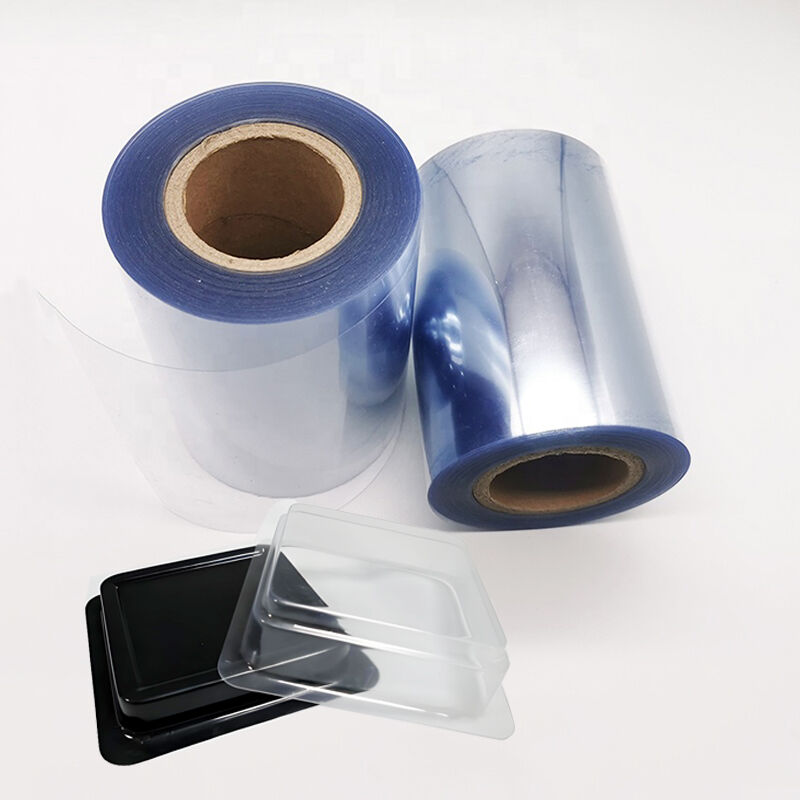
Karatasi ya ps ina utendaji mzuri wa kufanya umbo, ikutoa uwezo mkubwa sana wa kujenga mifumo ya bidhaa mbalimbali ambayo yanakidhi mahitaji maalum ya matumizi. Sifa hii ya kipekee inatokana na asili ya thermoplastic ya kitu hiki, ambayo inaruhusu kuwa mchanganyiko wa joto la kawaida na kufanywa umbo wowote uliopo katika kimagazini. Unapomwagilia karatasi ya ps katika vikoa vya joto vya kufanya umbo, kwa kawaida kati ya 160 hadi 180 digrii Celsius, kitu hiki kinakuwa mwenye uwezo wa kufanywa umbo na kujibadilisha kwa urahisi chini ya nguvu za kufanya umbo bila kupoteza uwezo wake wa kusimamia muundo wake kwa usahihi wa vipimo wakati wa kufanya umbo. Vikoa hivi vya joto vinatoa uwezo mzuri wa kufanya kazi, ikutoa wafanyikazi wakati wa kutosha ili kufanya umbo kwa usahihi bila kuharakisha au kuchangia uvurugu wa kitu. Uwezo wa kufanya umbo kwa njia ya vacuum wa karatasi ya ps unajulikana sana, kwa sababu kitu hiki kinapita kwa urahisi na kwa usawa juu ya vifaa vya kufanya umbo, ikikamata maelezo ya ndogo na mistari ya kiholela kwa uaminifu mkubwa. Wafanyikazi wanapenda jinsi ya karatasi ya ps inayofanya umbo kwa muundo wa kipekee, ikiwemo mifumo ya kina, mikono ya chini, na mistari ya pamoja ambayo yangekuwa ngumu sana au isiyoweza kufanywa kwa vitu vingine visivyokuwa na uwezo wa kushirikiana. Utendaji wa uzalishaji wako unapanda kwa kiasi kikubwa kwa sababu karatasi ya ps inahitaji mzunguko mfupi wa kujazwa kwa joto kuliko plastiki nyingine nyingi, ikupunguza matumizi ya nishati na kuruhusu mzunguko wa haraka zaidi ambao unapanda uhamisho bila kuchangia ubora. Kitu hiki hana athari ya kumbukumbu ya chini baada ya kufanya umbo, maana inaendelea kushika umbo jipya bila kujaribu kurudi tena kwa hali yake ya awali ya msalaba, ikuhakikisha ustabiliti ya vipimo kwa muda mrefu katika bidhaa zilizotengenezwa. Wafanyikazi wanaona kwamba karatasi ya ps inafanywa vizuri kwa kutumia vifaa vya kawaida vya ufundi wa miti na vya metali, ikikubali kufanywa kwa upande, kuchunguzwa, kufanywa kwa router, na kufanywa kwa milling, ambayo huunda mipaka safi na vipimo sahihi. Kitu hiki hutoa mafuta kidogo sana wakati wa kugusa, ikudumisha mazingira ya kazi safi zaidi na kupunguza wasiwasi wa kupumua kwa wafanyikazi wa uzalishaji. Kufanya uunganisho na kufanya kazi za kujumuisha hufaidika na uwezo wa kitu hiki kushirikiana na glues mbalimbali, solvents, na njia za kufunga kwa njia ya kimkavu, ikutoa chaguo mbalimbali ya kujumuisha sehemu au kufunga vifaa vya ziada. Karatasi ya ps pia inakubali kazi za pili kama vile kufanya umbo kwa joto, kufanya umbo la kuvutia, na kufanya umbo la kufunga, ikuruhusu kuongeza urefu, michoro, au dafu za kulinda ambazo zinahakikisha kuboresha uwezo au ubunifu wa kuvutia. Uwezo huu wa kufanya kazi kwa njia mbalimbali unatumika moja kwa moja kwa kupunguza malipo ya vifaa vya kufanya kazi, kwa sababu vifaa vya kufanya umbo na vifaa vya kufanya umbo vya lengo moja vinaweza mara nyingi kufanya tofauti za bidhaa nyingi kupitia mabadiliko rahisi ya vipimo vya kufanya umbo badala ya kuhitaji vifaa vya kufanya umbo vya kipekee.
 EN
EN