kioo cha PETG cha wazi
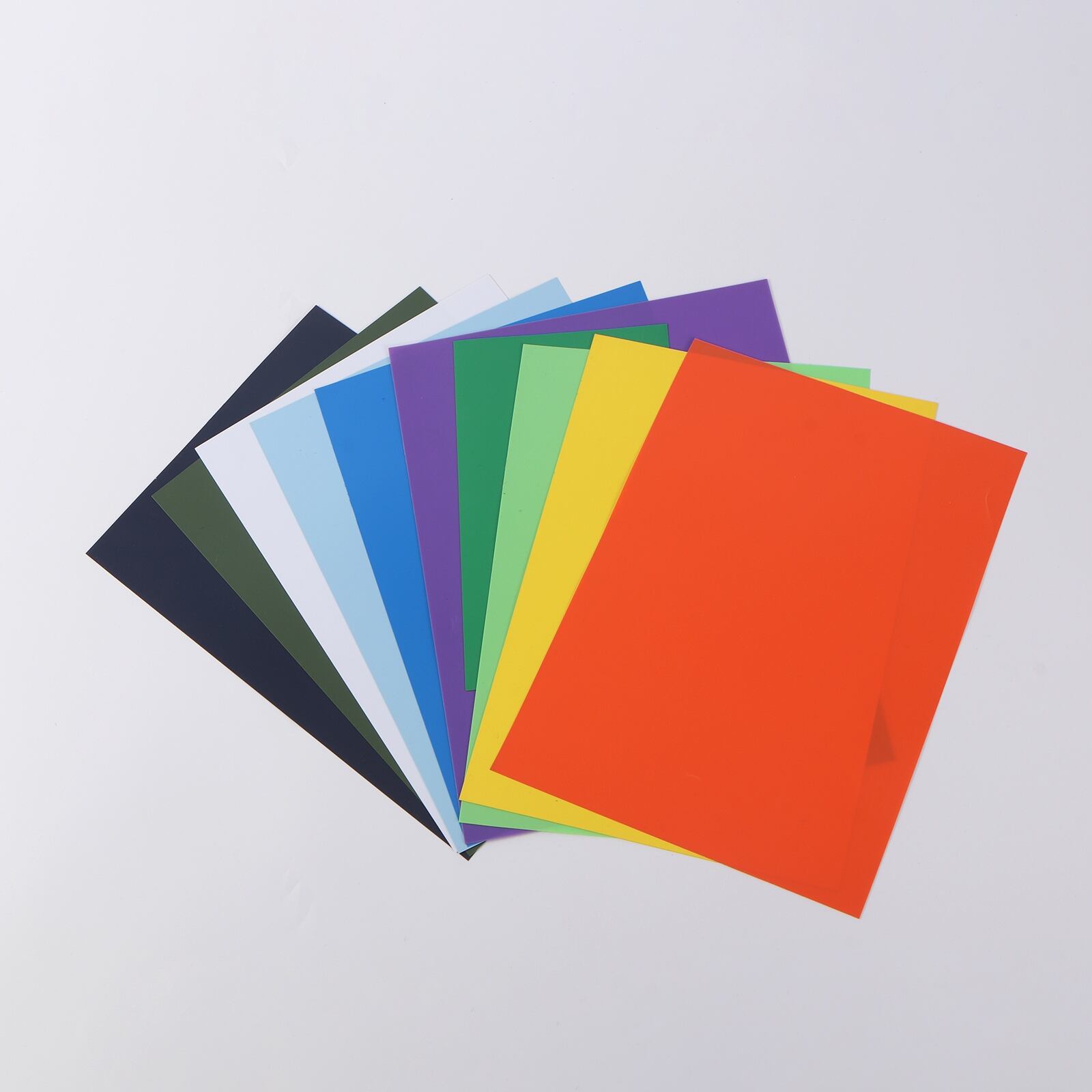
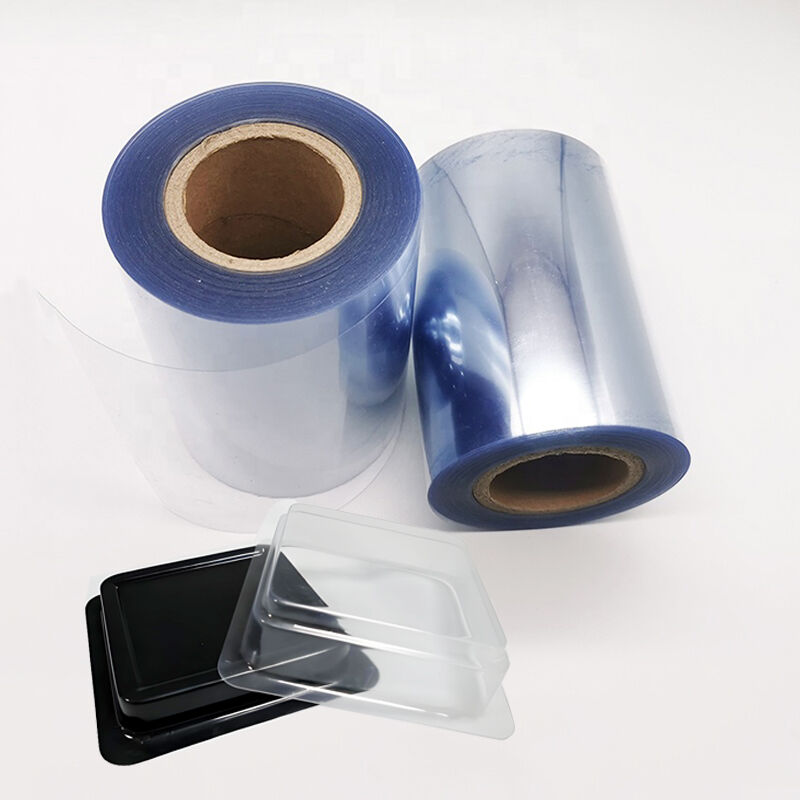
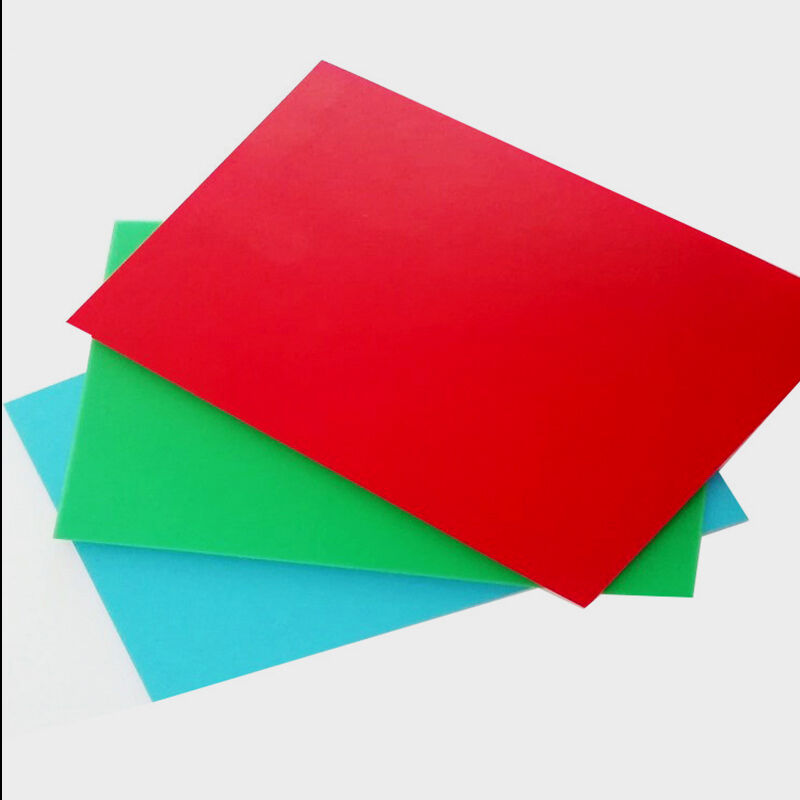
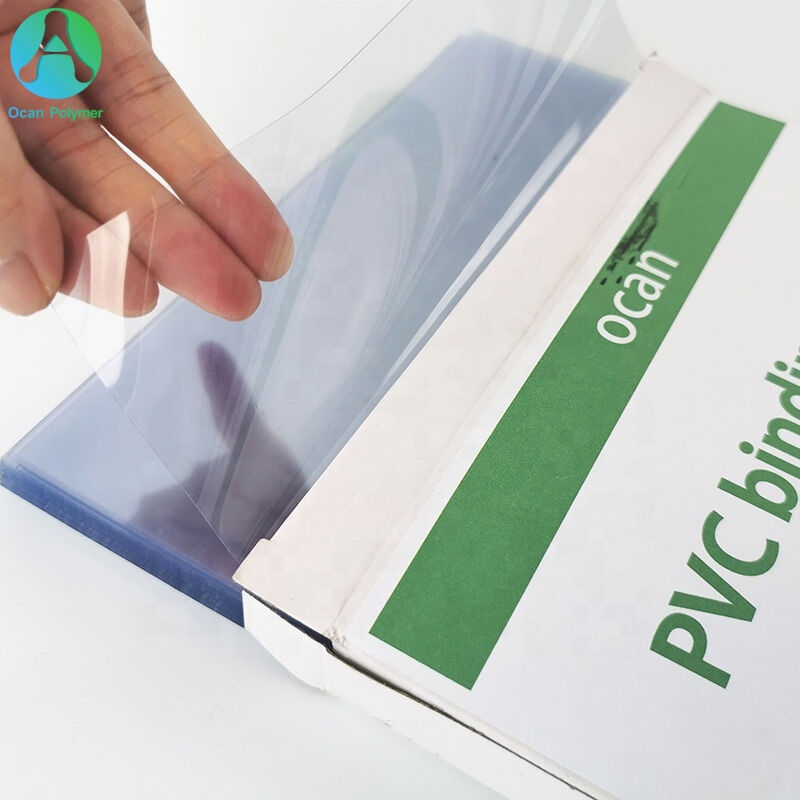
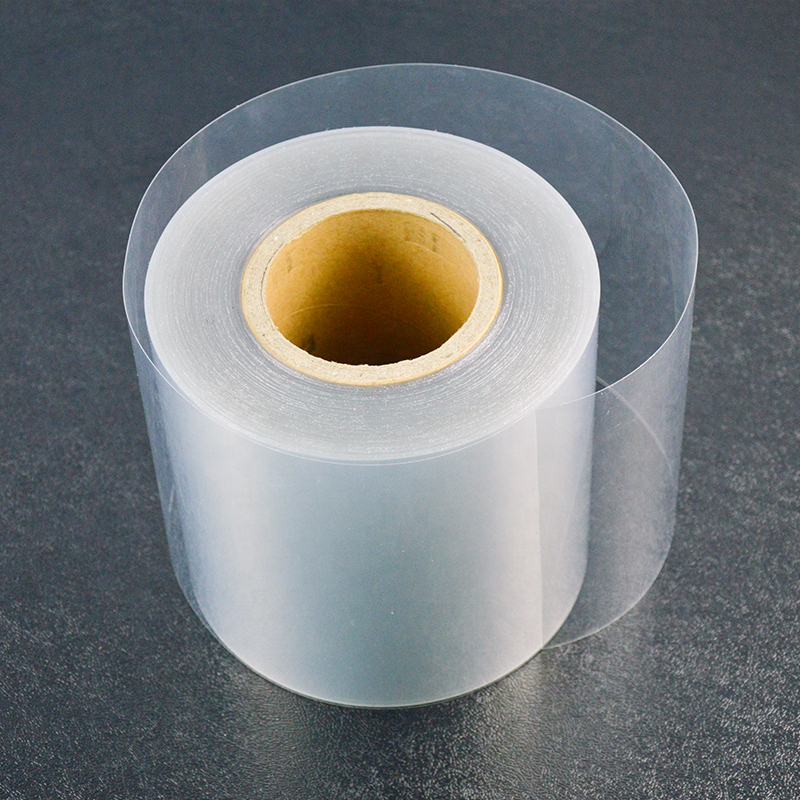
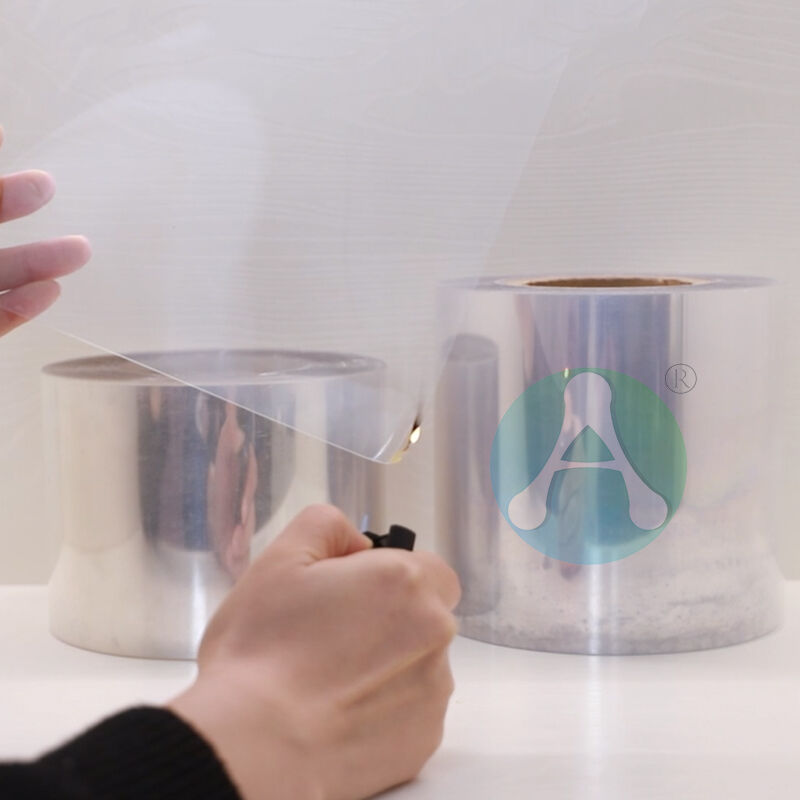
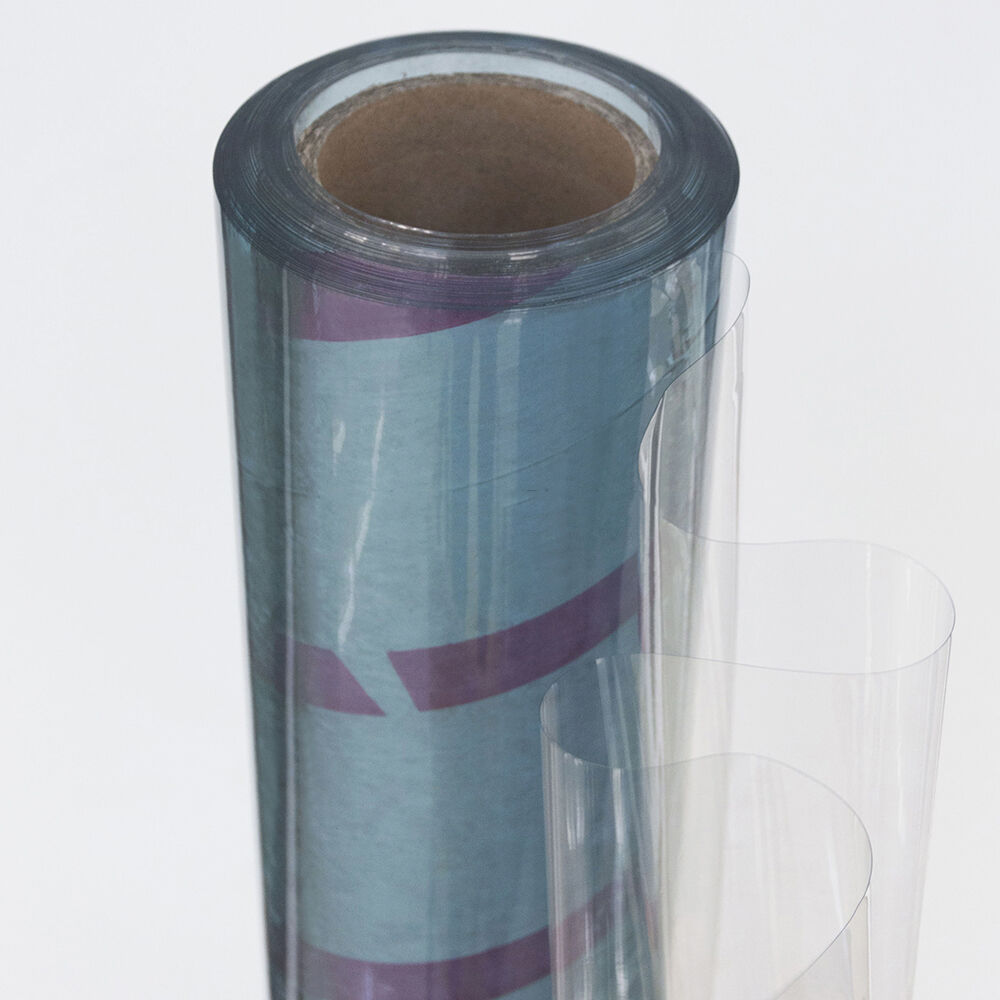
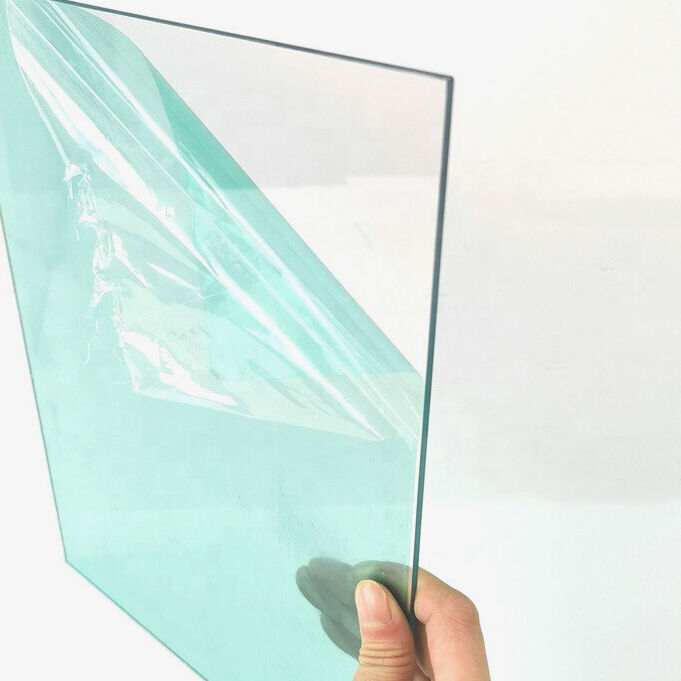
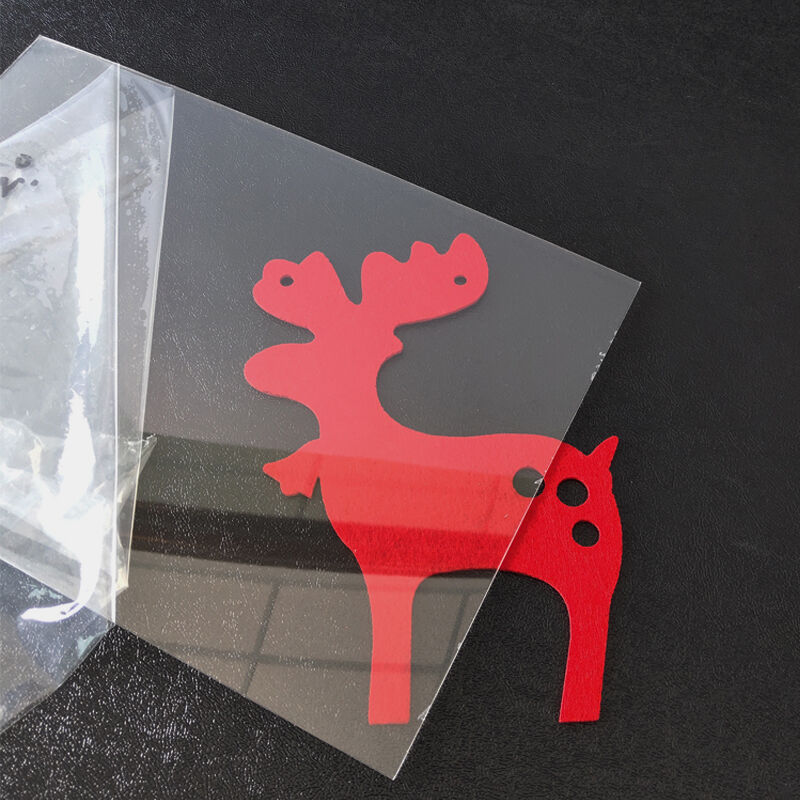
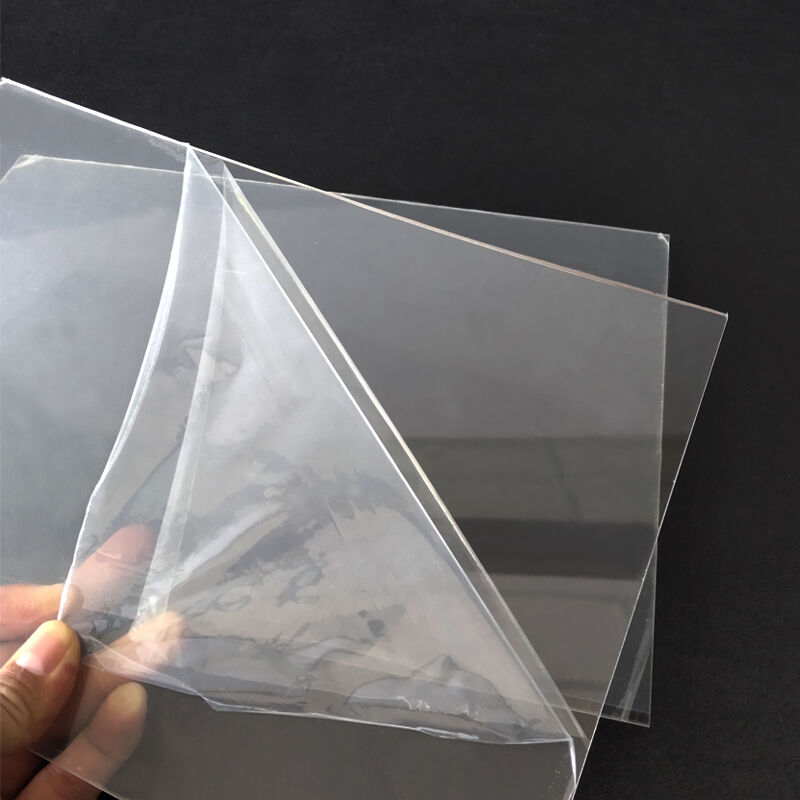
Kioo cha PETG cha wazi kinaonyesha nyenzo bora ya thermoplastic ambacho hujumuisha sifa bora zote za nyenzo ya acrylic na ya polycarbonate. Hii bidhaa ya polyethylene terephthalate iliyobadilishwa kwa glycol imekuja kuwa chaguo la kwanza katika sekta nyingi kwa sababu ya uwazi wake wa kipekee, uwezekano wa kubakia muda mrefu, na uwezekano wa kutumika katika vitu vingi. Kioo cha PETG cha wazi kina sifa za kuvumbua mwanga bora sana, na kiwango cha kupitisha mwanga kinaweza kufikia hadi asilimia 90, ikifanya iwe suluhisho bora kwa matumizi yanayohitaji uonekano wa wazi kabisa. Kinauzwa kupitia mchakato wa kutoa kwa njia ya kuchimbwa (extrusion) unaofaa, na hii nyenzo inaendelea kuwa na ukubwa sawa kote kwenye kioo chote, ikithibitisha utendaji na umbo sawa. Kioo cha PETG cha wazi kina nguvu ya kuzuia uvunjaji kwa kiasi kikubwa, ikifanya vizuri kuliko nyenzo ya acrylic ya kawaida, wakati inaendelea kuwa na ustahili wa kudumu wa umbo kwenye vikao vya joto tofauti. Hii nyenzo ya thermoplastic inaweza kufanywa kwa urahisi kwa kutumia vifaa vya kawaida vya gari la kazi, ikiwemo kugusa, kuchonga, kuyeyusha, na kufanywa kwa joto. Uwezekano wa kuzuia kemikali wa kioo cha PETG cha wazi unafanya iwe ya kufaa katika mazingira ambapo kuna ubakuzi mara kwa mara na vifaa vya kusafisha, mafuta, na asidi zenye nguvu ya chini. Tokea na chaguo lingine ya polycarbonate, hii nyenzo haifai matibabu maalum ya kufunga ili kudumisha uangavu wake kwa muda mrefu. Kioo cha PETG cha wazi kina uwezekano wa kuzuia maji kwa kiasi kikubwa, ikizima uwezekano wa kuyeyuka au kuharibika katika hali za upepo wa juu. Utekelezaji wa FDA unafanya iwe ya kufaa kwa matumizi ya mazao ya chakula, ikiongeza utumizi wake katika sekta za huduma za chakula za biashara na maonyesho ya biashara. Nyenzo hili linadumisha uwezekano wake wa kujenga katika vikao vya joto kutoka -40 hadi 180 fahrenheit, ikithibitisha utendaji wake wa kuhakikishwa katika hali za tabia ya anga tofauti. Maoni ya mazingira yanaifanya kioo cha PETG cha wazi kuwa chaguo la kuvutia, kwa sababu inaweza kurudishwa tena kabisa bila kuharibika kiasi chochote cha ubora wa nyenzo. Fomu ya kioo inasaidia kutumia nyenzo kwa ufanisi, ikizima uharibifu wa nyenzo wakati wa kufanywa kazi. Vituo vya uzalishaji vinapata faida kutokana na ubora sawa wa nyenzo, ambalo linapunguza tofauti za uzalishaji na kuboresha matokeo ya bidhaa ya mwisho katika matumizi ya viwanda tofauti.
 EN
EN