Pet Sheet Price Guide: Cost-Effective PET Sheets for Industrial Applications | Quality & Value

Get a Free Quote

Our representative will contact you soon.
Email
Name
Company Name
Mobile/WhatsApp
Message
0/1000

pet sheet price

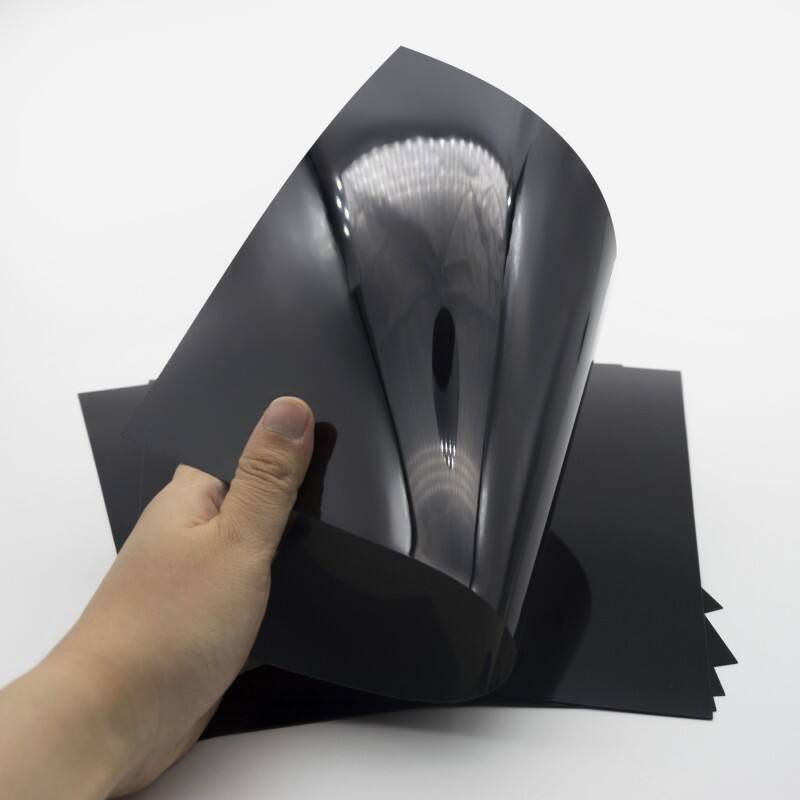
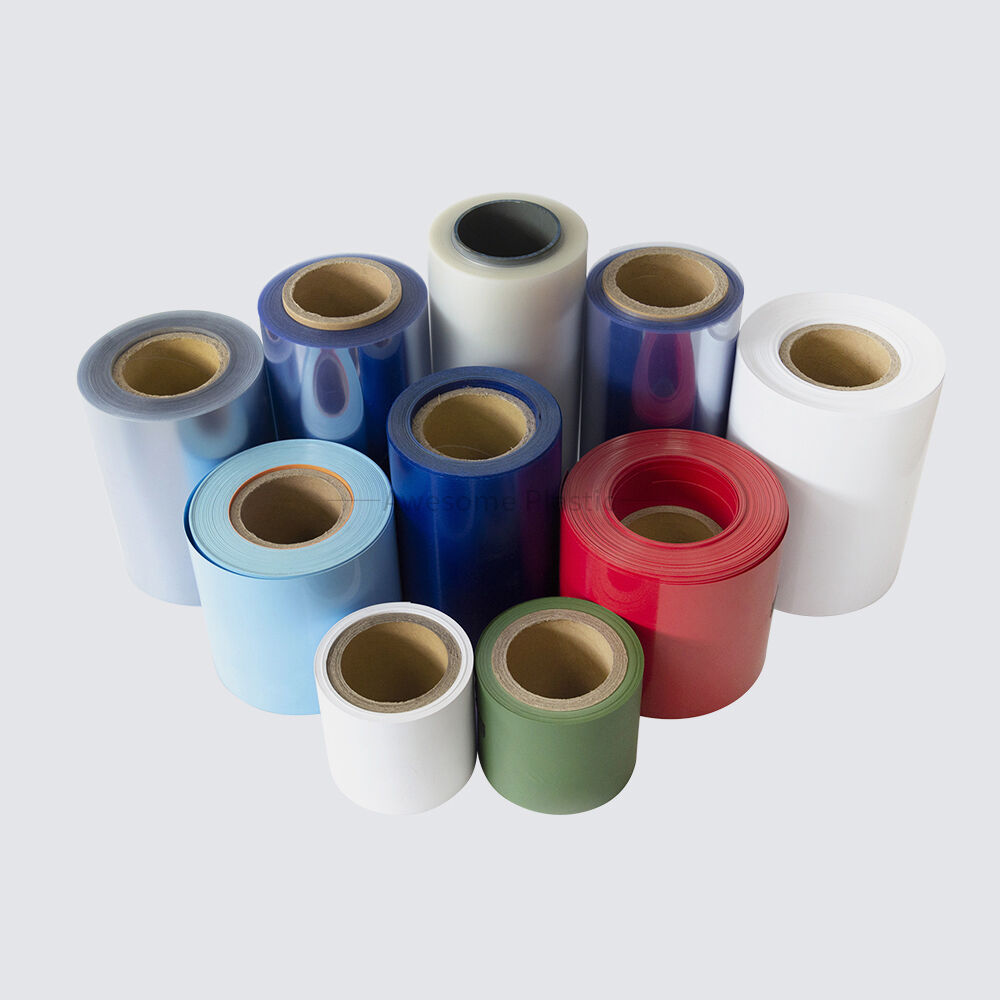
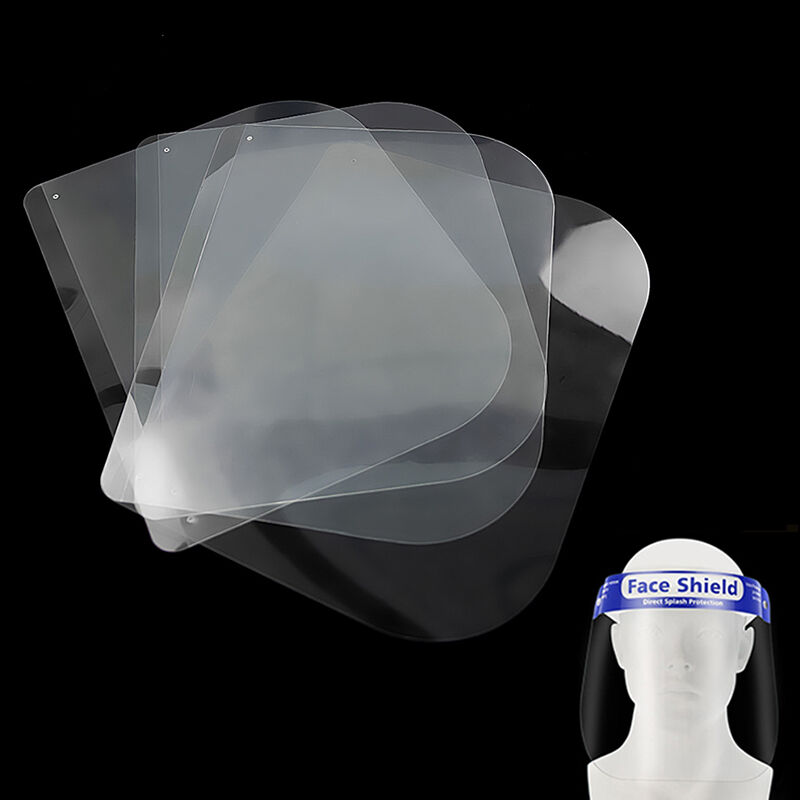
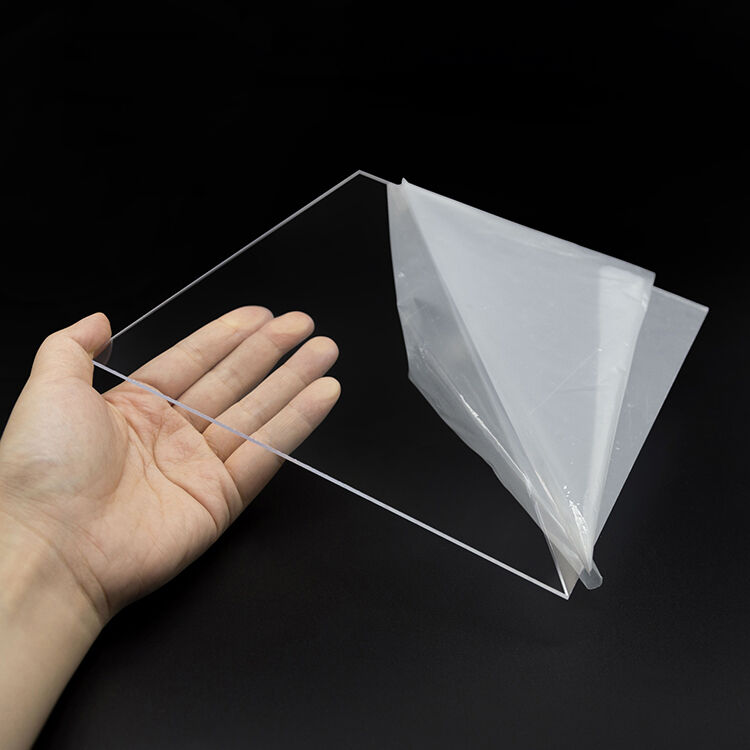
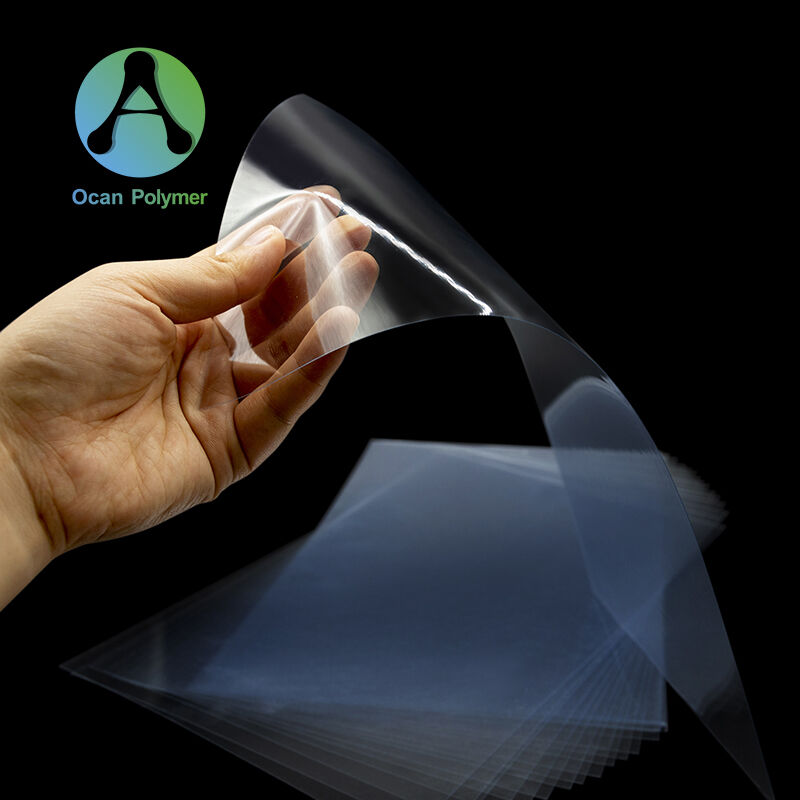
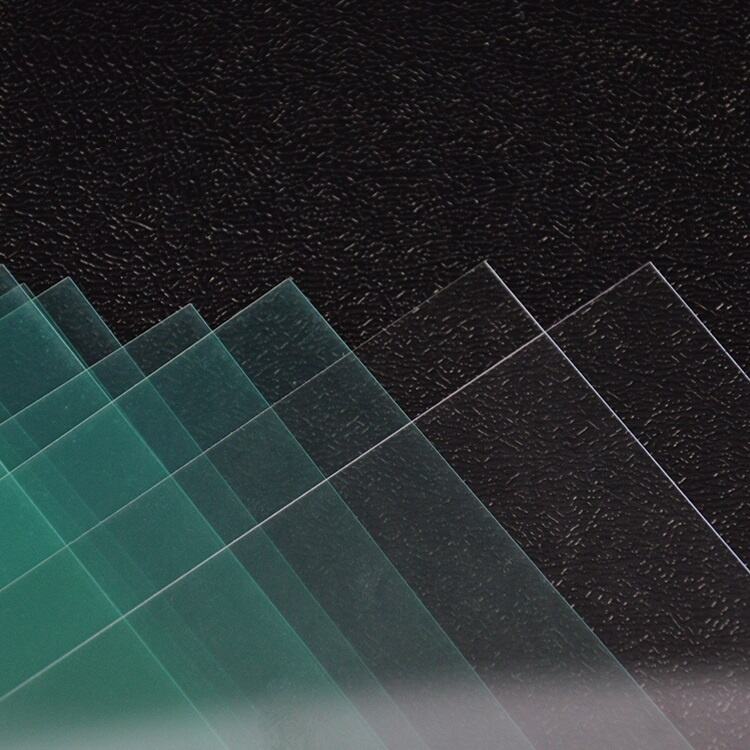
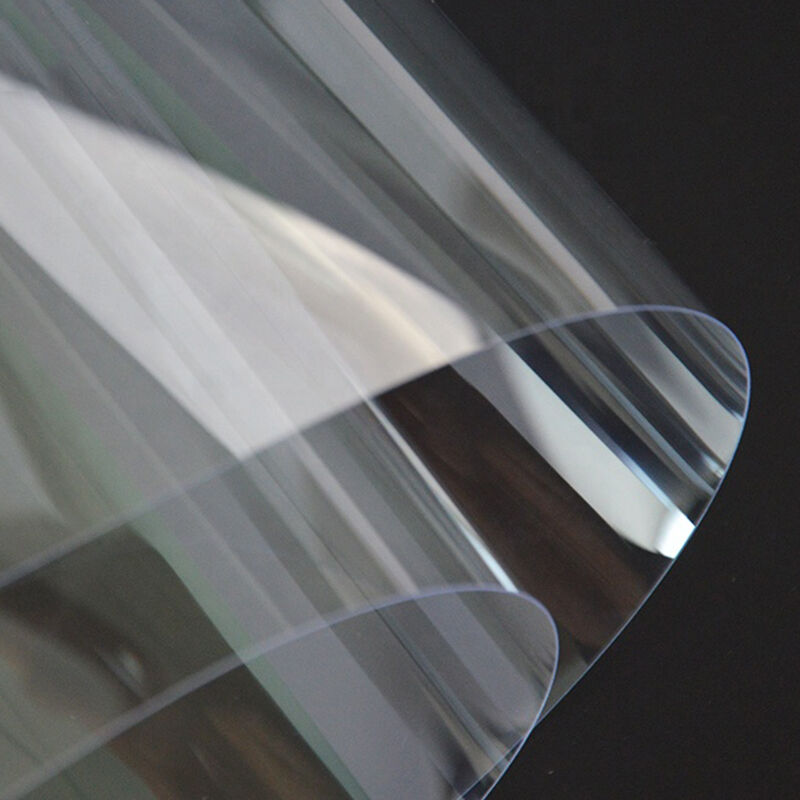
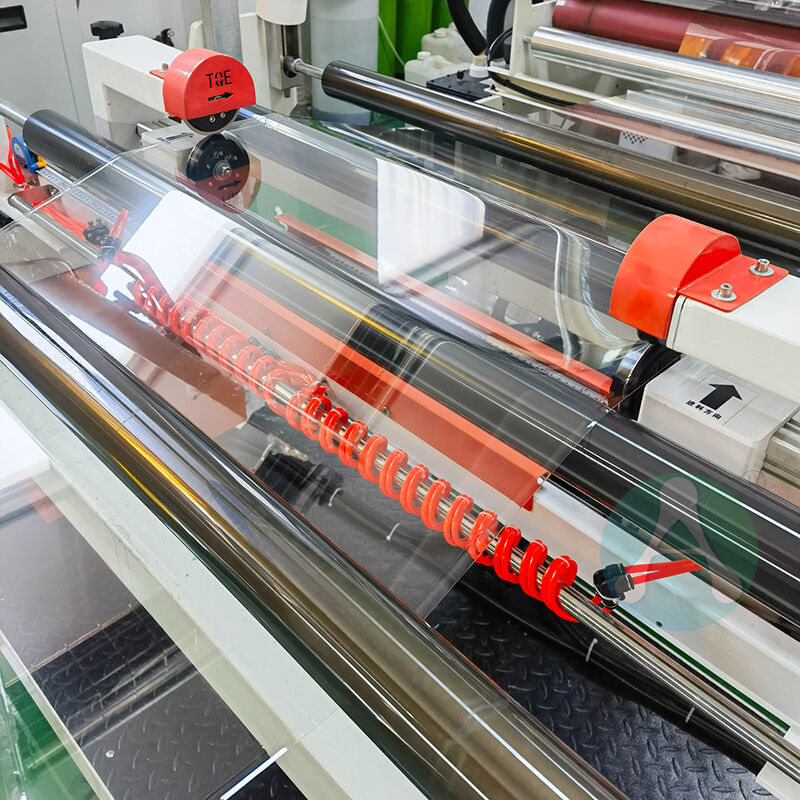
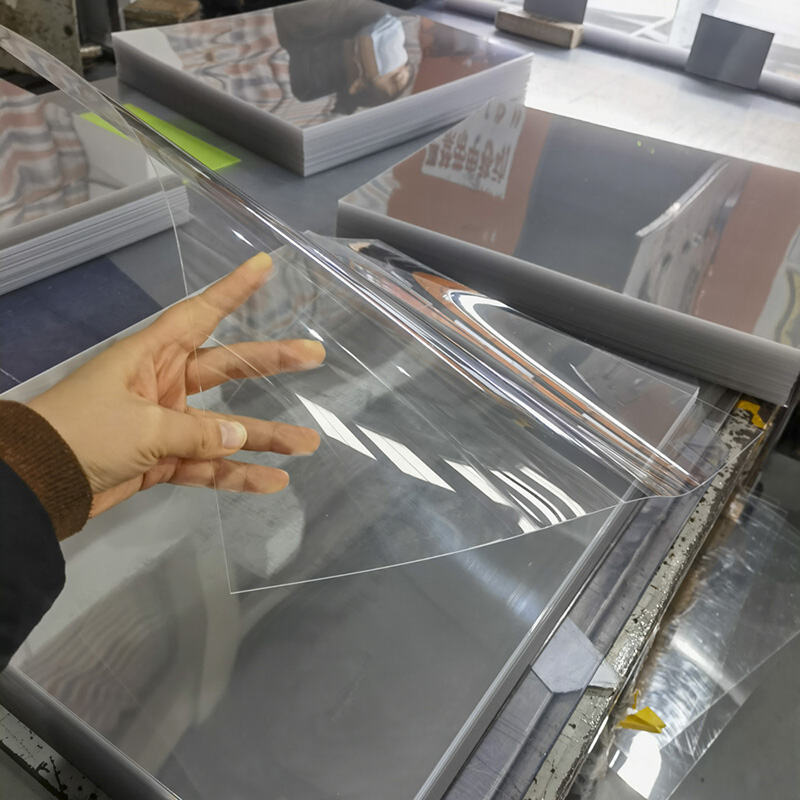
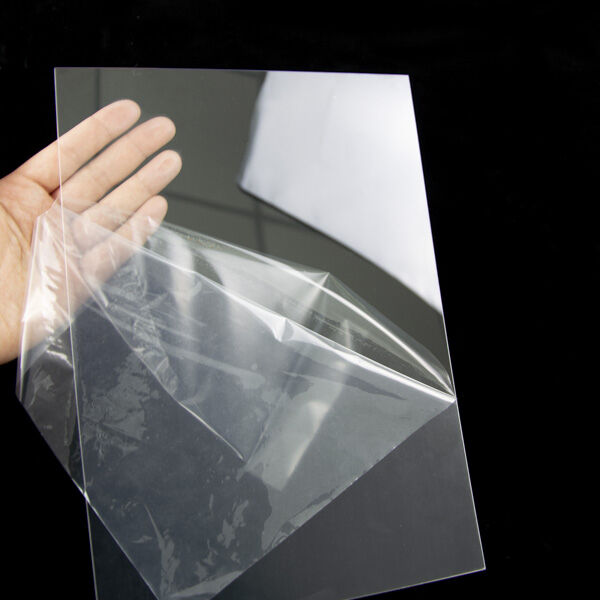
Understanding pet sheet price involves examining multiple factors that influence the cost of these versatile thermoplastic materials widely used across manufacturing industries. PET sheets, or polyethylene terephthalate sheets, represent a crucial material choice for businesses seeking durable, transparent, and environmentally responsible solutions. The pet sheet price typically ranges based on thickness specifications, manufacturing quality, order volume, and specific performance characteristics required for different applications. These sheets serve as essential components in packaging, printing, thermoforming, and various industrial applications where clarity, strength, and recyclability are paramount. The technological features embedded in modern PET sheets include excellent dimensional stability, superior chemical resistance, and outstanding barrier properties that protect contents from moisture and oxygen. When evaluating pet sheet price, customers must consider the material's inherent advantages such as high tensile strength, exceptional impact resistance, and the ability to withstand temperatures ranging from minus forty to sixty degrees Celsius. The manufacturing process involves sophisticated extrusion technology that ensures consistent thickness, uniform surface quality, and optimal mechanical properties throughout the sheet. Applications span from food packaging trays and blister packs to electronic component carriers and medical device packaging, demonstrating the material's versatility. The pet sheet price reflects not just raw material costs but also encompasses advanced production techniques, quality control measures, and compliance with international safety standards. Businesses benefit from understanding that competitive pet sheet price points often correlate with manufacturer capabilities, production scale, and technological investments that enhance product performance. The recyclability factor adds significant value, as PET sheets can be reprocessed multiple times without substantial property degradation, making them economically and environmentally sustainable. Market dynamics affecting pet sheet price include crude oil fluctuations, supply chain logistics, regional manufacturing capabilities, and evolving customer specifications that demand enhanced performance characteristics for specialized applications.

New Products

Choosing the right supplier for your PET sheet needs brings substantial practical benefits that directly impact your bottom line and operational efficiency. The pet sheet price advantage becomes evident when you consider the material's exceptional durability that reduces replacement frequency and minimizes downtime in production environments. Businesses save money over time because PET sheets resist cracking, maintain structural integrity under stress, and perform reliably across diverse temperature conditions without warping or degrading. The transparency of PET sheets eliminates the need for additional protective layers in many applications, streamlining production processes and reducing overall material costs beyond the initial pet sheet price investment. Companies appreciate how easy these sheets are to fabricate using standard equipment, which means no expensive specialized machinery purchases or extensive worker retraining programs. The lightweight nature of PET sheets compared to glass or other rigid materials translates to reduced shipping costs, easier handling on production floors, and lower storage space requirements that free up valuable warehouse capacity. Environmental responsibility has become a business imperative, and the recyclable nature of PET sheets helps companies meet sustainability goals while potentially accessing green business incentives and appealing to environmentally conscious consumers. The pet sheet price becomes more attractive when factoring in the material's chemical resistance that protects products from contamination and extends shelf life, reducing waste and improving customer satisfaction. Businesses benefit from faster production cycles because PET sheets thermoform quickly and consistently, enabling higher output rates without compromising quality standards. The material's FDA approval for food contact applications opens opportunities in the lucrative food packaging sector without requiring costly certification processes for alternative materials. The pet sheet price competitiveness improves procurement flexibility, allowing businesses to maintain optimal inventory levels without tying up excessive capital in raw materials. Maintenance costs drop significantly because PET sheets do not require special cleaning agents or handling procedures, and their resistance to moisture prevents mold growth and degradation in storage. The consistent quality of professionally manufactured PET sheets reduces rejection rates during production, improving yield percentages and maximizing the value extracted from every purchase. Companies gain competitive advantages through faster time-to-market capabilities since PET sheets integrate seamlessly into existing production workflows without requiring extensive process modifications. The thermal stability of PET sheets ensures predictable performance during manufacturing operations, reducing troubleshooting time and enhancing overall operational efficiency that contributes to profitability beyond the straightforward pet sheet price consideration.

Tips And Tricks

Why Do Factories Use PVC Sheet for Electronic Component Packaging?

24

Apr

Why Do Factories Use PVC Sheet for Electronic Component Packaging?

Electronic component packaging demands materials that combine protective performance with economic viability, and PVC sheet for electronic component packaging has become an industry standard for good reason. Factories worldwide rely on this versatile...
View More
How Does PC Sheet Perform in ID Card Base Material Applications?

10

Apr

How Does PC Sheet Perform in ID Card Base Material Applications?

The identity card manufacturing industry demands base materials that deliver exceptional durability, optical clarity, and printability while maintaining consistent performance across millions of production cycles. PC sheet has emerged as a preferred ...
View More
How Is PC Sheet Used for Light Diffuser Panels in LED Lampshades?

03

Apr

How Is PC Sheet Used for Light Diffuser Panels in LED Lampshades?

Polycarbonate sheet technology has revolutionized the lighting industry by providing an optimal solution for light diffusion in LED lampshade applications. When manufacturers design LED lighting products, they face a critical challenge: converting po...
View More
How Is PVC Foam Board Used for Advertising Sign Boards in Indoor Displays?

05

May

How Is PVC Foam Board Used for Advertising Sign Boards in Indoor Displays?

Indoor advertising sign boards require materials that combine lightweight construction, visual clarity, and long-term durability without compromising design flexibility. PVC foam board has emerged as a preferred substrate for businesses seeking cost-...
View More

Get a Free Quote

Our representative will contact you soon.
Email
Name
Company Name
Mobile/WhatsApp
Message
0/1000

pet sheet price

Exceptional Cost-Effectiveness Through Superior Material Performance

Exceptional Cost-Effectiveness Through Superior Material Performance

The pet sheet price represents an intelligent investment when businesses analyze the comprehensive cost-effectiveness delivered through superior material performance across the product lifecycle. Unlike cheaper alternatives that may seem attractive initially, PET sheets provide remarkable longevity that substantially reduces replacement frequency and associated labor costs for changeovers in manufacturing environments. The material's inherent strength properties mean that thinner gauges can often accomplish what thicker, heavier materials achieve, directly reducing the pet sheet price impact on per-unit production costs while maintaining structural integrity and protective qualities. Businesses discover that the excellent forming characteristics of PET sheets minimize material waste during fabrication processes, as the sheets stretch uniformly without tearing or creating weak points that lead to rejected parts. This high yield rate maximizes the usable output from each sheet purchase, effectively lowering the actual cost per finished product below what the nominal pet sheet price might suggest. The chemical stability of PET sheets eliminates concerns about degradation during storage, meaning businesses can purchase in economically advantageous volumes without risking material deterioration that would necessitate disposal and replacement. The clarity and gloss retention of quality PET sheets maintain product presentation appeal throughout distribution channels, reducing the need for secondary packaging or protective measures that add costs and complexity to logistics operations. Energy efficiency during processing represents another dimension of cost-effectiveness, as PET sheets require lower forming temperatures compared to some alternative thermoplastics, translating to reduced utility expenses that accumulate into significant savings across high-volume production runs. The pet sheet price becomes increasingly favorable when considering the material's compatibility with automated manufacturing systems that reduce labor requirements and human error rates that cause costly production defects. Businesses operating in regulated industries appreciate how PET sheets consistently meet compliance standards without requiring batch-specific testing or certification processes that add administrative burdens and delay time-to-market timelines. The recyclability factor creates additional economic value by enabling companies to recapture value from production scrap and post-consumer materials, establishing circular economy practices that generate revenue streams while demonstrating environmental stewardship. The pet sheet price competitiveness strengthens further when businesses factor in the reduced insurance and liability costs associated with using a proven, safe material with extensive regulatory approvals and decades of successful application history across critical industries including food packaging and medical devices.
Advanced Technical Specifications Meeting Diverse Application Requirements

Advanced Technical Specifications Meeting Diverse Application Requirements

Understanding the technical sophistication behind pet sheet price valuations reveals how advanced manufacturing processes create materials with precisely engineered characteristics that solve specific challenges across diverse industries. Modern PET sheet production employs multi-layer coextrusion technology that can incorporate specialized additives and surface treatments without compromising the material's fundamental clarity and strength properties that make it invaluable for demanding applications. The crystallinity control achieved during manufacturing directly influences mechanical properties, with producers adjusting processing parameters to optimize the balance between rigidity and impact resistance based on intended applications. The pet sheet price reflects investments in quality control systems that monitor thickness uniformity within micrometers, ensuring consistent thermoforming performance that eliminates costly production interruptions from material inconsistencies. Surface energy characteristics can be modified through corona treatment or chemical primers to enhance printability and adhesion properties, expanding application possibilities without requiring customers to invest in specialized bonding technologies or surface preparation equipment. The barrier properties of PET sheets against oxygen, moisture, and aromatic compounds make them ideal for protecting sensitive contents, with multilayer constructions available that incorporate EVOH or other high-barrier materials for applications demanding extended shelf life. The pet sheet price for these advanced configurations remains competitive compared to alternative packaging solutions while delivering superior protection that reduces product loss and maintains quality throughout distribution networks. Thermal properties including glass transition temperature and melting point are carefully controlled during polymerization, creating sheets that perform predictably during forming operations and maintain dimensional stability in end-use environments. The pet sheet price encompasses rigorous testing protocols that verify mechanical properties including tensile strength, elongation at break, and impact resistance, providing customers with reliable performance data for engineering calculations and application development. Optical properties such as haze and gloss are precisely specified and consistently maintained, ensuring that display packaging maintains visual appeal and product visibility that drives consumer purchasing decisions at retail locations. The molecular weight distribution achieved during polymer production influences processing characteristics and final material properties, with premium pet sheet price points reflecting optimized polymer architectures that deliver enhanced performance in specialized applications. Businesses benefit from technical support services often included with quality suppliers, providing application engineering assistance that helps optimize part designs and processing parameters to maximize the value extracted from material investments beyond the baseline pet sheet price.
Sustainable Material Choice Supporting Environmental Responsibility Goals

Sustainable Material Choice Supporting Environmental Responsibility Goals

The relationship between pet sheet price and environmental sustainability creates compelling value propositions for businesses facing increasing pressure to demonstrate ecological responsibility throughout their supply chains. PET sheets manufactured from recycled content deliver comparable performance to virgin materials while reducing environmental impact and often providing cost advantages that improve the overall pet sheet price competitiveness for environmentally conscious businesses. The closed-loop recycling capability of PET materials means that production scrap and post-consumer waste can be reprocessed into new sheets without infinite downcycling, maintaining material quality through multiple lifecycle iterations and creating genuine circular economy opportunities. Businesses adopting recycled PET sheets often qualify for green procurement preferences, sustainability certifications, and positive brand recognition that translates into competitive advantages in markets where consumers prioritize environmental considerations in purchasing decisions. The energy efficiency of PET sheet production compared to alternative materials like glass or metals results in lower carbon footprints across the supply chain, helping companies meet greenhouse gas reduction targets without sacrificing product performance or functionality. The pet sheet price remains accessible while delivering these environmental benefits, unlike some emerging sustainable materials that carry premium costs prohibitive for price-sensitive applications. Lightweight characteristics reduce transportation emissions throughout distribution networks, with the cumulative environmental benefits multiplying across large-volume applications where even small weight reductions per unit generate substantial aggregate impacts. The inert nature of PET materials means they do not leach harmful substances into contents or surrounding environments, supporting both human health and ecological safety objectives that align with corporate social responsibility commitments. The pet sheet price includes materials meeting stringent regulatory requirements including FDA food contact standards and EU REACH compliance, eliminating concerns about restricted substances that could create liability issues or market access barriers in regulated jurisdictions. Biodegradation concerns that affect some alternative materials are addressed through established recycling infrastructure specifically designed for PET materials, providing practical end-of-life management solutions that divert waste from landfills and ocean environments. Businesses communicate sustainability achievements more effectively when using widely recognized recyclable materials like PET sheets, as consumers readily understand recycling symbols and participate in collection programs that close the loop on material flows. The pet sheet price stability benefits from mature recycling markets that provide consistent feedstock availability, reducing exposure to virgin resin price volatility linked to petroleum markets and geopolitical factors affecting raw material supplies. Companies investing in PET sheet applications position themselves advantageously for evolving extended producer responsibility regulations that increasingly require manufacturers to fund collection and recycling systems, as PET infrastructure already exists in many markets rather than requiring costly new system development.

Get a Free Quote

Our representative will contact you soon.
Email
Name
Company Name
Mobile/WhatsApp
Message
0/1000