Professional BOPET Film Manufacturer - High-Quality Polyester Films for Industrial Applications

Get a Free Quote

Our representative will contact you soon.
Email
Name
Company Name
Mobile/WhatsApp
Message
0/1000

bopet film manufacturer

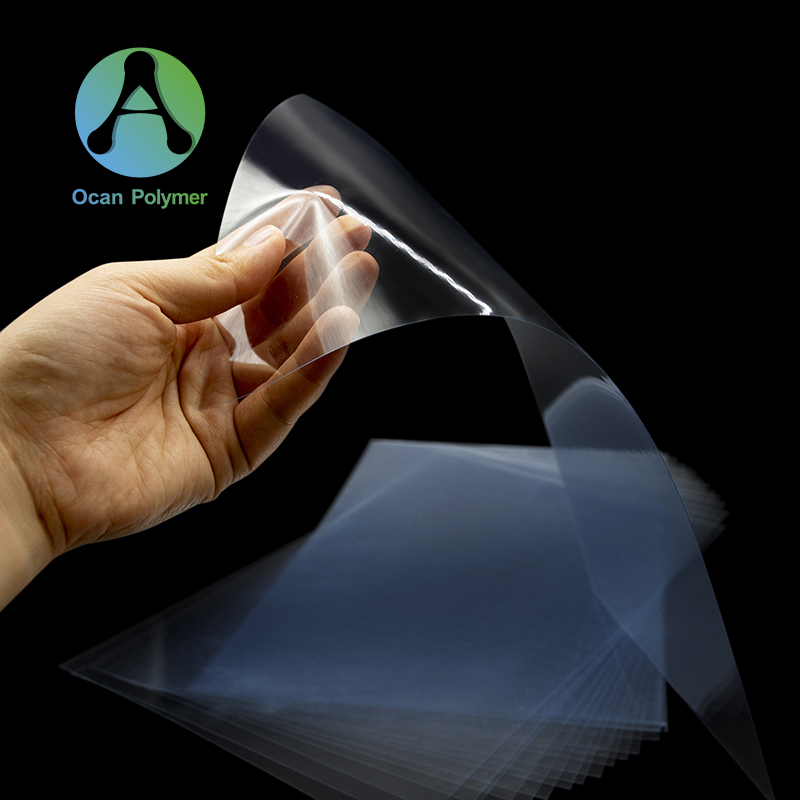
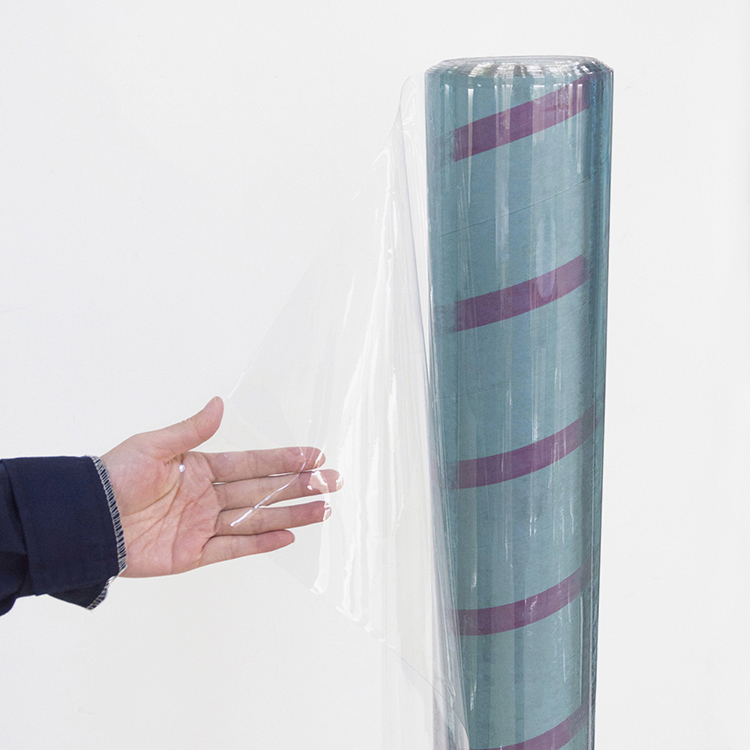
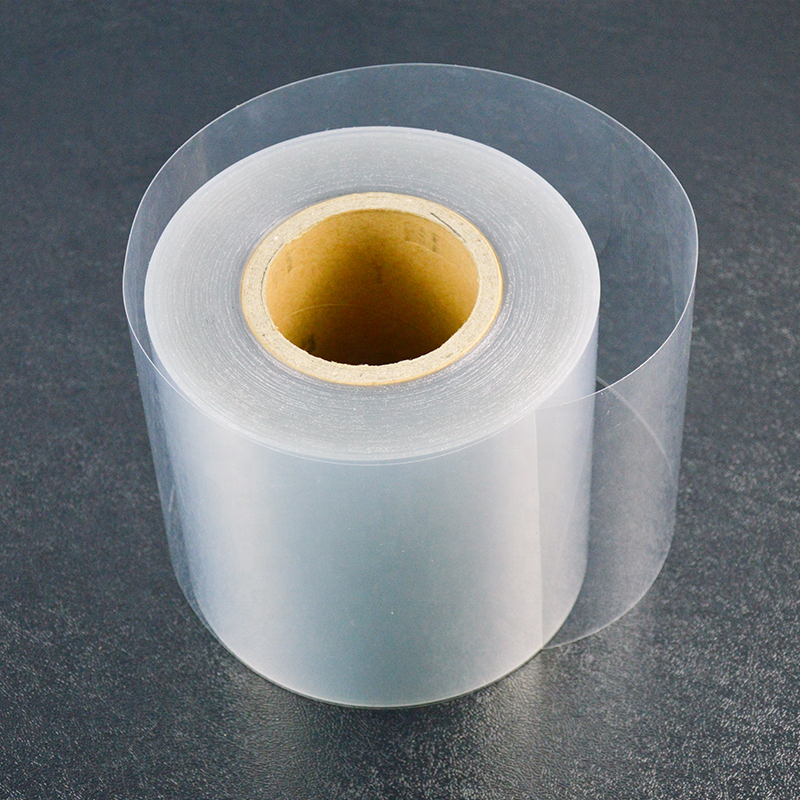
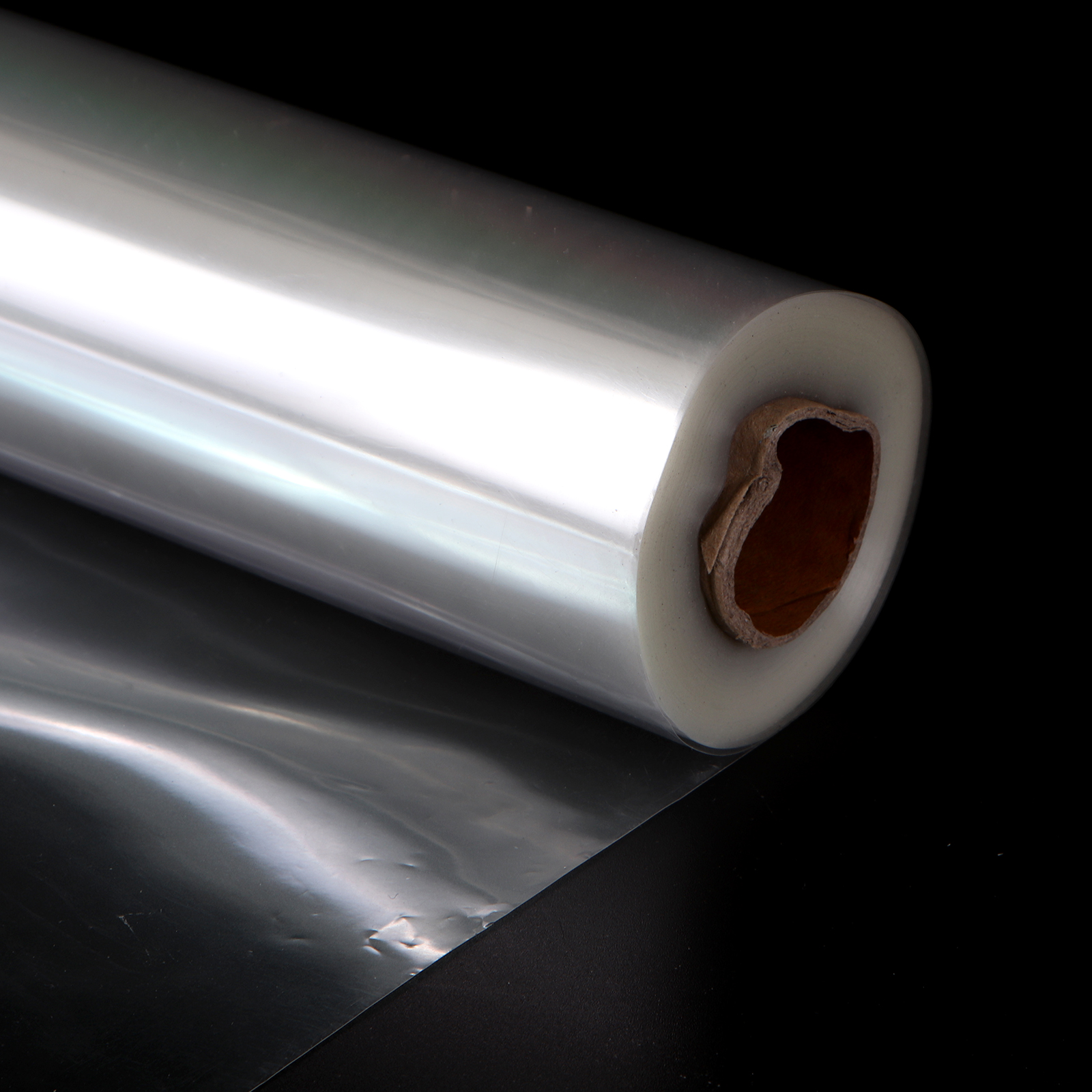
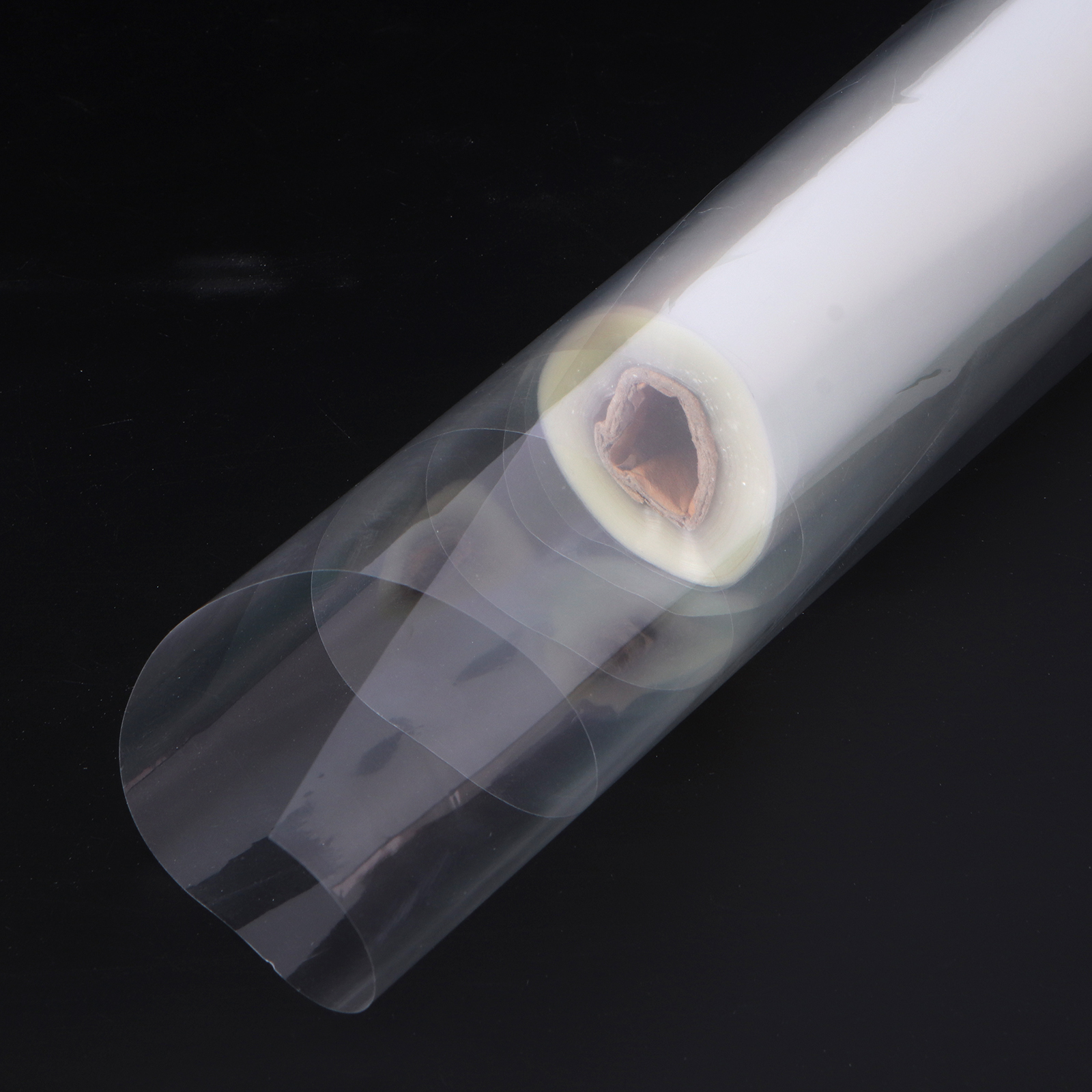
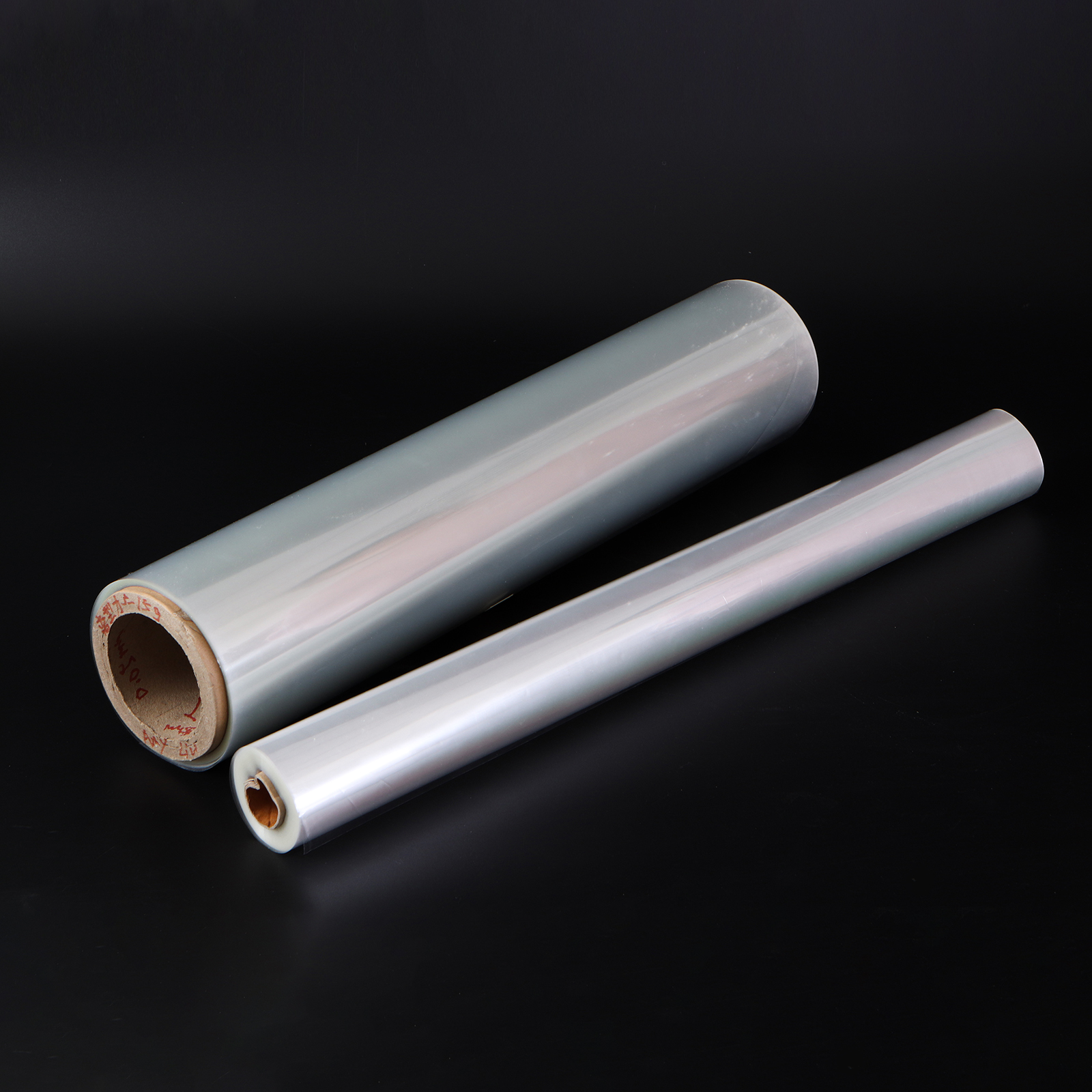
A bopet film manufacturer specializes in producing biaxially oriented polyethylene terephthalate films through advanced production processes that deliver superior quality materials for diverse industrial applications. These manufacturers operate sophisticated production lines equipped with cutting-edge extrusion technology, stretching equipment, and quality control systems that ensure consistent film properties throughout the manufacturing process. The main functions of a bopet film manufacturer include polymer preparation, film extrusion, biaxial orientation, surface treatment, slitting, and quality inspection. The technological features that distinguish professional bopet film manufacturer operations include precise temperature control systems, multi-layer co-extrusion capabilities, corona treatment stations, and automated thickness monitoring equipment. These manufacturers produce films with exceptional dimensional stability, optical clarity, mechanical strength, and barrier properties that meet stringent international standards. The applications of products from a bopet film manufacturer span numerous industries including flexible packaging, electrical insulation, graphic arts, industrial tapes, solar panel backsheets, and specialty laminations. In the packaging sector, films serve as the foundation for food wrappers, snack bags, and pharmaceutical blister packs. The electrical industry relies on these films for capacitor dielectrics, motor insulation, and cable wrapping. A professional bopet film manufacturer maintains rigorous quality assurance protocols, implementing inline testing systems that monitor thickness uniformity, tensile properties, surface tension, and optical characteristics. These manufacturers invest continuously in research and development to create innovative film grades with enhanced functionality such as improved heat resistance, better adhesion properties, or specialized coatings. The production capacity of a bopet film manufacturer can range from small-scale operations producing several thousand tons annually to large integrated facilities manufacturing over fifty thousand tons per year, serving both regional markets and global customers with customized film solutions that address specific performance requirements.

Popular Products

Working with an established bopet film manufacturer provides customers with numerous practical benefits that directly impact their product quality and business operations. First, these manufacturers offer consistent product quality through controlled production environments and standardized processes, which means your finished products maintain uniform appearance and performance characteristics batch after batch. This reliability eliminates costly production interruptions and reduces waste from defective materials. Second, a dedicated bopet film manufacturer brings extensive technical expertise to help you select the optimal film specifications for your specific application, saving you time and money that might otherwise be spent on trial and error. Their experienced teams understand how different film properties interact with various printing inks, adhesives, and processing equipment, allowing them to recommend solutions that work correctly the first time. Third, established manufacturers maintain substantial inventory levels and flexible production scheduling, ensuring you receive materials when needed without lengthy delays that could halt your operations. Fourth, these manufacturers invest in the latest production technology, which translates to films with superior optical clarity, better surface properties, and more consistent thickness profiles compared to products from less advanced facilities. Fifth, working directly with a bopet film manufacturer often provides better pricing than purchasing through multiple intermediaries, improving your profit margins while maintaining access to technical support. Sixth, reputable manufacturers comply with international safety and environmental standards, giving you confidence that materials meet regulatory requirements for food contact, electrical safety, or other critical applications. Seventh, many manufacturers offer customization services including special width slitting, custom thickness ranges, proprietary surface treatments, or specific winding configurations that match your equipment requirements perfectly. Eighth, established manufacturers provide comprehensive technical documentation including material safety data sheets, compliance certificates, and performance test reports that streamline your quality assurance processes and satisfy customer audits. Ninth, long-term relationships with a reliable bopet film manufacturer create supply chain stability, protecting your business from market disruptions and material shortages that affect opportunistic buyers. Finally, these manufacturers often collaborate with customers on new product development, sharing insights about emerging technologies and market trends that help you stay competitive and identify new business opportunities before competitors discover them.

Tips And Tricks

Why Do Factories Use PVC Sheet for Electronic Component Packaging?

24

Apr

Why Do Factories Use PVC Sheet for Electronic Component Packaging?

Electronic component packaging demands materials that combine protective performance with economic viability, and PVC sheet for electronic component packaging has become an industry standard for good reason. Factories worldwide rely on this versatile...
View More
How Does PVC Sheet Perform in Thermoforming for Custom Packaging Trays?

28

Apr

How Does PVC Sheet Perform in Thermoforming for Custom Packaging Trays?

Thermoforming custom packaging trays from PVC sheet has become a cornerstone process in modern packaging manufacturing, particularly for industries requiring protective, precision-fit containments for delicate products. Understanding how PVC sheet pe...
View More
How Does PET Roll Improve Efficiency in Thermoforming Production?

06

Apr

How Does PET Roll Improve Efficiency in Thermoforming Production?

Thermoforming production demands precision, speed, and material consistency to meet the high-volume requirements of packaging, automotive, medical, and consumer goods industries. Among the critical factors influencing production efficiency, the choic...
View More
How Is PC Sheet Used for Light Diffuser Panels in LED Lampshades?

03

Apr

How Is PC Sheet Used for Light Diffuser Panels in LED Lampshades?

Polycarbonate sheet technology has revolutionized the lighting industry by providing an optimal solution for light diffusion in LED lampshade applications. When manufacturers design LED lighting products, they face a critical challenge: converting po...
View More

Get a Free Quote

Our representative will contact you soon.
Email
Name
Company Name
Mobile/WhatsApp
Message
0/1000

bopet film manufacturer

Advanced Multi-Layer Co-Extrusion Technology

Advanced Multi-Layer Co-Extrusion Technology

A leading bopet film manufacturer distinguishes itself through investment in advanced multi-layer co-extrusion technology that enables production of sophisticated film structures with precisely engineered properties throughout each layer. This technology allows manufacturers to combine different polymer formulations within a single film structure, creating products that deliver multiple functional benefits simultaneously. The core advantage of multi-layer capability lies in the ability to optimize each layer for specific performance characteristics rather than compromising with a single-layer approach. For example, the surface layers can be formulated to provide excellent printability and heat sealability while the core layers contribute mechanical strength and dimensional stability. This technological sophistication from a professional bopet film manufacturer results in films that outperform conventional single-layer alternatives across multiple performance metrics. The co-extrusion process involves separate extruders feeding different polymer melts into a combining block where layers merge before entering the casting stage, followed by sequential biaxial orientation that aligns polymer chains in both machine and transverse directions. This orientation process, controlled with extreme precision by experienced manufacturers, creates the characteristic strength and clarity that make these films indispensable for demanding applications. The technological infrastructure required for multi-layer production represents a significant capital investment that only committed manufacturers undertake, including multiple extruder systems, sophisticated die designs, advanced temperature control networks, and specialized stretching equipment. Customers benefit from this technology through access to film products that solve complex application challenges such as requiring excellent oxygen barrier properties combined with moisture resistance and optical clarity. The flexibility of multi-layer design also enables a bopet film manufacturer to create cost-optimized structures that place expensive specialty polymers only where needed rather than throughout the entire film thickness. This approach delivers required performance at lower overall material costs compared to single-layer films using premium polymers throughout. Furthermore, the multi-layer capability supports rapid product development, allowing manufacturers to respond quickly to customer requests for films with unique property combinations by adjusting layer ratios and formulations without completely redesigning production processes.
Comprehensive Quality Control and Testing Systems

Comprehensive Quality Control and Testing Systems

The implementation of comprehensive quality control and testing systems represents a critical differentiator among bopet film manufacturer operations, ensuring that every meter of film leaving the facility meets specified performance standards. Professional manufacturers integrate quality monitoring throughout the entire production process rather than relying solely on finished product inspection, catching potential issues early when corrections can be made efficiently. This systematic approach begins with incoming raw material testing, where the bopet film manufacturer verifies that polyester resins meet purity standards, molecular weight specifications, and additive content requirements before materials enter production. During the manufacturing process, inline sensors continuously monitor critical parameters including melt temperature, film thickness across the entire web width, stretching ratios in both directions, and winding tension. Modern manufacturers employ sophisticated optical systems that detect surface defects such as gels, scratches, or contamination in real-time, automatically marking defect locations for subsequent removal during slitting operations. Thickness uniformity receives particular attention because variations directly affect customer processing efficiency and finished product quality; advanced manufacturers maintain thickness tolerance within plus or minus three percent across the film width through precise die gap control and stretching adjustments. Laboratory testing at regular intervals throughout production runs verifies mechanical properties including tensile strength, elongation at break, and modulus in both machine and transverse directions. Surface treatment effectiveness is measured through dyne level testing to ensure adequate ink adhesion and lamination bonding for subsequent converting operations. Optical properties including haze, gloss, and transparency receive quantitative measurement using calibrated instruments that provide objective data rather than subjective visual assessment. A committed bopet film manufacturer maintains detailed production records linking every roll to specific test results, raw material lots, and process parameters, enabling complete traceability if questions arise about material performance. This documentation proves invaluable during customer audits or when troubleshooting application issues, as manufacturers can quickly review exact production conditions and verify that materials met specifications. The investment in comprehensive testing equipment and trained quality personnel reflects a manufacturer's commitment to consistency and customer satisfaction, providing buyers with confidence that materials will perform reliably in their specific applications without costly surprises.
Customization Capabilities and Technical Support Services

Customization Capabilities and Technical Support Services

The customization capabilities and technical support services offered by an experienced bopet film manufacturer provide tremendous value that extends far beyond simply supplying commodity materials. Professional manufacturers recognize that different applications demand specific film characteristics, and they maintain the flexibility to adjust production parameters, surface treatments, and finishing operations to meet unique customer requirements. This customization begins with film thickness, where manufacturers can produce materials ranging from ultra-thin six-micron films for specialized laminations to heavy seventy-five-micron films for industrial applications, with precise control at any thickness within this range. Width customization allows a bopet film manufacturer to slit master rolls to exact dimensions that match customer equipment capabilities, eliminating waste from oversized materials and reducing handling difficulties. Surface treatment customization enables manufacturers to apply corona discharge or chemical coatings that optimize adhesion for specific ink systems, adhesives, or metallization processes that customers employ in their converting operations. Some manufacturers offer proprietary surface treatments developed through extensive research that provide superior performance compared to standard industry treatments. Additive packages can be customized to incorporate slip agents, antiblock particles, or stabilizers in concentrations optimized for particular processing conditions or end-use environments. The technical support dimension of manufacturer services proves equally valuable, as experienced application engineers work directly with customers to understand their processing challenges and recommend optimal film specifications. These engineers draw upon extensive databases of successful applications and problem resolutions, helping customers avoid common pitfalls and accelerate their product development timelines. When issues arise during customer processing operations, responsive manufacturers provide rapid troubleshooting assistance, sometimes visiting customer facilities to observe actual processing conditions and identify root causes. A quality-focused bopet film manufacturer views technical support as a partnership rather than a transactional relationship, investing time to understand customer businesses and proactively suggesting improvements or alternatives that enhance efficiency. This might include recommending different film grades that process more efficiently on customer equipment, suggesting modified processing parameters that improve yields, or identifying emerging film technologies that could provide competitive advantages. Training services represent another dimension of support, where manufacturers educate customer personnel about film properties, proper handling procedures, and optimization techniques that maximize material performance.

Get a Free Quote

Our representative will contact you soon.
Email
Name
Company Name
Mobile/WhatsApp
Message
0/1000