 EN
EN

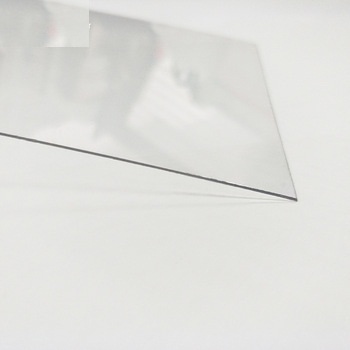
Choosing the right material for printing cards and packaging inserts directly impacts product quality, customer perception, and production costs. The pet sheet has emerged as an industry standard for these applications due to its exceptional balance of performance, aesthetics, and value. Whether you're designing loyalty cards, product inserts, or branded packaging components, understanding why pet sheet outperforms alternative materials is essential to making informed purchasing decisions that support both your brand vision and operational efficiency.
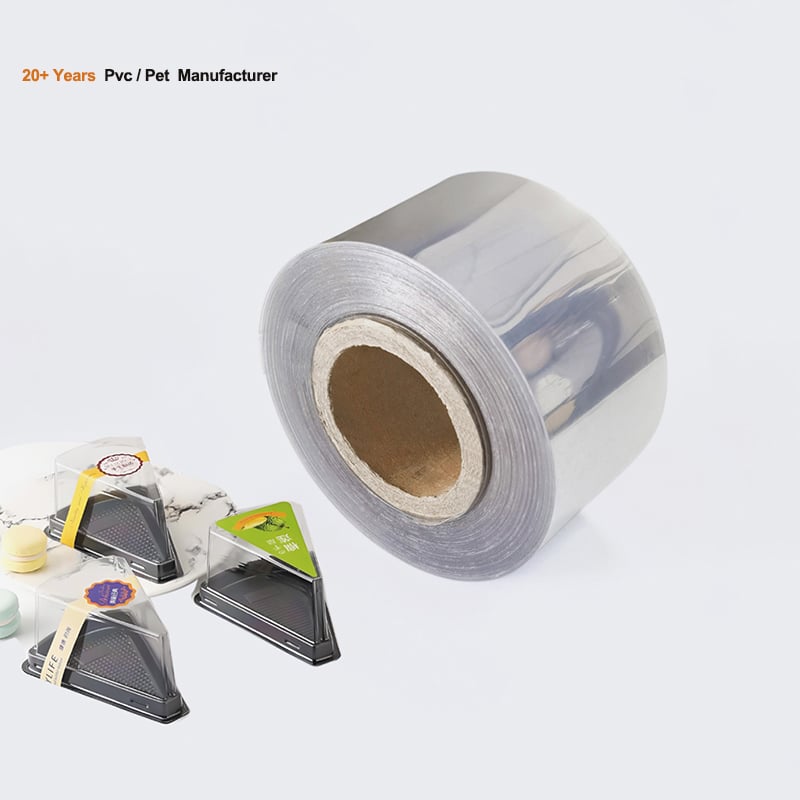
A pet sheet is a rigid, thin plastic material made from polyethylene terephthalate polymer, engineered specifically for applications requiring transparency, durability, and printability. The material's molecular structure allows it to achieve superior clarity while maintaining mechanical strength even at minimal thicknesses. When manufacturers select a pet sheet for card production and packaging inserts, they gain access to a material that combines optical clarity with practical durability, making it the preferred choice across retail, food packaging, electronics, and promotional industries.
Superior Clarity and Visual Appeal
Crystal-Clear Transparency Enhances Brand Presentation
One of the most compelling reasons why pet sheet dominates card printing and packaging insert applications is its exceptional optical clarity. The material transmits light with minimal distortion, allowing printed designs, product visibility, and graphic elements to appear vibrant and true-to-color. When brands use a pet sheet for window inserts or transparent packaging components, the clarity creates an immediate visual connection between the customer and the enclosed product. This transparency quality means that printed text, photography, and branding elements render with crisp detail and vivid color accuracy that standard paper alternatives simply cannot match.
Glossy Finishes Amplify Print Quality
Many manufacturers choose glossy-finish pet sheet specifically because the smooth surface reflects light uniformly, amplifying the visual impact of printed graphics. The high-gloss surface of a pet sheet enhances color saturation, creates a premium feel, and makes printed cards stand out on retail shelves or in packaging presentations. When ink is applied to a glossy pet sheet, the pigments sit uniformly on the surface without absorption, resulting in vivid, long-lasting color reproduction. This visual superiority directly influences consumer buying decisions and reinforces brand positioning, making pet sheet printing a strategic investment in product presentation.
Exceptional Durability and Tear Resistance
Withstands Handling, Storage, and Shipping Stress
Unlike paper-based inserts that crease, tear, or degrade under mechanical stress, a pet sheet maintains its structural integrity throughout the entire product lifecycle. Card and insert applications experience repeated handling, thermal fluctuations, and friction during packaging, storage, and retail display. The pet sheet resists tearing and creasing far more effectively than paper alternatives, ensuring that printed graphics remain pristine even after months in inventory or multiple customer touches. This durability extends the lifespan of cards and inserts, reducing waste and the need for replacement stock.
Chemical and Moisture Resistance
A pet sheet exhibits strong resistance to moisture, oils, and common chemical exposure, making it ideal for packaging inserts in food, beverage, cosmetic, and pharmaceutical applications. Where paper inserts would absorb moisture, warp, or deteriorate, a pet sheet remains dimensionally stable and structurally sound. This chemical resistance also simplifies storage and transportation requirements, as pet sheet cards and inserts need minimal environmental controls. For manufacturers operating in humid climates or shipping products internationally, this resistance significantly reduces the risk of product damage and quality degradation.
Cost-Effectiveness and Production Efficiency
Lower Material Waste and Extended Shelf Life
From a financial perspective, pet sheet offers compelling advantages that justify its selection over traditional materials. The material's durability means fewer damaged cards during production, packing, and distribution, directly reducing waste rates and material costs. Because a pet sheet resists degradation over time, inventory can be stored longer without quality loss, allowing manufacturers to optimize production runs and reduce frequency of reorders. Additionally, the pet sheet printing process achieves excellent first-pass quality rates, minimizing scrap and rework expenses that accumulate with less reliable materials.
High-Speed Printing and Customization
The pet sheet surface accepts various printing technologies including digital, flexographic, and screen printing with exceptional consistency and color fidelity. Manufacturing facilities can run high-speed production lines using a pet sheet without worrying about substrate tearing, moisture absorption, or print quality degradation. This efficiency allows short-run custom orders and rapid turnaround times that meet modern supply chain demands. Whether producing small batches of promotional cards or large-volume packaging insert runs, pet sheet printing delivers reliable quality at competitive costs.
Sustainability and Recyclability Benefits
Supports Circular Economy Initiatives
Modern consumers and regulatory bodies increasingly prioritize environmental responsibility, and pet sheet materials address these concerns effectively. PET is one of the most widely recycled plastics globally, with established collection and reprocessing infrastructure in most developed markets. When brands manufacture cards and packaging inserts using pet sheet, they communicate environmental commitment while maintaining product performance standards. The recycled content options for pet sheet materials continue expanding, allowing manufacturers to reduce virgin plastic consumption without compromising clarity, durability, or printing quality.
Reduced Material Thickness Requirements
Another environmental advantage of pet sheet is that its strength allows manufacturers to use thinner gauges while maintaining the same functional performance as thicker alternatives. This material efficiency reduces weight per card or insert, lowering transportation emissions and packaging material requirements. When multiplied across production volumes, the thinness possible with high-quality pet sheet represents meaningful reductions in plastic consumption. Combined with its recyclability, using pet sheet for cards and packaging inserts demonstrates genuine environmental stewardship without sacrificing the durability and visual appeal that customers expect.
Industry-Specific Applications and Suitability
Food and Beverage Packaging Windows
Food packaging manufacturers rely on pet sheet windows to showcase product appeal while meeting strict food contact regulations and hygiene standards. The material's clarity allows consumers to inspect contents, building confidence in product quality and freshness. Beverage packaging inserts produced from pet sheet withstand moisture and temperature variations during storage and transport, maintaining label and insert integrity throughout shelf life. The pet sheet material's non-reactive properties ensure no flavor or odor transfer, critical for food applications where material compatibility is non-negotiable.
Retail and Promotional Card Applications
Loyalty cards, gift cards, and promotional inserts manufactured from pet sheet project premium brand positioning while delivering practical functionality that paper-based alternatives cannot match. The pet sheet durability means cards withstand wallet storage, frequent handling, and point-of-sale contact without visible wear. Magnetic stripe and chip integration work seamlessly with pet sheet substrates, enabling secure transactions and data storage. Whether printed with full-color graphics or featuring variable data, pet sheet cards maintain clarity and color accuracy through their entire usable lifespan.
FAQ
What thickness of pet sheet works best for printing cards?
Most card and packaging insert applications use pet sheet in thicknesses between 0.25mm and 0.5mm, balancing rigidity with material cost. Thinner gauges suit applications requiring flexibility and lower weight, while thicker pet sheet options provide enhanced stiffness for cards that require dimensional stability. Consulting with your printing supplier about specific application requirements ensures you select the optimal pet sheet thickness for your exact use case.
Can pet sheet be printed on both sides?
Yes, pet sheet can be successfully printed on both sides using standard printing equipment and processes. Two-sided printing on pet sheet is common for packaging inserts, product cards, and promotional materials that require information or graphics on front and back surfaces. The material's uniform surface ensures consistent print quality on both sides, and the clarity remains unaffected by dual-sided printing applications.
Is pet sheet more expensive than paper alternatives?
While pet sheet material cost per unit may exceed paper initially, total cost of ownership typically favors pet sheet due to reduced waste, extended shelf life, lower damage rates, and faster production cycles. The durability and performance advantages of pet sheet justify the material investment, particularly for high-volume production or applications where card failure creates brand reputation risk or customer dissatisfaction.