PP Sheet Price Guide: Affordable Polypropylene Sheets for Industrial and Commercial Applications

Get a Free Quote

Our representative will contact you soon.
Email
Name
Company Name
Mobile/WhatsApp
Message
0/1000

pp sheet price

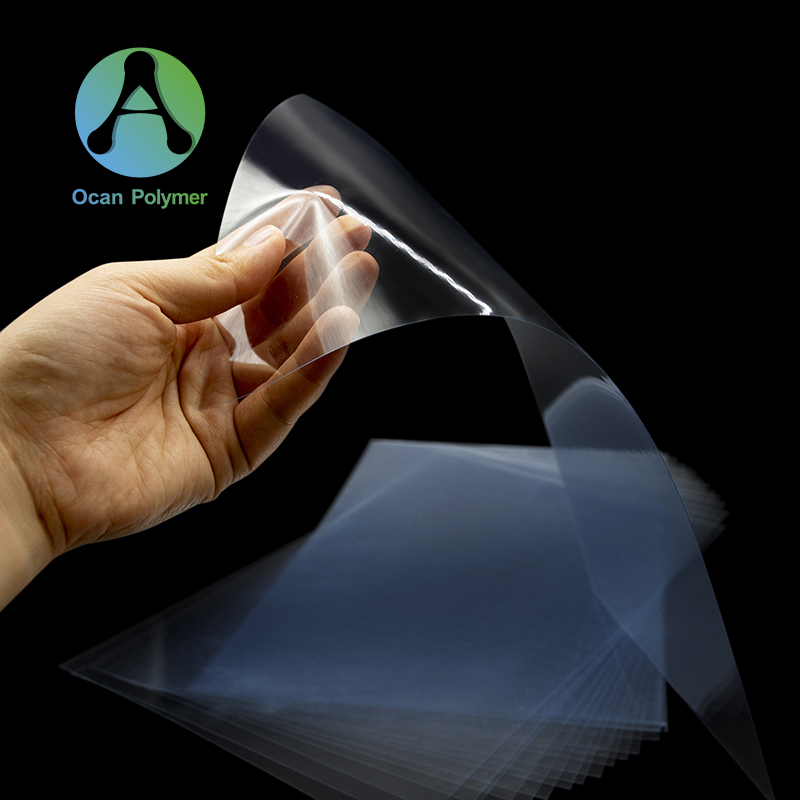
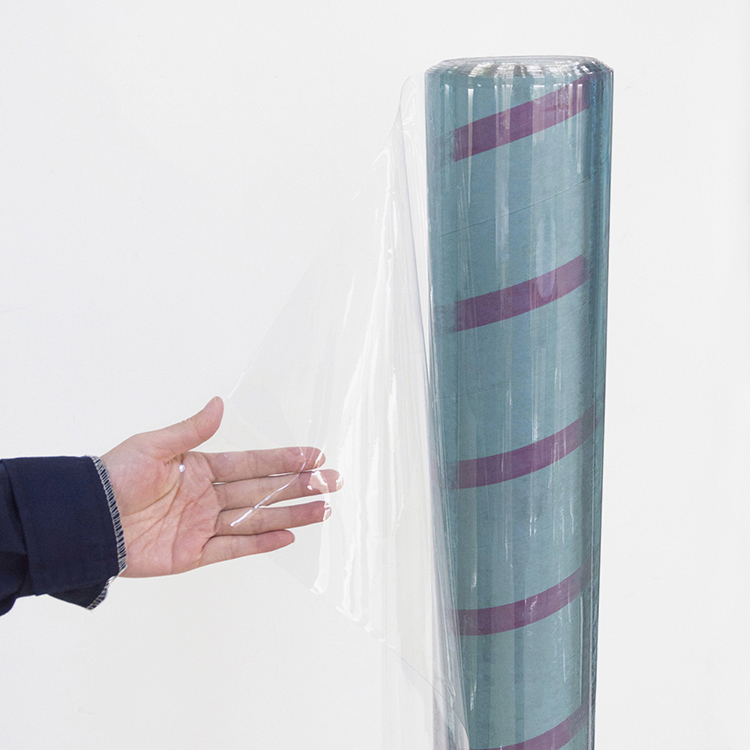
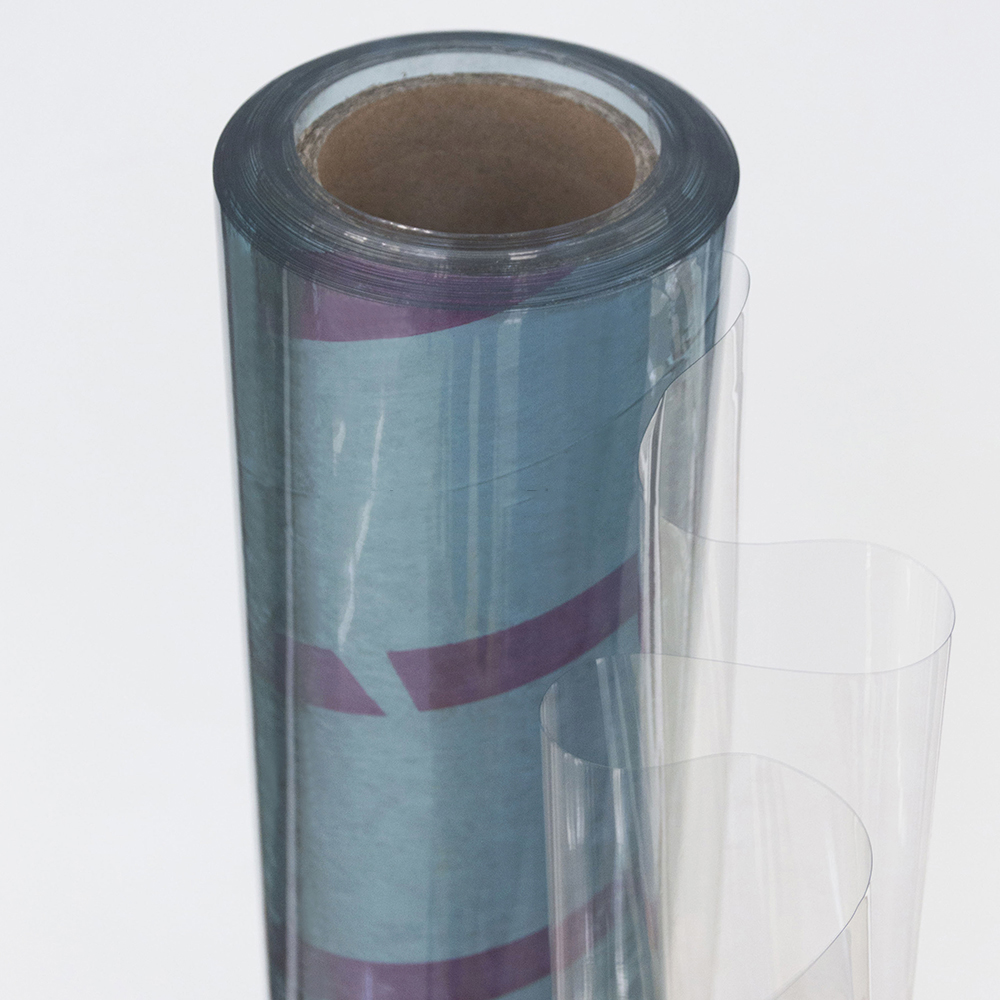
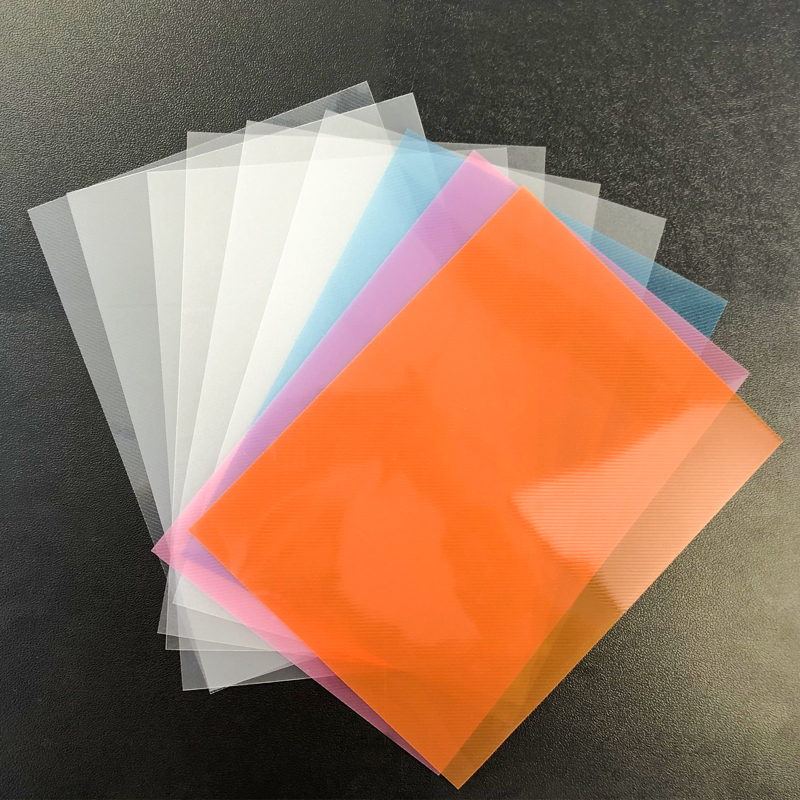
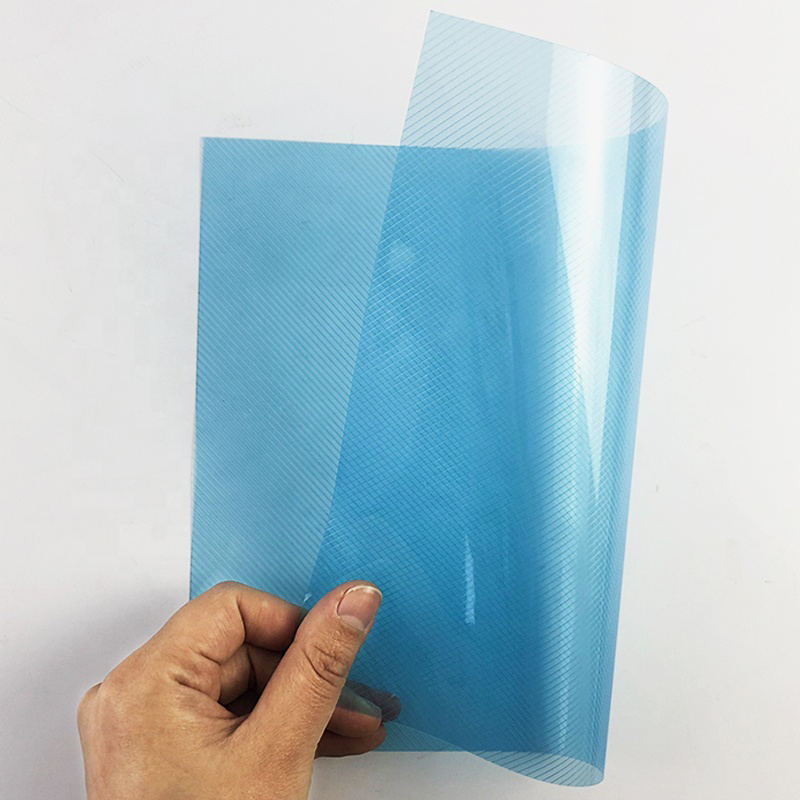
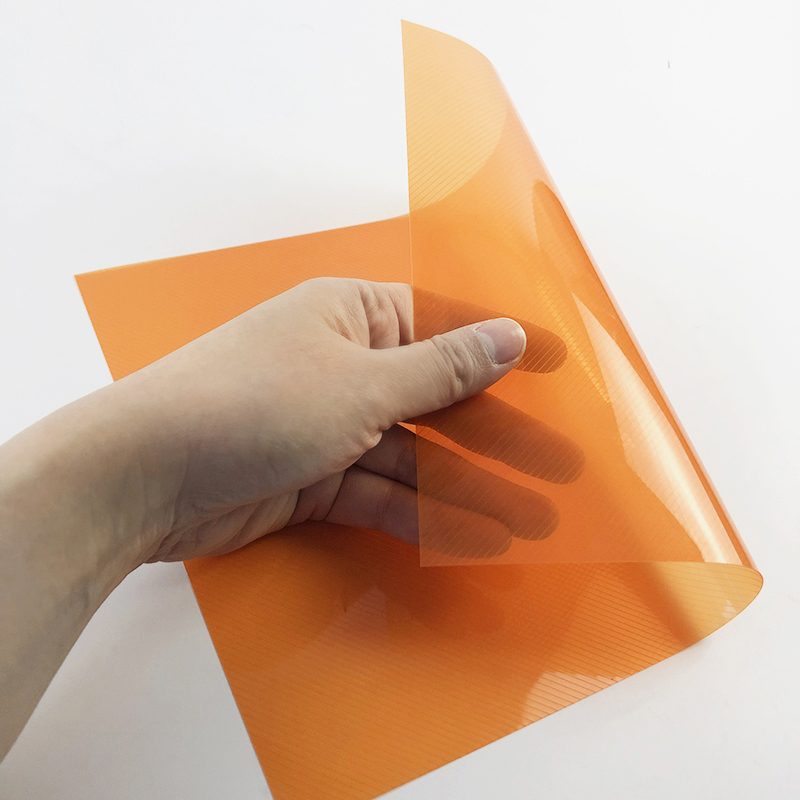
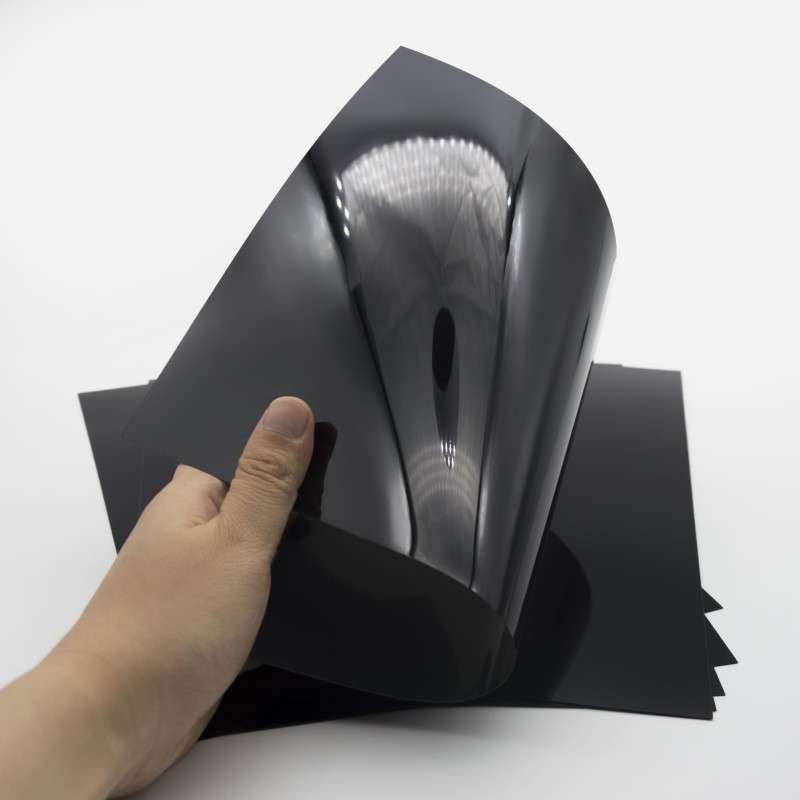
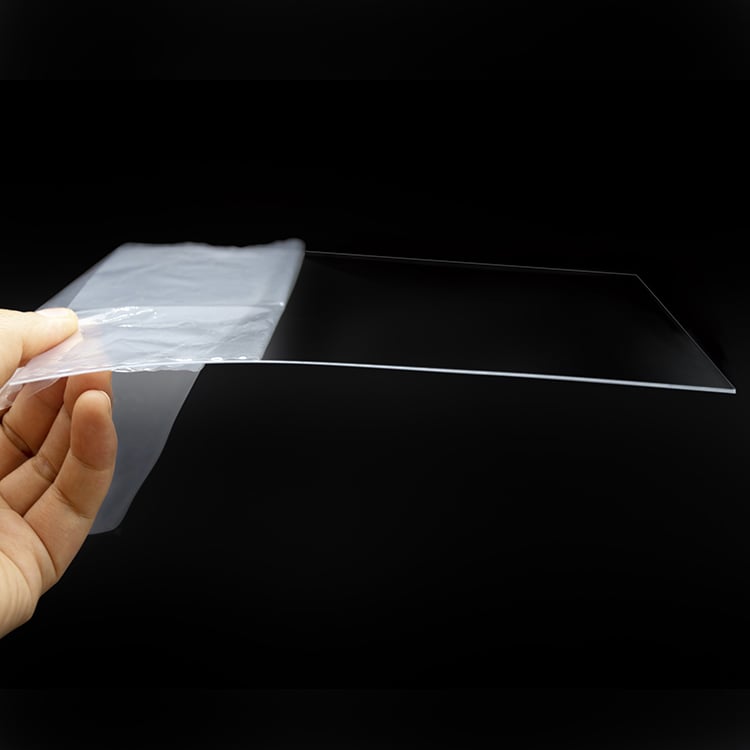
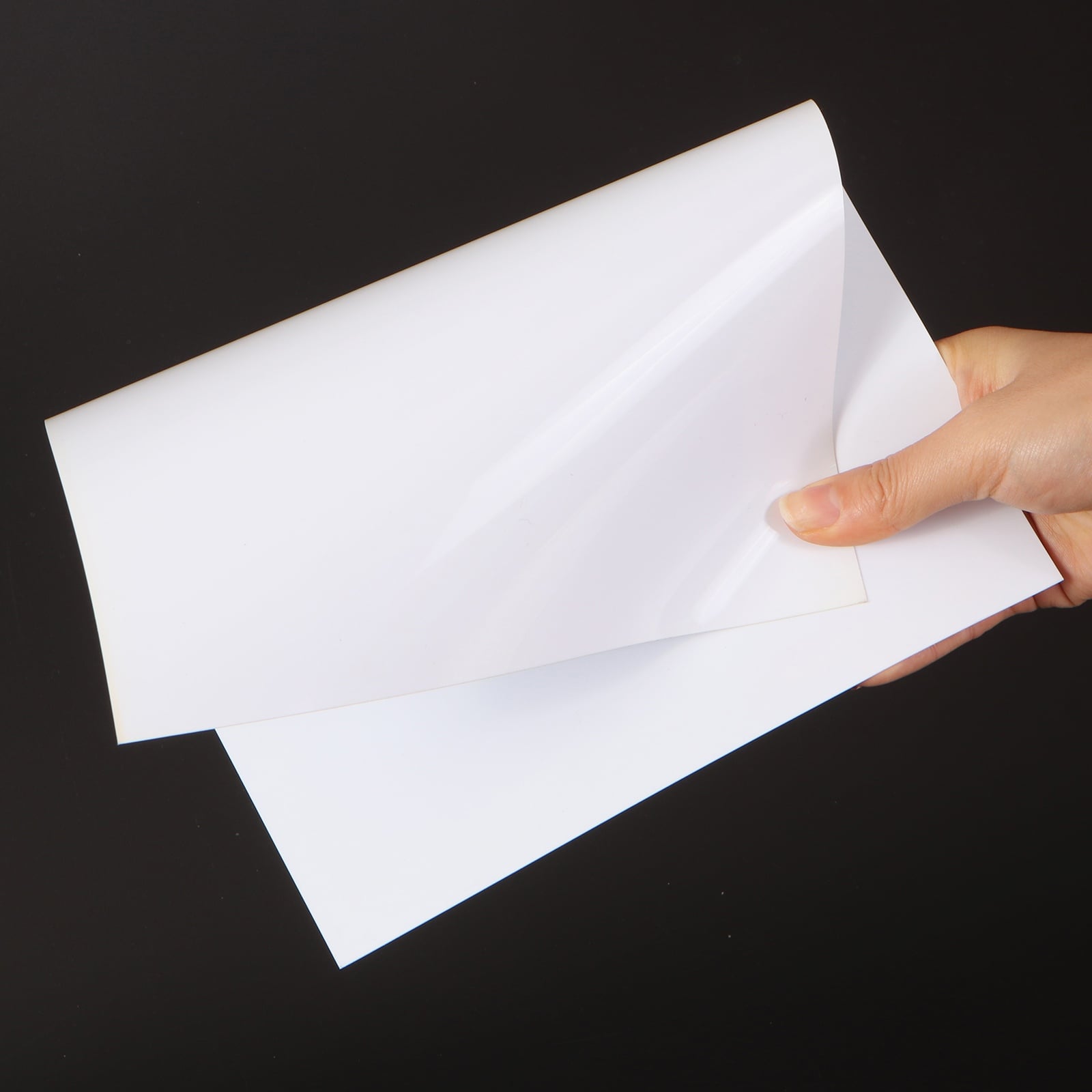
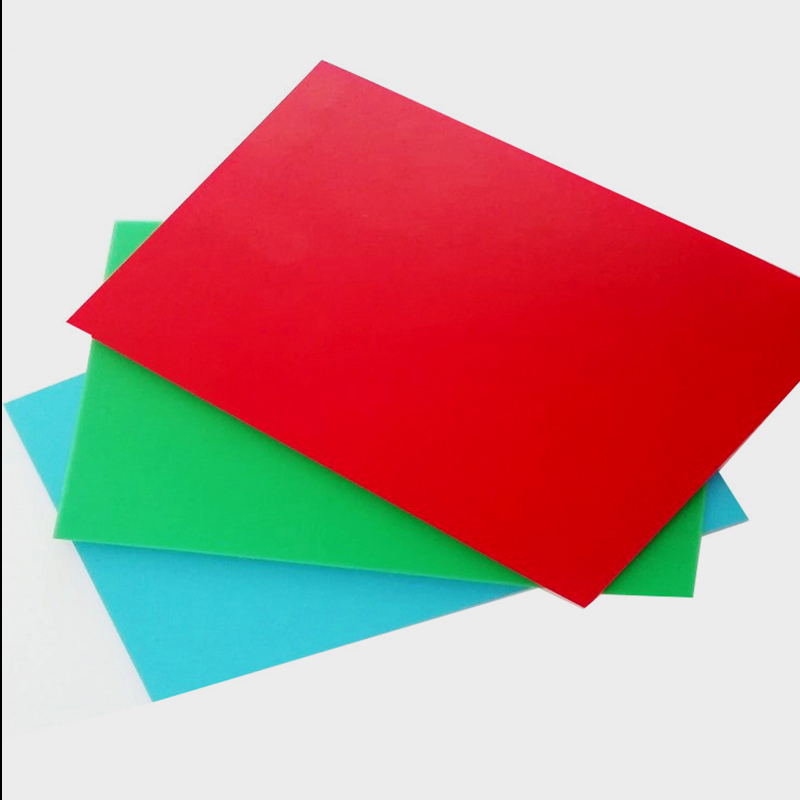
Understanding pp sheet price requires a comprehensive look at what polypropylene sheets offer and how their cost structure benefits various industries. Polypropylene sheets, commonly known as PP sheets, are thermoplastic polymer materials widely used across manufacturing, packaging, construction, and signage sectors. The pp sheet price varies based on thickness, dimensions, color options, surface finishes, and order quantities, making it essential for buyers to understand the factors influencing cost. These versatile sheets typically range from budget-friendly options for standard applications to premium grades for specialized industrial uses. The main functions of PP sheets include providing durable protective barriers, creating lightweight structural components, offering chemical resistance in corrosive environments, and serving as cost-effective alternatives to more expensive materials. Technologically, polypropylene sheets feature excellent moisture resistance, superior impact strength even at low temperatures, and outstanding chemical stability against acids, alkalis, and organic solvents. The manufacturing process involves extrusion or calendaring techniques that ensure consistent thickness and uniform properties throughout the material. PP sheets can be produced in various grades including homopolymer, copolymer, and expanded versions, each affecting the pp sheet price differently. Applications span across food packaging where FDA-approved grades ensure safety, automotive components requiring lightweight yet strong materials, medical device packaging demanding sterilization compatibility, and construction projects needing weather-resistant solutions. The pp sheet price becomes particularly attractive when considering the material's recyclability, contributing to sustainable manufacturing practices and reduced environmental impact. Industrial buyers appreciate how PP sheets can be easily fabricated through cutting, welding, bending, and thermoforming processes without requiring expensive specialized equipment. The competitive pp sheet price point makes it accessible for small businesses and large corporations alike, enabling cost-effective production runs while maintaining quality standards. Understanding the relationship between material specifications and pricing helps procurement professionals make informed decisions that balance performance requirements with budget constraints, ultimately optimizing their supply chain efficiency and product development timelines.

Popular Products

The advantages of choosing materials based on competitive pp sheet price extend far beyond initial cost savings, offering tangible benefits that impact your bottom line and operational efficiency. First and foremost, the affordability factor allows businesses to allocate resources more effectively across projects without compromising on material quality or performance characteristics. When you invest in PP sheets, you gain access to a material that delivers exceptional value through its longevity and durability, meaning fewer replacements and reduced maintenance costs over time. The favorable pp sheet price enables companies to experiment with prototypes and test designs without significant financial risk, accelerating innovation cycles and product development phases. Another significant advantage lies in the material's lightweight nature, which translates directly to reduced shipping costs and easier handling during installation or assembly processes. Workers can manipulate PP sheets with minimal equipment, cutting labor expenses and improving workplace safety by reducing the risk of strain injuries associated with heavier materials. The chemical resistance properties mean you avoid costly damage from exposure to cleaning agents, industrial chemicals, or environmental factors, protecting your investment and extending service life. The pp sheet price becomes even more attractive when considering the minimal waste generated during fabrication, as the material can be precisely cut and shaped with standard tools, and scrap pieces often remain recyclable. Businesses benefit from consistent supply availability at stable pricing, allowing for better financial planning and budget forecasting throughout fiscal periods. The versatility of PP sheets means a single material purchase can serve multiple applications within your operation, simplifying inventory management and reducing the complexity of supplier relationships. Temperature resistance allows PP sheets to perform reliably in both cold storage environments and moderately heated spaces without degradation, eliminating the need for specialized climate control measures. The non-toxic nature of food-grade PP sheets opens revenue opportunities in packaging and food service industries where safety certifications are mandatory. Maintenance requirements remain minimal, as PP sheets resist staining, do not absorb moisture that could lead to mold growth, and can be cleaned with simple soap and water solutions. The favorable pp sheet price combined with easy customization through printing, embossing, or surface treatments allows businesses to create branded materials and distinctive products without outsourcing to specialized manufacturers. Energy efficiency improves in applications where PP sheets serve as insulation or protective barriers, contributing to reduced utility costs and enhanced sustainability credentials. The material's resistance to UV degradation when properly formulated means outdoor applications maintain appearance and structural integrity without frequent replacement, further enhancing the long-term value proposition that makes the pp sheet price an intelligent investment for forward-thinking organizations seeking reliable, cost-effective solutions.

Tips And Tricks

How Is PVC Roll Used in Automatic Thermoforming Production Lines?

20

Apr

How Is PVC Roll Used in Automatic Thermoforming Production Lines?

Automatic thermoforming production lines represent a cornerstone of modern packaging and manufacturing operations, where precision, speed, and material consistency determine profitability and product quality. Within these sophisticated systems, the P...
View More
Why Do Factories Use PVC Sheet for Electronic Component Packaging?

24

Apr

Why Do Factories Use PVC Sheet for Electronic Component Packaging?

Electronic component packaging demands materials that combine protective performance with economic viability, and PVC sheet for electronic component packaging has become an industry standard for good reason. Factories worldwide rely on this versatile...
View More
How Does PVC Sheet Perform in Thermoforming for Custom Packaging Trays?

28

Apr

How Does PVC Sheet Perform in Thermoforming for Custom Packaging Trays?

Thermoforming custom packaging trays from PVC sheet has become a cornerstone process in modern packaging manufacturing, particularly for industries requiring protective, precision-fit containments for delicate products. Understanding how PVC sheet pe...
View More
How Is Flexible PVC Film Used for Tablecloth Manufacturing Applications?

15

Apr

How Is Flexible PVC Film Used for Tablecloth Manufacturing Applications?

Flexible PVC film has become an indispensable material in the tablecloth manufacturing industry, offering manufacturers a versatile solution that combines durability, aesthetic appeal, and functional performance. This synthetic polymer material under...
View More

Get a Free Quote

Our representative will contact you soon.
Email
Name
Company Name
Mobile/WhatsApp
Message
0/1000

pp sheet price

Cost-Effectiveness and Budget Optimization Through Strategic PP Sheet Price Management

Cost-Effectiveness and Budget Optimization Through Strategic PP Sheet Price Management

The strategic advantage of understanding and leveraging pp sheet price dynamics can transform how organizations approach material procurement and project budgeting across diverse operational contexts. When businesses evaluate the total cost of ownership rather than merely the upfront purchase price, polypropylene sheets consistently demonstrate superior value retention and return on investment compared to alternative materials. The initial pp sheet price represents just one component of a comprehensive economic equation that includes processing costs, installation expenses, maintenance requirements, and eventual disposal or recycling considerations. Smart procurement teams recognize that the competitive pricing structure of PP sheets creates opportunities for bulk purchasing strategies that further reduce per-unit costs while ensuring adequate inventory levels for continuous production schedules. The scalability of pp sheet price models accommodates businesses at every growth stage, from startups requiring small quantities for initial market testing to established manufacturers needing container loads for ongoing operations. Financial predictability emerges as a crucial benefit, as polypropylene raw material markets demonstrate relative stability compared to metals or specialty polymers subject to volatile commodity pricing. This pricing consistency allows finance departments to develop accurate cost projections and maintain healthy margins without constant renegotiation of customer contracts due to material cost fluctuations. The favorable pp sheet price also enables businesses to maintain competitive positioning in price-sensitive markets where material costs significantly impact final product pricing. Organizations can redirect savings achieved through smart PP sheet procurement toward value-added activities such as marketing initiatives, workforce development, or research and development projects that drive competitive differentiation. The accessibility of reasonable pp sheet price points democratizes access to quality materials for small and medium enterprises that might otherwise struggle to source industrial-grade materials at viable costs. Budget optimization extends to reduced tooling investments, as PP sheets can be fabricated with standard woodworking and metalworking equipment rather than requiring specialized machinery that demands capital expenditure and technical training. The combination of affordable acquisition costs and minimal processing requirements creates lean manufacturing environments where waste reduction and efficiency gains compound over time, generating cumulative financial benefits that far exceed the initial pp sheet price savings and establishing polypropylene sheets as cornerstone materials for cost-conscious yet quality-focused operations.
Superior Material Performance and Technical Advantages Justifying the PP Sheet Price

Superior Material Performance and Technical Advantages Justifying the PP Sheet Price

The technical performance characteristics that justify the pp sheet price deliver measurable operational advantages across demanding applications where material failure would result in costly downtime, safety hazards, or quality deficiencies. Polypropylene's molecular structure provides inherent chemical resistance that protects against degradation from acids, bases, alcohols, and many organic solvents commonly encountered in industrial environments, eliminating the need for protective coatings or barrier layers that would increase material costs and complicate fabrication processes. This chemical stability means equipment housings, tank liners, and processing components made from PP sheets maintain structural integrity throughout extended service lives, avoiding premature replacement expenses that would quickly overshadow any initial savings from choosing cheaper but less durable alternatives. The impact resistance of polypropylene sheets remains exceptional even at temperatures approaching freezing, making them ideal for cold storage facilities, refrigerated transport applications, and outdoor installations in temperate climates where brittle materials would crack or shatter under mechanical stress. When evaluating pp sheet price against performance specifications, engineers recognize that the material's high fatigue resistance withstands repeated flexing and stress cycles without developing micro-cracks or structural weakening that compromises safety margins. The low moisture absorption rate, typically below 0.01 percent, ensures dimensional stability in humid environments and prevents the swelling, warping, or delamination issues that plague hygroscopic materials and necessitate expensive climate control systems. Thermal properties allow PP sheets to maintain functionality across temperature ranges from minus ten to plus one hundred degrees Celsius, providing operational flexibility across diverse applications without requiring multiple material grades for different environmental conditions. The pp sheet price delivers exceptional value when considering the material's electrical insulation properties, which meet stringent safety standards for applications requiring protection against electrical current passage or static charge accumulation. Fabricators appreciate how polypropylene's thermoplastic nature enables heat welding and forming techniques that create seamless joints and complex geometries without adhesives or mechanical fasteners that introduce potential failure points or add assembly costs. The material's inherent UV resistance, particularly in stabilized formulations, prevents the photodegradation and color fading that compromise both aesthetics and structural properties in outdoor applications, extending useful life and maintaining professional appearance throughout years of sun exposure. Food safety certifications available for specific PP sheet grades open lucrative market opportunities where the pp sheet price must be balanced against regulatory compliance requirements and consumer safety standards that restrict material choices to approved polymers demonstrating migration resistance and bacterial growth inhibition.
Versatile Applications and Market Opportunities Enabled by Competitive PP Sheet Price

Versatile Applications and Market Opportunities Enabled by Competitive PP Sheet Price

The versatile application portfolio enabled by accessible pp sheet price structures creates market opportunities across industries ranging from traditional manufacturing to emerging technology sectors seeking sustainable material solutions. In the packaging industry, thermoformed PP sheet products dominate markets for reusable containers, blister packaging, and protective cases where the combination of clarity, durability, and cost-effectiveness meets demanding retail presentation standards while withstanding distribution channel rigors. The signage and graphics sector extensively utilizes PP sheets for indoor displays, point-of-purchase materials, and temporary outdoor signage where the favorable pp sheet price allows creative agencies and marketing departments to execute campaigns within budget constraints while achieving professional visual impact. Construction applications leverage polypropylene sheets as moisture barriers, temporary protective coverings, and permanent installation components in agricultural buildings, industrial facilities, and residential projects where building codes permit non-structural polymer materials. The automotive industry increasingly specifies PP sheets for interior trim components, trunk liners, and under-hood applications where weight reduction contributes to fuel efficiency goals and the material's recyclability aligns with corporate sustainability commitments. Medical device manufacturers depend on specially formulated PP sheets that withstand sterilization protocols including autoclave, gamma radiation, and ethylene oxide treatments, with the pp sheet price remaining competitive against alternative medical-grade polymers while meeting stringent regulatory requirements. Laboratory and chemical processing facilities install PP sheet fabrications as fume hood liners, tank construction materials, and corrosion-resistant work surfaces where the chemical resistance justifies the material selection despite availability of lower-cost options lacking necessary durability. The agricultural sector employs large-format PP sheets in greenhouse construction, hydroponic growing systems, and equipment components where weather resistance and non-toxic composition ensure crop safety and extended service life in challenging outdoor environments. Educational institutions and hobbyists benefit from the approachable pp sheet price when sourcing materials for classroom projects, theatrical set construction, and craft applications where material cost directly impacts creative possibilities and educational accessibility. The rise of sustainable manufacturing creates new opportunities for recycled PP sheet products that maintain performance characteristics while offering environmental credentials and potentially lower pricing that appeals to environmentally conscious buyers and companies pursuing circular economy business models. Export markets find PP sheets advantageous due to favorable shipping economics resulting from lightweight properties and nestable packaging configurations that maximize container utilization and reduce international freight costs. The adaptability of PP sheets to digital printing, screen printing, and vinyl application techniques enables customization and personalization services that command premium pricing while the base pp sheet price remains accessible, creating profitable value-added business opportunities for converters and fabricators serving niche markets with specialized design requirements and short production runs.

Get a Free Quote

Our representative will contact you soon.
Email
Name
Company Name
Mobile/WhatsApp
Message
0/1000