 EN
EN

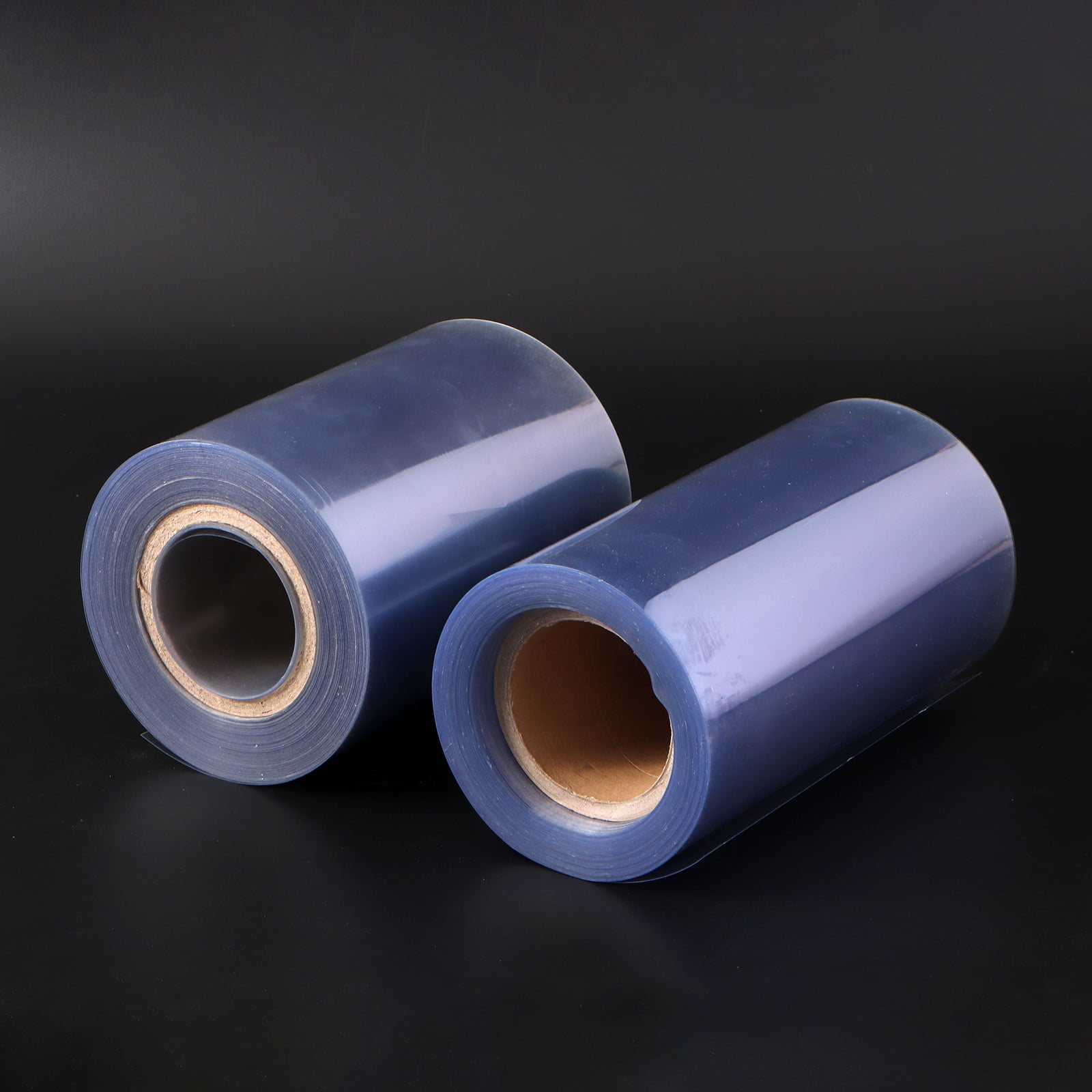
In modern industrial manufacturing, material selection directly determines production efficiency, product quality, and long-term operational cost. Among the many flexible and semi-rigid materials available to production engineers, the PVC roll stands out as a remarkably versatile input used across a wide range of sectors. From packaging lines to construction material fabrication, understanding exactly where and why this material is required helps procurement teams, production managers, and design engineers make informed sourcing decisions.
A PVC roll is a continuous length of polyvinyl chloride film or sheet wound onto a core, ready for feeding into downstream forming, laminating, cutting, printing, or thermoforming processes. Its consistent thickness, chemical resistance, dimensional stability, and compatibility with UV-stabilizing additives make it a preferred feedstock across dozens of industrial applications. This article identifies the specific manufacturing lines and end-use contexts that genuinely require a PVC roll as a core input, helping businesses align their raw material planning with real production demands.
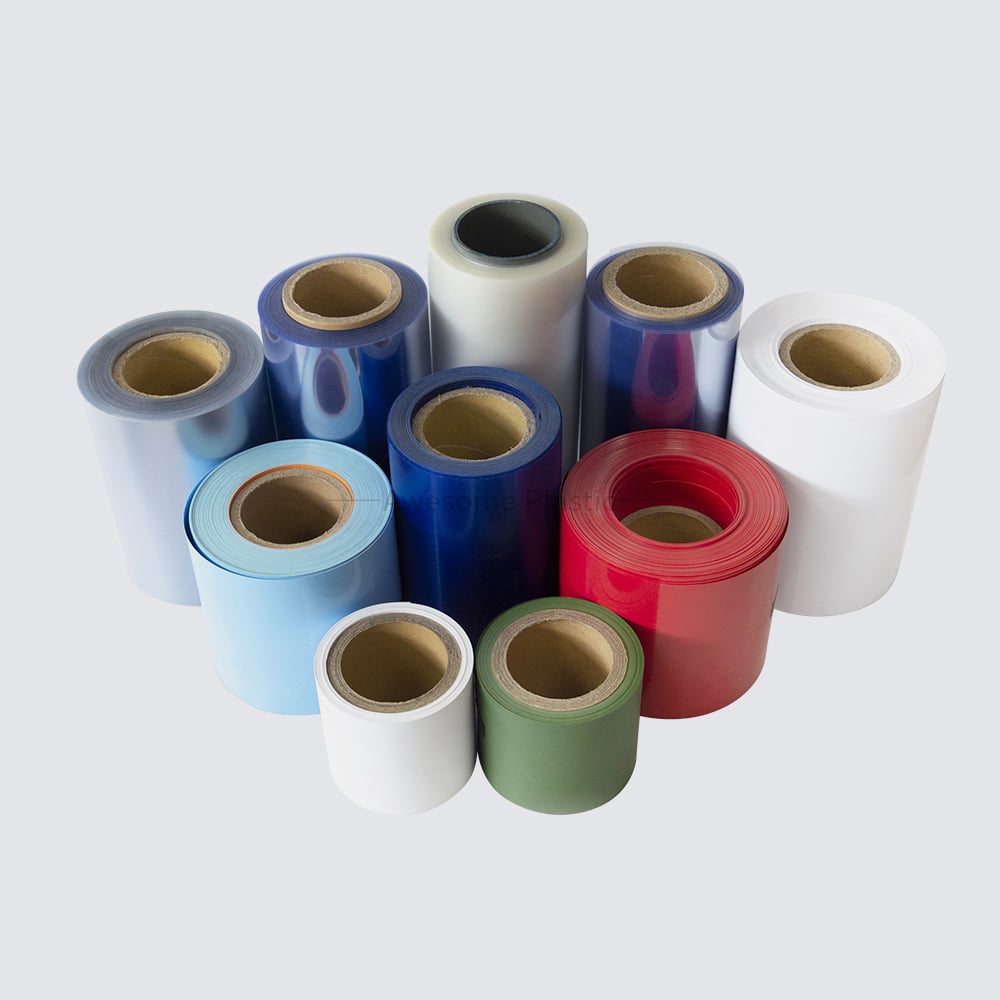
Packaging and Thermoforming Lines
Rigid Blister and Clamshell Packaging
One of the most established industrial uses of the PVC roll is in rigid blister packaging production. Thermoforming machines continuously feed PVC roll stock into a heating zone, where the film softens and is pressed or vacuumed over forming molds to create individual product cavities. The formed blisters are then heat-sealed to printed cardboard backings or mated with a second film to create fully enclosed clamshell packages.
Pharmaceutical manufacturers rely heavily on this process for tablet, capsule, and device packaging, where the barrier properties and clarity of PVC roll material meet both regulatory and consumer requirements. Electronics accessory lines, hardware distributors, and consumer goods producers similarly depend on blister packaging to present products in a tamper-evident, retail-ready format.
The roll format is critical here because it allows uninterrupted continuous production. Any downtime caused by material changeovers directly reduces output, making the consistent roll-fed supply of PVC roll material central to high-volume thermoforming efficiency.
Skin Packaging and Tray Sealing Operations
Skin packaging lines use a softened PVC roll film draped directly over products positioned on a coated board substrate. Vacuum is applied to conform the film tightly to the product's shape, producing a snug, tamper-resistant package that showcases the item with minimal material waste. This method is widely used in fresh food packaging, hardware component presentation, and medical device containment.
Tray sealing equipment also uses PVC roll film as the lidding material that is heat-bonded to pre-formed trays. In food processing environments, the controlled seal integrity that PVC roll provides helps maintain atmosphere conditions that extend shelf life. The dimensional repeatability of the roll format ensures that sealing parameters remain consistent across production runs.
Construction Material and Building Products Manufacturing
Flooring and Wall Panel Production
The construction materials industry is a significant consumer of PVC roll material, particularly in the fabrication of luxury vinyl flooring, vinyl composite tiles, and rigid wall panels. Manufacturing lines in this sector laminate, emboss, and coat PVC roll substrates with wear layers, decorative print layers, and backing materials to produce finished flooring products in large volumes.
The UV-resistant grades of PVC roll are particularly valued in this context because they prevent color degradation and surface chalking over the product's service life. Production facilities that output building materials for exterior cladding or sun-exposed interior environments require PVC roll with verified UV stabilizer packages to ensure that finished panels maintain appearance standards after installation.
Because construction material lines typically operate at high linear speeds, the roll format allows machinery to run continuously without interruption. The width and thickness uniformity of the PVC roll directly influences the flatness and dimensional accuracy of the finished flooring or panel product.
Pipe Wrap, Membrane, and Insulation Lining
Industrial pipe insulation and waterproofing membrane production lines also depend on PVC roll as a primary feedstock. PVC sheets in roll form are cut, profiled, and welded to create root barriers, pond liners, tunnel membranes, and underground cable conduit wraps. The chemical resistance of PVC roll ensures durability in soil-contact and moisture-exposed environments.
Roofing membrane manufacturers unwind PVC roll stock and laminate reinforcing polyester scrim into the sheet before re-rolling the finished membrane product for distribution. The even tension control that a properly wound PVC roll provides during this lamination process is essential to maintaining membrane thickness uniformity and bond strength throughout the web.
Printing and Signage Production Lines
Large-Format Digital Printing Substrates
Commercial printing and visual communication manufacturing represents another major context in which PVC roll material is required. Rigid and semi-rigid PVC roll substrates are fed through wide-format UV inkjet printers and solvent-based printing systems to produce backlit displays, window graphics, exhibition panels, and point-of-sale signage. The dimensional stability of PVC roll at various temperatures ensures that printed images remain crisp and properly registered across large print widths.
Signage production facilities often operate multiple printing lines simultaneously, each consuming continuous lengths of PVC roll throughout production shifts. The consistent surface energy and flatness of quality PVC roll material directly affects ink adhesion, color vibrancy, and drying uniformity — all of which are critical to the end product's commercial value.
Laminating and Cold Seal Finishing Lines
After printing, finishing lines apply protective overlaminates, cold seal coatings, or hot melt adhesives to printed PVC roll media. These processes use the roll format to feed material through nip rollers, coating heads, and drying tunnels in a continuous web. The roll format is not just a convenience — it is a manufacturing necessity in these web-based finishing operations.
Card and label production facilities that use PVC roll as their substrate must source material with tightly controlled thickness tolerances because even minor gauge variation causes web tension problems, lamination voids, or registration errors downstream. Reliable PVC roll quality is therefore a direct production quality input rather than a secondary material choice.
Automotive and Technical Component Fabrication
Interior Trim and Upholstery Substrate Lines
Automotive component suppliers and seat trim manufacturers use PVC roll as a surface material and structural substrate in the production of door panels, dashboards, headrests, and armrests. PVC roll is laminated to foam backing, stitched or ultrasonically welded, and vacuum-formed over structural components to produce interior trim parts that must meet stringent durability, flammability, and aesthetic standards.
The roll format enables just-in-time material feeding into laminating and forming lines, reducing in-process material handling and the risk of surface damage. The flexibility and thickness consistency of PVC roll are key parameters that quality-conscious automotive suppliers monitor closely as part of incoming material inspection protocols.
Technical Gaskets, Masking Films, and Protective Covers
Industrial fabrication shops that manufacture custom gaskets, dielectric separators, surface masking films, and protective packaging inserts regularly use PVC roll as a raw material. Die-cutting, slitting, and kiss-cutting machines process PVC roll into precisely dimensioned components that are then assembled into finished protective or sealing products.
The chemical inertness and electrical insulation properties of PVC roll make it suitable for components used in battery assemblies, cable management systems, and chemical containment applications. Fabricators sourcing PVC roll for these technical applications prioritize material certification, consistent gauge, and lot-to-lot repeatability to maintain their own product quality standards.
Medical Device and Healthcare Manufacturing
Sterile Packaging and Pouch Forming Lines
The medical device industry operates under strict material qualification requirements, and the PVC roll is an approved and widely used substrate for sterile barrier packaging production. Form-fill-seal lines use PVC roll film to form the rigid base web of sterile pouches, which are then filled with devices and sealed with a porous lidding material. The combination of PVC roll rigidity, clarity, and formability satisfies both functional and regulatory packaging requirements.
Cleanroom-based manufacturing facilities require PVC roll material with validated cleanliness levels, controlled extractables, and documented lot traceability. Sourcing PVC roll that meets these requirements is a prerequisite for maintaining medical device manufacturer quality management system compliance.
IV Bag Film and Tubing Components
Flexible medical-grade PVC roll film is also a primary input in the manufacture of intravenous fluid bags and blood collection containers. Specialized calendering and extrusion lines produce flexible PVC roll film that is then converted on high-speed bag-forming lines into finished fluid containers. The material formulation, plasticizer type, and additive profile of PVC roll used in these applications are subject to pharmacopoeial and biocompatibility standards.
While healthcare applications represent a specialized subset of PVC roll usage, they illustrate the material's breadth. The same fundamental polymer, when properly formulated and processed into roll form, can serve both industrial commodity packaging and life-critical medical device applications.
FAQ
What thickness of PVC roll is most commonly used in thermoforming applications?
Thermoforming applications typically use PVC roll in thicknesses ranging from 0.15 mm to 1.5 mm, depending on the depth of the forming cavity and the required rigidity of the finished blister or tray. Pharmaceutical blister lines commonly use 0.25 mm to 0.5 mm PVC roll, while heavier clamshell and consumer goods packaging may use thicker gauges for greater structural integrity.
How does UV resistance in PVC roll affect its suitability for construction product manufacturing?
UV-resistant PVC roll incorporates stabilizers that absorb or reflect ultraviolet radiation, preventing the photodegradation that causes yellowing, brittleness, and loss of mechanical strength in standard PVC. For construction products such as exterior cladding panels, roofing membranes, and outdoor flooring, UV-stabilized PVC roll is essential to ensuring that finished products maintain their performance and appearance throughout their service life in sun-exposed environments.
Can PVC roll be used in both rigid and flexible industrial applications?
Yes. PVC roll is available in formulations ranging from highly rigid to fully flexible, depending on the type and concentration of plasticizer used during compounding. Rigid PVC roll is used in thermoforming, signage, and construction panel production, while flexible and semi-flexible grades serve applications such as automotive upholstery, medical film, and industrial masking. The roll format is compatible with both material types across a wide range of converting and fabricating operations.
What quality parameters should be specified when sourcing PVC roll for printing and laminating lines?
For printing and laminating applications, the most critical quality parameters in PVC roll include thickness tolerance (typically ±5% or tighter), surface energy consistency, flatness and curl control, roll hardness, and core diameter compatibility with the printing or laminating equipment. Additionally, lot-to-lot color consistency matters when PVC roll is used as a colored substrate for branded signage or point-of-sale display production.
Table of Contents
- Packaging and Thermoforming Lines
- Construction Material and Building Products Manufacturing
- Printing and Signage Production Lines
- Automotive and Technical Component Fabrication
- Medical Device and Healthcare Manufacturing
-
FAQ
- What thickness of PVC roll is most commonly used in thermoforming applications?
- How does UV resistance in PVC roll affect its suitability for construction product manufacturing?
- Can PVC roll be used in both rigid and flexible industrial applications?
- What quality parameters should be specified when sourcing PVC roll for printing and laminating lines?